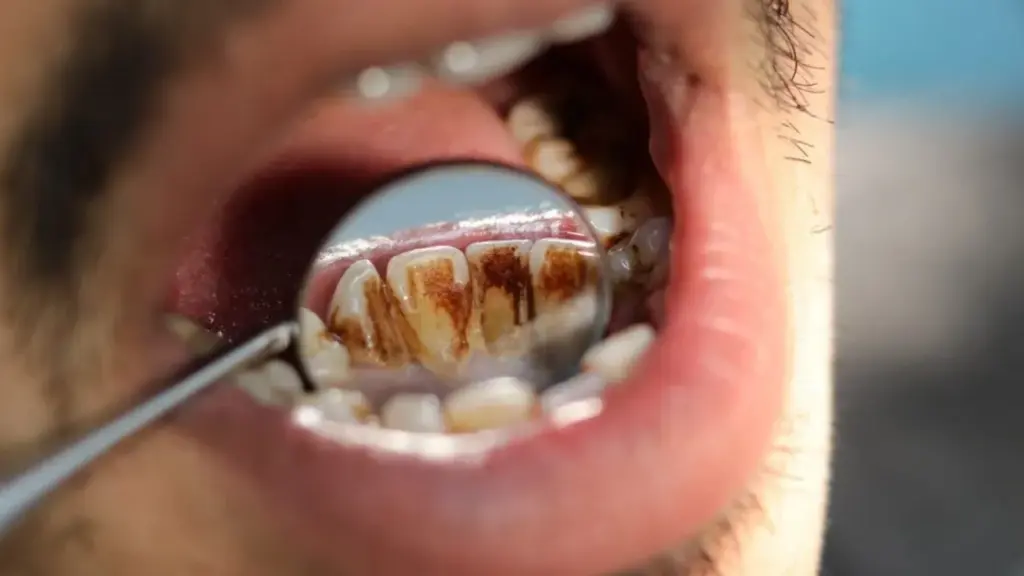
Not all tooth discoloration can be removed through professional cleaning or conventional whitening. Some color changes develop within the structure of the tooth itself. These are known as deep or intrinsic tooth discoloration.
In such cases, teeth whitening may provide partial improvement, while more pronounced discoloration may require cosmetic solutions such as dental bonding, veneers, or ceramic restorations.
Table of Contents
Choosing the right treatment depends on the cause and severity of the discoloration as well as the overall condition of the teeth. A dental evaluation is therefore essential to determine the most suitable approach with the least invasive treatment possible.
What Is Deep Tooth Discoloration?
Deep tooth discoloration refers to color changes that occur within the tooth structure, particularly the enamel or dentin, rather than stains that accumulate only on the outer surface.
As a result, affected teeth may appear gray, brown, dark yellow, or display uneven spots or bands of discoloration.
This differs from surface or extrinsic stains, which are commonly associated with coffee, tea, smoking, plaque, and tartar. These stains can often be improved through professional teeth cleaning and tartar removal or teeth whitening.
Intrinsic discoloration, however, may not disappear completely with whitening because the color change originates within the tooth itself.

What Causes Deep Tooth Discoloration?
Several factors can cause intrinsic tooth discoloration, including:
Certain Medications During Tooth Development
Some antibiotics from the tetracycline family can cause intrinsic discoloration when exposure occurs while the teeth are developing. The resulting color may range from yellow and brown to gray and can sometimes appear as visible bands or gradients.
Dental Fluorosis
Excessive fluoride exposure while teeth are developing can cause dental fluorosis. Mild cases may appear as chalky white spots, while more severe cases can involve brown discoloration and changes in the enamel surface.
Dental Trauma
A strong impact or injury, particularly to the front teeth, can cause internal changes that gradually affect tooth color. The affected tooth may become gray or brown over time.
Discoloration After Root Canal Treatment
Some root canal-treated teeth may gradually become darker than the surrounding teeth due to internal changes or materials associated with previous treatment. In certain cases, the dentist may consider internal bleaching.
Enamel and Dentin Developmental Disorders
Conditions affecting the development of enamel or dentin can result in thin or incomplete enamel, surface irregularities, early wear, and uneven tooth color. In these cases, treatment may need to address both the appearance and the structure of the tooth.
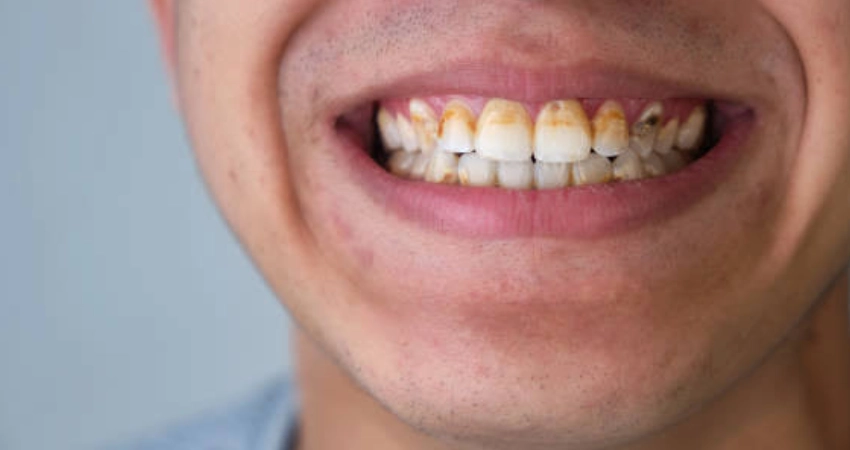
Can Deep Tooth Discoloration Be Whitened?
Yes. Teeth whitening can improve some cases of deep discoloration, but the degree of improvement depends on the cause, depth, and severity of the discoloration and the condition of the tooth.
Some cases respond noticeably to whitening, while severe discoloration associated with tetracycline exposure, advanced fluorosis, or structural enamel defects may respond only partially.
Before recommending whitening, the dentist considers several factors, including:
- The color and severity of the discoloration.
- Whether stains or bands are unevenly distributed.
- The underlying cause and history of the discoloration.
- The condition of the enamel and dentin.
- Previous root canal treatments, fillings, or restorations.
- The response to any previous whitening treatments.
If whitening makes the teeth lighter but visible dark areas or bands remain, an additional cosmetic treatment may be considered to achieve a more even appearance.
When whitening alone does not provide the desired result, understanding the difference between teeth whitening and veneers can help clarify when improving tooth color may be sufficient and when covering persistent discoloration may be more appropriate.
What Are the Alternatives When Teeth Whitening Is Not Enough?
When deep tooth discoloration is severe or does not respond adequately to whitening, several cosmetic treatment options may be considered.
Dental Bonding
Dental bonding involves applying tooth-colored composite material over the affected area. It may be suitable for moderate or localized discoloration, particularly when only one or a few teeth need treatment.
Dental Veneers
Veneers may be considered for widespread, severe, or uneven discoloration that cannot be adequately improved through whitening.
Thin ceramic shells cover the front surfaces of the teeth, helping improve both tooth color and the overall appearance of the smile. However, veneers are not suitable for every patient, and the teeth, gums, and bite should be evaluated before treatment.
Ceramic Restorations
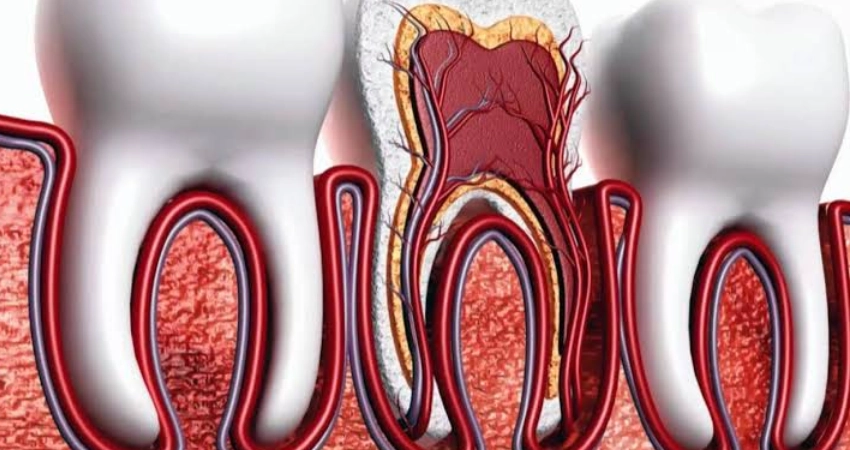
Dental crowns or other ceramic restorations may be appropriate when a discolored tooth is also weakened, fractured, or contains a large existing restoration.
This can be particularly relevant for some root canal-treated teeth, where treatment needs to improve appearance while also restoring the tooth’s strength and function.
How Does a Dentist Choose the Right Treatment?
The appropriate treatment is not determined by tooth color alone. The dentist evaluates the cause and depth of the discoloration, the condition of the tooth structure, the number of affected teeth, and any previous fillings or root canal treatments.
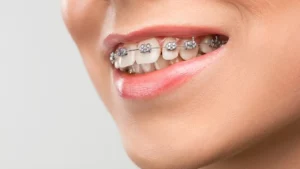
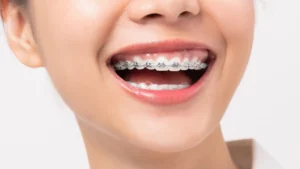
The cause of the color change is particularly important. For example, tooth discoloration after braces may require determining whether the problem involves surface staining or changes in the enamel before whitening or another cosmetic treatment is considered.
When appropriate, treatment may begin with a conservative option such as professional whitening. If the result is insufficient, dental bonding, veneers, or ceramic restorations may then be considered depending on the individual case.
The goal is to achieve an aesthetically pleasing result while preserving as much healthy natural tooth structure as possible.
Can You Achieve a Natural Tooth Color Without an Extremely White Smile?
Yes. Treating deep tooth discoloration does not necessarily mean making the teeth extremely white.
A shade can be selected to complement the surrounding teeth, skin tone, and lips, creating a balanced and natural-looking result.
Whether treatment involves whitening, bonding, or veneers, the desired shade can be discussed with the dentist beforehand. The goal can simply be to reduce discoloration and create a more harmonious smile rather than achieving an unnaturally bright white shade.
Find the Right Treatment for Deep Tooth Discoloration With Dr. Abeer Zandaki
Deep tooth discoloration varies considerably from one person to another. Choosing the appropriate treatment therefore requires an examination to identify the cause and depth of the discoloration and evaluate the condition of the teeth and gums.
At Dr. Abeer Zandaki’s clinic, each case is evaluated individually to determine whether teeth whitening may provide the desired improvement or whether dental bonding, veneers, or ceramic restorations should be considered.
If you have deep tooth discoloration or uneven tooth color that does not improve with whitening, you can schedule an evaluation to determine the most appropriate treatment and achieve a natural-looking result that complements your smile.