Why Do Tooth Discolorations Appear After Braces Are Removed?
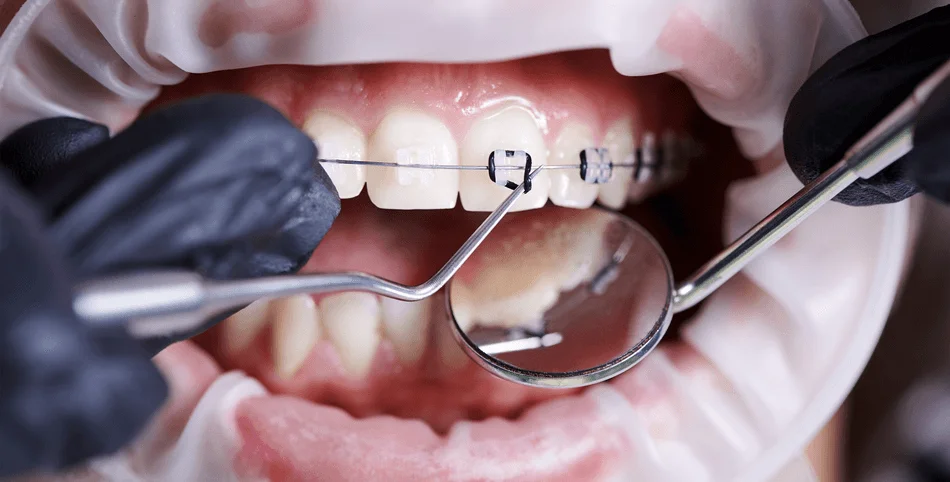
Tooth discoloration after removing braces is most often caused by the buildup of dental plaque and food debris around the metal brackets during treatment, as maintaining good oral hygiene becomes more difficult and complex in the presence of wires and brackets.
Over time, this can lead to changes in the enamel’s color and the appearance of white, yellow, or brown spots, especially in the areas surrounding the bases of the brackets.
Consuming coffee, tea, colored soft drinks, and smoking further increases the risk of post‑orthodontic staining, as these chromogenic substances adhere more easily to inadequately cleaned tooth surfaces.
In some cases, a noticeable color difference develops between the areas that were covered by brackets and the exposed areas, making the tooth appear patchy or uneven in color once the braces are removed.
Therefore, the development of tooth discoloration after orthodontic treatment is closely related to the quality of oral hygiene during braces, dietary habits, and the consistent use of an appropriate toothbrush, toothpaste, and dental floss to effectively clean all tooth surfaces around the wires and brackets.
Are Tooth Discolorations After Braces Common?
Tooth discoloration after orthodontic treatment is relatively common rather than rare. Many patients notice changes in tooth shade immediately after the removal of metal or clear brackets.
These discolorations typically result from the build-up of dental plaque and food debris around the bases of the brackets during treatment. Over time, this can alter the appearance of the enamel and lead to white, yellowish, or even brown spots on the teeth.
Daily habits also play a major role in increasing the risk of discoloration after braces, such as excessive consumption of coffee, tea, and colored soft drinks, as well as smoking, especially when combined with inadequate brushing and lack of regular flossing.
Although this issue is common, most cases of discoloration are superficial and can be improved easily through simple measures such as professional dental cleaning, enamel polishing, or in-office teeth whitening performed under a dentist’s supervision.
The key point is that tooth discoloration after braces is usually not a serious condition, and it is largely preventable by following oral hygiene instructions carefully during and after orthodontic treatment. This helps preserve the natural tooth color and allows the final smile after treatment to appear at its best.
The importance of professional dental cleaning as the first step in treatment
In‑office professional dental cleaning is the essential first step before any treatment for post‑orthodontic tooth discoloration. It removes calculus (tartar), dental plaque, and superficial yellow stains that tend to accumulate around residual orthodontic adhesive.
This thorough cleaning makes it possible to distinguish true intrinsic or enamel discoloration from remaining deposits or calcifications that formed around previous orthodontic brackets and bands, allowing an accurate assessment of how much the enamel has actually been affected.
Professional cleaning also improves the teeth’s response to any subsequent whitening procedures or cosmetic treatments, while reducing the risk of gingival inflammation and dentin hypersensitivity that may increase after braces removal.
In this way, the dentist can develop a tailored, safe treatment plan to even out tooth color after orthodontic treatment and enhance the final appearance of the smile with the best possible outcome.
Does teeth whitening help with stains after braces?
Teeth whitening can improve the appearance of post‑braces staining, but it isn’t a one‑size‑fits‑all solution.
Superficial discoloration caused by plaque buildup or residual adhesive after bracket removal often responds very well to professional whitening sessions at the dentist’s office or with custom-made whitening trays.
Deeper stains, however, or white spots associated with early enamel decay (incipient caries) or enamel demineralization due to calcium loss, may not improve enough with whitening alone. These cases may require additional cosmetic treatments such as microabrasion, topical fluoride therapy, or minimally invasive restorations (such as composite bonding or porcelain/composite veneers).
If you notice discoloration after orthodontic treatment, it’s advisable to see your dentist to determine the type of staining you have and whether whitening is appropriate, or if you would benefit more from a combined treatment plan that includes whitening along with other cosmetic procedures to achieve a more uniform, brighter smile.
What if stains or discoloration remain after whitening?
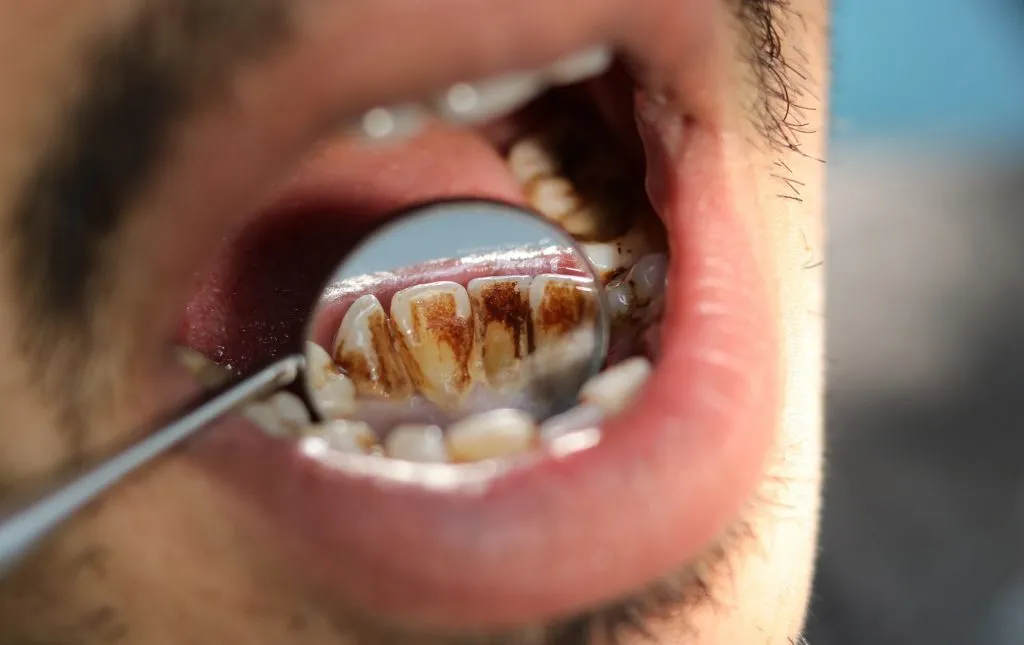
In some cases, tooth discoloration after braces can still be partially visible even after a whitening procedure, especially when the stains are deep within the enamel or are due to tartar removal or cavities that were present around the brackets.
At this stage, your dentist will first assess why the stains are still present, to make sure there is no underlying decay or enamel weakness that needs treatment before any further cosmetic procedures.
They may then suggest stepwise solutions, such as targeted whitening of the darker spots, enamel microabrasion (precise polishing of a very thin surface layer), or—when the discoloration is more noticeable—using tooth-colored composite fillings or ultra-thin porcelain veneers to permanently mask the stains that remain after orthodontic treatment.
What matters most is avoiding repeated whitening sessions on your own in an attempt to remove every single spot. Overdoing whitening can lead to tooth sensitivity and weakened enamel. That’s why it’s essential to follow up with your dentist to select the safest and most appropriate option from both a medical and cosmetic standpoint.
The Difference Between Tooth Discoloration and White Spots After Braces
Tooth discoloration after orthodontic treatment is medically and clinically different from the white spots that appear on the teeth once braces are removed, even though both are common issues associated with orthodontic care.
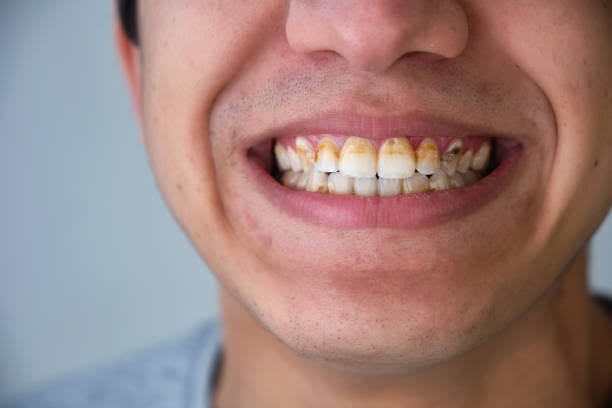
Discoloration usually appears as yellow, brown, or dark stains spread across the tooth surface. It commonly results from the accumulation of food debris and dental plaque around the brackets, as well as from coffee, tea, smoking, and poor oral hygiene. These stains often improve with professional dental cleaning and teeth whitening procedures.
White spots after braces, on the other hand, are chalky, opaque areas that look clinically white or whitish‑translucent, typically seen around the area where brackets were bonded. They are considered an early sign of demineralization and mineral loss in the enamel, caused by bacterial and acid buildup. If left untreated, these lesions may progress into actual cavities.
Recognizing the difference between post-orthodontic discoloration and white spot lesions is key to choosing the right treatment. Superficial stains may only require polishing or whitening, whereas white spots often need enamel remineralization therapies or minor cosmetic interventions to mask them and prevent progression to true dental caries.
How can tooth discoloration be prevented during orthodontic treatment?
Daily Dental Care
Consistent daily oral hygiene during orthodontic treatment is the first line of defense against post-braces tooth discoloration.
It is recommended to brush after every meal, or at least twice a day, using a soft-bristled toothbrush with a small head to reach all the areas around the brackets and wires.
A fluoride toothpaste should be used to help strengthen the enamel and reduce the risk of developing white or brown lesions around the braces.
Cleaning the tongue, gums, and the gumline where the teeth meet the gums also helps reduce bacterial buildup that can lead to tooth staining.
Sticking to a strict daily oral care routine while wearing braces significantly lowers the risk of discoloration after debonding and helps maintain an even, uniform smile.
Using Orthodontic Cleaning Aids
For optimal prevention of tooth discoloration during orthodontic treatment, regular toothbrushing alone is not enough; special orthodontic cleaning aids should be used.
It is advisable to use an orthodontic toothbrush or an interdental brush to clean the tight spaces between the wires and brackets that a regular toothbrush cannot effectively reach.
Orthodontic floss, super floss, or a floss threader helps remove food debris and plaque between the teeth, thereby reducing plaque accumulation that can cause staining and early enamel demineralization.
A water flosser (oral irrigator) can also be used as an effective and gentle option, especially for those who find traditional flossing difficult while wearing braces.
Combining these specialized tools with routine toothbrushing helps preserve the natural tooth color and clearly reduces the likelihood of stains after the braces are removed.
Regular Dental and Orthodontic Check-Ups
Regular visits to both the dentist and the orthodontist are essential for preventing tooth discoloration during orthodontic treatment.
During these visits, professional cleaning can be performed to remove plaque and calculus deposits in areas that are hard to access at home, thereby lowering the risk of staining after treatment.
The dentist can also detect early signs of enamel demineralization or superficial discoloration around the brackets and intervene promptly before they progress into permanent lesions.
Your dentist may recommend the use of fluoride gels, varnishes, or mouth rinses to enhance enamel protection, especially for patients who are more prone to tooth staining or demineralization.
Adhering to the recommended recall schedule, usually every 3–6 months, supports overall oral health and helps ensure that the orthodontic treatment period passes with minimal color changes to the teeth.
Foods and Drinks to Limit
Making careful choices about what you eat and drink during orthodontic treatment plays a significant role in preventing tooth discoloration after braces.
It is preferable to limit the intake of highly pigmented drinks such as coffee, dark tea, soft drinks, artificially flavored juices, and beverages rich in colorants, as they increase the likelihood of staining around the brackets.
It is also advisable to reduce consumption of sticky or sugary foods that adhere to the teeth and braces, such as gummy candies and sticky chocolates, because they promote bacterial growth and plaque accumulation that contribute to discoloration and enamel damage.
When consuming colored beverages, using a straw can help minimize contact with the tooth surfaces; afterwards, rinse your mouth with water or brush your teeth whenever possible.
Following a balanced diet rich in fresh fruits and vegetables, along with adequate water intake, helps maintain oral cleanliness and reduces the risk of tooth discoloration both during and after orthodontic treatment.
When should you see your dentist after getting your braces removed?
It’s recommended to visit your dentist within 1–2 weeks after braces removal to check the condition of your enamel and assess any discoloration or white spots that may have formed around the brackets during orthodontic treatment.
During this visit, your dentist will evaluate the extent of post-orthodontic staining and decide whether you only need minor polishing, a professional cleaning session, or a safe teeth-whitening procedure. They will also make sure you’re wearing your retainer as instructed to maintain your orthodontic results.
After that, follow‑up visits are usually scheduled every 3–6 months to monitor the stability of your tooth alignment and watch for any changes in tooth color or the appearance of new stains, especially if you drink coffee or tea or if you smoke.
Seeing your dentist early after braces removal helps manage tooth discoloration in its early stages, before it penetrates deeper and becomes harder to remove. This ensures a harmonious smile and long‑lasting, even tooth color.
Treating Post-Braces Tooth Discoloration with Dr. Abeer Zindaqi
Treating tooth discoloration after orthodontic treatment with Dr. Abeer Zindaqi always starts with an accurate diagnosis to identify the cause and type of staining before selecting the most suitable treatment plan.
In the clinic, Dr. Abeer uses professional in-office teeth-whitening systems with medically approved bleaching agents at safe concentrations. These help gently remove yellow or brown stains while preserving the integrity of the enamel.
For mild, superficial discoloration after braces, she may recommend professional cleaning and polishing sessions to remove plaque and calculus that built up around the brackets during treatment, restoring the teeth’s natural color and shine.
If residual adhesive or debonding of the braces has led to uneven tooth shade, she may resort to conservative cosmetic options such as aesthetic composite resin restorations or ultra-thin porcelain veneers to harmonize the tooth color and mask defects without excessive enamel reduction.
In addition to in-office procedures, Dr. Abeer Zindaqi designs a personalized post-orthodontic home-care regimen. This includes proper brushing techniques, an appropriate toothpaste, and avoiding foods and drinks known to cause staining, to ensure long-lasting results and a healthier, brighter smile.