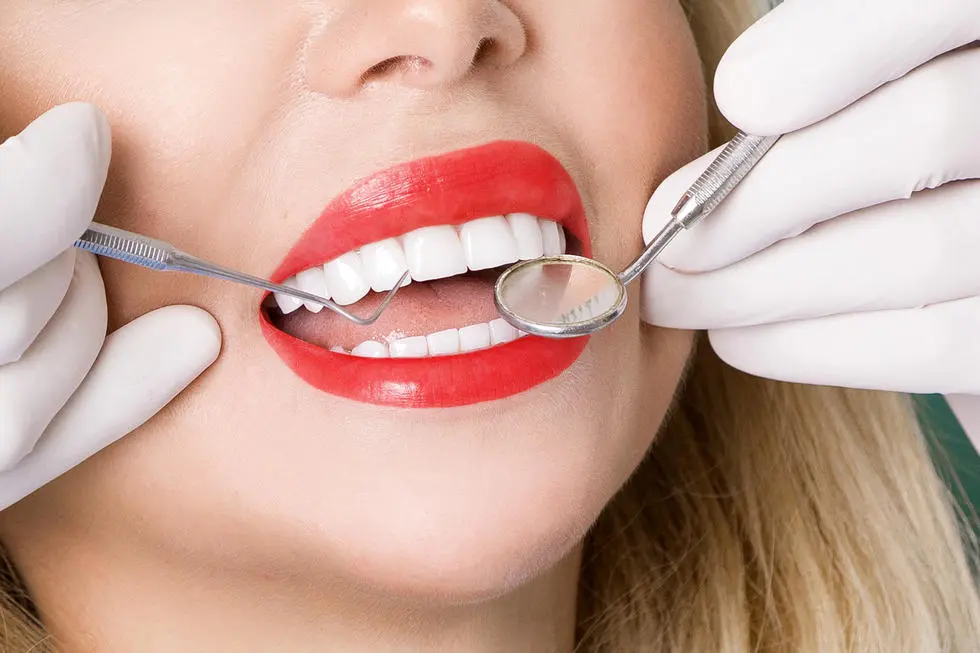
What Is Meant by Anterior Teeth Restoration?
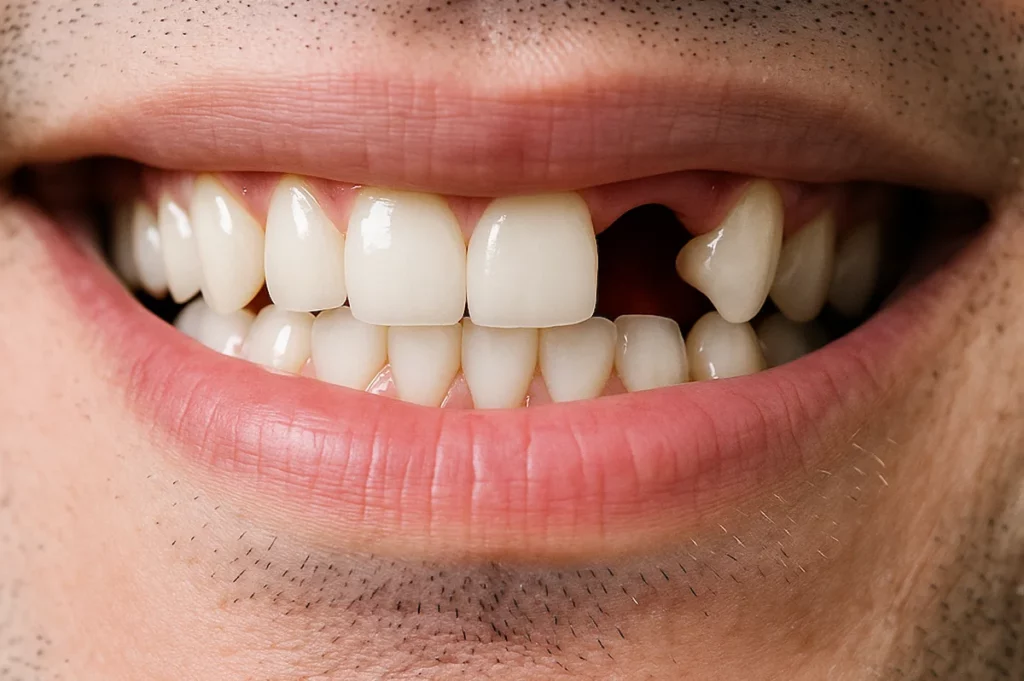
Anterior teeth restoration refers to a set of therapeutic and cosmetic dental procedures designed to repair the shape and function of the teeth that show when you smile, after they have been affected by decay, fractures, wear, or discoloration.
In these treatments, the dentist focuses on rebuilding the damaged tooth so that it looks as close as possible to a natural tooth in both shape and shade, harmonizing with the surrounding teeth, while preserving proper bite function and a balanced smile.
This type of restoration may involve:
- Tooth‑coloured composite fillings
- Veneers (porcelain or composite) and Lumineers
- Ceramic (porcelain) crowns
- Correction of minor chips, cracks, and small gaps between teeth
Restoring the anterior teeth is a key step in improving the aesthetics of the mouth and rebuilding confidence when smiling and speaking, while at the same time maintaining oral health and ensuring proper chewing and speech function.
What are the reasons for restoring front teeth?
Fractures of the Front Teeth
Fractures of the anterior teeth are among the most common reasons for restoring front teeth, whether it’s a minor chip at the cutting edge or a deep fracture extending to the pulp (dental nerve).
These fractures may result from falls, sports injuries, or using the teeth to open objects, and they can affect facial aesthetics, as well as proper biting and speech.
In such cases, anterior tooth restoration aims to restore the tooth’s natural shape, protect it from further breakdown, and prevent gum and pulp inflammation, in addition to bringing back a confident smile.
The choice of restoration type depends on the size of the fracture and the overall condition of the tooth, so the dentist determines the optimal treatment plan after clinical examination and appropriate imaging.
Cracks and Erosion
Fine cracks and enamel erosion in the front teeth are important reasons to consider restoring anterior teeth before the problem progresses.
Cracks may be caused by excessive biting forces, such as nocturnal bruxism (teeth grinding) or nail biting, while erosion most often results from acids in soft drinks, gastric acid reflux, or overly aggressive toothbrushing.
These cracks and erosive lesions may not be painful at first, but they weaken the tooth structure, increase sensitivity, and make the tooth more prone to decay and fractures, while gradually compromising the appearance of the smile.
Restoring the front teeth in these cases helps reinforce the tooth surface, protect it from damaging factors, and enhance aesthetics, while preserving as much natural tooth structure as possible.
Decay in the Front Teeth
Although dental caries is more commonly seen in the posterior molars, decay of the front teeth is a major reason that often requires prompt restoration of the anterior teeth.
Accumulation of food debris and bacteria, combined with poor oral hygiene, can lead to decay on the front or side surfaces of a tooth, sometimes appearing as brown discolorations or small cavities.
Neglecting decay in the front teeth can progress to severe pain, pulpitis (nerve inflammation), fracture of part of the tooth, and a noticeable distortion of the smile.
In such cases, restoring the front teeth involves carefully removing the decayed tissue and rebuilding the missing part with aesthetic fillings, veneers, or crowns, thus preserving tooth function while improving its appearance at the same time.
Gaps and Shape Irregularities
Spaces between the front teeth (diastemas) and shape irregularities—such as undersized teeth or lack of harmony between them—are among the most common cosmetic reasons that drive patients to seek restoration of their anterior teeth.
These issues are usually not painful, but they affect the harmony of the smile and may cause difficulty pronouncing certain sounds or food impaction between teeth.
Anterior restorations in these cases aim to close the gaps and refine tooth shape using aesthetic composite bonding, porcelain veneers, or lumineers, while maintaining proper occlusion and chewing function.
With this type of restoration, it is often possible to achieve a more harmonious and natural-looking smile without always resorting to lengthy orthodontic treatments in mild to moderate cases.
Discolorations Unresponsive to Whitening
Deep discolorations of the front teeth that do not respond to conventional tooth whitening sessions are a clear indication for restoring anterior teeth using other cosmetic approaches.
These stains may result from certain medications taken during childhood, previous dental trauma, or enamel formation defects, leaving the tooth with a dark or markedly uneven color.
In such cases, whitening alone is insufficient, and patients are usually advised to consider anterior restorations such as porcelain veneers or high‑aesthetic composite restorations to mask the unwanted color and give the tooth a natural appearance.
This type of restoration significantly improves the color of the front teeth and helps patients regain confidence in their smile when traditional whitening fails to achieve the desired result.
What Are the Options for Restoring Front Teeth?
Tooth-Colored Fillings (Composite Resin)
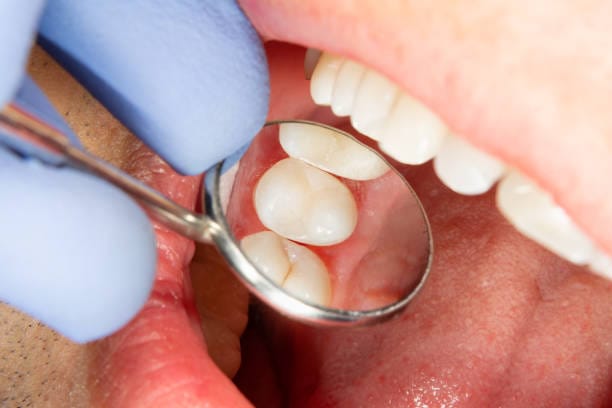
Tooth-colored fillings made of composite resin are among the simplest and most common options for restoring front teeth, especially in cases of small carious lesions or minor chipping along the incisal edges.
A tooth‑shaded material is applied directly onto the tooth, then sculpted and polished to blend seamlessly with the natural shape and color of the anterior teeth.
This type of restoration helps close small gaps, repair cracks, and improve the appearance of chipped edges without the need for extensive removal of tooth structure.
Composite fillings are also a cost‑effective and quick option compared with other restorations, making them suitable for patients who want to enhance the appearance of their front teeth while preserving as much natural tooth tissue as possible.
Porcelain Veneers
Porcelain veneers are one of the most important options for restoring anterior teeth when the primary goal is aesthetics, along with correcting moderate defects in tooth color, shape, or size.
They consist of thin, custom‑made porcelain shells that are bonded to the front surface of the tooth, providing a more harmonious smile with long‑lasting whiteness and color stability.
Porcelain veneers are used to manage deep discolorations that do not respond to bleaching, to mask spaces (diastemas) between the front teeth, and to correct minor misalignment or worn teeth.
This option usually requires slight reduction of the outer enamel layer, making it a middle ground between conserving tooth structure and achieving a high‑quality cosmetic outcome.
Lumineers
Lumineers are considered a minimally invasive option for restoring anterior teeth. They are characterized by being ultra‑thin porcelain laminates that can sometimes be bonded with little to no enamel reduction.
Lumineers are used to gently improve the color and shape of front teeth and are suitable for patients seeking a brighter smile with minimal alteration of natural tooth structure.
They can help mask superficial discolorations, correct minor shape irregularities, and cosmetically increase the length of short teeth.
Choosing Lumineers as a restoration for front teeth depends on the patient’s bite, enamel thickness, and aesthetic expectations, and therefore requires a thorough evaluation by a cosmetic dentist.
Esthetic Dental Crowns
Esthetic dental crowns are a more comprehensive option for restoring damaged or weakened anterior teeth, as the crown fully covers the visible portion of the tooth.
Crowns are fabricated from esthetic materials such as zirconia or porcelain fused to zirconia, providing a natural appearance along with high strength.
They are indicated when there is a large fracture, an extensive old filling, or following root canal treatment where the front tooth needs reinforcement.
This type of restoration helps re‑establish the natural shape of the anterior tooth, improve its color, and enhance chewing function, while maintaining harmony within the smile.
Reconstruction of Severely Damaged Teeth
When front teeth have suffered extensive damage due to deep caries or traumatic injury, the patient may require more complex solutions to rebuild the tooth.
In such cases, the dentist may combine intraradicular posts with a core build‑up material, then cover the tooth with an esthetic crown to restore its function and appearance.
Reconstructing severely damaged teeth is one of the most important options for anterior tooth restoration, as it helps prevent tooth loss and preserves the natural root whenever possible.
This type of rehabilitation contributes to restoring confidence in the smile, improving speech, and supporting the lips and facial profile, while maintaining a balance between the aesthetic and functional aspects of the front teeth.
When Are Aesthetic Fillings for Front Teeth the Right Choice?
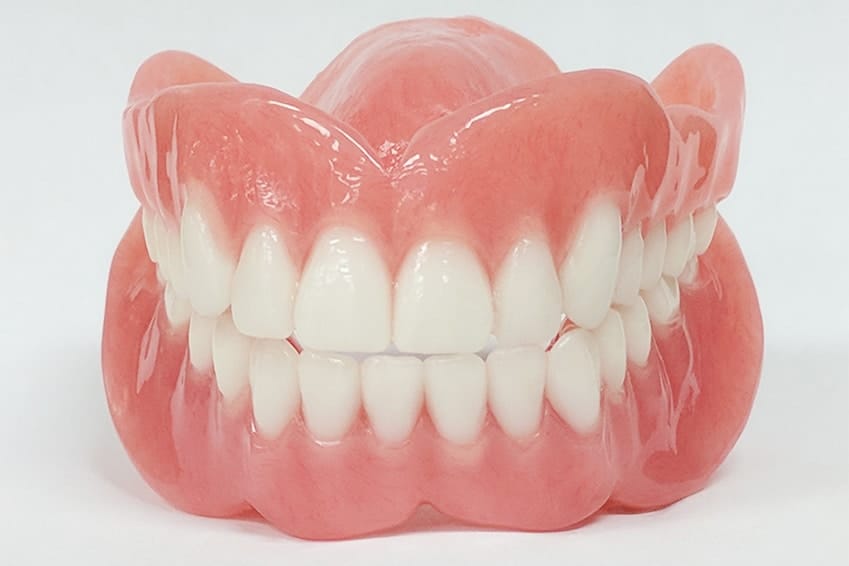
Aesthetic fillings for anterior teeth are an appropriate option when there are cavities, minor fractures, or superficial discolorations that do not warrant more complex restorations such as crowns or veneers—especially when the patient wishes to restore the front teeth while preserving as much natural tooth structure as possible.
In cases of small cracks, slight spacing (diastemas) between teeth, and wear of incisal edges, tooth‑colored composite resin fillings can provide an excellent cosmetic result that blends with the natural tooth shade and supports a natural-looking smile, without the need for surgical procedures.
These fillings are also a practical and relatively cost‑effective solution for improving the appearance of front teeth, provided that the gums are healthy, the occlusion (bite) is stable, and there is no advanced tooth wear or extensive structural damage.
In all situations, the dentist determines whether aesthetic composite fillings are the most suitable option for restoring the front teeth, or whether the case requires alternative treatments such as porcelain veneers or full‑coverage crowns, based on a thorough clinical examination, radiographic assessment, and an individualized treatment plan.
Veneers and Lumineers for Restoring Anterior Teeth
A harmonious front-tooth smile is one of the key elements of facial attractiveness and self-confidence. Dental veneers and Lumineers are among the most effective cosmetic solutions for restoring anterior teeth and enhancing their shape and color in a safe and relatively quick way.
Conventional dental veneers are thin, custom-made porcelain shells bonded to the front surface of the teeth after minimal enamel preparation. They are used to manage issues such as intrinsic tooth discoloration, diastemas (spaces between teeth), minor chipping, worn incisal edges, and slight misalignment, resulting in a natural-looking smile that blends seamlessly with the patient’s facial features.
Lumineers, on the other hand, are an ultra-thin type of porcelain veneer designed to require little to no tooth reduction in many cases. Because they can often be placed without significant enamel trimming, they are considered a more conservative option that preserves as much natural tooth structure as possible.
The choice between traditional veneers and Lumineers for anterior teeth restoration depends on a thorough evaluation by a cosmetic dentist. This includes assessing the quality and thickness of the enamel, the nature and extent of the aesthetic problem, and the patient’s smile line and expectations, in order to achieve an optimal balance of aesthetics, function, and long-term durability.
In this context, veneers and Lumineers are regarded as leading contemporary techniques for anterior tooth restoration, effectively addressing the growing demand for long-lasting and reliable solutions to improve the smile and restore self-confidence.
When Do Front Teeth Need Esthetic Crowns?
Front teeth typically need esthetic crowns when they’re damaged or have noticeable changes in shape or color that can’t be managed with simple fillings or standard whitening. This includes cases such as large fractures, extensive decay that has weakened the tooth structure, or old, discolored, and mismatched restorations that negatively affect the appearance of your smile.
Placing esthetic crowns on front teeth is also recommended in cases of tooth wear caused by excessive biting forces or bruxism (teeth grinding), as well as after root canal treatment, to protect the tooth from fracture and improve its final shape and appearance.
Esthetic crowns can be an excellent option for correcting front teeth that are disproportionate in length or width, masking shape irregularities and developmental enamel defects, or covering deep intrinsic stains that do not respond to conventional bleaching techniques.
Choosing the right type of esthetic crown for front teeth—such as all-ceramic or high-translucency zirconia crowns—helps restore the tooth’s strength and function while achieving a natural-looking smile that harmonizes with the color and shape of the surrounding teeth. This makes esthetic crowns one of the most effective long-term solutions for restoring and enhancing front teeth.
How is the best method for restoring front teeth determined?
The most suitable method for restoring front teeth is chosen after a comprehensive dental examination that assesses the tooth’s shape, the extent of fracture or decay, natural tooth shade, gum condition, and the way the upper and lower teeth meet during chewing and smiling.
The dentist begins by taking a detailed medical and dental history and checking whether the patient suffers from bruxism (teeth grinding) or harmful habits such as nail biting, as these have a direct impact on the long‑term success of anterior tooth restorations.
Radiographs and clinical examination are then used to decide whether the tooth requires a simple cosmetic filling (composite restoration), porcelain veneers, ceramic laminates, or a full crown, while taking into account the patient’s age, budget, and aesthetic expectations.
The shade of the surrounding teeth is also considered to achieve a harmonious, natural‑looking smile. In addition, the advantages and disadvantages of each restorative option, its expected lifespan, and how much natural tooth structure can be preserved are all discussed with the patient.
Ultimately, a customized treatment plan is agreed upon that balances aesthetics with function, preserves as much of the original tooth structure as possible, and ensures an attractive smile with proper chewing efficiency.
How to Maintain the Results of Anterior Dental Restorations
Daily Dental Care
To preserve your anterior restorations for as long as possible, you need to follow a meticulous daily oral‑care routine.
Brush gently twice a day using a soft‑bristled toothbrush and a fluoride toothpaste, focusing carefully on the restored areas without aggressive scrubbing, so you don’t wear down the fillings or cosmetic veneers.
Use dental floss or interdental brushes once a day to remove food debris around the front teeth; this helps prevent staining and inflammation that can compromise the margins of the restorations.
It’s best to avoid harsh whitening toothpastes or highly abrasive products on restored front teeth, as they can gradually dull the shine and cause fine surface scratches in the restorative material over time.
Avoid Habits That Can Cause Fractures
One of the most important factors in maintaining the results of anterior dental restorations is avoiding habits that place excessive force on these teeth.
Do not use your front teeth to open packages, crack nuts, or bite on hard objects such as pens or ice, as these behaviors significantly increase the risk of chipping or fracturing the restoration.
If you suffer from bruxism (teeth grinding) or clenching during sleep, consult your dentist about getting a night guard, since continuous excessive pressure can weaken the restoration and affect its stability and aesthetics.
It’s also advisable to limit biting directly into hard foods with the front teeth after restoration; instead, cut them into smaller pieces for added protection.
Regular Dental Check‑Ups
Regular dental visits are essential to maintain anterior restorations and monitor their integrity over the long term.
Schedule check‑ups every six months, or as recommended by your dentist, to examine the restorations and ensure there is no marginal leakage around fillings and no small, undetected fractures.
During these visits, your dentist will perform professional cleaning to remove stains and calculus (tartar) around the front teeth, helping keep the shade of the restored teeth harmonized with the rest of your dentition.
Early follow‑up also allows for timely detection of any gum problems or occlusal issues (how the teeth come together) that might affect the stability of the restorations, so they can be corrected before they worsen.
Maintaining Gum Health
Healthy gums are fundamental to preserving the results of anterior restorations, since gum recession or inflammation can expose the restoration margins and negatively affect your smile’s appearance.
Gently clean along the gumline at the correct angle with a soft toothbrush, ensuring you remove plaque and bacteria that cause gingivitis.
Using an appropriate mouthwash prescribed or recommended by your dentist helps reduce inflammation and maintain a healthy oral environment around the restored front teeth.
Avoid smoking as much as possible, as it accelerates gum recession and increases staining around restorations, shortening the functional and aesthetic lifespan of your anterior dental work.
What results can you expect after restoring the front teeth?
Following anterior (front) tooth restoration, patients typically notice a clear improvement in the appearance of their smile and overall tooth alignment. Restorative procedures help conceal fractures, wear, discoloration, and small gaps between the front teeth, in a way that closely mimics the natural look of real teeth.
Restoring the front teeth can also enhance the pronunciation of certain sounds and help regain efficient biting and chewing function, particularly when previous defects in the front teeth were interfering with normal oral function.
In most cases, cosmetic fillings or porcelain veneers are carefully matched in color, shape, and size to the surrounding teeth, creating a natural, harmonious appearance and boosting confidence when speaking or smiling.
With proper adherence to post‑treatment instructions and good oral hygiene, the results of front‑tooth restoration can last for many years, supported by regular dental check‑ups to monitor the integrity of the restorations and ensure their long‑term color stability and functional performance.
Get a Naturally Beautiful Smile with Front Teeth Restoration by Dr. Abeer Zendaqi
Achieve a natural smile that harmonizes with your facial features through front teeth restoration services offered by Dr. Abeer Zendaqi, using the latest techniques and high‑quality materials for long‑lasting results.
Before selecting the most suitable front teeth restoration plan for you, Dr. Abeer performs a comprehensive assessment of your smile, gums, and bite. Depending on your case, treatment may include cosmetic composite fillings, porcelain veneers, or translucent zirconia crowns that closely mimic the color and translucency of natural teeth.
Front teeth restoration at Dr. Abeer Zendaqi’s clinic is designed to repair fractures, discoloration, and gaps between teeth while preserving as much of the natural tooth structure as possible. This approach helps you enjoy a healthy, confident smile with proper chewing function.
With Dr. Abeer’s expertise in aesthetic and restorative dentistry for the front teeth, you receive precise, customized results that follow facial and dental aesthetic principles—so your smile looks naturally beautiful, without an artificial or overdone appearance.