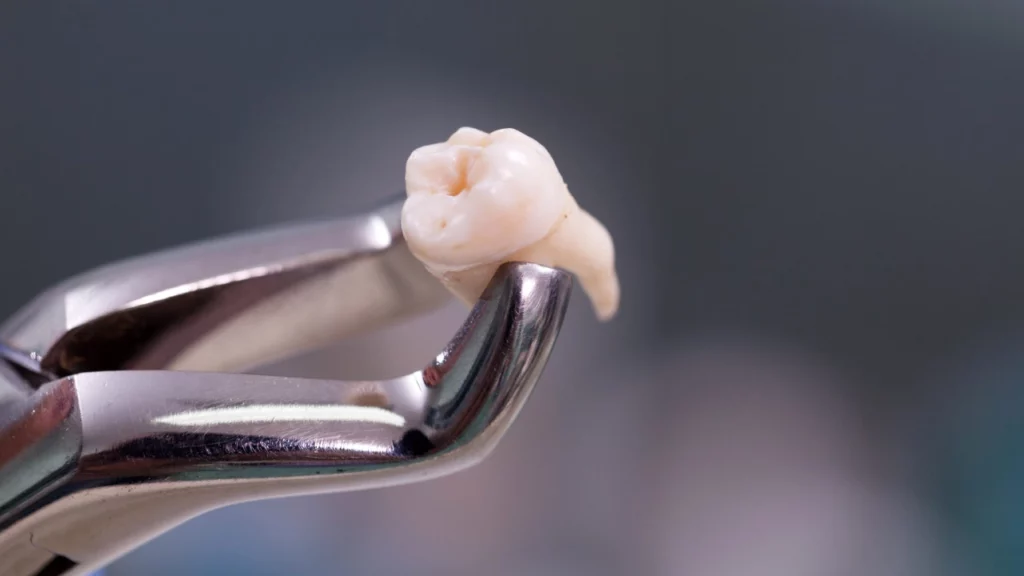
Not every wisdom tooth needs to be removed, and keeping it is not always the right decision either. Some wisdom teeth erupt normally and remain healthy for years without causing any problems, while others may lead to recurrent infections, pressure on adjacent teeth, or even hidden damage before symptoms appear. The decision to remove a wisdom tooth depends on a clinical examination and dental X-rays rather than pain alone. In this guide, you’ll learn when wisdom tooth extraction is necessary, when it is safe to keep the tooth, and how dentists determine the best treatment option.
Table of Contents
Does Every Wisdom Tooth Need to Be Removed?
The simple answer is no.
Many people believe that every wisdom tooth must be extracted as soon as it appears. However, this is a common misconception. In many cases, wisdom teeth erupt correctly, function normally during chewing, and never create any dental problems.
The decision depends on several important factors, including:
- The position of the wisdom tooth.
- Available space in the jaw.
- The health of the surrounding gums and bone.
- Whether the tooth can be cleaned properly.
- Its effect on neighboring teeth.
If the wisdom tooth is healthy, fully erupted, easy to clean, and causes no symptoms, your dentist may simply recommend regular monitoring instead of extraction.
However, if X-rays reveal existing problems or a high risk of future complications, removing the tooth may be the safest long-term solution.
When Is Wisdom Tooth Extraction Necessary?
There are several situations in which wisdom tooth removal becomes the most appropriate treatment. This decision is always based on a clinical examination and dental imaging.
Recurrent Infection Around the Wisdom Tooth
One of the most common reasons for extraction is repeated inflammation of the gum surrounding a partially erupted wisdom tooth.
When only part of the tooth emerges, food particles and bacteria can easily become trapped beneath the gum tissue, leading to repeated infections.
Symptoms often include:
- Pain while chewing.
- Swollen gums.
- Difficulty opening the mouth.
- Persistent bad breath.
- Occasionally, pus discharge.
If these infections continue to return despite treatment, extraction is usually recommended to eliminate the underlying cause.
Angled or Tilted Wisdom Tooth
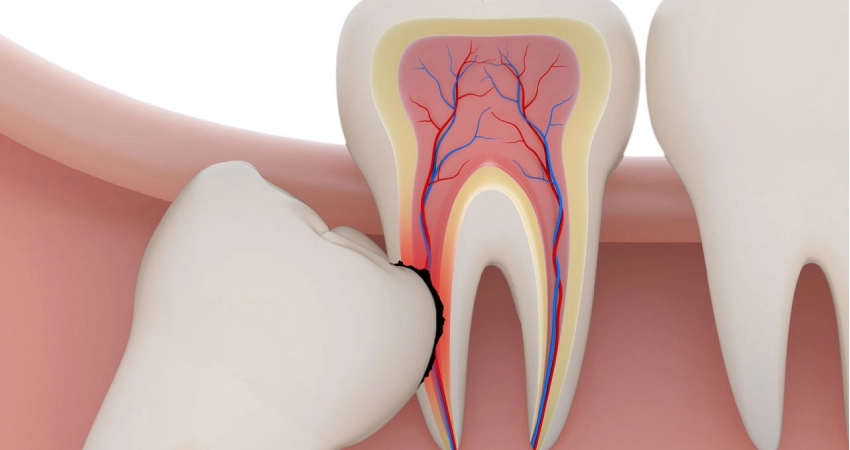
A wisdom tooth may grow at an abnormal angle because there is not enough room in the jaw.
As it continues to erupt, it can push against the neighboring molar, potentially causing:
- Damage to adjacent tooth roots.
- Crowding of nearby teeth.
- Difficulty cleaning the area.
- Increased risk of tooth decay.
For this reason, dentists often recommend early removal before permanent damage occurs.
Impacted Wisdom Tooth
Sometimes a wisdom tooth remains partially or completely trapped beneath the gum or jawbone.
Although an impacted tooth may remain symptom-free for years, it can also lead to serious complications, including:
- Persistent pain.
- Pressure on nearby nerves.
- Recurrent infections.
- Formation of cysts.
- Damage to adjacent teeth.
Regular X-ray examinations help dentists monitor impacted wisdom teeth and determine whether extraction or continued observation is the better option.
Tooth Decay in the Wisdom Tooth or the Adjacent Tooth
Tooth decay is one of the most common problems affecting wisdom teeth, particularly because their position at the back of the mouth often makes them difficult to clean effectively.
As plaque and food debris accumulate, cavities may develop not only in the wisdom tooth itself but also in the neighboring molar. If left untreated, the decay can spread, sometimes requiring root canal treatment or even extraction of the adjacent tooth.
When a wisdom tooth is severely decayed, difficult to restore, or threatens the health of nearby teeth, extraction is usually considered the most appropriate treatment.
Cyst Formation Around the Wisdom Tooth
An impacted wisdom tooth may sometimes develop a fluid-filled cyst around its crown.
Although these cysts may remain symptom-free in the early stages, they can gradually damage the jawbone or nearby teeth if left untreated.
Most cysts are discovered during routine dental X-rays. When one is detected, dentists often recommend removing both the cyst and the wisdom tooth to prevent further complications and avoid more extensive surgery later.
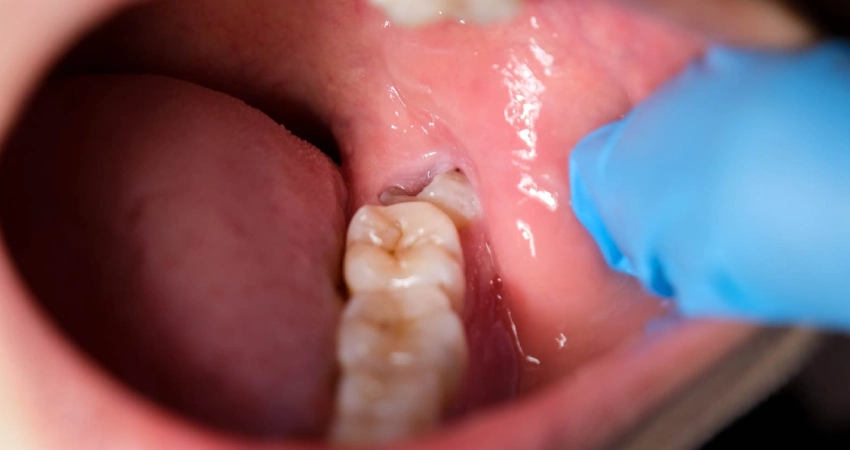
Its Effect on Orthodontic Treatment
Wisdom teeth may occasionally interfere with orthodontic treatment, especially when they are impacted or erupt at an abnormal angle.
While current research suggests that wisdom teeth are not always responsible for crowding of the front teeth, orthodontists may still recommend extraction if the tooth interferes with tooth movement or compromises the overall treatment plan.
What Are the Signs That a Wisdom Tooth Needs to Be Removed?
Several warning signs indicate that a wisdom tooth should be evaluated by a dentist, including:
- Recurrent pain at the back of the jaw.
- Swollen or inflamed gums.
- Difficulty chewing or opening the mouth.
- Persistent bad taste or bad breath.
- Swelling of the jaw or face.
- Repeated decay affecting the wisdom tooth or adjacent tooth.
- Abnormal findings on dental X-rays.
These symptoms do not always mean extraction is necessary, but they do require professional evaluation to prevent more serious complications.
What Happens If You Delay Wisdom Tooth Extraction?
Delaying extraction when it is genuinely needed can increase the risk of complications and make future treatment more complex.
Potential consequences include:
- Recurrent infections.
- Progressive tooth decay.
- Damage to neighboring tooth roots.
- Development of jaw cysts.
- A more difficult surgical procedure due to fully developed roots and denser bone in older patients.
Early diagnosis and timely treatment can significantly reduce these risks and help maintain long-term oral health.
How Does a Dentist Determine Whether a Wisdom Tooth Should Be Removed?
The decision to remove a wisdom tooth is based on a comprehensive evaluation rather than pain alone. A dentist begins with a clinical examination to assess the condition of the gums, the position of the tooth, and any signs of infection or decay. Dental imaging, such as panoramic X-rays or, in some cases, 3D scans, is then used to evaluate the tooth’s position and its relationship to nearby teeth and nerves.
The dentist considers several important factors, including:
- The direction of tooth eruption.
- Whether the tooth has fully erupted.
- The presence of infection or decay.
- Its effect on neighboring teeth.
- Any cysts or bone changes.
- The proximity of the roots to the inferior alveolar nerve.
- The patient’s age and overall health.
Based on these findings, the dentist determines whether extraction is the best option or whether regular monitoring is sufficient.
Is It Better to Remove a Wisdom Tooth at a Younger Age?
In many situations, wisdom tooth extraction is technically easier in younger patients because the roots are not yet fully developed and the jawbone is generally less dense. These factors often contribute to a smoother procedure and faster healing.
However, this does not mean that every young adult should have their wisdom teeth removed as a preventive measure.
If a wisdom tooth is healthy, fully erupted, properly positioned, and causes no symptoms, regular observation may be all that is required.
Ultimately, the ideal timing for extraction depends on the individual’s clinical condition rather than age alone.
How Can Dr. Amir Ghiyath Al-Zahrawi Help You Decide Whether Your Wisdom Tooth Should Be Removed?
Deciding whether a wisdom tooth should be extracted can sometimes be challenging, particularly when no pain is present. Accurate diagnosis is essential to avoid unnecessary surgery while ensuring that existing problems are treated before complications arise.
Dr. Amir Ghiyath Al-Zahrawi provides a comprehensive assessment using clinical examination and advanced dental imaging to evaluate the condition of your wisdom teeth. Every treatment option is carefully explained, allowing patients to make informed decisions based on their specific needs.
Whether you are experiencing wisdom tooth pain, recurrent infections, or have an impacted tooth discovered on an X-ray, an early consultation can help protect your oral health and prevent future complications.