Teeth can appear shorter than usual for several reasons. Some people naturally have smaller teeth, while others may experience gradual tooth wear over time. In some cases, the teeth are actually normal in size, but excess gum tissue covers part of the visible tooth surface, creating the appearance of short teeth.
For this reason, short teeth treatment is not the same for everyone. The right approach depends on the underlying cause, the condition of the teeth and gums, and the patient’s bite. Treatment may involve gum contouring, cosmetic bonding, veneers, or, when there is a restorative need, dental crowns. The goal is to create better proportions while preserving as much healthy natural tooth structure as possible.
Table of Contents
What Causes Teeth to Look Short?
Short-looking teeth do not always mean that the teeth themselves are unusually small. Their appearance can be influenced by natural tooth dimensions, changes caused by wear, or the position and shape of the surrounding gum tissue.
Naturally Small Teeth
Tooth size and shape naturally vary from person to person. Some people have teeth that are smaller or shorter because of anatomical or inherited characteristics. This may affect a single tooth or several teeth and is often more noticeable in the front of the mouth.
Naturally small teeth do not necessarily require treatment when they are healthy and do not cause functional or aesthetic concerns. However, when their proportions affect the overall balance of the smile, cosmetic or restorative options may be considered to modify their shape and dimensions.
Tooth Wear and Gum Display
Teeth can gradually become shorter when their edges wear down and part of the tooth structure is lost. This may be associated with teeth grinding, repeated friction, or certain forms of acid-related dental erosion.
In other cases, the tooth itself may have a normal length, but a larger portion of its surface is covered by gum tissue. This can make the visible crown look shorter, particularly when smiling.
Distinguishing between a tooth that is genuinely short and one that only appears short because of the gum line is important, as each situation may require a different treatment approach.

When Do Short Teeth Need Treatment?
Not every case of short teeth requires dental treatment. If the teeth are healthy, function normally, and their appearance does not concern the patient, treatment may not be necessary.
Treatment may be considered when there is noticeable tooth wear or loss of tooth structure, uneven lengths among the front teeth, excessive gum coverage, or tooth proportions that affect the overall appearance of the smile.
In some cases, treatment is needed for restorative or functional reasons rather than aesthetics alone. This is particularly relevant when teeth have become shorter because of significant wear or structural damage.
Identifying the cause first is essential, as teeth lengthening can involve very different procedures depending on the condition of the teeth and gums.
What Are the Treatment Options for Short Teeth?
The most appropriate short teeth treatment depends on why the teeth appear short, how much change is needed, and the condition of the teeth, gums, and bite. Some patients may benefit from a relatively conservative procedure, while others may require a combination of treatments.
Gum Contouring and Crown Lengthening
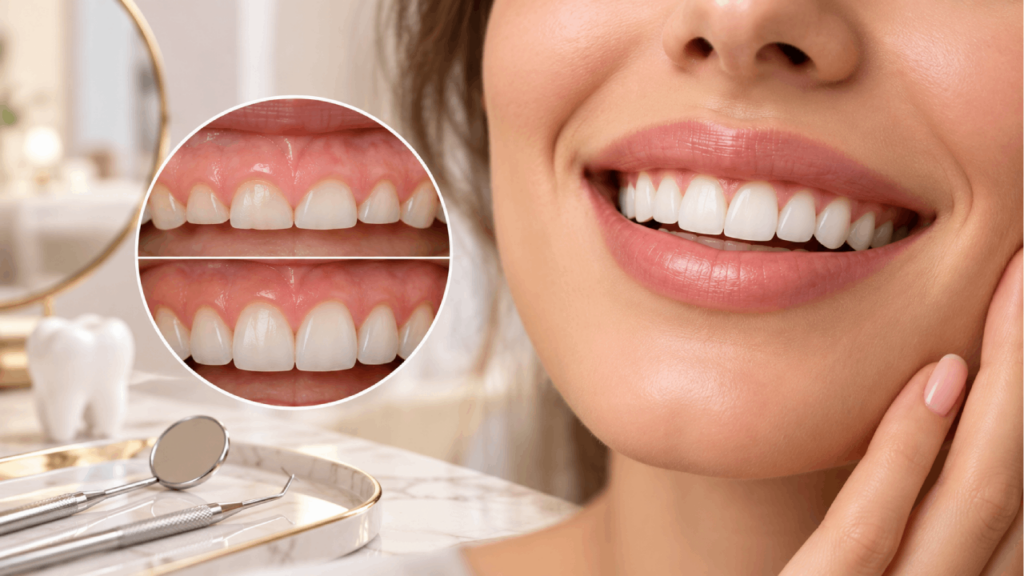
When excess gum tissue covers part of the tooth surface, reshaping the gum line may be considered to expose more of the visible tooth crown.
This can improve the proportion between the teeth and gums and make the teeth appear longer. In some situations, treatment may involve only the gum tissue, while other cases require a more detailed assessment of the tissues supporting the teeth before the appropriate procedure can be selected.
Gum contouring is not suitable for every patient with short-looking teeth. The dentist must first determine whether the gum position is actually contributing to the appearance of shorter teeth.
Veneers and Cosmetic Bonding
Cosmetic restorations can sometimes be used to modify the length, shape, and proportions of teeth.
One option is composite bonding, in which tooth-colored restorative material is carefully added to selected areas of the tooth to improve its dimensions when clinically appropriate.
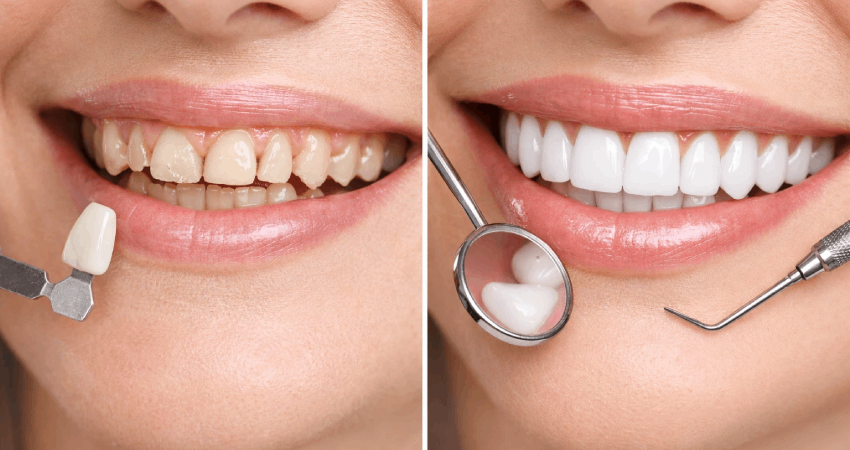
Dental veneers may also be considered when a patient wants to modify several aesthetic characteristics at the same time, such as tooth length, shape, proportions, or color.
The choice between bonding, veneers, and other restorative options depends on factors such as the amount of healthy enamel available, the condition of the teeth, the patient’s bite, and the extent of the desired change. Veneers should therefore not automatically be considered the best option for every patient with short teeth.
Dental Crowns When Restorative Treatment Is Needed
Dental crowns may be appropriate when a tooth has lost a significant amount of structure, contains extensive existing restorations, or needs to be rebuilt for restorative reasons.
A crown can restore the shape and dimensions of a damaged tooth. However, crowns generally require more tooth preparation than conservative cosmetic procedures.
For this reason, placing a crown solely to make an otherwise healthy tooth appear longer may not always be the preferred approach. Treatment planning should aim to address the problem while preserving healthy natural tooth structure whenever possible.
How Does a Dentist Choose the Right Teeth Lengthening Treatment?
Choosing the right treatment involves more than simply measuring how long the teeth appear.
The dentist evaluates the size and proportions of the teeth, the amount of healthy enamel and remaining tooth structure, the position and health of the gums, and the way the upper and lower teeth come together.
Other factors may include signs of grinding or tooth wear, how much tooth and gum tissue is visible when smiling, and how the teeth relate to the lips and surrounding facial features.
If the gum line is responsible for the short appearance, gum reshaping may be considered. If the issue involves the size or shape of the teeth themselves, cosmetic restorations may be more appropriate. Teeth affected by significant wear or structural loss may require a different restorative approach.
Some patients may benefit from combining more than one procedure to achieve balanced proportions rather than relying on a single treatment.
Can Teeth Lengthening Improve the Appearance of Your Smile?
Improving tooth length and proportions can enhance the overall balance of the smile when short teeth are one of the factors affecting its appearance.
A balanced smile, however, is not determined by tooth length alone. Dentists also consider the relationship between tooth width and length, the proportions of neighboring teeth, the gum line, and how the teeth appear in relation to the lips when smiling.
The purpose of teeth lengthening is therefore not simply to make the teeth as long as possible. Instead, treatment aims to create proportions that work naturally with the gums, lips, neighboring teeth, and overall smile.
The achievable result varies from one patient to another depending on the underlying condition and the treatment selected.
Enhance Your Smile with Dr. Abeer Zandaqi
Successful short teeth treatment starts by understanding why the teeth appear short. Some patients may only need subtle tooth reshaping or cosmetic restoration, while others may benefit from gum contouring or a treatment plan that combines multiple procedures.
Dr. Abeer Zandaqi evaluates the condition of the teeth and gums, bite, and overall smile proportions before recommending an appropriate treatment approach. Particular attention is given to preserving healthy natural tooth structure whenever possible while creating a balanced and natural-looking result.
Book an appointment to have your teeth evaluated and discuss the most suitable teeth lengthening and smile enhancement options for your individual needs.