Getting your braces removed is an exciting milestone, but it does not necessarily mean your orthodontic treatment is completely finished. Once your teeth have moved into their new positions, they need time to stabilize. This is where a retainer after braces becomes an important part of maintaining your results.
Depending on your orthodontic needs, your orthodontist may recommend a fixed, removable, or clear retainer. How long and how often you need to wear it will depend on your individual case and how stable your teeth are after treatment.
Table of Contents
What Is a Retainer After Braces?
A dental retainer is an orthodontic appliance used after active tooth movement has been completed. Its main purpose is to help keep the teeth in their corrected positions while the surrounding bone and tissues adapt.
Unlike braces, which are designed to actively move teeth, retainers primarily help maintain the alignment achieved during orthodontic treatment.
For this reason, wearing a retainer is considered an important stage of orthodontic care rather than an optional step after braces.
Why Do You Need a Retainer After Braces?
Orthodontic treatment gradually moves teeth through the surrounding bone. During this process, the bone, periodontal ligaments, and other supporting tissues undergo changes that allow the teeth to reach their new positions.
After the braces are removed, these tissues need time to reorganize and stabilize. During this period, the teeth may be more likely to shift.
An orthodontic retainer helps support the teeth while this stabilization takes place and reduces the risk of unwanted movement after treatment.
Can Teeth Move After Braces?
Yes. Teeth can shift to varying degrees after braces are removed. When teeth move back toward their previous positions, this is known as orthodontic relapse.
The risk of movement may increase when retainers are not worn according to the orthodontist’s instructions. However, minor changes in tooth position do not necessarily mean that orthodontic treatment has failed, as teeth can naturally change position over time.
This is why the retention phase is an essential part of protecting the results achieved with braces.
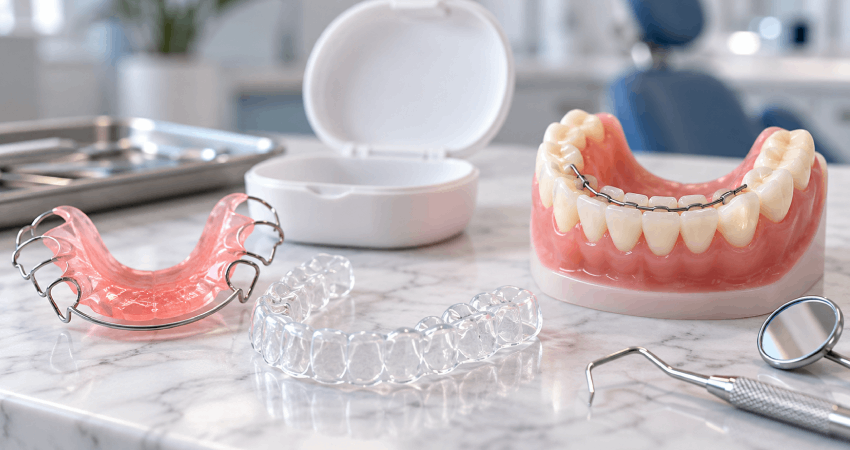
What Are the Different Types of Retainers?
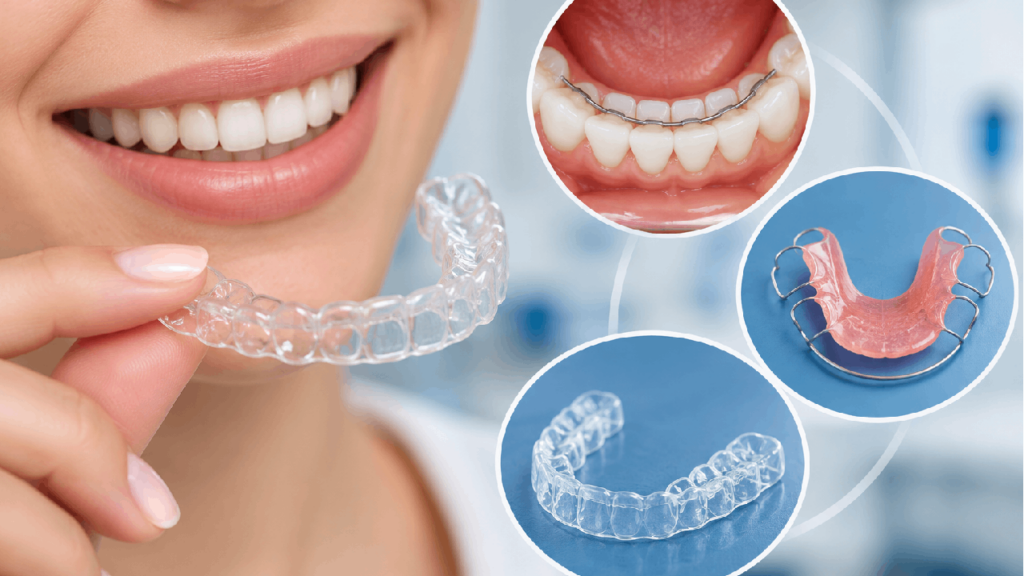
There are several types of dental retainers, and the most appropriate option depends on your orthodontic treatment, tooth position, bite, and long-term retention needs.
Fixed Retainer
A fixed or permanent retainer usually consists of a thin wire bonded to the back surfaces of certain teeth. Because it sits behind the teeth, it is generally not noticeable when smiling or speaking.
One advantage of a fixed retainer is that you do not have to remember to put it in every day. However, careful oral hygiene is particularly important because plaque and food debris can accumulate around the wire.
If any part of the retainer becomes loose or separates from a tooth, it should be checked by your orthodontist.
Removable Retainer
A removable retainer can be taken out and reinserted according to the wearing schedule recommended by your orthodontist.
Because it is removable, its effectiveness depends heavily on patient compliance. Wearing it less frequently than recommended may allow the teeth to gradually shift.
When the retainer is not being worn, it should be kept in its protective case to reduce the risk of loss or damage.
Clear Retainer
A clear retainer after braces is typically made as a thin, transparent tray that closely fits over the teeth. Its discreet appearance makes it a popular option for patients who prefer a less visible retainer.
Clear retainers require appropriate cleaning and storage. They should also be kept away from excessive heat, which may distort the material and affect how well the retainer fits.
Fixed vs Removable Retainers: What Is the Difference?
The main difference between fixed and removable retainers is how they are worn and maintained.
A fixed retainer remains attached to the teeth at all times, so patients do not need to remember to wear it. However, cleaning around the bonded wire requires extra attention, and the retainer should be monitored for loose or damaged areas.
A removable retainer can be taken out as directed, making routine brushing and cleaning easier. On the other hand, patients must consistently follow their prescribed wearing schedule and take care not to lose or damage the appliance.
Neither option is universally better for every patient. The choice between a fixed vs removable retainer depends on factors such as the original orthodontic problem, the amount of tooth movement achieved, bite stability, and the orthodontist’s treatment plan.
How Long Should You Wear a Retainer After Braces?
There is no single retainer-wearing duration that applies to every patient.
Some people may initially need to wear their removable retainer for much of the day before gradually transitioning to nighttime wear. Other patients may require a different or longer-term retention plan.
Several factors can influence how long to wear a retainer after braces, including the type and extent of tooth movement, the original orthodontic condition, age, bite stability, and how the teeth respond after active treatment.
For this reason, you should follow the retention schedule provided by your orthodontist rather than stopping simply because your teeth appear stable.
How Many Hours a Day Should You Wear a Removable Retainer?
The number of hours depends on your stage of treatment and your orthodontist’s instructions.
In some cases, patients may be advised to wear their removable retainer for most of the day during the initial retention period before gradually transitioning to nighttime wear.
You should not reduce your wearing time or change your schedule without discussing it with your orthodontist, even if your teeth appear to remain in place.
Do You Need to Wear a Retainer for Life?
Teeth can naturally change position throughout life, even in people who have never had orthodontic treatment. For this reason, some orthodontists may recommend long-term nighttime retainer wear to help preserve alignment.
This does not mean that every patient will follow exactly the same retention schedule. The duration and frequency of retainer use should be individualized according to tooth stability and your orthodontist’s assessment.
How to Care for Your Retainer
Proper retainer care helps keep the appliance clean, functional, and in good condition.
Removable retainers should be cleaned according to your orthodontist’s instructions and stored in their protective case whenever they are not being worn. Avoid wrapping your retainer in a tissue or leaving it unprotected, as this makes it easier to accidentally throw away or damage.
Clear retainers should not be exposed to very hot water or other sources of excessive heat because this can distort their shape.
If you have a fixed retainer, pay particular attention to brushing and cleaning around the bonded wire to reduce plaque and food buildup.
If your retainer becomes damaged, avoid attempting to bend, adjust, or repair it yourself. Contact your orthodontist so that the appliance and your tooth positions can be properly assessed.
When Should You See Your Orthodontist About Your Retainer?
Contact your orthodontist if your retainer breaks, your removable retainer is lost, or part of a fixed retainer becomes detached from a tooth.
You should also arrange an assessment if the retainer suddenly feels unusually tight, no longer fits properly, or you notice a visible change in the position of your teeth.
It is best not to delay seeking advice when a retainer is lost or no longer fits correctly. Teeth may begin to shift during periods without adequate retention, and early evaluation can help determine whether the retainer simply needs to be replaced or whether another orthodontic approach is necessary.
Maintain Your Orthodontic Results with Dr. Amir Zahrawi
Retention is an important part of orthodontic treatment. Achieving well-aligned teeth is only one stage of the process; maintaining their position after braces are removed is equally important for preserving your treatment results.
The appropriate type of retainer and how long it should be worn depend on your individual orthodontic needs. Regular follow-up appointments can help monitor tooth stability, check the condition of your retainer, and identify unwanted movement early.
If you have recently completed orthodontic treatment or are experiencing a problem with your retainer after braces, you can schedule an appointment with Dr. Amir Zahrawi’s clinic to have your teeth and retainer evaluated and receive a personalized retention plan designed to help maintain your orthodontic results.