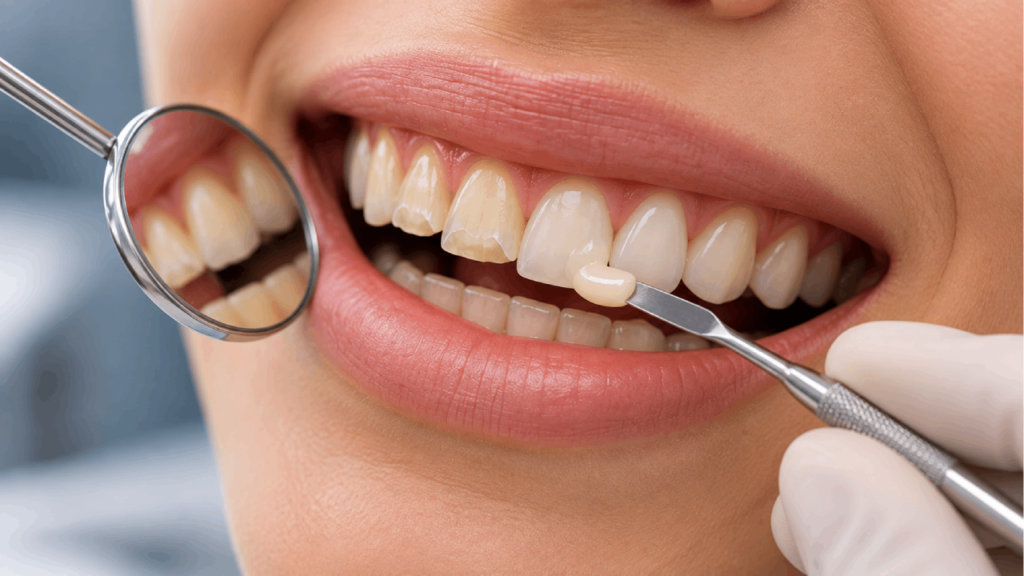
Tooth wear can gradually change the shape, length, and appearance of the teeth. As more tooth structure is lost, the teeth may also become increasingly sensitive, develop weakened edges, or function differently when biting and chewing.
The appropriate approach to worn teeth restoration depends on what caused the wear, how advanced it is, and how much healthy tooth structure remains. Treatment therefore usually begins by identifying and controlling the underlying cause before selecting the most suitable way to rebuild the affected teeth and restore their function and appearance.
Table of Contents
What Is Tooth Wear and What Causes It?
Tooth wear is the gradual loss of tooth structure caused by chemical, mechanical, or friction-related factors. It may develop slowly over many years, which means some patients do not notice the problem until their teeth appear shorter, become sensitive, or show visible changes in shape.
Common factors associated with tooth wear include:
- Frequent exposure to acidic foods and drinks.
- Repeated exposure of the teeth to stomach acid in certain conditions.
- Teeth grinding or clenching.
- Repeated mechanical friction.
- Habits that place excessive pressure on the teeth.
- A combination of several contributing factors.
Identifying the underlying cause is an important part of tooth wear treatment. Rebuilding damaged teeth without addressing what caused the wear may allow the process to continue and could eventually affect the restorations.
Enamel Wear
Enamel is the hard outer layer that protects the underlying structures of the tooth. As enamel becomes progressively thinner, the dentin underneath may become more exposed.
In the earliest stages, when minerals have been lost but the tooth surface itself has not been significantly damaged, measures that support remineralization may help strengthen the enamel.
However, enamel that has been physically lost cannot simply grow back. When enough tooth structure has been lost to affect appearance, sensitivity, or function, restorative dental treatment may be considered to replace the missing structure.
What Are the Signs of Worn Teeth?
The appearance and symptoms of worn teeth vary depending on the cause and severity of the condition. Early changes may be subtle, while more advanced wear can noticeably alter the teeth.
Possible signs include:
- Changes in tooth shape or edges.
- Teeth appearing shorter than they previously did.
- Increased sensitivity to hot or cold foods and drinks.
- A more yellow appearance as enamel becomes thinner and dentin becomes more visible.
- Smooth or rounded tooth surfaces.
- Chipping or weakening of the tooth edges.
- Changes in the way the upper and lower teeth meet.
These signs alone cannot determine the exact cause of tooth wear. A dental examination is needed to assess the pattern and severity of the damage and identify possible contributing factors.
How Are Worn Teeth Treated?
Treatment does not always begin with fillings, veneers, or crowns. In many cases, managing worn teeth involves two connected steps: controlling the cause and repairing the existing damage.
The first step is to determine why the teeth are wearing down. If frequent acid exposure is contributing to the problem, certain dietary habits may need to be adjusted. If grinding or clenching is involved, measures may be recommended to reduce excessive pressure on the teeth.
When stomach acid is suspected to be contributing to enamel erosion, appropriate medical assessment may also be necessary.
Once the underlying factors have been addressed, the dentist can evaluate how much tooth structure has been lost. Mild cases may only require monitoring and preventive measures, while moderate or advanced wear may require restorative treatment to replace missing tooth structure.
Worn Teeth Restoration Options
There is no single treatment that is appropriate for every case of tooth wear. The goal of worn teeth restoration is generally to preserve as much healthy natural tooth structure as possible while rebuilding damaged areas and restoring proper shape and function.
The choice between composite restorations, veneers, crowns, or a more comprehensive dental reconstruction depends on the extent of the wear, its location, the number of teeth involved, and the patient’s bite.
Composite Restorations and Veneers
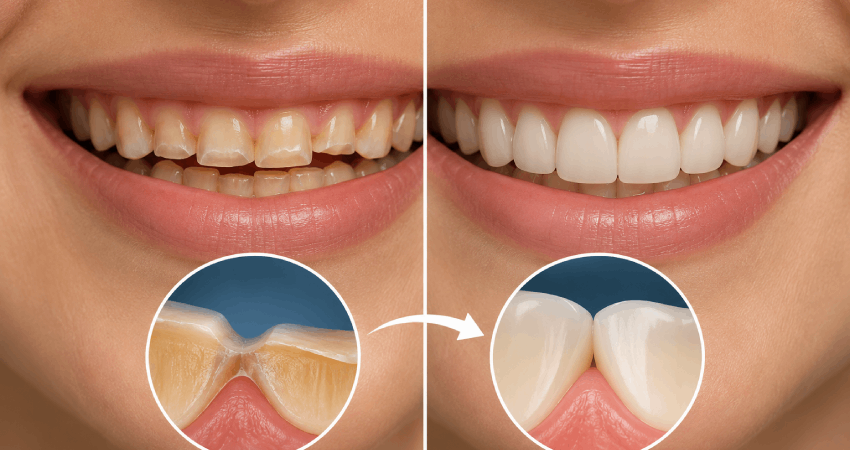
Direct composite restorations can be used in selected cases to rebuild areas of tooth structure that have been lost through wear. Composite material may help restore tooth length, reshape worn edges, and improve the overall form of the affected teeth while allowing for a relatively conservative approach.
This option may be suitable for certain mild to moderate cases, depending on how much tooth structure remains and the forces placed on the teeth.
Dental veneers may also be considered in selected cases where wear has affected the front surfaces and appearance of the anterior teeth.
However, veneers are not automatically suitable for every patient with enamel wear. The amount of remaining enamel, the severity of the wear, the patient’s bite, and the forces acting on the teeth must all be evaluated before deciding whether veneers are appropriate.
Crowns and Rebuilding Worn Teeth
When a tooth has lost a greater amount of its structure, a more extensive restoration may sometimes be necessary. Dental crowns can be considered when a tooth requires additional coverage and support to restore its structure and function.
Patients with extensive wear affecting several teeth may require a broader dental reconstruction plan. In these situations, treatment involves more than evaluating each tooth individually. The dentist may also assess how the upper and lower teeth meet, the available space for restorations, and the overall bite.
Extensive tooth wear does not necessarily mean that every affected tooth requires a crown. Depending on the condition of individual teeth, different restorative techniques may be combined as part of the same treatment plan.
How Does a Dentist Choose the Right Restoration?
Choosing the appropriate restoration requires a comprehensive assessment because the visible amount of tooth wear is only one part of the treatment decision.
Factors that may influence the treatment plan include:
- The severity of tooth structure loss.
- The underlying cause of the wear.
- The number of affected teeth.
- The amount of healthy enamel and tooth structure remaining.
- The presence of sensitivity, cracks, or weakened areas.
- The condition of the gums and surrounding teeth.
- The patient’s bite and tooth contacts.
- Grinding or clenching habits.
- Functional and aesthetic treatment goals.
Depending on the case, the dentist may also evaluate the bite and use dental X-rays or other diagnostic methods before developing the final treatment plan.
Whenever possible, the aim is to select a treatment that restores the affected teeth while preserving healthy natural tooth structure rather than using a more extensive restoration than the condition requires.
How to Protect Your Teeth After Restoration
Long-term care is an important part of maintaining restored teeth. Managing the factor that originally caused the wear is particularly important because untreated causes may continue to affect both the natural teeth and the restorations.
Good oral hygiene should be maintained, along with brushing techniques and dental products recommended by the dentist. Frequent exposure to acidic foods and drinks should also be reduced when it contributes to enamel erosion.
Habits that create unnecessary pressure or friction on the teeth should be avoided. For patients who grind or clench their teeth, a dentist may recommend a night guard to help protect both the natural teeth and restorations from excessive forces.
Regular dental examinations allow the condition of the teeth and restorations to be monitored over time. Persistent sensitivity, fractures, or noticeable changes in a restoration should be evaluated rather than ignored.
Restore Worn Teeth with Dr. Abeer Zandaqi
Effective treatment for worn teeth begins with understanding why tooth structure has been lost and determining how extensive the damage has become. Some patients may benefit from conservative restorations, while others may require a more comprehensive approach to rebuild the teeth and restore their function.
Dr. Abeer Zandaqi evaluates the condition of the teeth, the pattern and possible causes of wear, and the amount of healthy structure remaining before recommending an appropriate restorative treatment plan.
If your teeth have become shorter, changed in shape, or developed increased sensitivity, you can schedule a dental assessment with Dr. Abeer Zandaqi to determine the most suitable approach for restoring and protecting your teeth.