Table of Contents
What Are the Reasons for Orthodontic Treatment Failure?
Can orthodontic treatment really fail?
Yes, orthodontic treatment can fail or fall short of the expected result, even with modern advances in braces and aligners. Failure does not always mean a serious medical problem; it can simply mean that the outcome did not reach the planned level of alignment, bite correction, or long-term stability.
Orthodontics is a complex treatment that depends on several factors:
- Accurate diagnosis of the teeth and jaws.
- A treatment plan tailored to each individual patient.
- The patient’s commitment to instructions and regular follow-up visits.
- Healthy gums and supporting bone around the teeth.
When one or more of these factors is missing, the chances of problems in the final result increase, such as:
- Some teeth remaining crooked or not ideally aligned.
- Partial relapse of crowding or spacing after braces are removed.
- Limited improvement in the bite (how the upper and lower teeth fit together).
It is important to understand from the start that the success of orthodontic treatment is not the dentist’s responsibility alone. It is a partnership between the orthodontist and the patient, and results vary from person to person depending on age, type and severity of the problem, and the body’s biological response to tooth movement.
For this reason, it is always advisable to consult a certified orthodontic specialist and discuss all questions about expectations and possible reasons for orthodontic treatment failure before starting the treatment plan.
What Causes Orthodontic Treatment to Fail?
Orthodontic treatment failure rarely comes down to a single, obvious mistake. More often, it is the result of a combination of overlapping factors: some related to diagnosis and treatment planning, some to patient behavior, and others to the condition of the teeth, gums, and bone themselves. Understanding these causes helps reduce risks and improve the chances of a stable, satisfactory outcome.
Poor or Incomplete Diagnosis Before Starting Treatment
Accurate diagnosis is the foundation of any successful orthodontic plan. If the patient’s case is not thoroughly assessed from the beginning, the treatment plan may be inappropriate from the outset. This can happen in situations such as:
- Starting treatment without the necessary radiographs (such as panoramic or cephalometric X-rays) or proper study models.
- Overlooking bite problems (such as open bite, deep bite, or crossbite) and focusing only on straightening the teeth in each arch.
- Ignoring harmful oral habits such as thumb sucking or tongue thrusting, which can cause the teeth to shift back toward their original position later.
- Underestimating the relationship between the upper and lower jaws, and offering a simple orthodontic plan for a case that really needs more extensive intervention.
In these situations, the teeth may appear straighter on the surface, but the result may not be stable, and chewing or speech may not improve as much as expected. That is why it is important to see a qualified orthodontic specialist who carries out a comprehensive examination before beginning treatment.
Lack of Patient Compliance With Instructions
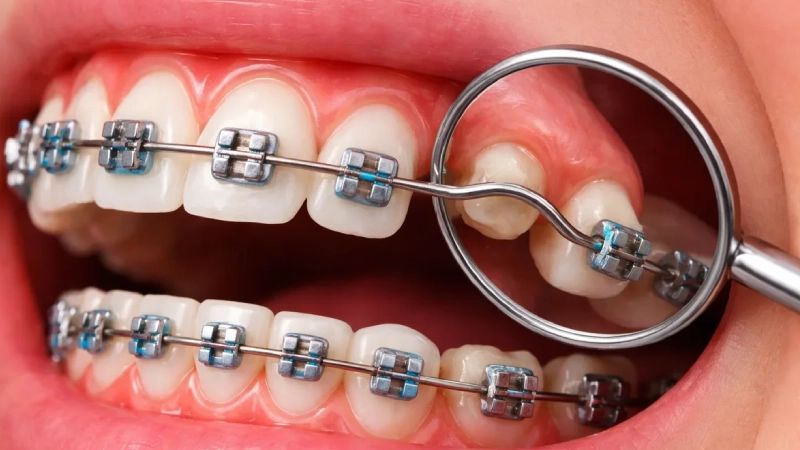
Orthodontic treatment is a shared responsibility. Day-to-day neglect of instructions is one of the most common reasons for orthodontic treatment failure or for treatment taking much longer than planned. Common forms of poor compliance include:
- Not wearing elastics (rubber bands) as prescribed in terms of hours per day and how they are attached.
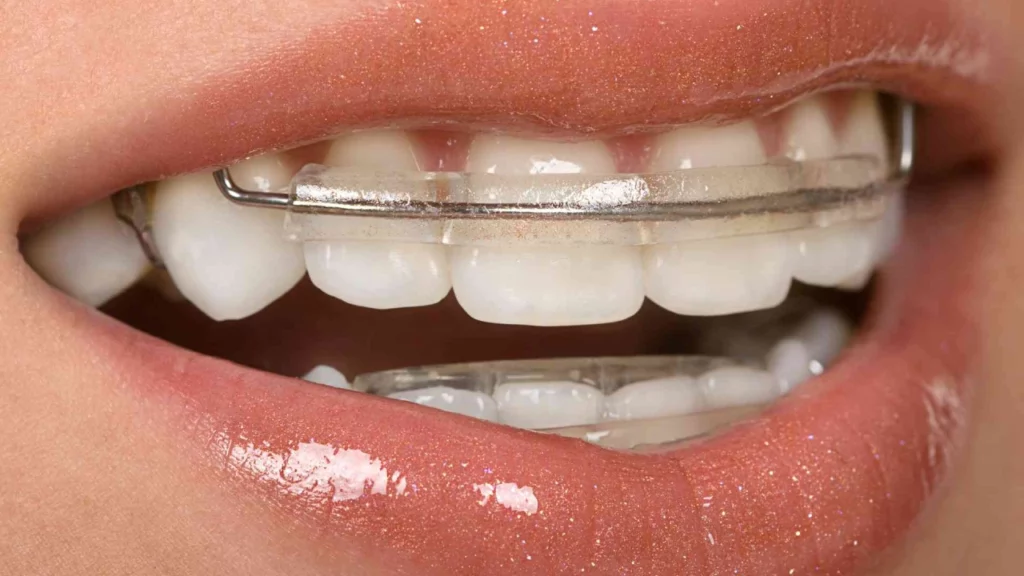
- Failing to wear retainers after braces are removed, or not wearing them for the recommended number of hours.
- Poor oral hygiene and not cleaning the teeth and orthodontic appliances properly, leading to gum inflammation, tooth decay, bad breath, and sometimes forcing the orthodontist to slow down or stop certain tooth movements.
- Not following dietary guidelines and repeatedly breaking brackets or wires by eating hard, sticky, or chewy foods.
The patient’s adherence to instructions directly affects how quickly the teeth respond to treatment and how stable the result is after the appliance is removed. Compliance varies widely between individuals, so patients should ask their orthodontist clearly about everything they need to do during and after treatment.
Broken Parts of the Orthodontic Appliance and Delayed Repair
Fixed and removable orthodontic appliances work as integrated systems. Any broken or missing part can change the direction of the forces applied to the teeth or stop them altogether. Common problems that may contribute to orthodontic treatment failure include:
- Broken or detached brackets that are not promptly re-bonded by the orthodontist.
- Broken or distorted archwires that are left in place and continue to be used for a long period.
- Losing part of a removable appliance or retainer and not having it replaced.
- Trying to repair the appliance at home or bending wires by hand, which can cause uncontrolled, undesirable tooth movements.
If you experience any breakage, unusual pain, or a change in how secure the appliance feels, it is essential to contact your orthodontic clinic as soon as possible. Waiting too long can cause the teeth to move in the wrong direction or undo some of the progress that has already been made.
Gum Disease or Problems With the Supporting Bone
Teeth move within the jawbone, so healthy gums and bone support are essential for successful orthodontic treatment. Several factors can limit results or increase the risk of treatment failure, such as:
- Chronic gum disease (gingivitis or periodontitis) that leads to loss of supporting bone around the teeth.
- Heavy buildup of tartar and plaque due to poor oral hygiene during orthodontic treatment.
- Low bone density or advanced bone loss, making large tooth movements unsafe.
- Pre-existing or developing root resorption (shortening of tooth roots) during treatment, which may require the orthodontist to slow down or stop certain movements.
In such cases, the orthodontist may postpone braces until gum health is restored, or may modify the treatment plan to be more conservative, with careful monitoring of gum and bone health. The severity of these problems varies from patient to patient, so potential risks should be discussed with the orthodontist and, when needed, a periodontist.
Cases That Require Additional Treatment or Jaw Surgery
Some deformities cannot be corrected fully with orthodontic appliances alone. They may require a combined plan between the orthodontist and an oral and maxillofacial surgeon, especially when there is a clear mismatch in the size or position of the jaws. Examples include:
- Marked protrusion of the upper or lower jaw that cannot be corrected by moving the teeth alone.
- Significant sideways deviation of the jaw that causes obvious facial asymmetry.
- Open bite or severe deep bite primarily caused by skeletal problems in the jaws.
If these cases are treated with braces only, without the recommended jaw surgery, the teeth may look straighter, but the underlying skeletal problem will remain. This can increase the risk of relapse or persistent chewing and speech difficulties. In such situations, what may appear as “orthodontic treatment failure” is actually the result of an incomplete treatment plan.
That is why it is important to consider your dentist’s recommendation for combined treatment (orthodontics plus orthognathic surgery) in complex cases, when this is the most accurate option to achieve better functional and aesthetic balance. The final decision should always be made after a detailed discussion of the potential benefits and risks for each individual case.
Does Skipping Regular Orthodontic Appointments Affect the Result?
Yes. Missing regular follow-up appointments is one of the key reasons for orthodontic treatment failure or delayed progress. Braces and aligners are not stand-alone devices that work without supervision; they require ongoing monitoring by the orthodontist to adjust forces, correct the direction of movement, and check the health of the gums and bone throughout treatment.
At each scheduled visit, the orthodontist will typically:
- Tighten or change archwires to guide tooth movement.
- Replace elastic ligatures or modules that lose effectiveness over time.
- Monitor how the teeth are moving and ensure they follow the planned path.
- Detect problems early, such as loose brackets, tooth decay, or gum inflammation.
When appointments are repeatedly postponed or missed altogether:
- Tooth movement may slow down or drift in unwanted directions.
- The risk of gum inflammation and buildup of deposits around the braces increases.
- Total treatment time may become significantly longer than the original estimate.
- In more severe cases, the orthodontist may need to re-plan part of the treatment, moving the patient closer to unsatisfactory or suboptimal results.
The frequency of visits is determined by the orthodontist based on the specific case, but they are often scheduled every 4–8 weeks. It is best to attend these appointments regularly or reschedule in advance if you cannot make it, rather than cancel altogether. Long-term stability of the result depends on both the quality of the treatment plan and the patient’s commitment to follow-up and instructions.
Can Teeth Become Crooked Again After Orthodontic Treatment?
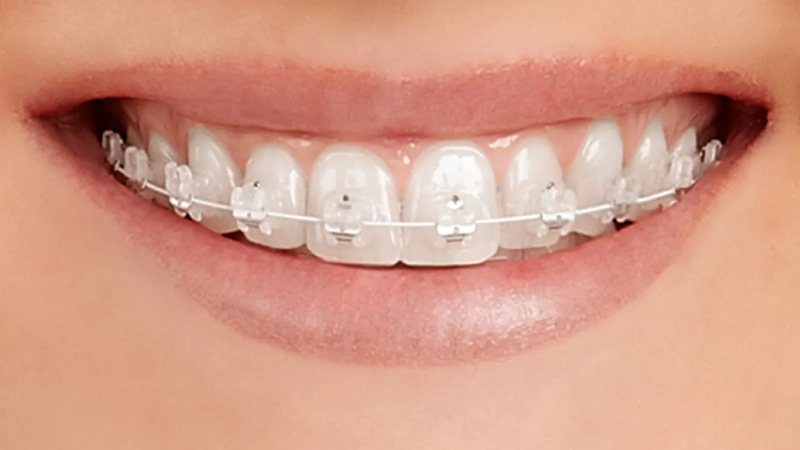
Yes, teeth can become crooked again after orthodontic treatment if retention and follow-up are not done correctly. This does not always mean that the initial orthodontic treatment failed; in many cases, relapse is the result of natural changes or behavioral factors after treatment ends.
After the braces are removed, the teeth and surrounding tissues are in a sensitive state. The tiny fibers and ligaments around the roots need time to adapt to the new positions. If retainers are not worn as recommended, the teeth may gradually drift back toward their original positions, especially in the first months following treatment.
Major reasons for relapse after orthodontic treatment include:
- Not wearing retainers for the duration and schedule advised by the orthodontist.
- Continuous pressure on the teeth from habits such as teeth grinding, lip biting, or tongue thrusting.
- Natural age-related changes; for example, the lower jaw may narrow slightly over time, affecting the alignment of the lower front teeth.
- Losing a tooth after treatment and not replacing it, which leaves a space that allows neighboring teeth to shift.
To reduce the chances of teeth becoming crooked again, it is crucial to follow the retainer instructions strictly, attend regular orthodontic check-ups after treatment, and address any harmful habits or underlying jaw problems. If you notice early changes in tooth alignment, you should visit your orthodontist as soon as possible. Early intervention is usually simpler and faster than having to repeat full orthodontic treatment.
Does Orthodontic Success Rate Differ Between Children and Adults?
Yes, the way orthodontic treatment progresses and the ease of achieving certain goals can differ between children and adults, but this does not mean that one age group cannot benefit from orthodontics. Instead, the differences relate to how the jaws and bones respond, how long treatment may take, and whether additional procedures might be needed.
In children and adolescents, the jawbones are still growing and are generally more adaptable, so:
- Teeth may move relatively faster.
- Growth modification appliances can sometimes correct jaw discrepancies (such as upper or lower jaw protrusion) before growth is complete.
- The orthodontist can intervene early and prevent some minor problems from evolving into more complex conditions.
In adults:
- The bones are denser and growth has finished, which can lengthen treatment time in some cases.
- Severe skeletal discrepancies in the jaws may require combined treatment with jaw surgery to achieve an ideal balance.
- There may be existing dental work (fillings, crowns, missing teeth), which requires careful planning and coordination with other dental specialties.
However, both adults and children can achieve excellent results when:
- The diagnosis is accurate and the treatment goals are realistic.
- The patient follows instructions, especially regarding oral hygiene, wearing elastics or aligners, and using retainers.
- Regular follow-up visits are maintained throughout treatment and retention.
The difference is not whether orthodontic treatment can succeed, but rather how it should be planned, how long it may take, and whether additional procedures are necessary. These aspects can only be determined after a thorough assessment by an orthodontic specialist.
How Can Dr. Amir Ghiyath Al-Zahrawi Help You Achieve the Best Orthodontic Results?
Choosing the right orthodontist is one of the most important steps to reduce the risk of orthodontic treatment failure. Careful planning and close follow-up are essential to achieving a result that remains stable in the long term. At the clinic of Dr. Amir Ghiyath Al-Zahrawi, emphasis is placed on combining scientific expertise, detailed assessment, and clear communication with the patient at every stage of treatment.
Dr. Amir creates an individualized treatment plan for each patient after taking the necessary images of the teeth and jaws and performing the required examinations of the gums and supporting bone. This helps identify any hidden issues that could weaken the orthodontic result or increase the risk of relapse after treatment ends.
During orthodontic treatment, Dr. Amir is committed to:
- Scheduling regular follow-up visits to adjust wires and brackets at the appropriate time.
- Monitoring gum health and alerting the patient to any early signs of inflammation.
- Ensuring that the patient understands and follows instructions on tooth brushing, oral hygiene, and wearing elastics or removable appliances when needed.
After active treatment, Dr. Amir places great importance on the retention phase, as it is one of the most critical stages where orthodontic treatment failure can occur if neglected. He selects the most suitable type of retainer for each case, explains clearly how long it should be worn and how to care for it, and schedules follow-up visits to confirm that the result remains stable and that the teeth are not shifting back.
With this comprehensive approach to diagnosis, planning, execution, and follow-up, Dr. Amir Ghiyath Al-Zahrawi helps reduce the chances of orthodontic treatment failure as much as possible and supports you in achieving a straight, healthy smile that suits your specific condition and individual needs. At the same time, he emphasizes that success always depends on close cooperation between the orthodontist and the patient.