Table of Contents
What Are Clear Aligners and How Do They Work?
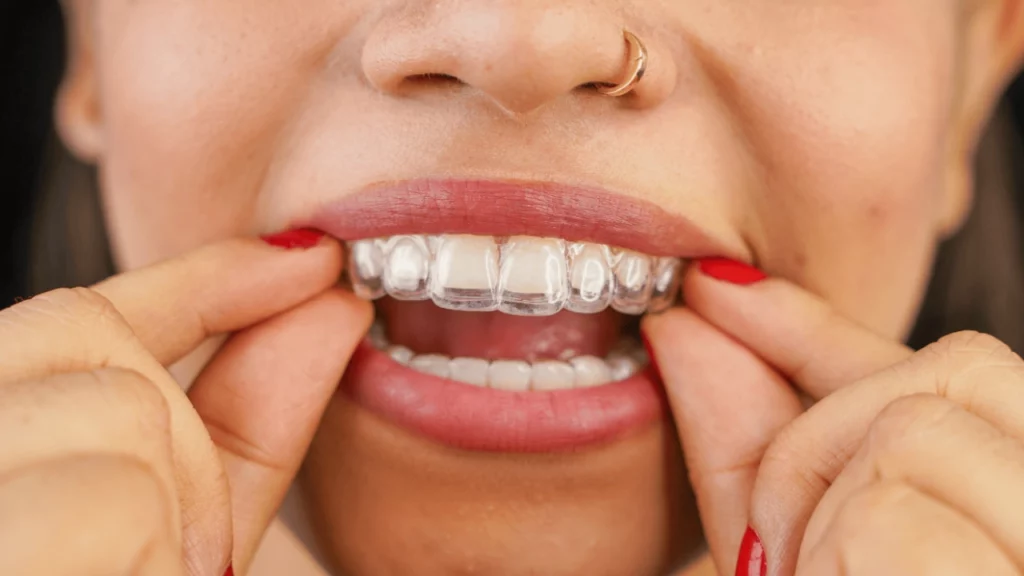
Clear aligners are a type of removable orthodontic appliance that use custom-made, transparent trays instead of traditional metal brackets and wires. Their goal is to gradually straighten teeth and improve your bite while remaining barely noticeable during treatment. This is why many adults and appearance-conscious patients prefer them in professional and social settings.
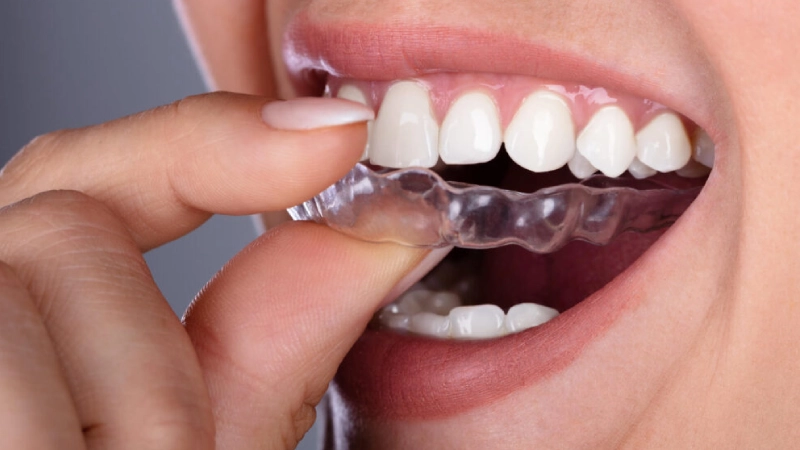
The trays are made from medical-grade, transparent plastic that is free of metal. They are designed using three-dimensional computer software after taking a digital or conventional impression of your teeth and jaws. Based on the treatment plan created by your dentist or orthodontist, a series of aligner trays is produced. Each aligner is slightly different from the one before it, so that your teeth are moved step by step toward their ideal position.
Clear aligners work by applying gentle, continuous pressure to the teeth. Most patients wear each tray for about 1–2 weeks, following the daily wear time prescribed by the dentist (often 20–22 hours per day), and then move on to the next tray in the series. This gradual progression allows controlled and safe tooth movement at each stage.
Key advantages of clear aligners include:
- They are transparent and much less noticeable than metal braces.
- They can be removed for eating and brushing, which makes oral hygiene easier.
- They are often more comfortable than metal braces because there are no wires or brackets that might irritate the gums or cheeks.
However, the success of clear aligner treatment depends heavily on how closely the patient follows the instructions for wearing and caring for the trays. Irregular wear can reduce effectiveness, prolong treatment time, and in some cases make someone a less suitable candidate for clear aligners. Progress is monitored during regular follow-up appointments so the dentist can evaluate tooth movement and adjust the plan when needed.
Who Is a Good Candidate for Clear Aligners?
A good candidate for clear aligners is usually someone with mild to moderate alignment or bite issues who can reliably follow daily instructions for wearing and caring for the trays. Suitability is not based only on how the teeth look; lifestyle, age, and the patient’s ability to follow the treatment plan all play an important role.
Clear aligners are often suitable for:
- Mild to moderate crowding of the front teeth.
- Slight protrusion or tilting of some teeth.
- Small to medium gaps between teeth.
- Mild relapse after previous orthodontic treatment.
- Adults and young adults who are concerned about appearance.
- Patients who are able and willing to wear the trays as instructed.
In these situations, clear aligners can gradually and effectively move the teeth without the need for more complex fixed appliances. More severe bite problems or major jaw discrepancies usually require traditional braces or a combined treatment approach, which is determined by an orthodontist after clinical examination and X-rays.
Closing Gaps Between Teeth
Spaces between teeth are among the issues that often respond well to clear aligners, especially when the gaps are:
- Small to medium in size.
- Mostly located between the front teeth.
- Not caused by significant skeletal problems in the jawbone.
In these cases, clear aligners can be designed to close the gaps gradually, improving the overall appearance of the smile. This can also help reduce food trapping in those spaces and, in some cases, may improve the pronunciation of certain sounds.
When gaps are very large, or result from missing teeth or major differences in tooth size, the patient may need a combined treatment plan. This might include orthodontics along with cosmetic fillings, bonding, or crowns. The exact plan depends on the individual case and is determined by the treating dentist.
Mild Relapse After Previous Braces
Mild orthodontic relapse is a common reason people seek clear aligner treatment. Some patients who completed treatment with metal braces in the past may notice over time:
- Slight crowding or rotation of some teeth returning.
- Small gaps reappearing years after braces were removed.
- Minor changes in the position of the front teeth.
For these patients, clear aligners can be a convenient way to move the teeth back into better alignment without repeating a full course of traditional braces. Treatment is often shorter than the first time they had orthodontics, but success still depends greatly on proper wear of the trays and then using a retainer once treatment is finished to help prevent another relapse.
Adults Who Care About Appearance
Adults and young adults who are particularly concerned about how they look at work or in social situations are often excellent candidates for clear aligners because they are looking for:
- An effective solution that is less visible than metal braces.
- A device they can remove temporarily for important events or photos.
- A treatment approach that has minimal impact on their confidence when talking and smiling.
Clear aligners can be especially suitable for people who work in roles that require face-to-face communication, such as management, customer service, education, media, or hospitality. Even so, the medical decision always comes first. Some adults may still need traditional braces if their dental or jaw issues are more complex, regardless of their preference for a clear option.
The Importance of Patient Compliance
One of the most important criteria for being a good candidate for clear aligners is the ability to stick to the treatment plan. Because this type of orthodontic appliance is removable, its success depends directly on the patient’s daily habits. A patient is more likely to be suitable if they can:
- Wear the aligners 20–22 hours per day, as recommended.
- Remove them only for eating, drinking anything other than water, and brushing/flossing.
- Clean the aligners regularly and store them properly when not in use.
- Attend follow-up appointments on schedule and switch to the next trays as directed.
People who are very forgetful, who snack frequently throughout the day, or who find it hard to keep up with appointments may not achieve the expected result with clear aligners. This is why orthodontists evaluate not only the condition of the teeth, but also the patient’s readiness to cooperate before recommending this type of treatment.

When Are Clear Aligners Not the Best Option?
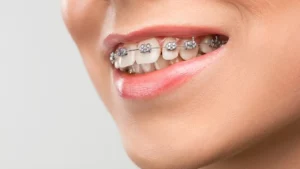
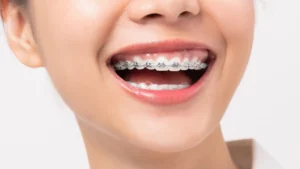
Although clear aligners are a comfortable and aesthetically pleasing solution for many patients, they are not appropriate for every situation. In some cases, traditional metal braces or other fixed orthodontic appliances are safer and more effective in achieving a stable, long-term result.
Scenarios in which clear aligners may not be the first choice include:
1. Severe Crowding or Significant Bite Problems
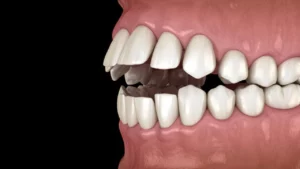
When there is severe crowding, marked protrusion of the upper or lower jaw, or a large discrepancy in how the jaws fit together (such as certain open bites, deep bites, or crossbites), the orthodontist often needs stronger forces and more precise control over tooth movement. Traditional braces tend to provide better control in these complex cases.
2. The Need for Complex Tooth Movements
Certain types of tooth movement are more difficult to achieve predictably with clear aligners, such as:
- Significant rotation of teeth.
- Extensive movement of tooth roots within the bone.
- Bringing partially erupted teeth fully into position.
For these more demanding movements, fixed braces with wires and brackets can sometimes offer greater accuracy.
3. Jaw Problems Requiring Surgical Treatment
In cases of skeletal jaw deformities that require orthognathic (jaw) surgery combined with orthodontics, the treatment plan usually relies on fixed braces. This allows continuous and precise control of tooth position before and after surgery.
4. Patients Unable to Commit to Wearing the Trays
Clear aligners require strict adherence to wearing them 20–22 hours per day. If your lifestyle, job, or daily habits make this difficult, you may not achieve the expected outcome. In that situation, fixed braces that cannot be removed may be a safer and more predictable option.
5. Untreated Oral Health Problems
Active tooth decay, advanced gum disease, or severe tooth wear need to be managed before starting any orthodontic treatment, whether clear aligners or traditional braces. In some cases of sensitive gums or when special anchorage devices are needed, the orthodontist may prefer conventional braces.
Ultimately, determining whether clear aligners are appropriate depends on a thorough clinical assessment, X-rays, and a complete examination of the teeth and jaws. An experienced orthodontist’s opinion is the most reliable guide before making a decision.
Are Clear Aligners Suitable for Children and Teenagers?
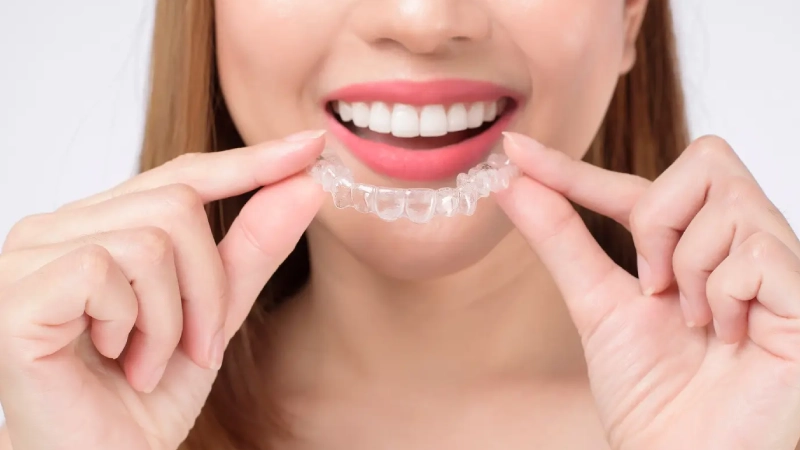
Clear aligners can be used for many children and teenagers, but they are not always the first choice, as they often are for adults. The decision depends on how severe the problem is, the stage of jaw growth, and how likely the child or teenager is to follow instructions.
Clear aligners may be suitable for:
- Teenagers whose jaw growth is mostly complete and who have most of their permanent teeth.
- Mild to moderate crowding or spacing of teeth.
- Older children and teenagers who are self-conscious about their appearance and prefer a less visible option at school or with friends.
- Children and teenagers who can reliably wear the aligners 20–22 hours per day and take care of them properly.
On the other hand, dentists may prefer traditional braces for younger children or for cases that require significant control over tooth and jaw growth, such as more severe bite problems or pronounced protrusion of the upper or lower jaw.
It is important for an orthodontist to carefully evaluate your child’s case, explain the advantages and limitations of each option, and clarify how much cooperation is required. This helps you decide whether your child is truly a good candidate for clear aligners or whether metal braces or other appliances would be more suitable for their stage of development and dental condition.
How Do Dentists Choose Between Clear Aligners and Traditional Braces?
Choosing the type of orthodontic treatment is not just a cosmetic choice; it is a medical decision based on multiple factors related to the teeth, supporting bone, and the patient’s daily habits. A person’s suitability for clear aligners or traditional braces can only be determined after a detailed clinical examination, X-rays, and an analysis of how the upper and lower teeth fit together.
Before recommending one option over the other, dentists and orthodontists usually consider:
1. Complexity of the Problem
Clear aligners are often suitable for:
- Mild to moderate crowding.
- Small to medium gaps between teeth.
- Mild relapse after previous treatment with traditional braces.
However, in cases involving:
- Jaw protrusion or more complex jaw discrepancies.
- Teeth that are severely rotated.
- The need for extensive root movement or expansion of the jaw.
Traditional braces are usually preferred because they allow more precise control of tooth movement.
2. Age of the Patient and Jaw Growth
In children and teenagers whose jaws are still growing, dentists often use traditional braces or functional orthopedic appliances to guide and influence bone growth. Clear aligners tend to be more commonly used for adults, whose jaw growth is complete and who mainly need tooth repositioning rather than jaw modification.
3. Patient Compliance
Clear aligners rely on the patient wearing them for most of the day. If the dentist feels that the patient’s lifestyle, age, or track record of following instructions makes consistent wear unlikely, fixed braces may be recommended as a more dependable solution.
4. Overall Oral Health
Before selecting the type of braces, the dentist assesses:
- Whether there are cavities or gum disease that must be treated first.
- The patient’s daily oral hygiene habits.
For some patients who struggle to clean around fixed braces, clear aligners can be an advantage since they are removed for brushing and flossing—as long as the patient is diligent about cleaning their teeth and putting the aligners back in.
5. Aesthetics and Patient Comfort
If a patient places high importance on appearance during treatment—such as those in public-facing roles or who are frequently on camera—the dentist may recommend clear aligners when the case allows. The dentist will also clarify what aligners can and cannot achieve in that particular situation, so expectations remain realistic.
6. Expected Treatment Time and Follow-Up
Some cases require very frequent adjustments and close control of individual teeth, which can make traditional braces more flexible for the orthodontist. In other situations, a series of aligners can be planned in advance, and clear aligners become a convenient and practical solution.
In the end, the choice between clear aligners and traditional braces is a shared decision between the dentist and the patient. It is made after discussing the benefits and limitations of each option, the likely treatment duration, and the expected outcome, while recognizing that every mouth is unique and requires personalized evaluation by a qualified orthodontic specialist.
How Dr. Amir Ghayyath Al-Zahrawi Helps You Choose the Right Type of Orthodontic Treatment
The dentist’s role is not limited to fitting braces; it also includes guiding you to make an informed choice that fits your dental needs and lifestyle. Dr. Amir Ghayyath Al-Zahrawi follows a clear, systematic approach before deciding whether you are a good candidate for clear aligners or whether traditional braces would serve you better.
The process begins with a detailed medical and dental history, including:
- Previous problems with the teeth or gums.
- Any prior orthodontic treatments and whether relapse occurred.
- Habits such as teeth grinding or biting the lips or nails.
This is followed by a comprehensive clinical examination, which includes:
- Assessing the degree of crowding or spacing.
- Evaluating the bite and any jaw deviations.
- Checking the health of the gums and the supporting bone.
In many cases, Dr. Al-Zahrawi will also request X-rays, photographs, and digital models of your teeth. Based on these findings, he prepares an initial treatment plan and explains clearly:
- Whether clear aligners can fully correct your case or only partially improve it.
- The approximate length of treatment, with the understanding that it can vary from person to person.
- The level of commitment required if you choose clear aligners (daily wearing time and follow-up visits).
- The benefits and limitations of each type of braces in your specific situation, not just in general.
With this information, he helps you select the safest and most effective solution, even if it is not the cosmetic option you initially had in mind. The priority is always to achieve a healthy, functional bite and a stable, attractive smile over the long term. Any final decision should be made after a direct consultation with an orthodontic specialist, so that all available options and their implications are properly understood.