What is meant by tooth root exposure?
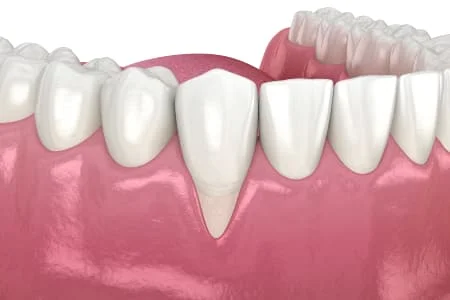
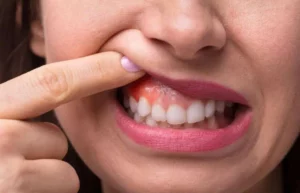
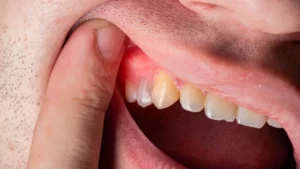
Tooth root exposure is a condition in which the gums recede from their normal position, revealing part of the tooth root that is usually covered and protected by the gums and the surrounding bone.
This often occurs as a result of gum recession caused by gingivitis, periodontal disease, or brushing the teeth too hard or with incorrect technique, which leads to the loss of the protective gum tissue around the neck of the tooth.
When the root becomes exposed, the tooth is more sensitive to cold or hot drinks and sweets, and the patient may feel sharp pain or a tingling sensation when eating or during toothbrushing.
Exposed tooth roots are also more prone to decay and wear, because the root surface is weaker than the enamel that covers the crown of the tooth.
Understanding what tooth root exposure is helps in early detection of the problem and in seeking appropriate treatment from the dentist before it progresses to more serious complications, such as tooth mobility or even tooth loss.
What causes tooth root exposure?
Gum Recession with Aging
As we age, the likelihood of root exposure increases due to natural changes affecting the gums and the jawbone that supports the teeth.
Over time, the supporting tissues around the teeth gradually weaken, and the gums may shrink and pull away from the tooth surface. This leads to gum recession and exposure of parts of the root that were previously covered.
Years of tartar (calculus) buildup and inadequate oral hygiene accelerate this process, turning mild gum recession into a noticeable problem that causes tooth sensitivity and pain when consuming hot or cold foods.
Periodontal (Gum) Disease and Inflammation
Periodontal disease and gum inflammation are among the main causes of exposed tooth roots, especially when left untreated in their early stages.
The condition typically begins as mild gingivitis caused by the accumulation of dental plaque and bacteria around the teeth, and may progress to chronic periodontitis, which can result in destruction of the bone surrounding the roots and gradual gum recession.
As the gums recede due to inflammation, the tooth roots become exposed and more vulnerable to sensitivity, root caries, and dryness. In advanced periodontal disease, the risk of tooth mobility and eventual tooth loss also increases.
Aggressive Tooth Brushing
Brushing teeth too vigorously, using a hard-bristled toothbrush, or using incorrect brushing techniques is a common cause of gum recession and root exposure.
Excessive brushing force, especially when applied in a single direction toward the gum line, gradually wears away the gum margin and causes it to pull back from the tooth neck, exposing the root surface.
Using highly abrasive toothpaste or overbrushing out of excessive concern for cleanliness can backfire, damaging the outer layer of the teeth and the gums instead of protecting them. A soft-bristled toothbrush and a gentle, circular brushing technique are therefore recommended.
Bruxism and Excessive Occlusal Forces
Grinding or clenching the teeth during sleep, or applying excessive pressure to the teeth due to stress or habitual behaviors, can indirectly contribute to root exposure.
This constant pressure affects the periodontal ligaments and the supporting bone around the teeth, potentially leading to minor tooth movement and gradual gum recession over time.
In some cases, recession appears more prominently in specific areas, especially around the front teeth or canines where the forces are concentrated. A portion of the root then becomes visible, and the patient experiences sensitivity and pain when touching the area or consuming cold foods.
Smoking and Other Factors Affecting Gum Health
Smoking is a major factor that compromises gum health and increases the risk of exposed roots.
Chemicals in tobacco products have a negative impact on blood circulation within the gums, reducing the supply of oxygen and nutrients they receive. This makes the gums more susceptible to inflammation and recession.
Smoking also impairs the gums’ ability to heal and regenerate, so even mild inflammation can worsen and develop into noticeable gum recession and subsequent root exposure.
In addition to smoking, poor nutrition, chronic conditions such as diabetes, and immune deficiencies can all adversely affect gum health and increase the risk of gingival recession and root exposure.
Orthodontic Treatment and Tooth Movement in Certain Cases
In some orthodontic cases or when teeth are moved therapeutically, mild gum recession may occur, leading to partial exposure of the roots—particularly if the movement is too rapid or not carefully planned.
When teeth are pushed beyond the boundaries of the supporting bone, the thickness of the bone and gum tissue in that area decreases, making the roots more prone to exposure.
Orthodontists generally strive to prevent such complications through thorough planning and regular follow-up. However, if gum recession is noticed during or after orthodontic treatment, a dentist should be consulted to assess the condition and take appropriate measures to protect the exposed roots.
What are the symptoms of exposed tooth roots?
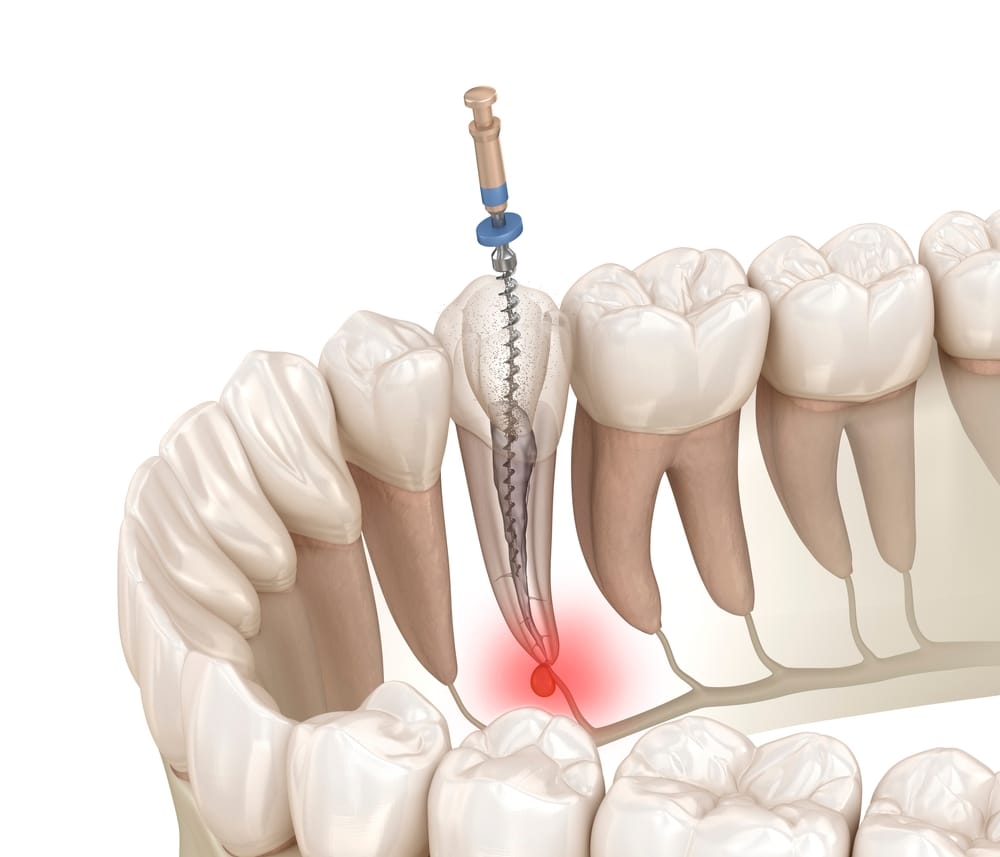
Exposed tooth roots usually start with mild symptoms that are easy to overlook, but they do have clear warning signs that can be noticed early on.
The most prominent symptom is pain or unpleasant tooth sensitivity when consuming cold, hot, or sweet foods and drinks, or even when breathing in cold air. This is often felt as a sharp, sudden, stabbing sensation in the teeth.
You may also notice gum recession, where the gum line pulls back and a larger portion of the tooth becomes visible, making the tooth look longer than usual. In some cases, a clear line can be seen between the tooth’s crown and the newly exposed root surface.
Another common sign is discomfort or pain when brushing your teeth or using dental floss, along with mild redness or inflammation in the surrounding gums, and sometimes a bad breath odor caused by bacterial buildup around the exposed root.
In more advanced cases of root exposure, dental caries may develop near the gum line, or you may notice a change in color in the lower part of the tooth. At this stage, it is important to see a dentist promptly to diagnose the condition and prevent further root damage and possible tooth loss.
Is Exposed Tooth Root a Serious Problem?
Exposed tooth roots can be a relatively serious issue if not treated early. It’s not just about the sensitivity and pain you may feel when consuming hot or cold foods and drinks; over time, it can lead to root surface wear, gum inflammation, reduced tooth stability, and even a higher risk of losing the tooth entirely.
When the gums recede and the roots become exposed, this area becomes more prone to plaque and calculus (tartar) buildup and bacterial accumulation, which significantly increases the risk of gingivitis and periodontal (gum) disease.
Root exposure also affects the appearance of your smile, making the teeth look longer than normal, which can be a cosmetic concern for many people.
For this reason, you should never ignore warning signs such as sudden tooth sensitivity or noticing that your gums are receding. It’s important to see a dentist promptly to identify the underlying cause of root exposure and develop an appropriate treatment plan that will prevent complications and help maintain the long-term health of your teeth and gums.
How Is Root Exposure Diagnosed?
Diagnosing exposed tooth roots usually starts with a thorough clinical examination by the dentist. The dentist checks for gum recession, measures the depth of periodontal pockets around the tooth using a specialized periodontal probe, and assesses how sensitive the teeth are to cold, heat, or touch.
A careful visual inspection of the gums is also performed to look for signs of inflammation, redness, or visible gum recession that leaves part of the tooth root uncovered.
In many cases, dental X‑rays are requested to evaluate the level of supporting bone around the tooth and to rule out root caries or cervical tooth wear at the neck of the tooth.
The dentist will often ask about your oral hygiene habits, how much pressure you apply while brushing, whether you use a hard‑bristled toothbrush, and if you grind or clench your teeth (bruxism), since these factors increase the risk of root exposure.
Based on all this information, the dentist determines the severity of root exposure and designs an individualized treatment plan for your condition.
What are the treatment options for exposed tooth roots?
Treatment options for exposed tooth roots depend on the underlying cause, as well as the extent of gum recession and damage to the tooth. Management always begins with an accurate diagnosis by a dentist or periodontist.
In mild cases, treatment may focus on modifying oral hygiene habits, such as using a soft-bristled toothbrush and a toothpaste formulated for sensitive teeth. This helps reduce pain and protect the exposed root surfaces. An antibacterial mouthwash may also be recommended to control plaque and reduce gum inflammation.
In moderate cases, the dentist may suggest deep cleaning procedures, such as scaling and root planing, to remove plaque and calculus deposits and eliminate bacteria that contribute to gum recession around the tooth roots.
In more advanced cases of root exposure, periodontal plastic surgery may be required. This can include gum grafting procedures using tissue taken from the palate or using specialized graft materials to cover and protect the exposed roots, reduce sensitivity and decay risk, and help stabilize the tooth within the jawbone.
Correcting contributing habits—such as teeth grinding (bruxism) or aggressive tooth brushing—is also an essential part of the treatment plan. These changes help maintain treatment results and prevent further progression of root exposure in the future.
When Is Gum Surgery Necessary to Treat Root Exposure?
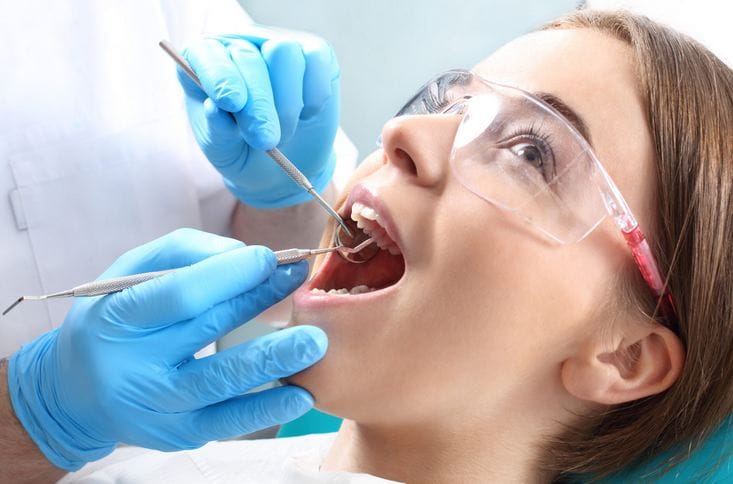
Gum surgery becomes necessary to treat exposed tooth roots when gum recession is severe enough to uncover a substantial portion of the root, or when there is pronounced sensitivity that does not respond to conservative treatments such as desensitizing toothpastes or topical fluoride.
Surgical intervention is also recommended when root exposure compromises tooth stability, increasing the risk of tooth mobility or eventual tooth loss, or when gum defects negatively affect the appearance of the smile.
Dentists resort to periodontal surgery—such as gum grafting procedures or root coverage techniques—when gum recession is linked to chronic periodontal (gum) disease, or when recession continues to progress despite correcting brushing techniques and improving oral hygiene.
These procedures help protect the roots from decay and erosion, reduce tooth sensitivity, and enhance smile aesthetics. The decision to perform gum surgery is made after a thorough clinical examination and radiographic assessment to evaluate the extent of root exposure and the condition of the supporting bone around the teeth.
How can the exposure of tooth roots be prevented?
Preventing root exposure starts with proper daily oral care. This includes using a soft-bristled toothbrush and a fluoride-containing toothpaste, while avoiding vigorous brushing or harsh horizontal scrubbing motions that gradually cause gum recession.
It is recommended to use gentle circular brushing techniques, and to clean between the teeth using dental floss or interdental brushes to remove food debris and dental plaque without damaging the gums.
Another key preventive measure is regular dental check-ups every six months, so that any early signs of gum recession or periodontal inflammation that could lead to root exposure can be detected and treated promptly.
Quitting smoking, keeping diabetes under control, and following a balanced diet rich in vitamins—especially vitamin C—help support gum health and lower the risk of gum recession.
If you suffer from bruxism (teeth grinding) or clenching during sleep, your dentist may recommend a night guard to protect your tooth enamel and gums from chronic mechanical stress that accelerates root exposure.
By consistently following these simple measures over time, you can significantly reduce the risk of root exposure and maintain healthy gums and less sensitive teeth in the long term.
What is the link between exposed tooth roots and tooth sensitivity?
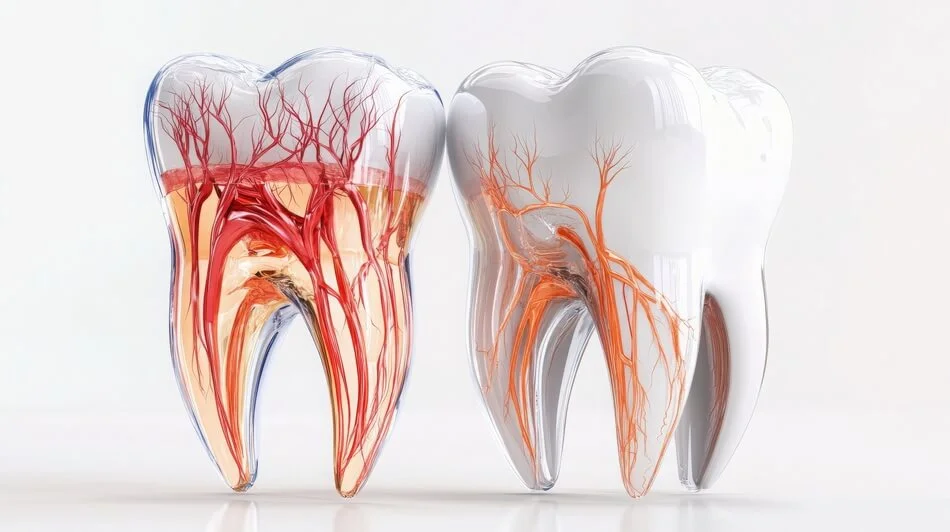
Exposed tooth roots are one of the main direct causes of increased tooth sensitivity. Unlike the crown of the tooth, which is protected by a hard enamel layer, the roots are not covered by enamel; they are normally shielded only by the gum tissue. When the gums recede or pull away for any reason, the sensitive root surface becomes exposed.
Once the roots are exposed, the tiny tubules within the dentin layer are left open to external stimuli such as hot and cold drinks, acidic foods, and even air. These stimuli can quickly reach the dental nerve, triggering a sharp, sudden pain commonly referred to as tooth sensitivity.
The more the gums recede and the roots are exposed, the more intense and frequent the sensitivity becomes, to the point that everyday activities like eating and toothbrushing can become painful.
For this reason, treating root exposure—whether by correcting toothbrushing habits, using specially formulated desensitizing toothpastes, or undergoing periodontal and surgical treatments at the dentist—is essential to controlling tooth sensitivity and protecting the long‑term health of the gums and teeth.
Book a Consultation for Gum Recession & Exposed Tooth Roots with Dr. Abeer Zandaqi
Schedule a specialized consultation with Dr. Abeer Zandaqi to treat gum recession and exposed tooth roots, and receive an accurate diagnosis along with a tailored treatment plan from the very beginning.
During the consultation, Dr. Zandaqi will assess the severity of your gum recession, your level of tooth sensitivity, and the underlying causes of root exposure—such as aggressive toothbrushing or chronic gingivitis—then explain the available treatment options, ranging from simple adjustments to your daily oral care routine to more advanced procedures like gum grafting and root coverage.
Booking an early consultation for exposed tooth roots can help halt further gum recession, reduce pain and sensitivity, and protect your teeth against decay and loss of the supporting bone around the roots.
You can easily book an appointment by calling the clinic or using the online booking system, and enjoy a calm, detailed consultation with Dr. Abeer Zandaqi to select the most suitable treatment plan that preserves your smile and supports long‑term gum health.