Table of Contents
What is the link between gum disease and successful dental implants?
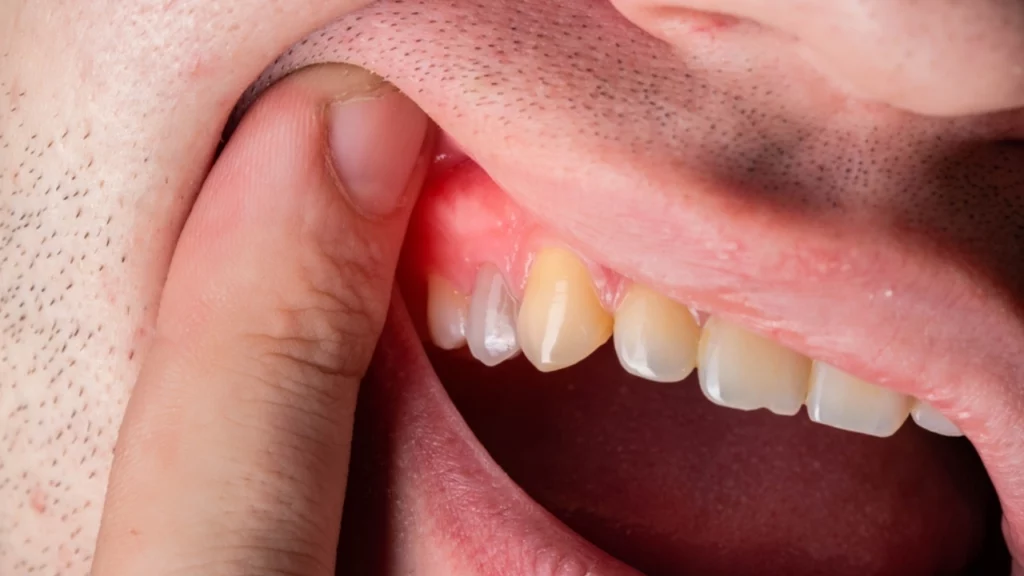
Gum disease is not just a minor issue of bleeding or redness. It is the foundation into which dental implants are placed. The long-term success of dental implants depends heavily on the health of the gums and the surrounding jawbone. The more inflamed and damaged these tissues are, the lower the chance that the implant will properly integrate and remain stable over time.
In gum disease, bacteria build up on dental plaque and calculus and gradually cause gum recession and destruction of the bone that supports the teeth. This same bone is what needs to support a dental implant after a tooth is lost. For that reason:
- Inflamed gums increase the amount of bacteria around the implant site.
- Untreated gum inflammation can progress into deeper infection of the supporting bone (periodontitis).
- Bone loss reduces the ability of the jaw to anchor an implant and achieve stable integration.
The relationship between gum disease and dental implant success is therefore very close. Healthy gums are not just a helpful extra; they are a basic requirement to prepare the mouth for implants and to reduce the risk of failure or complications after surgery. Each patient needs to be assessed individually, based on the severity of gum disease and the amount of remaining bone, before deciding on implant treatment.

Can you have dental implants if you have gum disease?
From a medical standpoint, it is generally not advisable to place dental implants while gum disease is still active. Ongoing inflammation in the gums or surrounding bone clearly increases the risk of implant failure and post-operative complications. The success of dental implants is closely tied to how well gum disease is controlled and to the quality of the supporting bone.
In mild cases of gum inflammation, implant placement may only need to be postponed for a short period while the teeth and gums are thoroughly cleaned and plaque and tartar are brought under control. The situation is then reassessed.
In more advanced periodontitis, where bone loss and loosened teeth are present, patients usually need a longer phase of periodontal treatment and rehabilitation of the gums and bone before dental implants can be considered.
In practice, active gum disease and dental implant placement should not occur at the same time, but they can be part of the same overall treatment plan. The sequence is typically:
- First: treat the gum disease, clean the mouth, and improve home care.
- Then: once the gums are stable, healed, and the bone has been evaluated, the dentist can decide on the most suitable timing for implant placement.
In some cases, additional procedures such as bone grafting or gum surgery may be required before, or in combination with, implant placement. This varies from one person to another. A clinical examination and appropriate X-rays by a dentist or specialist in implants and periodontology are essential to determine the safest and most appropriate plan.
How does gum disease affect implant success?
Gingivitis and periodontal disease are not limited to bleeding or cosmetic redness. Their effects extend to the very tissues and bone that will later need to hold the implant. Ignoring gum treatment before implant surgery can reduce the stability of the implant and increase the risk of failure in both the short and long term. Below are the main ways gum disease can influence the success of dental implants.
Loss of supporting bone
Advanced gum disease (periodontitis) gradually destroys the bone surrounding the roots of the teeth. This same bone is supposed to hold the dental implant once the tooth is removed or has fallen out.
When the thickness or height of the jawbone is reduced:
- The area is less able to provide strong, stable support for an implant.
- The dentist may need to perform bone grafting or a sinus lift (in the upper jaw) before placing the implant.
- The final appearance, especially in the upper front teeth, can be affected if bone loss is significant.
The longer gum disease has been present and left untreated, the higher the likelihood of greater bone loss. As a result, treatment planning becomes more complex and time-consuming.
Difficulty achieving proper osseointegration
The success of a dental implant relies on a biological process called osseointegration, in which the implant surface fuses with the jawbone to form a stable anchor. Active inflammation in the gums or surrounding bone creates an unstable, bacteria-rich environment that is not ideal for this process.
This may lead to:
- Slower or incomplete bone integration.
- Reduced implant stability during chewing.
- A need for a longer healing phase and closer follow-up by the dentist.
Controlling gum inflammation before implant placement reduces inflammation in the soft tissues and bone and creates a healthier environment for successful osseointegration.
Increased risk of peri-implant disease
Even after an implant has initially integrated, patients with a history of gum problems remain at higher risk of developing peri-implantitis, which is inflammation of the gums and bone around the implant.
This condition closely resembles periodontitis around natural teeth and may present with:
- Bleeding or swelling around the implant.
- Bad breath or, in some cases, pus discharge.
- Progressive bone loss around the implant fixture.
If a patient previously had gum disease and has not adopted good oral hygiene habits, the same factors (plaque and tartar build-up, poor brushing, smoking, and similar issues) can affect the tissues around the implant. This can accelerate bone loss and compromise the support around the implant over time.
Higher risk of implant failure if the problem is neglected
Neglecting gum disease before, during, and after implant treatment can eventually lead to implant failure. This may occur as early failure within months of placement, or as late failure years after the implant has been restored.
The process often follows a chain of events such as:
- Chronic gum inflammation → progressive bone loss around teeth and implants.
- Gradual loss of implant stability → slight movement during chewing.
- Increased bacterial accumulation in pockets around the implant → peri-implantitis and further bone destruction.
Not all patients face the same level of risk. It depends on how severe the gum disease is, how well the mouth is cleaned, the person’s commitment to follow-up visits, and other factors such as smoking and general health conditions. For this reason, a thorough evaluation by a dental professional is essential to assess the gums and plan appropriate preparation before starting implant treatment.
What steps come before dental implants in patients with gum disease?
Before planning dental implants for someone with gingivitis or periodontal disease, the dentist will take several key steps to create a healthier oral environment and reduce the risk of implant failure. The goal is to control inflammation and preserve or restore as much of the supporting gum and bone tissue as possible.
The main preparatory stages for dental implants in patients with gum disease typically include:
1. Clinical examination and imaging
The dentist starts with a detailed examination of the gums and teeth, including measuring periodontal pocket depths and checking for redness, bleeding, and mobility of nearby teeth. Digital X-rays or a cone-beam CT scan (CBCT) may then be requested to assess:
- The amount and quality of bone remaining in the planned implant sites.
- The extent of bone loss due to past or current gum disease.
- Any cysts or deep infections that could interfere with implant placement.
This information helps the dentist decide whether implant placement is currently feasible or whether gum and bone treatment should be completed first.
2. Treating active gingivitis and periodontitis
It is usually not recommended to treat active gum disease and place implants in the same phase. Instead, the dentist will focus on:
- Performing deep cleaning (scaling and root planing) to remove plaque and calculus above and below the gumline.
- Prescribing an antibacterial mouthwash and, in more advanced cases, systemic or local antibiotics if indicated.
- Addressing lifestyle habits that worsen inflammation, such as smoking or neglecting regular toothbrushing.
The gums are reassessed after a few weeks. If bleeding is reduced and the gum tissues have improved, the dentist can then proceed to the next steps of implant planning.
3. Assessing the need for bone or gum grafting
If gum disease has led to bone loss or noticeable gum recession, the dentist may recommend:
- Bone grafting to rebuild lost bone and create a stable foundation for implant placement.
- In some cases, soft tissue grafting or procedures to increase gum thickness and volume around the expected implant site for better protection and support.
These procedures are tailored to each patient. They may be performed before implant placement or at the same time, depending on the clinical situation.
4. Managing general health conditions and risk factors
Implant success depends not only on the gums, but also on overall health. The dentist will therefore:
- Check that chronic conditions such as diabetes and high blood pressure are well controlled, in coordination with the patient’s physician if needed.
- Discuss the importance of quitting or at least significantly reducing smoking to improve healing.
- Review current medications that might influence bone healing, gum health, or bleeding tendency.
5. Creating a personalized implant plan and home-care instructions
Once the necessary health conditions are met, the dentist designs a detailed implant treatment plan (number of implants, positions, and type of restoration). The patient is also informed about:
- How to clean the teeth and gums before and after surgery.
- The importance of attending all scheduled appointments and maintenance visits.
- Realistic expectations about treatment time and outcomes, with an emphasis that each case is unique.
Following these steps carefully can significantly increase the chances of implant success in patients with a history of gum disease and help reduce the risk of future inflammation around implants. Consulting a dentist or periodontist with experience in implant dentistry is a key step in planning safe, tailored treatment.
How can you maintain the success of dental implants after treatment?
The long-term success of dental implants does not depend solely on the dentist’s skill or the quality of the implant system. Your day-to-day oral care plays a major role, especially if you have a history of gum problems. The cleaner and more stable your gums are, the greater the chance that your implants will last for many years.
Here are the most important guidelines to protect your dental implants after treatment:
1. Daily oral hygiene
- Brush at least twice a day using a soft-bristled toothbrush and fluoride toothpaste.
- Clean gently around the implant, paying special attention to the gumline where bacteria tend to accumulate.
- Use dental floss or interdental brushes around implants as instructed by your dentist.
- Your dentist may recommend an antiseptic mouthwash for a limited period, especially if you are prone to gum inflammation.
2. Regular follow-up visits
- Attend follow-up appointments as advised, usually every six months or according to your individual needs.
- During these visits, the dentist will examine the gums around the implant, take X-rays if required, and professionally remove plaque and calculus that are difficult to clean at home.
- Early detection of any inflammation around the implant makes it much easier to treat before it leads to bone loss or threatens implant stability.
3. Adjusting daily habits that can harm implants
- Avoid smoking as much as possible, as it significantly increases the risk of gum disease and implant failure, particularly in people already prone to periodontal problems.
- Do not use your teeth to crack hard objects such as ice or very hard nuts, to protect both the crown and the implant from excessive force.
- If you grind or clench your teeth (bruxism), inform your dentist. A night guard may be recommended to protect your implants and natural teeth.
4. Paying attention to any unusual signs
- Redness, swelling, bleeding, or persistent pain around an implant should be assessed by a dentist without delay.
- A feeling that the implant crown is loose, or pain when biting or chewing, may indicate a problem in the surrounding bone or gum.
- Do not wait for symptoms to disappear on their own. Early intervention can help preserve the bone and the implant structure as much as possible.
By following these recommendations and adhering to the treatment and maintenance plan set by your dentist, you greatly improve the long-term stability of your implants and the health of your gums. The exact home-care routine may vary from one patient to another depending on overall health and clinical findings.
How can Dr. Abeer Zandaqi help you prepare for dental implants?
Dr. Abeer Zandaqi prioritizes gum health before taking any steps toward dental implant placement, because successful implant treatment begins with an oral environment that is as free as possible from active inflammation and harmful bacteria. In her approach, managing gum disease and planning implants are integrated into one comprehensive treatment plan rather than separate, unrelated procedures.
A typical preparation plan with Dr. Abeer may include:
- A thorough assessment of the gums and supporting bone, including clinical examination and imaging, to determine the extent of bone loss and the severity of gum disease.
- Designing a tailored treatment plan to address gum problems first, such as deep cleaning below the gumline (root planing), prescribing appropriate medications, and helping to modify contributing habits such as smoking or poor brushing.
- Discussing the dental implant options that best suit your situation and explaining the benefits and potential risks of each in clear, simple language, including whether bone grafting or other preparatory procedures may be needed.
- Choosing the most appropriate timing for implant placement once gum health has stabilized, with regular follow-up to ensure the results remain stable before inserting the implants.
- Educating you about the home-care routine required before and after implant surgery, including brushing techniques, the use of floss or interdental brushes, and the mouthwash most suitable for your condition.
Through this structured approach, Dr. Abeer Zandaqi aims to reduce implant failure risks related to gum disease, improve the chances of successful bone integration, and provide a treatment plan tailored to your individual needs after a direct clinical examination and consultation.