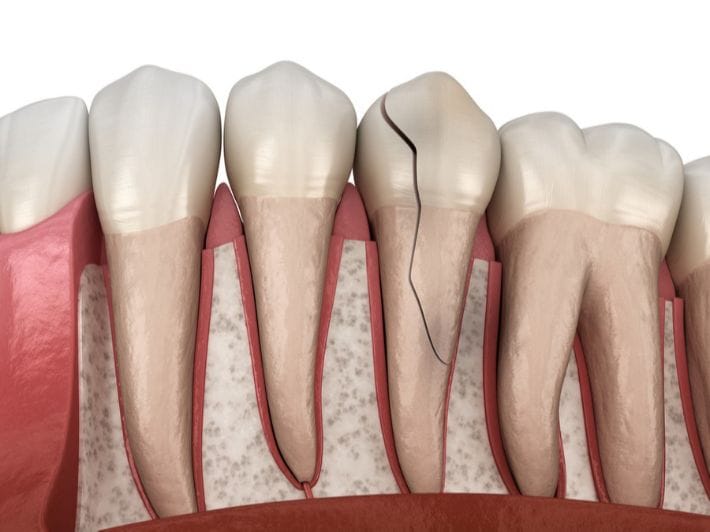
10 Common Causes of Cracked Teeth: What’s Weakening Your Smile?
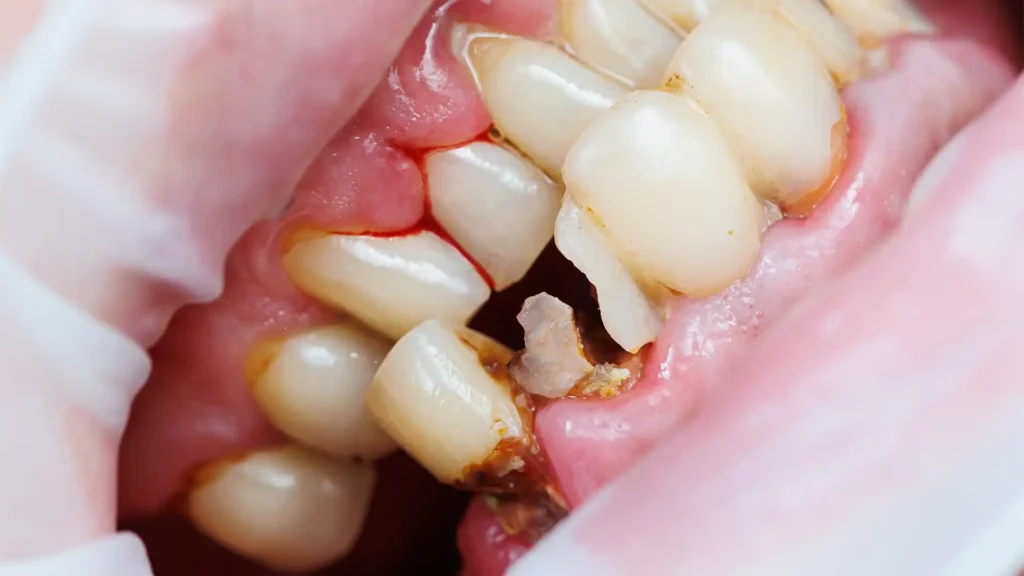
Excessive Bite Force (Hard Biting)
Placing excessive pressure on the teeth while chewing, or biting forcefully on hard foods such as nuts and bones, is one of the main causes of cracked teeth. Over time, this weakens the enamel and stresses the internal structure of the tooth.
When teeth are subjected to forces beyond their natural tolerance, microscopic, invisible cracks can form, which may later progress into obvious fractures accompanied by pain when biting or chewing.
People who use their teeth to open bottles or as tools to cut or tear objects put themselves at high risk of tooth fractures, so it is strongly advised to avoid these habits to protect teeth from cracks and breakage.
Nocturnal Teeth Grinding (Bruxism)
Bruxism (teeth grinding during sleep) is one of the most common causes of tooth cracks. Continuous friction and strong, unconscious pressure lead to gradual enamel wear and the development of hairline fractures over time.
This condition makes teeth weaker and more sensitive, especially when consuming hot or cold foods and drinks, and may result in chipping of the tooth edges.
Anyone who suffers from teeth grinding should consult a dentist to have a night guard prescribed, in order to protect the teeth, reduce jaw pressure during sleep, and thereby lower the risk of fractures and cracks.
Dental Caries and Structural Weakness
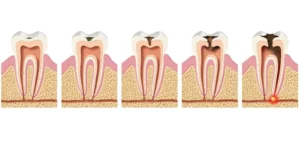
Tooth decay weakens the internal structure of the tooth, making its layers less dense and more prone to fracture and cracking, even under normal daily forces such as chewing.
When decay extends into the dentin or approaches the dental pulp, the enamel becomes like a fragile shell that can easily break, leading to partial fracture or collapse of the tooth.
Early treatment of caries and restoring affected teeth with fillings helps prevent splitting and cracking, preserves tooth strength, and reduces the risk of painful complications associated with cracked teeth.
Large or Aged Dental Restorations
Large or old fillings can directly contribute to tooth fractures, particularly when they cover a large portion of the crown and leave the remaining tooth walls thin and weak.
Over time, the restorative material may shrink or wear down, creating microscopic gaps between the filling and the tooth. This makes it easier for bacteria to penetrate and increases the likelihood of cracks developing beneath the restoration.
Regular dental check‑ups to evaluate existing fillings and replace defective ones help prevent tooth fractures and maintain tooth strength and function for a longer period.
Direct Trauma and Injuries
Severe trauma to the mouth—such as from falls, accidents, or blows during sports—is a direct cause of sudden tooth fractures or cracks.
Even if the tooth does not break visibly, internal cracks may occur that are not apparent to the naked eye and later present as pain on chewing or marked sensitivity.
Wearing a mouthguard during contact or high‑impact sports, and supervising children during play, significantly reduces the risk of direct injuries that weaken teeth and lead to cracking.
Sudden Thermal Changes
Exposing teeth to sudden changes in temperature—for example, drinking a very cold beverage right after consuming hot food, or vice versa—can cause rapid expansion and contraction of tooth structure.
Repeated thermal stress can lead over time to microscopic cracks in the enamel, weakening the tooth and making it more likely to fracture under even mild pressure.
Avoiding abrupt shifts between very hot and very cold foods or drinks helps protect the enamel, maintain tooth strength, and prevent thermally induced damage.
Aging
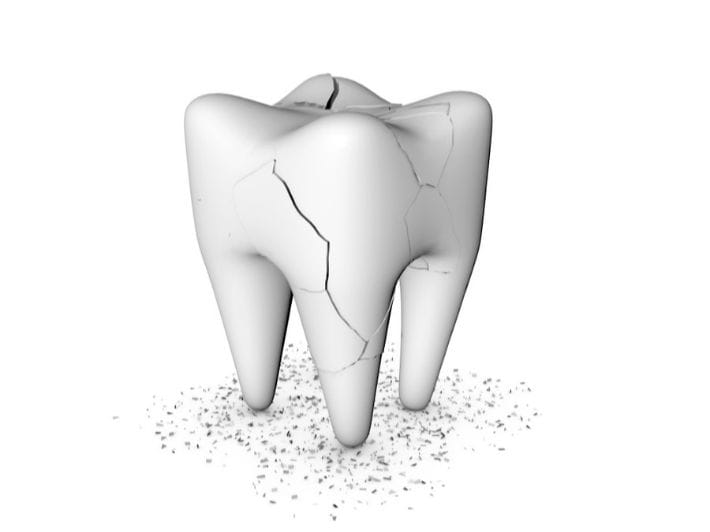
With advancing age, teeth are exposed cumulatively to wear, mechanical stress, and dietary acids, all of which contribute to enamel thinning and increase the risk of cracking.
Teeth that carry the main chewing load for many years—especially molars—are more prone to fine cracks that often go unnoticed until pain or sensitivity develops.
Maintaining oral health after the age of forty and scheduling regular dental visits help detect cracks early and prevent their progression into large, painful fractures.
Poor Dietary Habits
Unhealthy dietary patterns—such as frequent intake of sugary foods, carbonated drinks, and very hard foods—directly compromise tooth strength and raise the risk of fractures.
Acidic foods and soft drinks gradually dissolve part of the enamel layer, weakening the tooth’s natural protection and making it more brittle and susceptible to cracking during chewing.
Choosing a balanced diet rich in calcium and vitamin D, while reducing sugars and acidic items, helps strengthen teeth and prevent many of the factors that lead to cracks.
Inadequate Oral Hygiene
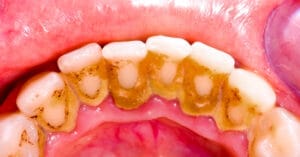
Neglecting toothbrushing and flossing allows dental plaque and tartar to accumulate on teeth, increasing the risk of caries and gingivitis—both of which weaken teeth and increase the likelihood of cracks.
When oral hygiene is poor, teeth undergo gradual erosion and structural weakening, becoming more sensitive and less able to withstand normal daily chewing forces.
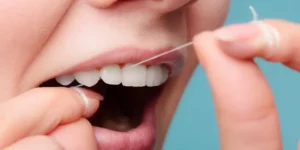
Brushing twice daily, using dental floss, and visiting the dentist regularly are key steps in preventing cracked teeth and preserving their strength.
Malocclusion (Bite Irregularities)
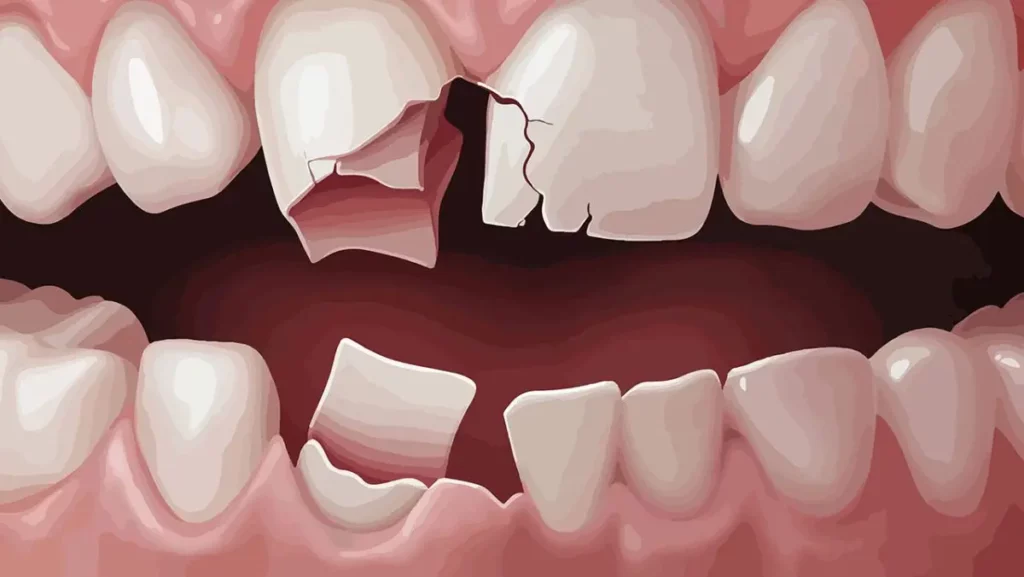
Malocclusion or an improper bite causes chewing forces to be distributed unevenly across the teeth, placing excessive stress on certain teeth more than others.
This unbalanced pressure gradually leads to microscopic cracks in the teeth that bear the greatest load, and may eventually progress to painful fractures or loss of part of the tooth.
Treating malocclusion with orthodontic therapy or bite adjustment helps redistribute forces more evenly, protecting teeth from chronic overload that leads to weakening and cracking.
Factors that Increase the Risk of Cracked Teeth (Even If Teeth Look Healthy)
Even when teeth appear healthy and free of cavities, several hidden factors can quietly increase the risk of cracks and fractures.
One of the most important of these is bruxism (teeth grinding) or clenching, whether during sleep or periods of stress. Over time, this excessive force fatigues the tooth structure and leads to microscopic cracks that may eventually progress into obvious fractures.
Chewing hard substances such as ice, very hard nuts, bones, or using the teeth as tools to open packages and bottles are also common causes of cracks in otherwise healthy teeth.
Falls, blows to the face, or sports injuries—especially when a mouthguard is not used—significantly raise the risk of sudden fractures in front or back teeth.
In addition, large dental fillings or poorly fitting restorations and crowns can weaken the remaining natural tooth structure, making it more prone to cracking under additional pressure.
Sudden temperature changes in the mouth should not be overlooked either—for example, quickly switching from very hot drinks to very cold ones. This repeated expansion and contraction of the enamel can, over time, contribute to the formation of cracks.
Being aware of these factors is essential to prevent cracked teeth and maintain the strength and integrity of healthy teeth for as long as possible.
When Do Minor Causes Turn into a Serious Problem?
Minor causes of tooth cracks—such as chewing on hard objects, nighttime teeth grinding (bruxism), or a mild trauma—become serious when the fracture deepens and extends into the inner layers of the tooth and reaches the pulp (nerve).
At this stage, bothersome symptoms may appear, such as sharp pain when biting or chewing, marked sensitivity to hot and cold drinks, or intermittent pain that’s hard to localize.
Ignoring these warning signs can lead to severe pulp inflammation (pulpitis) or the formation of a dental abscess beneath the tooth, which may ultimately result in tooth loss and the need for root canal treatment (endodontic therapy) or even extraction.
So, if you notice any change in the tooth’s shape, feel sudden pain after biting something hard, or experience increasing tooth sensitivity without a clear reason, this indicates that the crack is no longer a minor issue. In such cases, you should see a dentist promptly for early diagnosis and to prevent serious complications.
How do you choose the right clinic to treat cracked teeth, and why do patients trust Dr. Abeer Zandaqi?
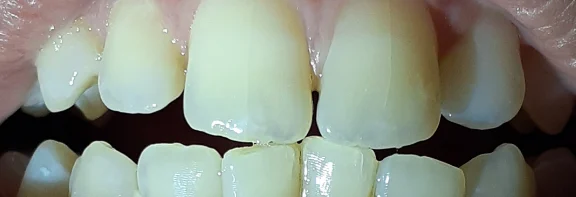
When choosing a clinic for the treatment of cracked teeth, it’s essential first to make sure the dentist is experienced in accurately diagnosing the underlying cause of the crack—such as bruxism (teeth grinding), trauma, or weakened enamel—and then designing a personalized treatment plan that preserves as much of the natural tooth structure as possible.
The clinic should also be equipped with advanced diagnostic tools, including digital X-rays and 3D imaging (CBCT), to detect hairline and hidden cracks that are not visible to the naked eye.
It’s equally important that the clinic prioritizes the quality of materials used in dental fillings, fracture restorations (such as onlays, crowns, or veneers), and root canal treatments, as these directly impact the long‑term strength, function, and aesthetics of the tooth.
Patients place their trust in Dr. Abeer Zandaqi because she combines strong clinical expertise in managing cracked teeth and their complications with evidence-based treatment protocols, while clearly explaining each step of the treatment. This helps reassure patients and enables them to understand the cause of the crack and how to prevent it from recurring.
Her clinic is also known for its focus on pain control and patient comfort, as well as regular follow-up after treatment, making it a preferred choice for those seeking accurate, safe management of cracked teeth with durable functional and aesthetic results.