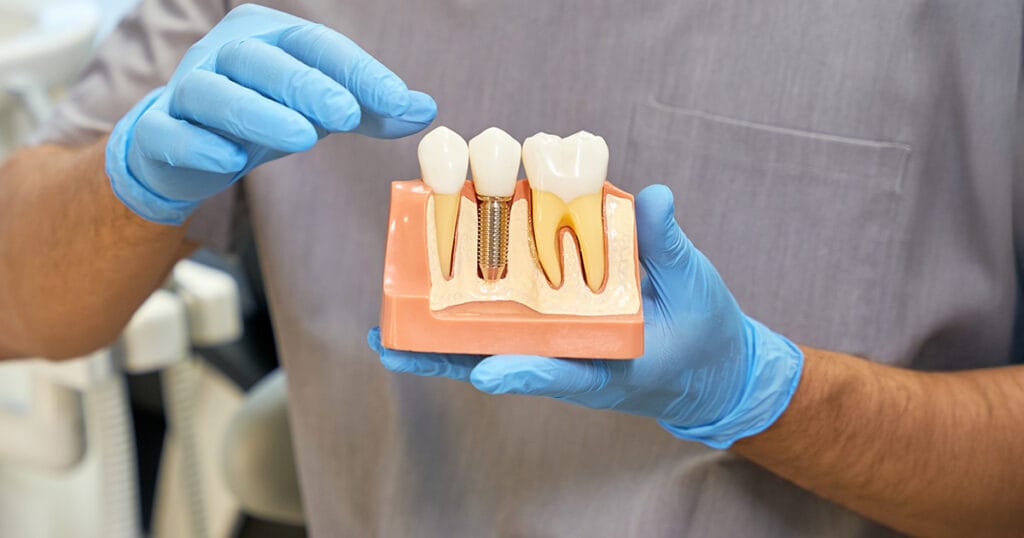
Veneers or Crowns: What’s the Difference?
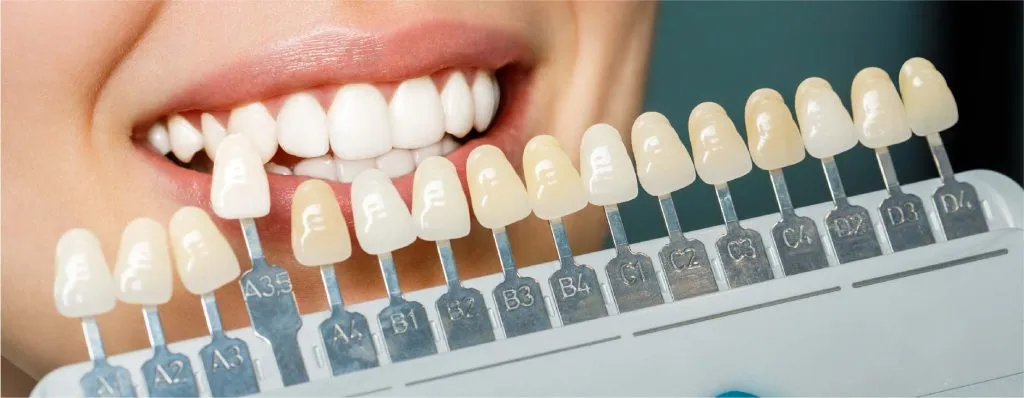
Veneers and crowns are both cosmetic and restorative dental options, but the key difference lies in how much tooth structure is removed and the main reason for treatment.
A veneer is a thin porcelain shell bonded to the front surface of the tooth to improve its color and shape, and to correct minor issues such as small gaps or mild wear, while preserving as much natural tooth structure as possible.
A crown, on the other hand, is a full-coverage restoration that encases the entire tooth. It is typically recommended in cases of extensive decay, large fractures, wide or old fillings, or after root canal treatment, in order to protect and reinforce the tooth.
Choosing between veneers and crowns depends on the internal condition of the tooth, the extent of damage, and the primary goal of treatment—whether it is purely cosmetic or both restorative and cosmetic.
For this reason, the dentist performs a clinical examination and takes radiographs to determine whether veneers are suitable for enhancing your smile with minimal intervention, or whether crowns are the safer and more durable option for protecting weakened teeth.
When Are Veneers the Right Option?
Veneers are an appropriate choice when the underlying tooth structure is sound and free from extensive decay or large fractures, but the tooth needs cosmetic enhancement in terms of shape, shade, or closure of minor gaps—particularly in the front teeth that are visible when you smile.
They are especially recommended for cases of tooth discoloration that do not respond well to conventional whitening procedures, mildly to moderately misaligned teeth, as well as superficial cracks and slight enamel wear that do not affect the tooth root.
When comparing veneers with crowns, veneers are generally preferred if the patient is seeking a conservative cosmetic solution that preserves as much natural enamel as possible, while achieving a brighter, more harmonious smile in fewer dental visits.
Before deciding on veneers, it is essential to assess the patient’s occlusion (bite) and habits such as bruxism (teeth grinding) or nail-biting, as these factors can influence the long-term stability and durability of the veneers. Based on this comprehensive evaluation, the dentist will determine whether veneers are indeed the most suitable option or if full-coverage crowns would offer greater safety and longevity.
When Are Dental Crowns the Better Option?
Dental crowns are usually a better choice than veneers when a tooth is structurally weak or extensively fractured, after root canal treatment, or in the presence of deep decay that may compromise the long‑term survival of the tooth.
In such cases, veneers are not sufficient because they only cover the front surface of the tooth, whereas a crown fully encases the tooth, providing superior reinforcement and greater resistance to biting and chewing forces.
Crowns are also recommended in situations of severe tooth wear, significant malocclusion or altered bite, or when the patient wants to restore both the function and the appearance of the tooth—not just improve its cosmetic look.
So if you’re deciding between veneers and crowns, dentists will typically recommend a crown when the main goal is to protect a compromised tooth, extend its functional lifespan, and enhance its aesthetics at the same time.
Aesthetic and Durability Comparison Between Veneers and Crowns
When comparing dental veneers and crowns in terms of appearance and durability, the choice largely depends on the condition of the tooth and the desired smile outcome.
Veneers are thin ceramic shells bonded to the front surface of the tooth. They are mainly used to enhance the color, shape, and size of anterior teeth while preserving as much natural tooth structure as possible. This makes them an excellent option for patients seeking a highly natural-looking aesthetic improvement with minimally invasive preparation.
Crowns, on the other hand, fully encase the entire tooth, covering it from all sides. They offer superior strength and resistance to biting and chewing forces, making them the treatment of choice for weakened, fractured, or root canal–treated teeth. Crowns provide long-term protection along with good aesthetics, particularly when all-ceramic or zirconia crowns are used.
Overall, veneers excel in terms of aesthetics and conservation of tooth structure, whereas crowns are superior in strength and durability. The clinician’s decision to use veneers or crowns is based on a thorough assessment of the tooth’s condition, the extent of damage, and the desired functional and cosmetic outcome.
Can veneers be replaced with crowns, or vice versa?
In certain cases, veneers can be replaced with crowns, and crowns can be replaced with veneers. However, this decision is never random; it depends on the condition of the tooth, how much healthy structure remains, and your dentist’s overall treatment plan.
If the tooth is severely worn down or fractured, or has undergone root canal treatment with significant loss of tooth structure, replacing a veneer with a crown is often the better option, as a crown offers full coverage and greater protection for the tooth.
On the other hand, if the tooth is relatively strong and already has a well‑fitting crown in place, but the patient only wants to improve the cosmetic appearance, the dentist may assess whether converting from a crown to a veneer is feasible. This would involve removing the existing crown while preserving as much of the natural tooth structure as possible.
It’s important to understand that moving from veneers to crowns is generally easier than going from crowns to veneers, because preparing a tooth for a crown usually involves more extensive reshaping away from its natural form. That’s why all options should be carefully discussed with your dentist from the outset, to choose the most suitable long‑term solution in terms of durability, aesthetics, and preservation of the tooth structure.
What Factors Help the Dentist Choose the Most Suitable Treatment?
Dental and Gum Health
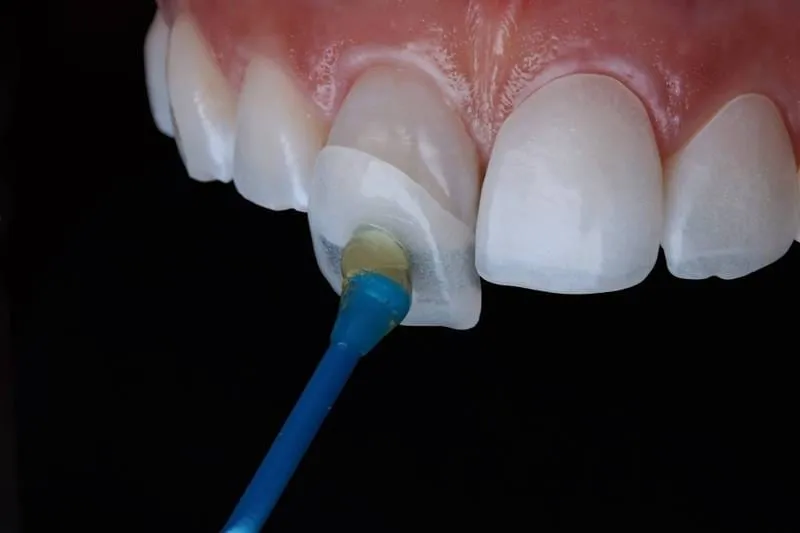
The condition of the teeth and gums is one of the most important factors your dentist considers when deciding between veneers and crowns.
If the gums are inflamed, or there are periodontal problems such as gingivitis or gum recession, the dentist will usually postpone any cosmetic procedure until the underlying issue is treated, because the long‑term success of veneers or crowns depends on healthy, stable supporting tissues.
Likewise, if a tooth has deep decay or a pulpal infection, the dentist may opt for a crown rather than a veneer, as a crown provides more extensive coverage and protection for a structurally weakened tooth.
A thorough assessment of dental and periodontal health therefore helps the dentist determine whether a veneer is sufficient to achieve the desired cosmetic improvement, or whether the case requires a crown to ensure better support and function over the long term.
Amount of Remaining Tooth Structure
The amount of sound tooth structure remaining is a critical factor in choosing between veneers and crowns.
When most of the tooth structure is intact and there are no major fractures, dentists generally favor veneers, as they are a more conservative option and preserve as much natural enamel and dentin as possible.
However, if the tooth is extensively fractured or has been heavily prepared in the past for large restorations, the remaining enamel and dentin may not be adequate to support a veneer. In such situations, a full‑coverage crown is usually the better choice, as it encases the entire tooth and provides greater stability and strength.
Based on clinical examination and radiographic evaluation of the remaining tooth structure, the dentist decides whether a minimally invasive cosmetic option like veneers is appropriate, or whether the case requires a more comprehensive restorative solution such as crowns.
Patient’s Aesthetic Expectations
A patient’s aesthetic goals play a major role in the decision between veneers and crowns.
If the patient is seeking relatively subtle improvements in tooth color or minor shape corrections while preserving as much natural tooth as possible, veneers are often recommended as a conservative cosmetic treatment.
But when there are more pronounced defects in tooth shape, obvious discrepancies in length and alignment, or a desire for a complete makeover of a severely compromised smile, crowns may be better suited to deliver the level of aesthetic change expected.
The dentist will discuss in detail the desired tooth shade, the extent of shape modification, and the overall smile design the patient hopes to achieve, then select veneers or crowns in a way that balances aesthetics with long‑term function.
Oral Habits Such as Bruxism
Oral habits—especially bruxism (teeth grinding) or excessive clenching—directly influence the choice of treatment.
In cases of severe bruxism, veneers are at higher risk of chipping or fracturing because of their thinness and the limited area of tooth they cover. In such patients, dentists often prefer full‑coverage crowns, which offer better protection and distribute occlusal forces more evenly.
Other habits, such as nail biting or using the teeth as tools to open objects, are also taken into account, since both veneers and crowns require healthy oral habits to maintain their longevity.
By assessing the severity of bruxism and, when necessary, prescribing a night guard, the dentist can determine whether veneers are a reliable option or whether crowns are indicated to provide additional durability and long‑term protection for the teeth.
Advantages and Disadvantages of Veneers and Dental Crowns
Advantages and Disadvantages of Veneers
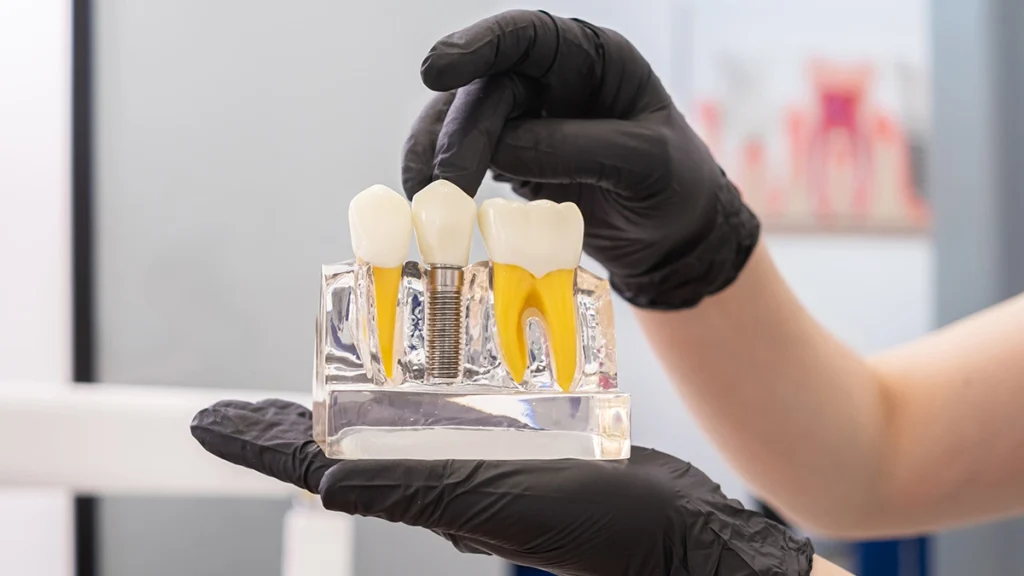
Veneers are an excellent cosmetic option for quickly enhancing the appearance of front teeth, with relatively minimal enamel preparation compared to dental crowns.
One of the main advantages of veneers is that they provide a bright, harmonious smile, masking intrinsic discolorations and stains, and improving the appearance of mildly misaligned or superficially worn teeth.
They also often preserve a substantial amount of natural tooth structure, making them suitable for patients whose teeth are generally healthy and who are primarily seeking an aesthetic solution.
On the other hand, veneers are not ideal for teeth with deep caries, large restorations, or extensive fractures, since they do not provide the same level of protection as full-coverage crowns.
Removing a layer of enamel is an irreversible step, meaning the tooth will always require a permanent restoration such as a veneer or another fixed option.
Veneers can chip or fracture under excessive force, such as biting hard objects or in patients with untreated bruxism (nighttime teeth grinding).
Achieving optimal aesthetic outcomes also requires a high level of clinical and technical expertise, and any mismatch in color, shape, or contour can negatively affect the overall appearance of the smile.
Advantages and Disadvantages of Dental Crowns
Dental crowns are a strong and effective solution when treatment goes beyond aesthetics to include restoring structurally compromised teeth. By fully covering the tooth, a crown provides reinforcement and long‑term protection.
A key advantage of crowns is their suitability for teeth with extensive decay, large fillings, or those that have undergone root canal treatment, as they help protect the remaining tooth structure from fracture.
Crowns can also be fabricated to closely mimic the color and shape of natural teeth—especially all‑ceramic or zirconia crowns—offering good aesthetics in addition to mechanical strength.
Their downsides include the need to remove more tooth structure compared with veneers, making the procedure more invasive.
Improper tooth preparation or inadequate cementation can lead to gingival irritation or bacterial leakage beneath the crown over time.
Certain metal-based crowns or porcelain-fused-to-metal crowns may show a dark line at the gum margin over the years, which can compromise aesthetics, particularly in the anterior region.
Crowns also tend to be relatively costly, especially when made from high-quality materials, and require regular follow-up to maintain their condition and prevent future complications.
How do you choose between veneers and crowns for the best result?
Choosing between veneers and crowns depends primarily on the condition of your teeth, not just on aesthetics. That’s why your dentist will always start with a thorough clinical examination and dental X‑rays to assess how damaged the tooth is and to evaluate the thickness of the enamel.
If the tooth is relatively healthy but has discoloration, small gaps, or minor defects in shape or length, veneers are usually the better option. They preserve most of the natural tooth structure while giving you a bright, harmonious smile.
However, if the tooth is extensively fractured, has undergone root canal treatment, contains large fillings, or shows general structural weakness, a crown will usually be recommended. Dental crowns (caps) fully cover the tooth, providing stronger protection and durability over the long term.
Your dentist will also factor in daily habits such as teeth grinding (bruxism), how your upper and lower teeth come together (occlusion), your oral hygiene level, as well as your expectations regarding tooth shade, budget, and treatment time.
The final decision between veneers and crowns should be made in consultation with a qualified cosmetic dentist, who can explain the advantages and limitations of each option in light of your specific case, ensuring the best esthetic and functional outcome without compromising the health of your natural teeth.
Book a consultation with Dr. Abeer Zendagi to find out whether veneers or crowns are the best option for you
Deciding between dental veneers and crowns depends on the health of your teeth, enamel thickness, the extent of decay or fractures, and the type of smile you want to achieve. That’s why booking a consultation with Dr. Abeer Zendagi helps you get an accurate, personalized assessment instead of relying on generic information.
During the consultation, the doctor will examine your teeth clinically and with X‑rays, then explain the differences between veneers and crowns in terms of how much tooth structure needs to be prepared, expected longevity, aesthetic outcome, and cost. Based on this, she will recommend the most suitable treatment option according to your dental needs and cosmetic expectations.
This way, you can make an informed decision about whether veneers or crowns are the ideal solution for your case, with a clear treatment plan that gives you a beautiful, healthy smile in the long term.