Braces or Veneers: What’s the Difference?

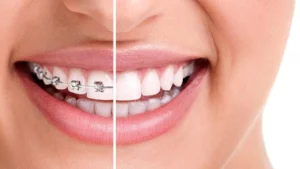
Both orthodontic treatment (braces or clear aligners) and dental veneers aim to enhance your smile, but they differ completely in how they work and in the type of results they provide.
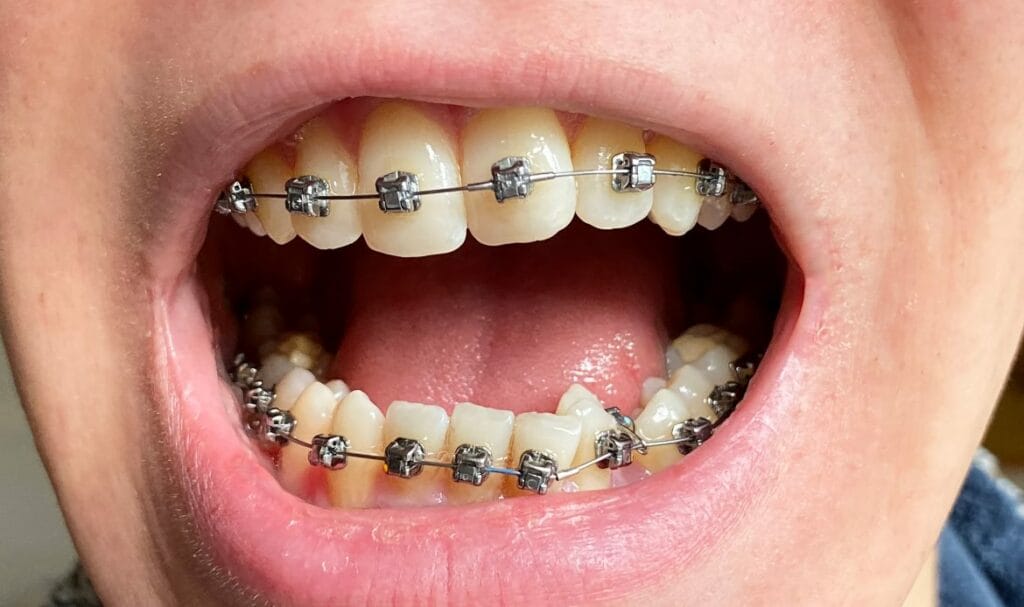
Orthodontic treatment addresses the root cause of the problem. It gradually moves the teeth into better positions to correct crowding and misalignment, close gaps, and improve the way the upper and lower jaws fit together. This can have long-term benefits for chewing efficiency, gum health, and the function of the temporomandibular joint (TMJ).
Veneers (porcelain or zirconia veneers) are a primarily cosmetic option that focuses on the appearance of the teeth—their color, shape, and visible alignment. They are used to mask minor imperfections such as severe discoloration, small chips or fractures, and slight spacing, by bonding thin shells to the front surface of the teeth, usually after removing a very thin layer of enamel.
Choosing between orthodontic treatment and veneers depends on your specific case:
- If your main goal is to correct tooth position and bite function, orthodontic treatment is usually the better option.
- If your teeth are reasonably well aligned and you mainly want to improve their color, shape, or the appearance of small gaps, veneers may be an effective cosmetic solution—provided they are recommended by a qualified dentist after proper evaluation.
What Causes Crooked Teeth?
Crooked teeth usually result from a combination of genetic and environmental factors that affect jawbone development and the way permanent teeth erupt.
Some people inherit a small jaw with relatively large teeth, which leads to crowding and misalignment.
In addition, harmful oral habits during childhood—such as prolonged thumb sucking, tongue thrusting against the teeth, or excessive pacifier use—can place abnormal pressure on the teeth and alter their growth pattern.
Premature loss of primary (baby) teeth, or delayed shedding of them, may also cause permanent teeth to emerge in the wrong positions.
Mouth breathing, malocclusion (poor bite alignment), and trauma to the facial or jaw area can further aggravate dental crowding and misalignment.
Accurately identifying the underlying causes of crooked teeth helps the dentist choose the most appropriate treatment, whether that involves conventional orthodontic braces or cosmetic options such as veneers in selected cases.
When Is Orthodontic Treatment the Right Solution for Crooked Teeth?
Orthodontic treatment is the most appropriate option for dental malalignment when the main goal is to correct the position of the teeth and the relationship between the upper and lower jaws in a fundamental and long‑lasting way, rather than simply improving the visible appearance as with veneers.
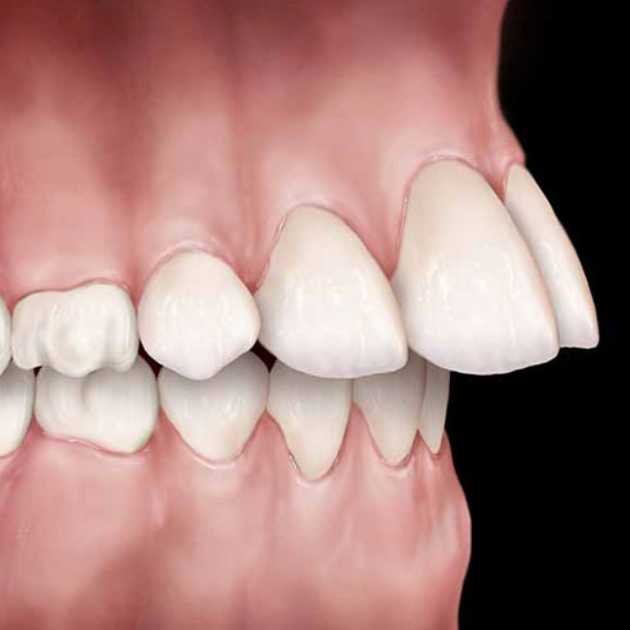
In cases of severe crowding, pronounced misalignment, open bite, deep bite, protruding front teeth, or a mismatch in how the upper and lower jaws come together (malocclusion), braces or clear aligners are considered the proper therapeutic choice because they address the underlying cause of the problem and improve both function and aesthetics.
Orthodontics is also preferred over veneers in younger patients, and in individuals with healthy, intact enamel who wish to preserve their natural tooth structure without drilling or covering it with ceramic restorations.
A consultation with an orthodontist is essential to assess the severity of the malalignment, evaluate jaw relationships, and determine whether orthodontic treatment alone is sufficient or if the patient may benefit from complementary cosmetic procedures after completing treatment. This approach helps achieve a straight, healthy smile without resorting prematurely to veneers.
When can veneers improve the appearance of crooked teeth?
In certain cases, dental veneers can be a quick cosmetic solution to enhance the appearance of crooked teeth—particularly when the degree of misalignment is mild to moderate and does not significantly affect the bite (occlusion) or jaw function. In such situations, the choice between orthodontic treatment and veneers is largely driven by cosmetic goals.
Veneers are used to correct imperfections in tooth shape and color, and to mask slight rotations, minor misalignment, or small gaps, giving the teeth a more even and straight appearance without the need for a lengthy course of orthodontic treatment.
However, if the misalignment is severe, associated with a jawbone discrepancy, or there is pronounced dental crowding, orthodontic treatment (such as braces or clear aligners) is considered the primary therapeutic option. Veneers may then be used afterward as a final cosmetic touch once orthodontic treatment is completed.
For this reason, it is always advisable to consult a qualified dentist or orthodontist to thoroughly assess your dental condition and determine whether veneers are suitable for you, or whether you need orthodontic treatment to achieve a stable, healthy, and aesthetically pleasing outcome in the long term.
Why isn’t veneer considered a real treatment for crooked teeth?
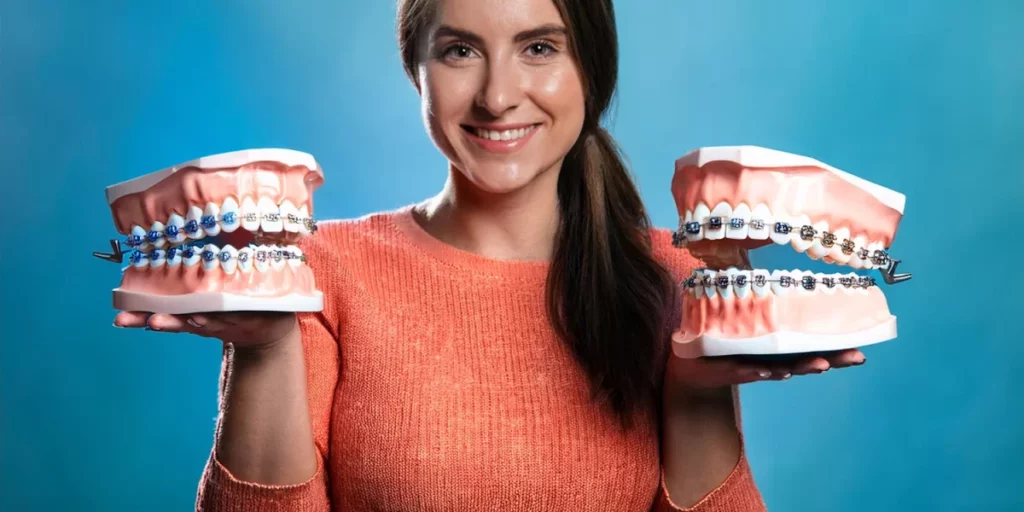
Veneers are not regarded as an actual treatment for dental crowding or misalignment because they do not change the position of the teeth or the jawbone. Their role is mainly cosmetic: they mask visible imperfections and create the appearance of a more even smile from the outside only.
In cases of malalignment, the definitive solution is orthodontic treatment (braces or clear aligners), which repositions the teeth correctly and addresses problems such as malocclusion and excessive stress on the temporomandibular joint (TMJ). Veneers, on the other hand, are placed on the front surface of the tooth after removing a thin layer of enamel, without correcting the underlying cause.
As a result, the tooth may look straight after veneer placement, but it actually remains in its original misaligned position. This can lead over time to chewing difficulties or abnormal tooth wear if the malalignment is not first corrected orthodontically.
For this reason, veneers are best used as a cosmetic option after completing orthodontic treatment, or in very minor cases involving small gaps or superficial defects—not as a full substitute for braces in treating crooked teeth.
A Comparison of Braces and Veneers in Terms of Outcomes
When comparing the results of orthodontic treatment (braces or clear aligners) and dental veneers, orthodontics addresses the root of the problem by gradually moving the teeth into their proper physiological positions. This usually leads to a straighter smile, improved chewing function, and often long‑lasting results, provided that retention protocols are followed after treatment.
Veneers, on the other hand (porcelain or composite laminates), offer a rapid and noticeable enhancement in the shape and shade of the front teeth. They effectively mask cosmetic imperfections such as minor spacing, discoloration, and superficial wear, without actually changing the underlying position of the teeth.
From a long‑term perspective, orthodontic treatment corrects malocclusion, helps reduce abnormal tooth wear, and may lower the risk of temporomandibular joint (TMJ) problems. Veneers, meanwhile, deliver an immediate aesthetic upgrade but often need to be replaced after several years and typically require irreversible removal of a thin layer of enamel.
Therefore, when deciding between orthodontic treatment and veneers, it is essential to determine whether your primary goal is to correct tooth position and function at a fundamental level through orthodontics, or to achieve a rapid “Hollywood smile” with veneers, recognizing that this is predominantly a cosmetic solution.
How does the dentist decide between braces and veneers?
The dentist starts by performing a comprehensive examination of the mouth and teeth, supported by X‑rays and an individualized treatment plan.
The first thing the dentist evaluates is how crowded or protruded the teeth are, and whether there are gaps. If the main problem lies in tooth alignment or the relationship between the upper and lower jaws, orthodontic treatment (braces or clear aligners) is usually the preferred option, as it addresses the underlying cause, improves the bite, and enhances chewing function in the long term.
If, on the other hand, the main complaint is cosmetic—such as intrinsic discolorations that do not respond to whitening, minor chipping, or slight differences in tooth shape or length while overall alignment is acceptable—the dentist may recommend dental veneers as a fast aesthetic solution that creates a more harmonious smile.
The dentist also considers the patient’s age, gum health, enamel thickness, and habits such as clenching or bruxism, to ensure that either veneers or orthodontic treatment will be safe and appropriate.
In addition, the dentist discusses the expected treatment duration, cost, and the extent of change the patient wants in their smile. This shared decision-making process helps determine whether orthodontics or veneers are more suitable, ensuring the best possible functional and aesthetic outcome.
Book a Consultation with Dr. Abeer Zandaki to Determine Whether Braces or Veneers Are Best for You
Schedule a consultation with Dr. Abeer Zandaki for an accurate assessment of your case and to determine whether orthodontic treatment (braces/aligners) or dental veneers are the most suitable option for your smile, based on your dental condition and desired aesthetic outcome.
During the consultation, Dr. Abeer performs a comprehensive examination of your teeth and gums, evaluates your bite (occlusion), assesses the degree of crowding or spacing, and examines enamel quality and tooth shape, using dental X‑rays when needed.
Based on this clinical evaluation, she explains the differences between orthodontic treatment and veneers in terms of treatment duration, expected results, preservation of natural tooth structure, costs, and the long‑term impact of each option on your oral health.
This way, you don’t choose between braces and veneers randomly, but rather based on an evidence‑based diagnosis and a personalized treatment plan that helps you achieve a smile that is both beautiful and healthy.