
Having a veneer fall off can be worrying, especially when it affects a front tooth. However, a detached veneer does not always mean you need a completely new one.
Table of Contents
Depending on the condition of the veneer, the underlying tooth, and the reason it came loose, your dentist may be able to reattach it. In other cases, replacement is the safer and more predictable option.
If your veneer has fallen off, keep it in a safe place, avoid trying to glue it back yourself, and arrange a dental examination as soon as possible.
Why Did My Veneer Fall Off?
Veneers are designed to remain securely bonded to teeth, but several factors can cause them to loosen or detach.
Weak Bond Between the Veneer and Tooth
Veneers depend on a strong bond between the porcelain or composite shell and the tooth enamel.
Problems with tooth preparation, moisture contamination during placement, or an unsuitable bonding technique can weaken this connection. The veneer may gradually become loose before eventually coming off while eating or brushing.

Teeth Grinding or Excessive Pressure
Repeated pressure is another common reason veneers fail.
Risk factors include:
- Grinding or clenching the teeth.
- Biting ice or very hard foods.
- Nail or pen biting.
- Using teeth to open packages.
- An uneven bite that places excessive force on the veneer.
If excessive pressure is responsible, simply rebonding the veneer without addressing the underlying cause may result in another failure.
Read More: Involuntary Teeth Grinding (Bruxism): Causes, Symptoms, and Treatment Options
Tooth Decay or Structural Changes
A veneer does not prevent the underlying tooth Decay from developing decay.
Decay can develop around veneer margins, particularly when plaque accumulates near the gumline or between teeth. Tooth fractures or enamel erosion can also change the surface supporting the veneer and weaken its bond.
The underlying dental problem should be treated before the veneer is reattached or replaced.
Veneer Fracture or Damage
Although porcelain veneers are strong, they are also thin restorations that can crack or chip under abnormal pressure or trauma.
A minor defect may sometimes be repairable, but a significantly fractured veneer usually needs replacement.
What Should You Do If Your Veneer Falls Off?
What you do after a veneer comes off can help protect the exposed tooth and preserve the veneer for examination.
Follow these steps:
- Keep the veneer. Do not throw it away, even if it appears damaged. Store it in a clean container and bring it to your dental appointment.
- Do not glue it back yourself. Household glue or nail glue can damage the tooth and gums and interfere with professional rebonding.
- Protect the exposed tooth. Avoid biting hard foods with it and chew on the opposite side when possible.
- Clean gently. Continue brushing the area carefully with a soft toothbrush.
- Avoid extreme temperatures. The exposed tooth may temporarily become sensitive to hot or cold foods and drinks.
- Schedule a dental appointment. Your dentist needs to examine both the tooth and veneer before deciding what should be done.
If the veneer came off following significant trauma and you have severe pain, persistent bleeding, swelling, or an obvious tooth fracture, seek prompt dental care.
Can a Veneer Be Reattached After It Falls Off?
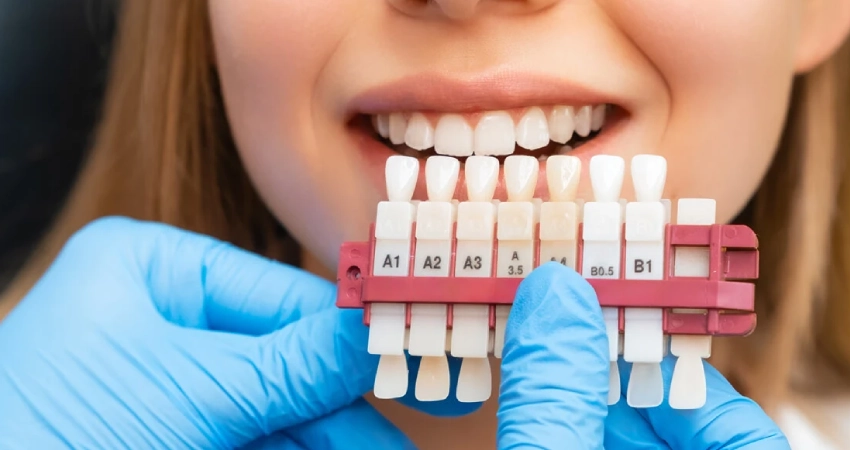
Yes, a fallen veneer can sometimes be reattached, provided both the veneer and underlying tooth remain suitable.
Rebonding may be possible when:
- The veneer is intact without cracks or missing pieces.
- Its internal bonding surface can be properly cleaned and prepared.
- The tooth underneath has not developed significant decay.
- The supporting tooth is not fractured.
- The shape of the tooth has not changed substantially.
- The original failure was primarily related to the bond rather than a structural problem.
If these conditions are met, the dentist can clean and prepare the tooth and veneer before rebonding them with appropriate dental cement.
The bite should also be checked to ensure there is no excessive pressure that could cause the veneer to come loose again.
When Does a Fallen Veneer Need to Be Replaced?
Reattaching the existing veneer is not always the best solution.
A new veneer may be recommended when:
- The original veneer is cracked or broken.
- Part of the veneer is missing.
- There is significant wear or damage.
- Decay has developed underneath or around it.
- The supporting tooth has fractured or changed shape.
- The veneer has repeatedly fallen off despite previous rebonding.
- The existing veneer no longer fits the tooth properly.
Before making a new veneer, the dentist first addresses any decay, fracture, or other problem affecting the tooth.
Identifying why the veneer fell off is particularly important. Replacing it without correcting the original cause could lead to the same problem again.
Does a Fallen Veneer Damage the Tooth?
A veneer falling off does not necessarily mean that the underlying tooth has been damaged.
However, because a small amount of enamel is often removed when preparing a tooth for a veneer, the exposed tooth may feel different and become more sensitive after the veneer comes off.
You may notice:
- Sensitivity to hot or cold temperatures.
- A rough or uneven tooth surface.
- Cosmetic changes, particularly on a front tooth.
The situation becomes more concerning when there is decay, a tooth fracture, persistent pain, or significant sensitivity.
For this reason, it is best not to leave a prepared tooth exposed for an extended period without professional assessment.
Why Does My Veneer Keep Falling Off?
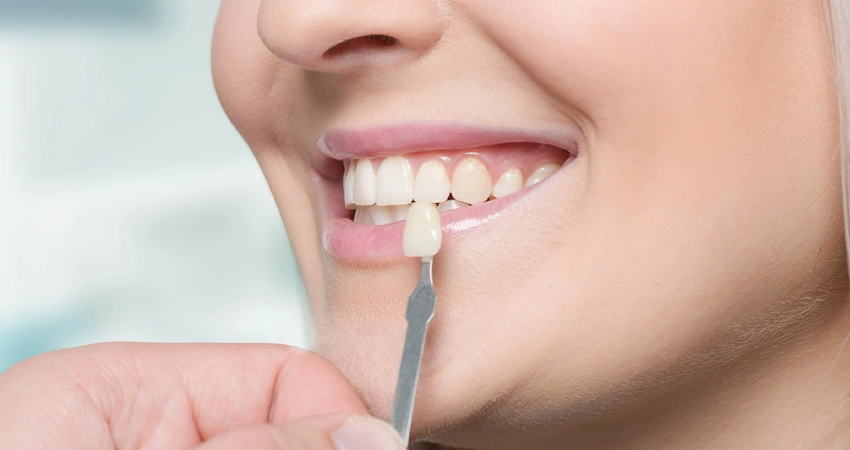
If the same veneer has fallen off repeatedly, there may be an underlying problem that needs to be corrected rather than simply rebonding it again.
Repeated veneer failure can be associated with:
- Inadequate tooth preparation.
- Problems with the bonding technique.
- An unsuitable veneer design.
- Teeth grinding or clenching.
- An unbalanced bite.
- Decay or changes in the underlying tooth.
- Damage to the veneer itself.
A dentist should evaluate the tooth, veneer, and bite to determine why the problem keeps recurring.
Patients who grind or clench their teeth may also benefit from a custom night guard to reduce excessive forces on the veneers and natural teeth.
How Can You Prevent a Veneer From Falling Off?
Good oral hygiene and avoiding excessive pressure can help maintain veneers and the teeth supporting them.
To reduce the risk of veneer problems:
- Brush twice daily with a soft toothbrush.
- Clean between the teeth with dental floss or interdental brushes.
- Avoid biting ice and other extremely hard objects.
- Do not use your teeth to open packages.
- Avoid nail and pen biting.
- Discuss teeth grinding with your dentist.
- Attend regular dental examinations and professional cleanings.
Regular check-ups also allow your dentist to detect early decay around veneer margins, gum changes, bite problems, or signs that a veneer is becoming loose.
If you notice that a veneer moves, feels different when biting, or develops a visible gap around its edge, have it checked before it completely detaches.
Read More : Cleaning teeth from tartar: The complete guide to removing tartar and protecting gums
Your Veneer Fell Off? Get an Assessment With Dr. Abeer Zandaki
A fallen veneer does not automatically mean it needs to be replaced. If the veneer is intact and the supporting tooth remains healthy, rebonding may still be possible.
At Dr. Abeer Zandaki’s clinic, the veneer and underlying tooth are evaluated to identify whether the problem is related to bonding, excessive bite pressure, decay, tooth damage, or the veneer itself. The appropriate option can then be selected, whether that involves rebonding the existing veneer or creating a new restoration.
If your veneer fell off or has started to feel loose, keep it safely and avoid attempting to glue it back at home. Schedule an evaluation to determine the cause and choose the appropriate treatment while preserving the natural tooth whenever possible.