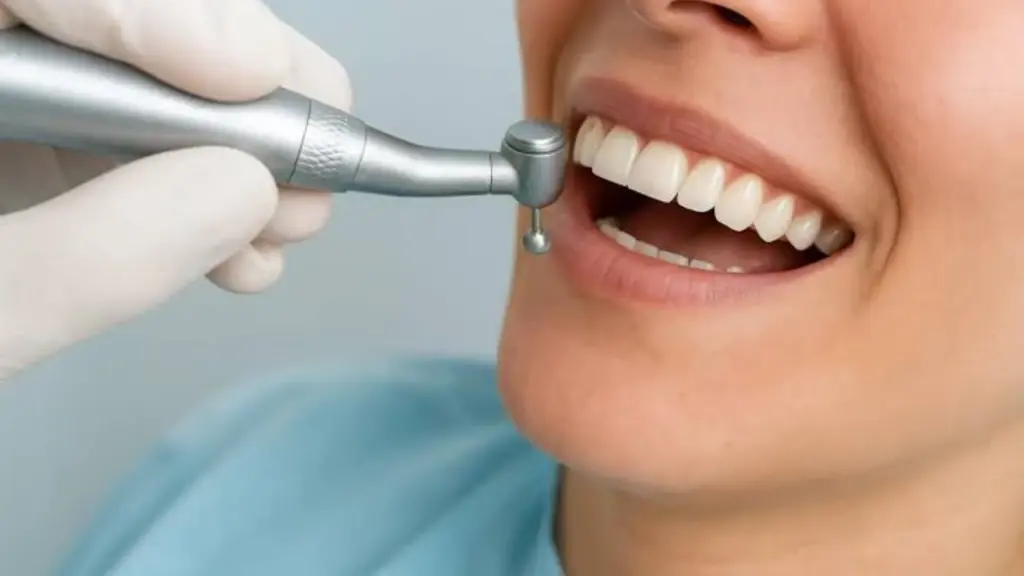
Interproximal Reduction (IPR) is an orthodontic technique used to create small amounts of space between selected teeth, allowing them to move into their planned positions more effectively. Sometimes referred to as teeth shaving for braces, IPR involves carefully removing a controlled amount of enamel from the surfaces between certain teeth as part of an orthodontic treatment plan.
Many patients wonder whether IPR hurts, causes tooth sensitivity, weakens enamel, or is necessary when using clear aligners. The answer depends on the condition of the teeth, the amount of space required, and the overall orthodontic plan. IPR is not routinely needed for every patient undergoing orthodontic treatment.
Table of Contents
What Is Interproximal Reduction (IPR)?
Interproximal Reduction, or IPR, is the controlled removal of a small amount of enamel between selected teeth to create space for orthodontic tooth movement. The orthodontist determines which teeth require IPR and how much space needs to be created based on the patient’s examination and treatment plan.
IPR does not mean extensively shaving down the teeth. It is also different from tooth reshaping performed primarily for cosmetic purposes or from preparing a tooth for restorative treatment.
During orthodontic IPR, the focus is on specific contact areas between neighboring teeth. The objective is to create the required space while preserving as much healthy tooth structure as possible.
For this reason, IPR should be performed as part of a carefully planned orthodontic treatment rather than as a standalone procedure simply because the teeth appear crowded.
Why Is IPR Used During Orthodontic Treatment?
The main purpose of IPR is to create a limited amount of additional space when an orthodontist needs to reposition or align the teeth.
An orthodontist may recommend IPR to:
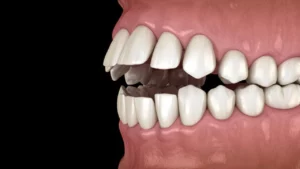
- Create space in certain cases of dental crowding.
- Improve tooth alignment within the dental arch.
- Facilitate specific tooth movements planned during treatment.
- Improve contact areas between certain teeth when necessary.
- Address differences in tooth size or shape when these affect orthodontic alignment.
In selected cases, IPR may be one of the techniques used to create space without extracting a tooth. However, IPR is not a substitute for tooth extraction in every orthodontic case.
Severe crowding or certain problems involving the relationship between the teeth and jaws may require a different approach. The orthodontist therefore determines how space should be created after evaluating the patient’s overall dental and orthodontic condition.
How Is Interproximal Enamel Reduction Performed?
Before performing IPR, the orthodontist identifies the teeth that require additional space and determines how much space should be created according to the treatment plan.
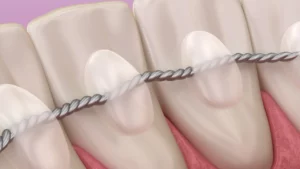
Specialized instruments are then used to carefully reduce a controlled amount of enamel from the contact surfaces between selected teeth. Depending on the case and the technique used, this may involve dedicated abrasive strips or other instruments designed specifically for interproximal enamel reduction.
The procedure is performed gradually, allowing the orthodontist to monitor the amount of space created and ensure that it corresponds with the planned tooth movements.
Importantly, IPR is intended to involve the outer enamel layer rather than the deeper internal structures of the tooth.
The amount of enamel that can be safely reduced varies from one patient to another depending on tooth shape, enamel condition, and the amount of space required. There is therefore no single amount of enamel reduction that is appropriate for every patient.
When Is IPR Used With Clear Aligners?
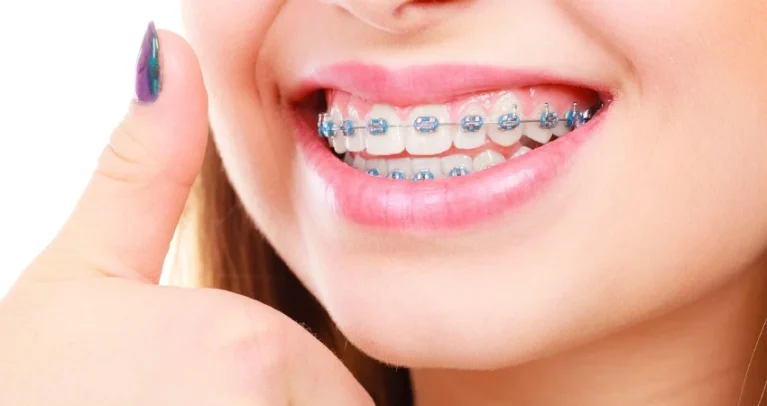
IPR with clear aligners may be recommended when additional space is needed for the teeth to follow their planned movements.
Clear aligner treatment works by gradually repositioning teeth through a carefully planned sequence of aligners. In some cases, the existing space is not sufficient for the intended movement. The orthodontist may then perform IPR between selected teeth to create the necessary room.
IPR may be scheduled at the beginning of treatment or at a particular stage, depending on the treatment plan.
However, not everyone receiving clear aligner treatment needs IPR. Some patients already have sufficient space, while others may require different methods of space management.
Whether IPR is needed with clear aligners depends on factors such as the degree of crowding, tooth shape, available space, and the specific movements planned by the orthodontist.
Does IPR Hurt?
IPR is not usually associated with significant pain when the procedure is limited to the appropriate amount of enamel, although each patient’s experience can be different.
The outer enamel itself does not contain nerves in the same way as the deeper tissues of the tooth. As a result, patients may notice pressure, vibration, or friction during the procedure rather than actual pain.
The experience can vary depending on factors such as pre-existing tooth sensitivity, enamel condition, and the extent of reduction required.
Some patients may notice temporary sensitivity afterward, while others experience little or no noticeable discomfort.
Severe pain or unusual symptoms should not simply be assumed to be a normal consequence of IPR. If significant discomfort develops or persists, the teeth should be evaluated by a dentist or orthodontist.
Can IPR Cause Tooth Sensitivity?
Some patients may experience tooth sensitivity after IPR, but sensitivity is not inevitable.
The teeth may temporarily become more responsive to triggers such as cold or hot foods and drinks, particularly in people who already have sensitive teeth or other factors affecting their enamel.
The intensity and duration of sensitivity can vary considerably between patients, so there is no single timeframe that applies to everyone.
It is also important to distinguish mild, temporary sensitivity from persistent or severe discomfort. If sensitivity continues, becomes more intense, or is accompanied by pain, an examination may be necessary to determine whether another dental issue is involved.
Can IPR Damage Tooth Enamel?
Concerns about IPR and enamel damage are understandable because the procedure involves removing a small amount of enamel.
One important point is that enamel that has been physically removed does not grow back in the same way as living tissue. This is why the amount of enamel reduction must be carefully calculated and controlled.
This does not mean that properly planned IPR automatically weakens or damages the teeth. The procedure is intended to remove only a limited amount of enamel when the patient’s dental condition makes it appropriate.
Problems are more likely to arise when an unsuitable amount of enamel is removed or when the procedure is performed without adequate assessment. Potential concerns may include increased sensitivity or unwanted changes in tooth shape and contact areas.
Patients also commonly wonder whether IPR increases the risk of tooth decay. IPR itself should not be viewed as a direct cause of cavities. Tooth decay is influenced by multiple factors, including plaque accumulation, oral hygiene, diet, and the existing condition of the teeth.
Maintaining good oral hygiene and attending regular dental and orthodontic appointments therefore remain important throughout treatment.
When Is IPR Appropriate, and When May It Not Be Recommended?
The decision to perform IPR cannot be based on dental crowding alone. An orthodontist considers several factors before determining whether enamel reduction is appropriate.
These may include the amount of space required, the size and shape of the teeth, enamel condition, overall dental and gum health, the planned tooth movements, and other available methods for creating space.
IPR may not be appropriate when the condition of the teeth or enamel does not allow for suitable reduction, when the required amount of space exceeds what can reasonably be created with this technique, or when existing dental problems need to be treated first.
For this reason, patients should not view IPR as a procedure they need to request independently. It is an orthodontic technique that should only be incorporated into treatment when it supports the overall treatment plan.
Aftercare Tips Following IPR
Good oral hygiene is particularly important after interproximal reduction, especially during orthodontic treatment when some areas between the teeth can be more difficult to clean.
Brush your teeth according to your dentist or orthodontist’s recommendations and pay particular attention to cleaning between the teeth using dental floss or other interdental cleaning methods recommended for your situation.
If mild sensitivity develops after IPR, follow your dentist’s instructions rather than using dental treatments or products without guidance, particularly if you had sensitive teeth before the procedure.
Regular orthodontic appointments are also important. They allow your orthodontist to monitor tooth movement and ensure that the space created through IPR is being used as intended.
If you experience severe sensitivity, persistent pain, or any unusual changes following the procedure, contact your dentist or orthodontist for an evaluation.
Do You Need IPR as Part of Your Orthodontic Treatment? Book a Consultation at Dr. Amir Zahrawi Clinic
The decision to perform Interproximal Reduction (IPR) depends on more than simply whether your teeth are crowded. Your orthodontist needs to evaluate your tooth shape, enamel condition, available space, and the movements required to achieve the planned alignment.
An orthodontic assessment can determine whether IPR is appropriate for your case or whether another approach to creating space would be more suitable.
At Dr. Amir Zahrawi Clinic, you can have your teeth and bite evaluated and receive an orthodontic treatment plan tailored to your individual needs, including whether interproximal reduction may be required at any stage of treatment.
Book your consultation at Dr. Amir Zahrawi Clinic to have your orthodontic needs assessed and discuss the treatment options suitable for your case.