Table of Contents
How Does Diabetes Affect Your Teeth and Gums?
High blood sugar does not only affect the heart, nerves, and eyes. It also has a clear impact on the health of your mouth, teeth, and gums. The less controlled your blood sugar is, the higher your risk of gum infections, oral problems, and tooth decay.
When blood sugar remains high for long periods, the level of glucose in your saliva also rises. This creates an ideal environment for bacteria to grow in the mouth. As a result, dental plaque builds up faster and gum inflammation and bleeding appear more easily, especially when brushing or flossing.
Diabetes can also weaken the immune system, which makes it harder for your mouth to fight bacterial and fungal infections. Healing after dental treatment or tooth extraction may take longer, especially if blood sugar levels are not well controlled.
In addition, diabetes may cause dry mouth due to reduced saliva production or as a side effect of some medications. Saliva is important for protecting teeth and neutralizing acids in the mouth. A dry mouth increases the risk of tooth decay, bad breath, and cracking or soreness of the oral mucosa.
Keeping your blood sugar under control, combined with regular dental care and routine visits to the dentist, can greatly reduce these complications and help you maintain a healthy mouth and strong teeth for as long as possible.

Common Dental Problems in People With Diabetes
Fluctuations in blood sugar levels affect the environment of the mouth and gums, making some problems more common in people with diabetes than in others. Recognizing these problems early helps prevent them or keep them under control before they progress, and makes dental care for people with diabetes safer and more effective.
Gingivitis and Gum Disease
Gingivitis and periodontal (gum) disease are among the most common oral health problems in people with diabetes. High blood sugar weakens the immune system and reduces the ability of the gums to resist bacteria, leading to increased plaque and tartar buildup around the teeth.
Key symptoms include:
- Red, swollen, or tender gums
- Bleeding gums when brushing or eating
- Persistent bad breath
- Teeth that feel loose or less stable as the condition worsens
Ignoring gum inflammation can lead to loss of bone around the teeth and, in some cases, tooth loss. Anyone with diabetes who notices frequent gum bleeding or swelling should see a dentist promptly.
Dry Mouth
Dry mouth is a frequent complaint in people with diabetes, especially when blood sugar is high or when taking certain medications. Reduced saliva flow can cause constant thirst, difficulty swallowing or speaking, and may even wake you at night to drink water.
Saliva is important because it:
- Helps wash away food particles
- Neutralizes acids produced by bacteria
- Provides minerals (such as calcium) to strengthen tooth enamel
When saliva is reduced, there is a higher risk of:
- Tooth decay
- Mouth ulcers or sore spots
- Cracked lips and soreness at the corners of the mouth
If dry mouth persists, it is best to consult your dentist or diabetes doctor to identify the cause and choose suitable ways to relieve it.
Tooth Decay (Cavities)
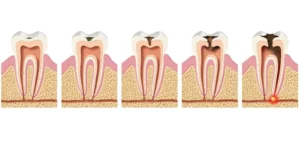
Tooth decay is more common when blood sugar is not well controlled, especially if it is combined with dry mouth and unhealthy eating habits. High blood sugar usually means more sugar in the saliva, which feeds the bacteria that cause cavities.
The risk of tooth decay increases when you:
- Frequently snack on sweets or drink sugary beverages between meals
- Do not brush and floss your teeth regularly
- Have old fillings or dental work that is difficult to clean
Signs of tooth decay can include:
- Pain when eating sweet, cold, or hot foods or drinks
- Sudden sensitivity in a specific tooth
- Visible holes or brown/black spots on the tooth surface
Treating decay in its early stages is easier, less costly, and reduces the chance of needing more complex treatment such as root canal therapy or extraction. Early management of cavities is an essential part of dental care for people with diabetes.
Slow Healing After Dental Procedures
Many people with diabetes experience slower wound healing, including in the mouth after tooth extraction or minor gum surgery. Elevated blood sugar can affect blood flow to the tissues and the body’s ability to repair them.
You may notice:
- Pain or swelling that lasts longer than expected
- Delayed healing of the extraction site
- Increased risk of infection after some procedures
To reduce these risks, it is important to:
- Keep blood sugar as well controlled as possible before any planned dental procedure
- Inform your dentist about your condition, medications, and recent blood sugar readings
- Follow all post-treatment instructions carefully, and contact your dentist right away if you notice unusual pain, discharge, or an unpleasant odor from the wound
Fungal Infections in the Mouth
Oral fungal infections, such as oral thrush (candidiasis), occur more often in people with diabetes, especially if blood sugar is poorly controlled or if the person wears dentures or orthodontic appliances for long periods.
These infections may appear as:
- White or red patches on the tongue or inside the cheeks
- A burning or tingling sensation in the mouth
- An unusual or bitter taste in the mouth
- Sometimes cracks at the corners of the mouth
Weakened immunity and high blood sugar provide a favorable environment for fungal growth. Management usually includes:
- Improving blood sugar control
- Using antifungal medications prescribed by a doctor
- Maintaining good oral hygiene and cleaning any dentures or appliances thoroughly
The frequency and severity of these problems vary from person to person. Paying attention to early symptoms and staying in regular contact with your dentist can significantly reduce complications and help maintain oral health if you have diabetes.
Daily Dental Care Tips for People With Diabetes
Consistent daily care is the foundation for protecting the teeth and gums of anyone living with diabetes and for reducing complications. The better your blood sugar control and the more committed you are to oral hygiene, the lower your risk of gum disease, tooth decay, and dry mouth.
Practical Daily Care Guidelines
Brush Your Teeth at Least Twice a Day
Use a soft-bristled toothbrush and a fluoride toothpaste, especially before bedtime. Gently clean along the gumline and around each tooth for about two minutes, making sure to reach all surfaces (outer, inner, and chewing surfaces). Avoid harsh scrubbing, which can damage the gums; gentle circular movements are usually best.
Use Dental Floss or Interdental Brushes Once a Day
Dental floss helps remove food particles and plaque from between the teeth, where a toothbrush cannot reach. If floss is difficult to use, small interdental brushes may be a good alternative. This step is particularly important for people with diabetes, as gum infections can develop more quickly when bacteria build up.
Clean Your Tongue
Gently cleaning the tongue with a toothbrush or a tongue scraper helps reduce bacteria that cause bad breath and may lower the risk of oral fungal infections, which are more common in people with diabetes.
Choose a Suitable Mouthwash
If recommended by your dentist, you may use an alcohol-free antibacterial mouthwash, especially if you have recurrent gum inflammation. If you suffer from dry mouth, avoid mouthwashes that increase dryness, and follow your dentist’s advice on suitable products.
Keep Your Mouth Hydrated
Drink water regularly throughout the day. Chewing sugar-free gum or snacking on small pieces of crunchy vegetables, such as cucumber or carrots, can help stimulate saliva flow and reduce dryness. Try to avoid sweets and sugary drinks, as they can raise blood sugar and increase the risk of cavities.
Control Your Blood Sugar as Well as Possible
Good diabetes control is a key part of dental care for people with diabetes. Persistent high blood sugar weakens the immune system and makes the gums more likely to become inflamed, bleed, and heal slowly.
Check Your Mouth Every Day
It is helpful to regularly look for any changes in your mouth, such as gum redness or swelling, bleeding when brushing, unusual bad breath, white or red patches on the tongue or inner cheeks, or sores that do not heal. If you notice any of these symptoms, make an appointment with your dentist rather than waiting, as early intervention helps prevent complications.
When Should Someone With Diabetes See a Dentist?
People with diabetes generally need more frequent dental check-ups than others. Even a minor gum or tooth problem can progress quickly if not treated, especially when blood sugar is high. Regular visits and early examination greatly lower the risk of oral complications.
In most cases, it is recommended to:
- Visit the dentist at least every 6 months for a check-up and professional cleaning, even if you do not have any obvious symptoms.
- Some people, especially those with frequent gum problems or poorly controlled diabetes, may be advised to come every 3–4 months, depending on the dentist’s assessment.
In addition to routine visits, you should book an urgent appointment if you notice:
- Frequent or heavy gum bleeding, or swollen, red, and painful gums
- Persistent bad breath that does not improve despite good brushing
- Tooth pain when chewing or when drinking hot or cold beverages
- A dental abscess or swelling in the gums, cheek, or under the jaw
- Mouth ulcers that do not heal within two weeks, or unusual white or red patches
- Loose teeth or changes in the way your teeth bite together
- You are planning a major dental procedure (such as tooth extraction, dental implants, or gum surgery). Let your dentist know about your diabetes, medications, and recent blood sugar readings.
Timing also matters. Appointments are often best scheduled for a time of day when your blood sugar is usually well controlled, such as in the morning after a light meal and your usual diabetes medications. This can help reduce the risk of low blood sugar or delayed healing. In all cases, it is advisable to discuss your follow-up plan and the number of visits you need with both your dentist and your diabetes care team, as needs vary from person to person.
Can People With Diabetes Have Dental Treatments Safely?
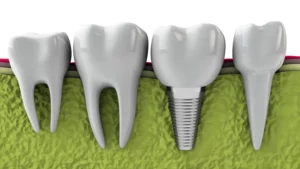
In most cases, people with diabetes can safely receive common dental treatments, including professional cleanings, fillings, root canal treatments, tooth extractions, and even dental implants, provided blood sugar levels are reasonably controlled and there is good coordination between the dentist and the diabetes care provider.
To help keep dental treatment as safe as possible, the following points are usually considered:
- Keep blood sugar under control as much as you can before any dental procedure, and inform your dentist about your current levels and all medications you are taking.
- Avoid scheduling appointments at times when your blood sugar tends to be unstable. Morning appointments after a light meal and your diabetes medication often work best.
- For surgical procedures (such as extractions or minor gum surgery), your dentist may prescribe antibiotics or an antiseptic mouthwash to help prevent infection, as healing can be slower in some people with diabetes.
- Monitor the treated area carefully after the procedure, and contact your dentist if you notice increasing pain, significant swelling, discharge, or fever.
- Tell your dentist immediately if you develop symptoms of low blood sugar during the visit, such as sweating, dizziness, or shaking. Always keep a snack or fast-acting source of sugar within reach.
The type of treatment, the severity of diabetes, and your overall health can vary widely. It is important to discuss your treatment plan with your dentist and the doctor managing your diabetes. Together, they can assess potential risks and choose the safest timing and approach for your specific situation.
How Can Dr. Abeer Zendagi Help Protect Your Oral Health if You Have Diabetes?
Dr. Abeer Zendagi approaches oral health in people with diabetes as an essential part of overall diabetes management, not as a series of isolated dental treatments. The goal is to reduce inflammation, prevent complications, and make dental visits as safe and comfortable as possible.
Her approach typically includes:
- Comprehensive assessment of your teeth and gums, taking into account your blood sugar control and medical history.
- Creating an individualized treatment plan that considers the type of diabetes you have, the medications you use, and your level of blood sugar control.
- Scheduling regular preventive cleanings and follow-up visits to detect and treat gum inflammation or bleeding at an early stage.
- Coordinating with your endocrinologist or family physician when needed to adjust the timing of medications or insulin around dental procedures.
- Educating you on home dental care techniques for people with diabetes, including proper brushing methods, choosing the right toothpaste, and using mouthwash and floss correctly.
- Providing clear instructions before and after any treatment (such as extractions, fillings, or root canal therapy) to help minimize the risk of infection and delayed wound healing.
If you live with diabetes, choosing a dentist who understands how diabetes affects the mouth, such as Dr. Abeer, can help you protect your teeth and gums while respecting your overall health needs. Regular follow-up and prompt attention to any unusual signs in your mouth or gums remain essential parts of staying well.