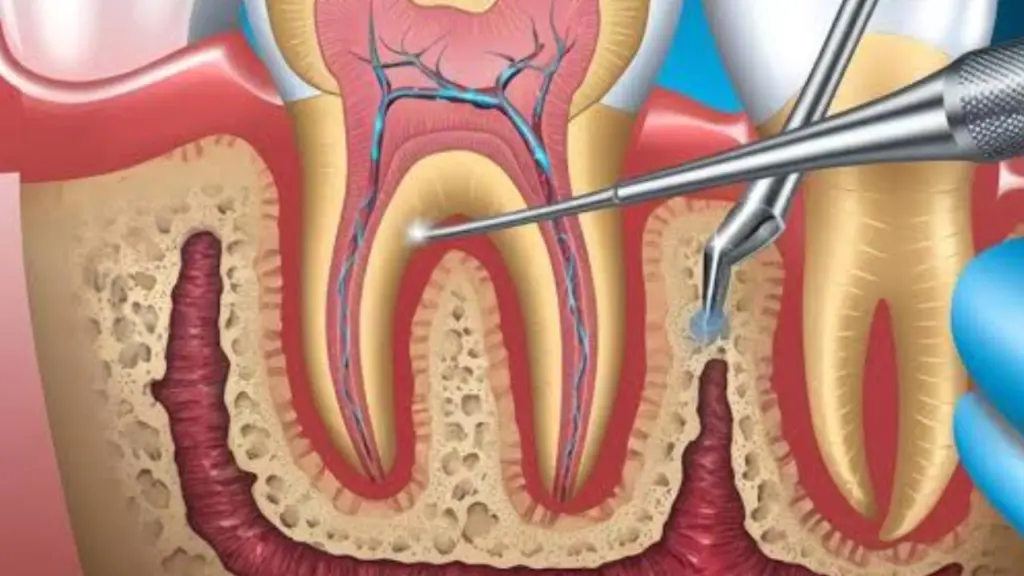
After root canal treatment, a tooth needs an appropriate restoration to restore its shape, function, and protection against fracture. In many cases, particularly with back teeth or teeth that have lost significant structure, a dental crown after a root canal may be recommended.
Table of Contents
However, not every root canal-treated tooth automatically needs a crown. The decision depends on how much healthy tooth remains, where the tooth is located, the size of existing fillings, the presence of cracks, and the forces placed on the tooth when biting.
Why Might a Tooth Need a Crown After a Root Canal?
Teeth that require root canal treatment are often already weakened by deep decay, fractures, or previous large restorations. Additional tooth structure may also need to be removed during treatment to access and clean the root canals.
As a result, the remaining walls may be less able to withstand normal chewing forces.
A dental crown covers and protects the remaining tooth structure and may help:
- Reduce the risk of fracture.
- Restore the natural shape and function of the tooth.
- Distribute biting forces more evenly.
- Protect the restoration sealing the treated tooth.
- Improve appearance when the tooth is damaged or discolored.
Still, a crown is not required simply because a root canal was performed. Some teeth can be restored successfully with a filling or another more conservative restoration.

When Is a Dental Crown After a Root Canal Necessary?
The need for a crown increases when the tooth has a higher risk of fracture or has already lost substantial structure.
Significant Loss of Tooth Structure
Deep decay or a large fracture may leave only thin walls of natural tooth after root canal treatment.
The less healthy tooth structure that remains, the more important it becomes to protect the tooth from chewing forces. A crown may therefore be recommended instead of relying on a large filling alone.
Large Fillings or Weak Tooth Walls
A tooth with a large existing filling has already lost a considerable amount of natural enamel and dentin.
If the surrounding walls are thin or weakened, another filling may not provide enough protection. A crown can cover both the restoration and the remaining tooth structure.
Back Teeth Under Heavy Chewing Forces
Molars and premolars handle much of the pressure generated during chewing and grinding. For this reason, root canal-treated back teeth are more likely to require crowns than front teeth.
The need for protection may be even greater in people who grind or clench their teeth.
Read More About: Involuntary Teeth Grinding (Bruxism): Causes, Symptoms, and Treatment Options
Cracks or Existing Fractures
A tooth may have fine cracks that are difficult for the patient to notice. When significant cracks or weakened cusps are present, covering the tooth can help reduce the risk of further fracture.
However, some cracks can extend too deeply for a crown to save the tooth, which is why a clinical assessment is essential.
Read More: Causes of tooth cracks: Why do cracks occur and how to avoid them
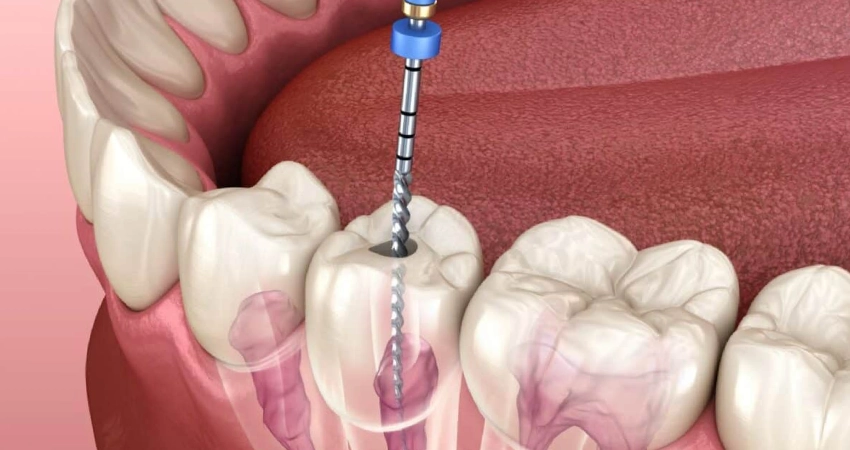
Do Front and Back Teeth Have the Same Need for Crowns?
No. Tooth location is an important factor when deciding whether a crown is necessary.
Back teeth, including molars and premolars, are exposed to considerably greater chewing forces. They are also frequently affected by large cavities or old fillings before root canal treatment is needed. For these reasons, crowns are commonly recommended for root canal-treated back teeth.
Front teeth experience different biting forces and may retain more healthy structure. When an anterior tooth remains structurally strong and has only a small access opening, a conservative restoration may sometimes be sufficient.
A front tooth may still require a crown when there is:
- Significant loss of tooth structure.
- A large fracture.
- Weak or cracked walls.
- Severe discoloration that cannot be managed with a more conservative cosmetic treatment.
The decision should therefore be based on the individual tooth rather than a general rule that every root canal requires a crown.
Read About: Deep Tooth Discoloration: When Is Whitening Not Enough and What Are the Alternatives?
What Happens If You Do Not Get a Crown After a Root Canal?
If the dentist determines that a crown is not necessary, leaving the tooth without one may be completely appropriate.
The concern arises when a structurally weak tooth requires protection but the final restoration is delayed or not completed.
Possible complications include:
Tooth Fracture
Thin or unsupported walls may crack under repeated chewing forces. Some fractures can be repaired, while others may extend below the gumline or into the root and make the tooth difficult or impossible to restore.
Filling or Restoration Failure
Large fillings can wear, fracture, or develop gaps around their margins over time. This may weaken the remaining tooth further and compromise the seal of the restoration.
Bacterial Leakage
A root canal-treated tooth needs a reliable seal from the oral environment. If a temporary or permanent restoration becomes damaged, bacteria may enter through gaps and potentially compromise the previous treatment.
For this reason, the goal is not necessarily to place a crown on every treated tooth, but to complete the appropriate permanent restoration within the timeframe recommended by the dentist.
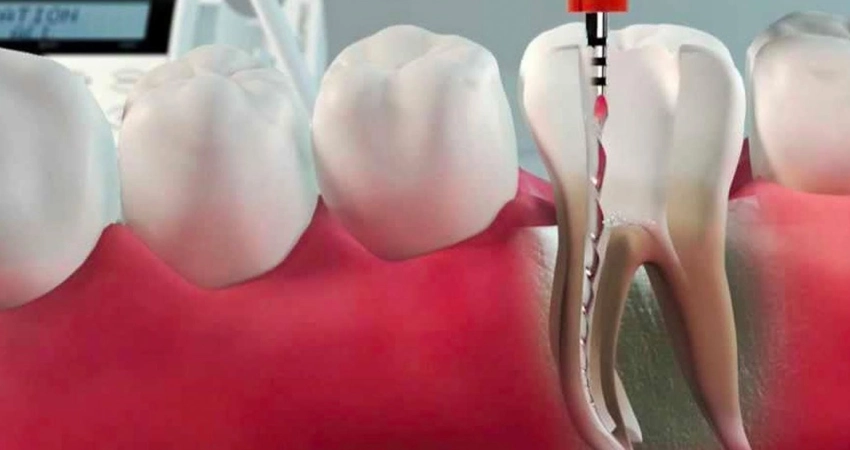
How Does a Dentist Choose the Right Restoration After a Root Canal?
The dentist evaluates several factors before deciding between a crown, filling, or another type of restoration.
These include:
- The amount of healthy tooth structure remaining.
- Whether the tooth is anterior or posterior.
- The size of previous fillings.
- Presence of cracks or fractures.
- Bite strength.
- Teeth grinding or clenching.
- Cosmetic requirements.
- Condition of the surrounding gums and teeth.
When enough strong natural tooth remains, a conservative restoration may be possible. When the tooth has lost substantial structure or its walls are weak, greater coverage may be recommended.
There are also options between a filling and a traditional full crown, such as an onlay, which may be appropriate in selected cases.
The best choice therefore depends on the individual tooth and should be made after clinical examination and appropriate dental imaging.
What Types of Crowns Are Used After Root Canal Treatment?
If a crown is recommended, the material is selected according to the location of the tooth, bite forces, aesthetic requirements, and the amount of tooth structure available.
Common options include:
- Zirconia crowns.
- All-ceramic crowns.
- Porcelain-fused-to-metal crowns.
Different materials offer different combinations of strength, appearance, and clinical characteristics. There is no single crown material that is best for every root canal-treated tooth.
Some significantly damaged teeth may also need a core build-up before the crown is placed. In certain cases, additional internal support may be considered depending on how much tooth structure remains.
How Long After a Root Canal Should You Get a Crown?
The timing depends on the condition of the tooth and the treatment plan.
If a crown or another definitive restoration has been recommended, it is generally important not to leave the tooth with a temporary filling longer than advised. A temporary restoration is designed to protect the tooth for a limited period and may wear or lose its seal.
Your dentist will determine when the permanent restoration should be placed after confirming that the root canal treatment and surrounding tissues are in an appropriate condition.
Until the final restoration is completed, patients may also be advised to avoid excessive chewing pressure on the treated tooth.
Protect Your Root Canal-Treated Tooth With Dr. Abeer Zendaqi
Restoring a tooth after root canal treatment is an important part of preserving it. The right solution may be a full crown, a filling, an onlay, or another restoration depending on the condition of the individual tooth.
At Dr. Abeer Zendaqi’s clinic, the remaining tooth structure, tooth position, bite, existing restorations, and surrounding tissues are evaluated before recommending the appropriate option.
If you have recently completed root canal treatment and are wondering whether you need a crown after a root canal, you can schedule an evaluation to determine the appropriate restoration and protect the treated tooth for the long term.