Table of Contents
What Is the Difference Between Tooth Erosion and Tooth Decay?
Many people confuse tooth erosion with tooth decay because both can lead to pain, sensitivity, and an unattractive smile. However, understanding the difference between tooth erosion and tooth decay is important, as the causes, treatment options, and prevention strategies are quite different.
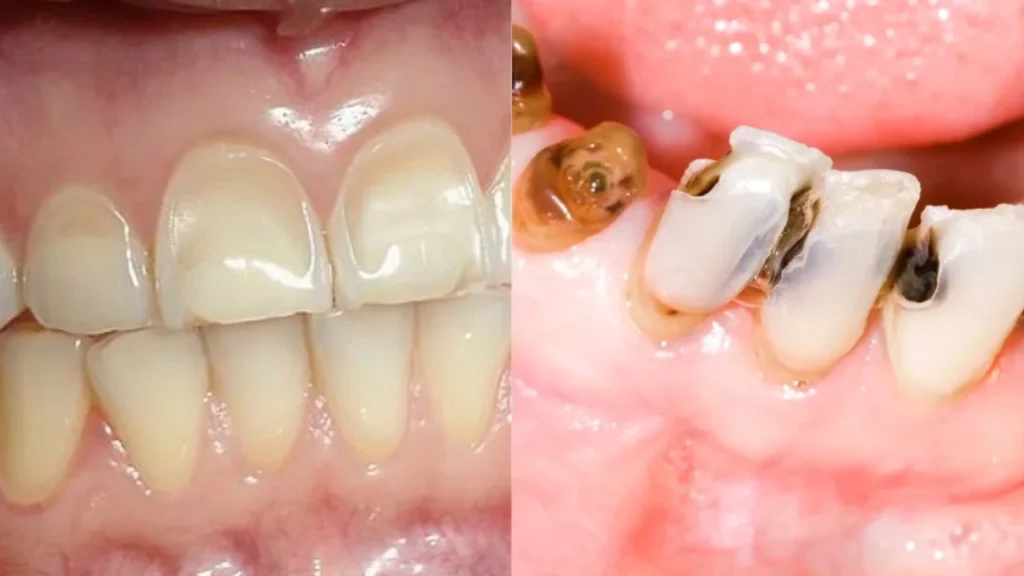
Tooth erosion is a gradual loss of the hard outer layer of the tooth (enamel). It usually happens because of chemical or mechanical factors, such as strong acids from food and drink, acid reflux from the stomach, or excessive wear from grinding or aggressive brushing. In erosion, bacteria are not the main cause; instead, substances or forces directly wear away or dissolve the tooth surface.
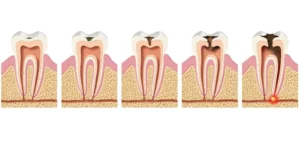
Tooth decay, on the other hand, is a bacterial infection that affects the tooth structure. Bacteria feed on sugar residues in the mouth and produce acids that attack the enamel and create cavities. If left untreated, decay can progress into the dentin and the pulp and cause severe pain.
In summary:
- Tooth erosion = Chemical and/or mechanical damage to the tooth surface without a primary bacterial cause.
- Tooth decay = Damage caused by bacteria that produce acids, leading to cavities in the tooth structure.
Knowing the difference between tooth erosion and tooth decay helps your dentist choose the most appropriate treatment plan, and helps you adjust your daily habits to prevent both conditions as much as possible.
What Causes Tooth Erosion vs. Tooth Decay?
Tooth erosion and tooth decay arise from very different underlying factors, even though the end result may look similar (loss of tooth structure and sensitivity). Understanding the causes makes it easier to see the difference between tooth erosion and tooth decay and to choose the right preventive and treatment steps with your dentist.
Causes of Tooth Erosion
Tooth erosion occurs when the enamel is directly exposed to acids or significant friction over long periods of time, without bacteria playing the main role.
1) Acidic foods and drinks
Acidic foods and beverages weaken and gradually dissolve tooth enamel, such as:
- Soft drinks and canned juices
- Citrus juices (like lemon, orange, and grapefruit), especially if sipped frequently or over long periods
- Frequently snacking on acidic fruits throughout the day
The more often your teeth are exposed to acid, the higher the risk of erosion, even if the amount is small each time. Drinking water afterwards, and avoiding brushing immediately after acidic foods or drinks, can help limit the damage.
2) Acid reflux
With gastroesophageal reflux disease (GERD) or frequent vomiting (for example, in some eating disorders or in complicated pregnancy with severe vomiting), strong stomach acids reach the mouth and contact the teeth, especially the inner surfaces of the upper front teeth.
This acid is far stronger than dietary acids and over time can lead to:
- Extensive enamel erosion
- Increased sensitivity and shortened teeth
In these situations, managing reflux with a gastroenterologist is a key step in protecting the teeth from erosion.
3) Teeth grinding (bruxism)
Grinding or clenching the teeth, especially during sleep or in times of stress, does not dissolve enamel chemically but wears it down mechanically through constant friction.
This can result in:
- Flattened biting edges of the teeth
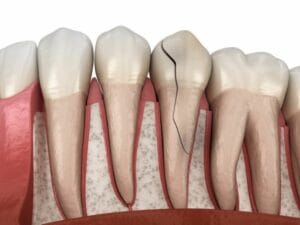
- Tiny cracks in the enamel
- Pain in the jaw joint or surrounding muscles
A custom night guard prescribed by your dentist can significantly reduce this friction and help protect the teeth over the long term.
4) Other contributing factors
Other factors can increase the risk or speed of tooth erosion, such as:
- Chronic dry mouth (reduced saliva), whether from certain medications or salivary gland disorders
- Brushing too hard, using a hard-bristled toothbrush, or using very abrasive whitening toothpastes, which can cause so-called “cervical” wear near the gum line
- Occupational exposure to acidic substances (in some factories or laboratories)
In these cases, adjusting daily habits, choosing gentler cleaning tools, and consulting a doctor if you have persistent dry mouth are important to help reduce erosion.
Causes of Tooth Decay
Tooth decay is a localized bacterial infection. It depends on the presence of specific bacteria and the right conditions for them to grow (sugar + time + poor cleaning). These bacteria then produce acids that dissolve the enamel at specific points.
1) Bacteria
The mouth naturally contains many different types of bacteria. Some of these are responsible for tooth decay. They gather on the tooth surface inside a sticky layer and use food debris as their fuel.
When these bacteria feed on sugars, they produce acids that:
- Remove minerals from the enamel
- Cause a small cavity that may first appear as a chalky white spot, then gradually turn into a brown or black lesion
Having large amounts of these bacteria together with poor oral hygiene is one of the most important causes of tooth decay.
2) Sugars
Sugars are the main fuel for decay-causing bacteria, especially:
- Sticky sweets (caramel, chewy chocolate, gummy candies)
- Sugary drinks (juices, soft drinks, sweetened tea and coffee)
It is not just how much sugar you consume that matters, but also:
- How often you consume it during the day
- How long it stays on your teeth (for example, nibbling on sweets little by little or sipping a sugary drink over a long period)
Each time you eat sugar, the acidity in your mouth rises for about 20–30 minutes. Eating sugary foods or drinks many times a day means your teeth spend most of the time in an acidic environment, which increases the risk of tooth decay.
3) Plaque
Dental plaque is a sticky, whitish film that adheres to the teeth and gums. It consists of:
- Bacteria
- Food debris
- Components of saliva
If this layer is not removed regularly with brushing and flossing:
- It becomes thicker and more heavily loaded with bacteria
- Over time, it hardens into tartar (calculus) that firmly attaches to the teeth
The presence of plaque and tartar makes teeth harder to clean and provides a protected environment for bacteria, increasing the risk of both tooth decay and gum disease.
4) Poor oral hygiene
Inadequate or irregular daily oral care is a major factor in the development of tooth decay, including:
- Not brushing twice daily with a fluoride toothpaste
- Not using dental floss or interdental brushes to clean between the teeth
- Not visiting the dentist regularly to detect decay in its early stages
Other factors can raise the risk of tooth decay, such as:
- Crowded or misaligned teeth that trap food easily
- Dry mouth due to medications or disease, which reduces the protective effects of saliva
- Old, poorly fitting fillings or crowns that trap food and bacteria underneath
Understanding these factors helps clarify the difference between tooth erosion and tooth decay and guides you toward tailored preventive steps in cooperation with your dentist.
How Do the Symptoms of Tooth Erosion and Tooth Decay Differ?
The difference between tooth erosion and tooth decay is not only in the causes but also in how the symptoms look and progress. Noticing these differences can help your dentist make an accurate diagnosis and can encourage you to seek advice early, before complications develop.
Common symptoms of tooth erosion
- Pain or sensitivity when eating or drinking something cold, hot, or acidic, often without a visible hole in the tooth
- A brief “electric shock” or sharp twinge when the tooth touches a cold or acidic drink
- A gradually more yellow appearance of the teeth as the thin enamel layer wears away and the underlying, more yellow dentin becomes visible
- Front teeth edges (incisors) may look slightly translucent, uneven, or worn
- In advanced cases, you may feel that the teeth are shorter, or that the chewing surfaces look overly smooth and flattened
Common symptoms of tooth decay
- A visible hole, pit, or dark brown/black spot on the tooth surface, which you may see in the mirror or feel with your tongue
- Pain when biting or chewing, which may progress to spontaneous, persistent pain if the decay reaches the nerve (pulp)
- Bad breath or an unpleasant taste in the mouth due to bacterial activity inside the cavity
- Sensitivity to sweet, cold, or hot foods and drinks, usually localized to one specific tooth that shows obvious signs of decay
- In more advanced stages: swelling or an abscess in the gum near the affected tooth, with throbbing pain that can radiate to the jaw or ear
If you notice changes in the shape of your teeth together with increasing sensitivity but no obvious cavities, erosion is often the more likely cause. If you see or feel holes or spots in a specific tooth along with pain when chewing, that suggests tooth decay.
However, only a dental examination can confirm the cause, as symptoms can overlap and vary from one person to another.
Is the Treatment Different for Tooth Erosion and Tooth Decay?
Yes. The treatment of tooth erosion is different from the treatment of tooth decay because the nature of the problem is different.
In tooth decay, the damage is caused by bacteria creating cavities in the tooth. In tooth erosion, the tooth surface is gradually worn away by acids or mechanical forces. Your dentist will choose a treatment plan that matches the cause, the severity of the damage, and the condition of the gums and the rest of your teeth. In some cases, a combination of treatments may be required.
Treatment of tooth erosion
Treatment for erosion usually focuses on:
- Stopping or reducing the underlying cause (such as managing acid reflux, changing the diet, or treating teeth grinding)
- Using toothpastes and fluoride products with a higher concentration to strengthen the remaining enamel
- Smoothing and reshaping mildly eroded surfaces to improve the bite and reduce sensitivity
- Restoring worn teeth with tooth-coloured fillings or crowns when a significant amount of tooth structure is lost and chewing or appearance is affected
- In very advanced cases, planning a comprehensive reconstruction to restore the vertical dimension of the teeth and rebuild the smile
Treatment of tooth decay
Treatment for decay generally focuses on:
- Removing decayed tooth tissue, cleaning the cavity, and replacing the lost structure with an appropriate filling material (often tooth-coloured fillings, especially in front teeth)
- Using fluoride (either professionally applied in the clinic or via prescribed gels or pastes at home) for very early decay in an attempt to stop or reverse it before a cavity forms
- Root canal treatment if decay reaches the pulp and causes severe pain or an abscess, followed by a strong restoration or crown to protect the tooth
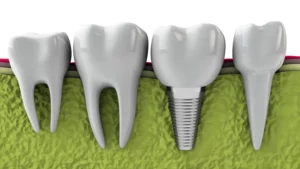
- Extraction as a last resort, only when erosion or decay has destroyed the tooth to the point that it cannot be reliably restored, with consideration of replacement options such as implants or bridges when appropriate
In both erosion and decay, lifestyle changes and consistent daily oral care are essential to prevent the problem from recurring or getting worse. Your dentist will determine the most suitable plan after a clinical examination and X-rays, because what works well for one person may not be ideal for another.
How Can You Prevent Tooth Erosion and Tooth Decay?
Prevention of tooth erosion and tooth decay relies on simple but consistent daily habits. Although the causes of erosion differ from the causes of decay, good oral care and a healthy lifestyle significantly reduce the risk of both conditions.
Tips to prevent tooth erosion (mainly caused by acids and wear)
- Limit acidic foods and drinks such as soft drinks, citrus juices, and energy drinks, and avoid sipping them slowly over long periods.
- Drink water after consuming anything acidic. Using a straw for acidic drinks can also help reduce direct contact with the teeth.
- Avoid brushing your teeth immediately after acidic foods or drinks; wait about 30 minutes to allow the mouth’s pH to return to normal.
- Seek medical care for acid reflux or frequent vomiting, as strong stomach acids are a major cause of enamel erosion.
- Visit your dentist if you suspect teeth grinding so they can provide a night guard if needed.
Tips to prevent tooth decay (mainly caused by bacteria, sugars, and plaque)
- Brush your teeth at least twice daily with a fluoride toothpaste, and clean your tongue.
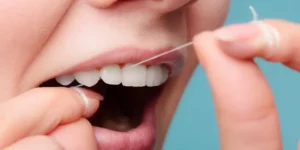
- Use dental floss or interdental brushes once a day to remove food particles between the teeth, where decay often starts.
- Limit sugary and sticky foods (such as gummy candies and caramel), especially between meals and before bedtime.
- Avoid constant snacking throughout the day, which prolongs the time your teeth are exposed to acids.
- Use a fluoride mouthwash if recommended by your dentist.
- Have regular check-ups and professional cleanings every 6 months or as advised, so any early signs of decay or erosion can be detected and managed before they progress.
Knowing the difference between tooth erosion and tooth decay helps you adjust your habits more precisely, but regular check-ups and professional advice remain the most reliable way to keep your teeth healthy in the long term.
How Can Dr. Abeer Zindaki Help Diagnose and Treat Tooth Erosion and Tooth Decay?
Seeing an experienced dentist is essential to understand the difference between tooth erosion and tooth decay in your specific case and to design a treatment plan tailored to your needs. This is where Dr. Abeer Zindaki’s experience in accurately and carefully managing enamel and dentin problems becomes especially valuable.
1. Accurate and early diagnosis
- Comprehensive clinical examination of the teeth and gums, including the assessment of sensitive areas, colour changes, and any cracks or cavities.
- Use of dental X-rays when needed to detect deep decay that cannot be seen with the naked eye and to distinguish it from superficial erosion.
- Assessment of your lifestyle and eating habits, such as your intake of soft drinks or acidic beverages, the presence of acid reflux, or nighttime teeth grinding.
- Clear explanation of whether the damage is mainly due to chemical/mechanical erosion or bacterial decay, with a discussion of severity and realistic treatment options.
2. Individualized treatment plans
- For decay: aesthetic fillings and root canal treatments when needed, aiming to preserve as much natural tooth structure as possible.
- For erosion: restorative materials chosen to protect remaining enamel, or crowns and bridges when there has been major tooth loss, with attention to improving the bite to prevent further wear.
- Practical guidance on adjusting daily habits (brushing technique, type of toothpaste, timing of acidic foods and drinks, and using a night guard if you grind your teeth).
- Use of fluoride and other enamel-strengthening agents when appropriate to reduce sensitivity and slow down further damage.
3. Long-term preventive follow-up
- Scheduling regular visits for check-ups, professional cleaning, and monitoring early changes in enamel or the appearance of new decay.
- Reviewing how well the treatment and preventive measures are working and adjusting the plan according to each patient’s response, as the severity and speed of erosion or decay differ from person to person.
- Educating you on daily home care tailored to your situation (for example, high sensitivity, previous erosion, existing fillings or crowns).
If you notice pain, sensitivity, changes in tooth colour, or chipping at the edges of your teeth, booking an appointment with Dr. Abeer Zindaki can help you identify the exact cause, determine whether it is tooth erosion or tooth decay, and start an appropriate plan to protect your teeth over the long term.