Do dental fillings last a lifetime?
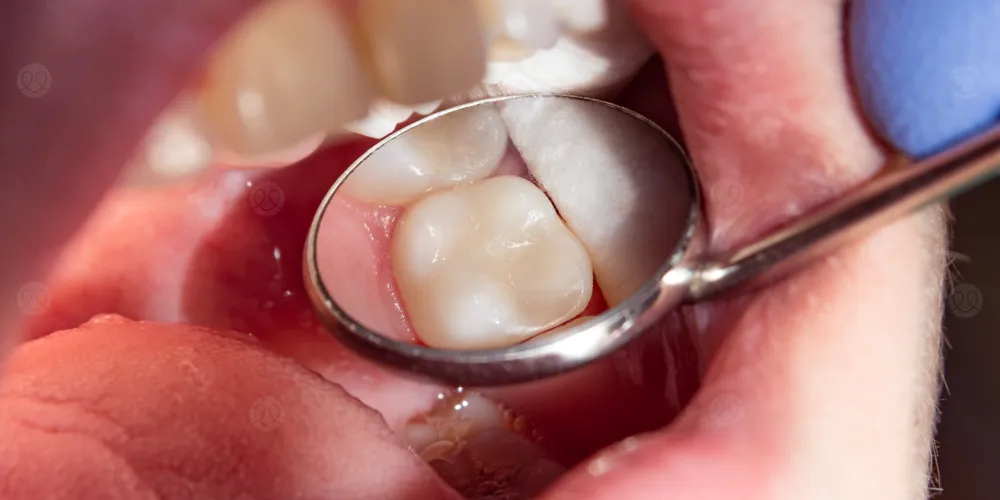
Dental fillings typically do not last a lifetime. Each filling has an expected lifespan that varies depending on the material used and the individual’s oral hygiene habits.
Over time, fillings are subjected to wear and constant chewing forces. Tiny gaps can form between the filling and the tooth structure, allowing bacteria to seep in and cause recurrent (secondary) decay beneath the filling.
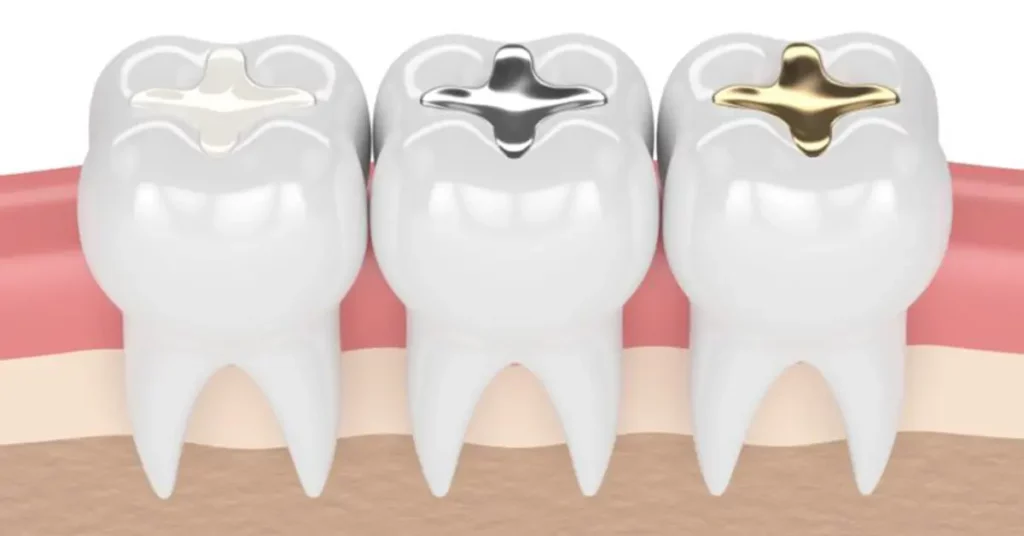
Amalgam (silver) fillings usually last about 10–15 years, while tooth‑colored composite resin fillings tend to last around 7–10 years on average, though they may last longer with excellent care.
Brushing twice daily, using dental floss, avoiding biting hard objects or very hard foods, and maintaining regular dental check-ups can all help prolong the life of fillings and reduce the risk of fracture or debonding from the tooth.
Even if a filling appears intact, it is important to have it checked periodically so that any wear, marginal leakage, or microcracks can be detected early and the filling replaced before the problem progresses to deep decay or severe tooth pain.
What causes fillings to wear down over time?
Constant Pressure While Chewing
Persistent, excessive biting force is one of the main reasons fillings wear down over time, especially those placed in the posterior teeth that bear the load of grinding food.
When we overuse our teeth, or frequently eat very hard foods such as hard nuts, ice, or bones, the filling is exposed to repeated mechanical stress that leads to microscopic cracks in the restorative material.
Over time, these microcracks widen and weaken the bond between the filling and the tooth structure, causing marginal breakdown or partial loss of the filling.
For this reason, it is advisable to chew in a balanced way and avoid abnormal forces on the teeth to help prolong the lifespan of dental fillings and reduce the need for frequent replacement.
Bruxism and Harmful Oral Habits
Daytime or nighttime bruxism (involuntary clenching or grinding of the teeth) is a common factor that accelerates the wear and deterioration of fillings over time.
The excessive forces generated by bruxism often exceed normal chewing forces, leading to abrasion of the filling surface, cracking, and sometimes even fracture of part of the tooth itself.
Harmful oral habits such as nail biting, opening packages with the teeth, and chewing on pens also increase abnormal stress on restorations, reducing their stability and speeding up their breakdown.
Managing bruxism with a night guard (occlusal splint) and eliminating harmful oral habits directly helps protect dental fillings and maintain the results of caries treatment for a longer period.
Thermal Changes from Food and Beverages
Repeated exposure to temperature changes from hot and cold foods and drinks is an important factor in the gradual deterioration of fillings.
Restorative materials such as dental amalgam or composite resin have a coefficient of thermal expansion that differs slightly from that of enamel and dentin.
When switching rapidly between hot and cold beverages, the filling repeatedly expands and contracts, creating stress at the interface between the restoration and the tooth.
Over the years, this thermal stress may lead to the formation of microgaps around the filling margins, marginal breakdown, or microleakage that allows bacteria to penetrate and initiate recurrent caries beneath the filling.
Moderation in consuming extremely hot or cold foods, and avoiding sudden temperature shifts, helps maintain the stability of restorations and reduce their rate of degradation.
Natural Wear of Restorative Materials
Even with good oral hygiene, restorative materials undergo natural wear over time due to daily function and continuous contact with food and opposing teeth.
Each type of filling has an expected service life that depends on the material used (such as amalgam or aesthetic composite restorations), the placement technique, and the level of oral care.
With time, the surface of the filling may become rougher and lose its luster, making it more prone to plaque and bacterial accumulation, which in turn increases the risk of marginal caries or discoloration of the restoration.
This gradual wear is normal and anticipated, and it necessitates periodic dental checkups to assess the condition of the fillings, smooth or re-polish their surfaces, or replace them when indicated, in order to preserve tooth health and the function of the restoration for as long as possible.
What signs of filling wear require a dental visit?
Key signs that a dental filling is wearing out and needs a dentist’s assessment include sudden tooth pain or new sensitivity when eating or drinking something cold, hot, or sugary—especially if this sensitivity wasn’t present before.
Noticing a sharp or rough edge with your tongue around the filling, or feeling that the filling is either higher or lower than the surrounding tooth surface, is also a common indication that the filling is worn, chipped, or starting to come loose.
You may also observe a change in the color of the filling, dark staining around its margins, or a small gap between the filling and the tooth where food can get trapped, which increases the risk of decay forming underneath the filling.
In some cases, you might hear a faint clicking sound when you bite down, or feel discomfort when chewing on the side with the worn filling.
If you notice any of these warning signs of filling deterioration, it’s important not to delay and to schedule an appointment with your dentist promptly. Early evaluation and replacement of the filling can prevent the problem from progressing to deep tooth decay or inflammation of the dental pulp (tooth nerve).
Onset of Tooth Sensitivity
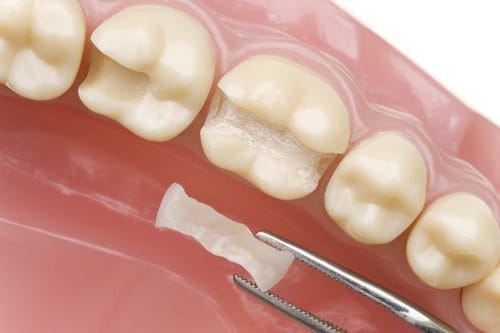
The sudden appearance of tooth sensitivity some time after a filling is placed can be one of the earliest signs of filling deterioration that require a dental check-up.
If you start to feel a sharp twinge or pain when consuming hot or cold drinks, or when eating sweets, this may indicate microleakage around the filling or gradual shrinkage of the filling material over time.
This leakage allows bacteria and saliva to penetrate the space between the filling and the tooth, increasing the risk of recurrent decay beneath the filling and possible damage to the dental pulp.
In such cases, tooth sensitivity should not be ignored; you should see your dentist to assess the integrity of the filling and replace it if necessary.
Pain When Chewing
Feeling pain when chewing or applying pressure on a filled tooth is an important sign that the filling may be worn, cracked, or partially detached from the tooth structure.
If the pain occurs only when you use that particular tooth while eating, especially with hard foods, it may point to a fine crack in the filling or a gap that allows the filling to move slightly within the tooth.
Persistent pain on biting is a warning sign that calls for prompt dental evaluation, as neglecting it can lead to pulpitis (inflammation of the nerve) or fracture of the tooth itself, which may then require more complex treatment such as root canal therapy or placement of a dental crown.
Cracked or Broken Filling
A visible crack in the filling or a broken piece of it is a clear sign of filling failure that needs immediate attention by a dentist.
You may notice an uneven surface with your tongue, a sharp edge inside the mouth, or a missing piece of the filling after biting on something hard.
These fractures create spaces where food debris and bacteria can accumulate, leading to recurrent decay beneath the filling and pain during eating or drinking.
Such cases should not be managed by “watching and waiting” at home; the filling needs to be replaced or rebuilt to protect the tooth and prevent further complications.
Discoloration of the Filling or Surrounding Tooth
Changes in the color of the filling, or darkening of the tooth structure around it, may indicate leakage or new decay at the margins of the filling, and are among the warning signs of filling breakdown that should not be overlooked.
If you notice that the filling has become darker, or that the edges of the surrounding tooth are turning brown or grey, this may suggest loss of the seal between the filling and the tooth.
Such discoloration often reflects active caries developing underneath the filling, and requires a dental visit for clinical and radiographic examination of the area and timely replacement of the filling before the decay reaches the pulp.
Noticing Gaps Between the Filling and the Tooth
Feeling a ledge or gap between the filling and the tooth with your tongue, or constantly finding food getting trapped in the same spot, are clear signs of a deteriorating filling.
These spaces usually indicate shrinkage of the filling material or partial separation from the tooth, creating a pathway for bacteria and predisposing the tooth to recurrent decay and inflammation of the adjacent gums.
If you frequently need to use dental floss to dislodge food from around the filling, or you notice roughness and lack of smooth continuity on its surface, you should visit your dentist to check the filling and either reseal or replace it to maintain the health of both tooth and surrounding gums.
When Should Old Dental Fillings Be Replaced?
Old dental fillings should be replaced when there are signs of wear or damage, such as cracks in the filling, fracture of part of it, or the appearance of a slight gap between the filling and the tooth surface that allows food debris and bacteria to accumulate.
Fillings may also need to be changed if you suddenly develop sensitivity to hot or cold drinks, or if you feel pain when chewing on a filled tooth. These can be signs of recurrent decay leaking in under the old filling.
It’s important to have your fillings checked regularly by a dentist, because the wear or breakdown of a filling is not always visible to the patient and may not cause pain in the early stages. If neglected, it can progress to deep dental caries or even pulpitis (inflammation of the tooth nerve).
For this reason, it’s recommended to visit your dentist every six months to examine existing fillings and, if needed, assess them with dental X‑rays. This helps decide whether to replace the filling before the problem worsens and you require more complex treatment, such as root canal therapy or a dental crown.
Can Worn Fillings Cause Tooth Decay?
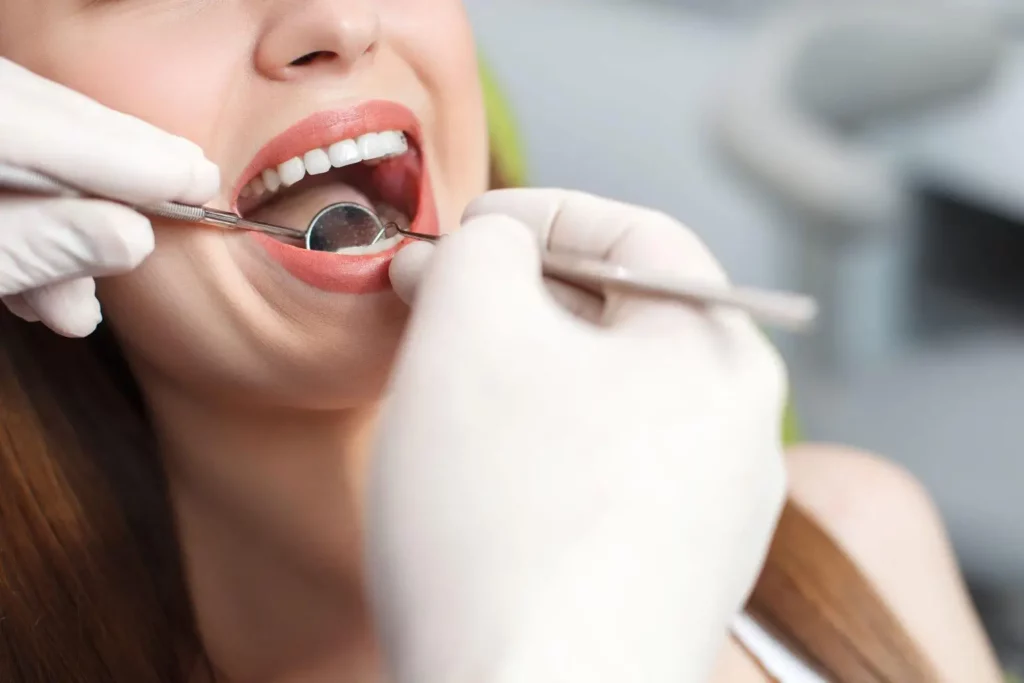
Yes. The wear and deterioration of dental fillings can increase the risk of tooth decay, because a compromised filling can no longer provide a proper seal to protect the tooth from bacteria.
When a filling develops cracks, shrinks, or partially detaches from the tooth structure, tiny gaps form that allow food debris and dental plaque to accumulate. This creates an ideal environment for new decay to develop beneath or around the filling, often without the patient noticing it in the early stages.
In many cases, the wear of a filling is not easily visible to the patient. They may only experience tooth sensitivity when consuming something cold or sweet, or feel slight discomfort while chewing—symptoms that warrant a visit to the dentist.
Regular check-ups are essential to detect worn fillings early, before the problem progresses to deep decay that might require root canal treatment or complete replacement of the filling.
Ongoing follow‑up with your dentist and maintaining good oral hygiene help prevent complications related to worn fillings and extend the lifespan of both your teeth and restorations.
How Are Old Dental Fillings Replaced?
Replacing old fillings begins with a clinical examination and dental X‑rays to assess the degree of wear in the filling and the condition of the tooth structure beneath it.
The dentist then administers local anesthesia to numb the area and proceeds to remove the worn filling along with any weakened or compromised tooth structure using specialized instruments, while preserving as much healthy tooth tissue as possible.
The cavity is thoroughly cleaned to eliminate bacteria and any remaining decayed tissue, then prepared to receive the new restoration—whether a tooth‑colored composite filling or another suitable material, depending on the tooth’s location and biting forces in that area.
Once the filling material is placed, it is carefully shaped to restore the tooth’s natural anatomy and adjusted to ensure proper occlusion (bite). For resin‑based composite fillings, a curing light is applied to harden and securely bond the material.
Finally, the dentist polishes and finishes the new filling to ensure a smooth transition with the tooth surface and to minimize plaque accumulation, which enhances the longevity of the restoration and helps protect the tooth from future wear or recurrent decay.
What are the best types of fillings when replacing old ones?
When worn or failing fillings need to be replaced, most dentists prefer using composite resin fillings (the tooth‑colored, aesthetic fillings). These materials chemically bond to the tooth structure, provide better reinforcement for the remaining tooth, and offer a natural appearance that closely matches the surrounding teeth.
Composite fillings are often the treatment of choice when old restorations have deteriorated, because they usually require removing less healthy tooth structure. They also help seal small gaps and reduce microleakage, which limits bacterial penetration and lowers the risk of recurrent decay around the filling.
In certain situations—especially in back teeth or in patients with strong biting forces—the dentist may recommend more durable options, such as ceramic inlays/onlays or lab‑fabricated porcelain restorations. These provide excellent long‑term strength, wear resistance, and very stable shape and color over time.
The ideal replacement material depends on several factors: the condition of the tooth, the size and extent of the defect, the patient’s bite forces, and cosmetic expectations. It is therefore important to discuss all available options with your dentist to choose the most suitable material that balances durability, aesthetics, and maximum preservation of natural tooth structure.
How can you make your dental fillings last as long as possible?
Daily Dental Care
To keep your fillings for as long as possible and minimize wear, you need a regular yet gentle daily oral‑care routine.
Brush at least twice a day using a soft-bristled toothbrush and a fluoride toothpaste, paying extra attention to the filled teeth without applying excessive pressure, so the margins of the filling don’t weaken over time.
Use dental floss or interdental brushes once a day to remove food debris and plaque between the teeth and around the fillings. This helps reduce the risk of recurrent (secondary) caries developing beneath or alongside the restoration.
Do not neglect the back teeth and areas with deep fillings, as they are more prone to bacterial build‑up and decay under the filling, which can accelerate its failure.
An antibacterial or fluoride mouthwash may be used on the advice of your dentist to help protect the fillings and strengthen the surrounding tooth structure.
Avoiding Habits that Cause Fracture and Wear
Avoiding harmful habits is essential to prolong the life of your fillings and reduce the risk of fracture or excessive wear.
Do not use your teeth as tools to open packages or cut hard objects. This practice puts fillings—especially anterior restorations—at high risk of chipping or debonding from the tooth wall.
Cutting down on chewing ice, very hard nuts, and hard candies helps protect fillings from microcracks and gradual abrasion.
If you tend to bite your nails or chew on pens, work on stopping these habits, as they place continuous stress on both teeth and fillings, which can lead to early failure of the restoration or even cracks in the tooth itself.
Excessive consumption of soft drinks and highly acidic foods can weaken the tooth structure around the filling and contribute to erosion of the restoration over time. Moderation is advised, along with rinsing your mouth with water after consuming such products.
Using a Night Guard When Needed
Wearing a night guard is an important step in preserving your fillings, especially for people who grind or clench their teeth during sleep (bruxism).
Nocturnal grinding exerts strong, repetitive forces on fillings, which can cause them to crack or break and leads to significant wear of occlusal and posterior restorations over time.
If your dentist notices abnormal wear on your fillings or tooth surfaces, they may recommend a custom-made night guard to be worn during sleep. This appliance redistributes biting forces and protects both fillings and tooth structure.
A custom-fitted night guard is more comfortable and more effective than over‑the‑counter options, helping extend the lifespan of your fillings and safeguard the dental work you’ve invested in.
Regular Dental Check‑ups
Routine dental check‑ups are one of the most important measures for maintaining fillings and preventing their wear or recurrent decay.
It is generally recommended to see your dentist every six months, or as advised, so that any small cracks, marginal gaps, or early caries around the fillings can be detected and managed before they progress.
During these visits, the dentist assesses the integrity and marginal seal of each filling and smooths any rough or overhanging edges that could trap plaque and accelerate deterioration.
Regular check‑ups also provide an opportunity to review your oral‑hygiene habits, update your home‑care instructions, and choose the most suitable toothpaste or mouthwash to support the long‑term stability of your restorations.
With consistent follow‑up, you can maintain the function and appearance of your fillings, reduce the need for frequent replacement, and lower the likelihood of needing more complex treatments in the future.
Book an Appointment with Dr. Abeer Zendaqi to Assess Filling Wear and Replace Old Restorations
If you’ve started to notice pain when chewing, sudden tooth sensitivity, or changes in the color or shape of an existing filling, it may be the right time to book an appointment with Dr. Abeer Zendaqi. She can accurately assess the degree of filling wear and replace old restorations before the problem progresses to deep dental caries or pulpitis (nerve inflammation).
Dr. Abeer uses the latest clinical examination techniques and dental radiography to determine how much the filling has deteriorated and whether bacteria have leaked underneath it. Based on this assessment, she designs a personalized treatment plan that includes removing the defective filling, thoroughly cleaning the tooth, and selecting the most appropriate type of new restoration in terms of strength and aesthetics, such as composite (tooth‑colored) fillings or ceramic inlays/onlays.
Scheduling a dedicated appointment to evaluate filling wear helps you maintain the strength and function of your teeth and avoid more complex treatments in the future. It also ensures that your old fillings are replaced with high‑quality, long‑lasting restorations that support a healthy smile and boost your confidence in the appearance of your teeth.