Are Translucent Teeth a Sign of Enamel Erosion?
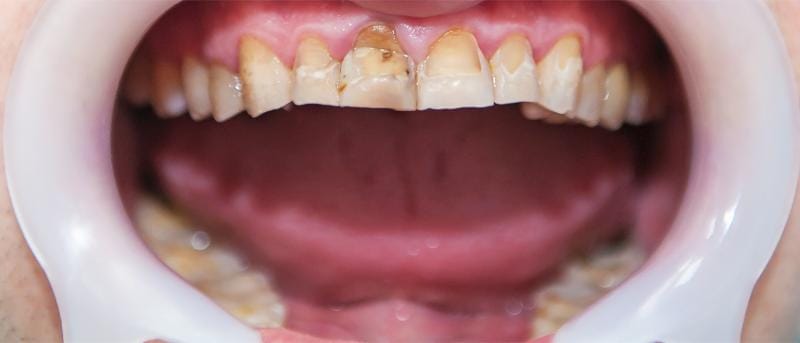
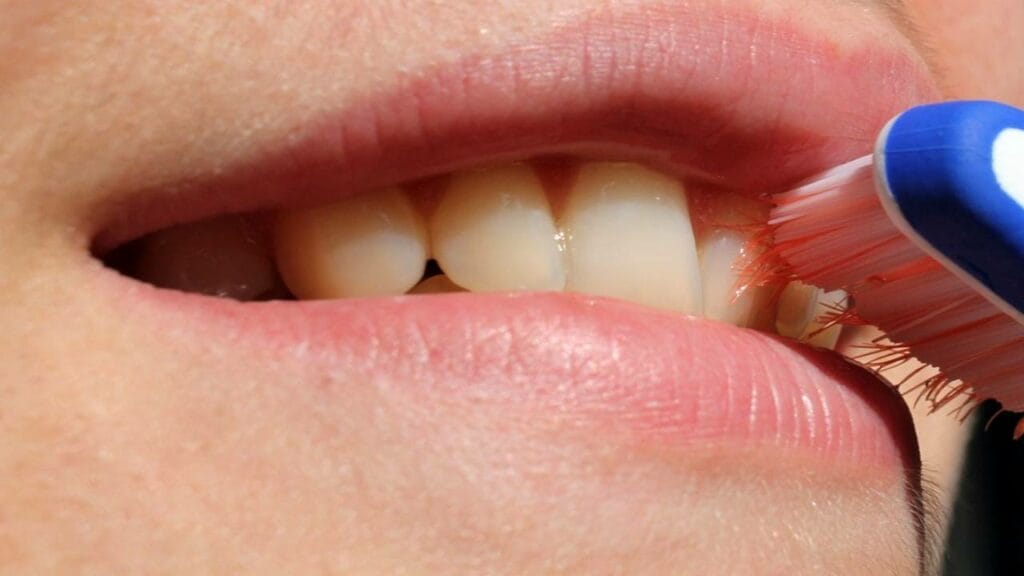
In many cases, translucent teeth—especially along the edges of the front incisors—are an early indicator of enamel erosion caused by acids, aggressive brushing, or nighttime teeth grinding (bruxism).
As the enamel layer wears away, the underlying dentin becomes more exposed, making the cutting edge of the tooth appear translucent or glass-like. This may be accompanied by sensitivity to hot or cold foods and drinks, as well as slight changes in tooth color.
However, not every instance of translucency means there is severe erosion. Mild translucency without pain, cavities, or other symptoms can sometimes be within the range of normal appearance.
Still, it is advisable to see a dentist if you notice increasing translucency or a sudden onset of sensitivity, in order to assess the extent of enamel loss and establish an early treatment plan to protect the teeth from further deterioration.
What causes teeth to look transparent?
Enamel erosion caused by acids
Enamel erosion is one of the main reasons teeth start to look translucent. Repeated exposure to acids gradually wears down the hard outer layer that protects the teeth.
As the enamel weakens and thins out, the edges of the teeth—especially the upper and lower front incisors—begin to appear almost see‑through.
This erosion can be caused by acidic foods, gastric acids that reach the mouth, or harmful daily habits, all of which reduce enamel thickness and its ability to reflect light, making the teeth look transparent.
Over time, this can progress to tooth sensitivity and discoloration, in addition to the noticeable translucency.
Excessive consumption of acidic drinks
Heavy and frequent intake of acidic beverages—such as soft drinks, energy drinks, citrus juices, and lemon water—is a common cause of translucent teeth.
The acids in these drinks gradually dissolve the mineral content of tooth enamel, especially when they are sipped repeatedly throughout the day or when toothbrushing is delayed.
This chronic erosion makes the enamel thinner than normal, so the edges of the teeth take on a transparent or glass‑like appearance.
Cutting down on these drinks, using a straw, and drinking water afterwards all help protect the enamel and reduce the risk of developing translucent‑looking teeth.
Bruxism and continuous tooth grinding
Bruxism—grinding or clenching the teeth, whether at night or during periods of stress in the daytime—puts constant pressure and friction on tooth enamel, gradually wearing it away.
As the enamel layer thins due to bruxism, the inner tooth structures become more exposed, and the teeth lose part of their thickness, leading to a translucent appearance, especially along the incisal edges.
Chronic grinding can also cause cracks and fractures in the teeth and increase sensitivity to hot and cold.
Managing bruxism with a custom night guard and addressing underlying stress are key steps to limit enamel wear and reduce the appearance of translucent teeth.
Gastroesophageal reflux and its impact on teeth
Gastroesophageal reflux disease (GERD) is an important internal cause of enamel erosion and translucent teeth.
In reflux, stomach acids repeatedly flow back up into the mouth, and over time these strong acids act on the outer tooth surfaces, gradually dissolving the enamel.
Erosive changes often first appear on the chewing surfaces of the back teeth and the palatal/lingual surfaces of the front teeth, but as the problem persists, the teeth can become thinner and more transparent.
Controlling GERD, following the physician’s recommendations, and maintaining good oral hygiene help halt enamel breakdown and lower the risk of developing a translucent tooth appearance.
Certain genetic factors and medical conditions
In some people, translucent teeth are linked to genetic factors or medical conditions that affect enamel formation from the outset.
Some individuals are born with enamel that is thinner than normal, or with developmental enamel defects (such as enamel hypomineralization), which makes their teeth appear more translucent even at a young age.
Chronic systemic diseases, eating disorders, or deficiencies in certain minerals and vitamins can also weaken enamel structure, making teeth more susceptible to erosion and translucency.
In such cases, a thorough assessment by a dentist is essential to design a preventive and therapeutic plan—for example, using topical agents to strengthen enamel or covering the teeth with restorations that preserve both their function and appearance.
What symptoms can be associated with translucent teeth?
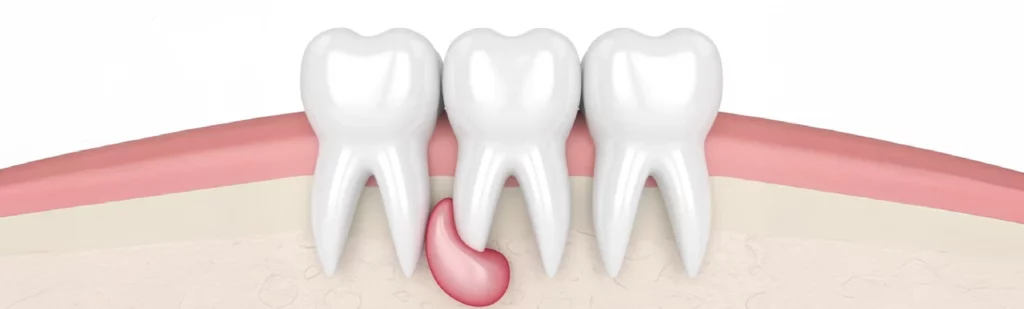
Translucent teeth at the front of the mouth or along the biting edges often develop gradually and may be accompanied by several bothersome symptoms the patient starts to notice over time.
One of the most common is increased tooth sensitivity to hot or cold drinks, due to thinning of the enamel and exposure of the deeper tooth layers.
The person may experience a sharp, sudden pain or tingling when consuming acidic or sugary foods, along with a general feeling of discomfort while chewing.
Translucent teeth may also be associated with a change in tooth color toward yellow or gray, as well as the appearance of fine cracks and roughness along the edges of the front teeth, which can negatively affect the smile’s appearance and the person’s self‑confidence.
Over time, gradual shortening of the teeth may be noticed, or slight chipping at the edges. In more advanced cases, the pain can become persistent because the dental pulp (the nerve inside the tooth) lies closer to the surface.
The combination of these symptoms with increasing tooth translucency is an important sign of weakened enamel, and warrants a dental consultation to identify the underlying cause and develop an appropriate treatment plan before deeper wear and more serious complications occur.
How is the cause of translucent teeth diagnosed?
Diagnosis starts with a visit to the dentist, who performs a thorough clinical examination of the teeth and gums. The dentist evaluates how pronounced the translucency is, where it appears, and whether it is limited to the front incisors or affects multiple teeth.
Special lighting and high‑resolution photographs are often used to assess enamel erosion. The dentist will typically order dental radiographs (X‑rays) to check enamel thickness and the density of the underlying dentin, and to rule out hidden caries or microscopic cracks.
A detailed history is also essential. The dentist asks about daily habits that might explain the translucency, such as high consumption of soft drinks or acidic beverages, the presence of gastroesophageal reflux disease (GERD), nighttime bruxism (teeth grinding), or a family history of inherited enamel defects.
In more complex cases, the dentist may refer the patient to an endodontist, an orthodontist, or even an internist to investigate potential systemic conditions that could be affecting the enamel.
Based on all this information, the dentist determines the extent of enamel loss and identifies the main cause of the tooth translucency. A tailored treatment plan is then developed to protect the remaining enamel, improve the appearance and color of the teeth, and reduce sensitivity.
Can transparent teeth be treated?
Yes. In many cases, transparent teeth can be treated or at least prevented from worsening, depending on the underlying cause and the extent of enamel erosion.
Treatment starts with an accurate diagnosis by a dentist to determine whether the problem is due to acid-induced enamel erosion, bruxism (teeth grinding), gastroesophageal reflux disease (GERD), or excessive use of teeth-whitening products.
Based on this assessment, the dentist may recommend restorative options such as cosmetic composite fillings, porcelain veneers, or lumineers to mask the translucency and protect the teeth from further wear.
They may also prescribe high‑concentration fluoride products and other enamel-strengthening therapies to reduce sensitivity and reinforce the outer tooth surface.
In early stages of enamel translucency, treatment often focuses on lifestyle modifications: reducing intake of soft drinks and acidic beverages, managing GERD, and using a night guard if teeth grinding is present.
Although eroded enamel cannot fully regenerate, an early, comprehensive treatment plan can significantly improve the appearance of transparent teeth, protect the remaining tooth structure, and prevent long‑term complications.
How can enamel erosion be stopped and prevented from getting worse?
To stop enamel erosion associated with translucent (see-through) teeth and prevent the condition from progressing, it is essential first to reduce the teeth’s exposure to acids. This includes cutting down on soft drinks and acidic juices, using a straw when consuming them, and avoiding frequent sipping throughout the day.
It is also recommended not to brush your teeth immediately after consuming acidic drinks; wait at least 30 minutes to allow the enamel to regain its hardness.
Using a high-fluoride toothpaste or professionally prescribed topical fluoride products can promote remineralization of the enamel and strengthen it, which in turn reduces the appearance of translucency and helps protect against sensitivity and tooth decay.
Choosing a soft-bristled toothbrush and using a gentle brushing technique—avoiding harsh scrubbing motions—is very important so as not to wear down the already weakened enamel further.
In advanced cases of enamel erosion and noticeable tooth translucency, the dentist may recommend restorative treatments such as cosmetic fillings (tooth‑colored restorations) or porcelain veneers to protect the tooth surface and improve shape and color. These are usually combined with a long-term preventive plan to maintain the results and prevent recurrence of enamel erosion.
What happens if translucent teeth are ignored?
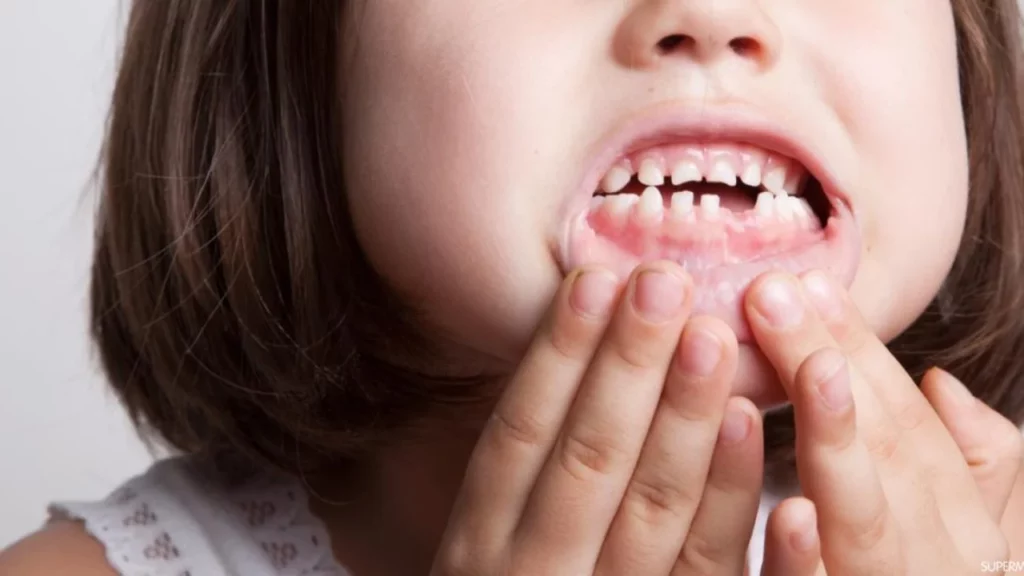
Neglecting translucent teeth and failing to treat enamel erosion in time can trigger a chain of complications that affect long‑term dental health.
As enamel continues to wear away, the underlying dentin becomes exposed and far more sensitive to hot and cold foods and drinks, as well as sugary items. This often leads to sharp or lingering pain during eating or drinking.
The teeth also become increasingly prone to tooth decay, fractures, and hairline cracks due to the loss of their natural protective layer. In more advanced cases, this can progress to pulp inflammation, the need for root canal treatment, or even tooth extraction.
Ignoring translucent teeth also affects the aesthetics of your smile. Tooth color may change, edges can appear uneven or chipped, and surface texture becomes irregular, which can cause embarrassment and lower self‑confidence.
For these reasons, seeing a dentist as soon as you notice transparency or color changes at the edges of your teeth is essential. Early intervention helps halt further erosion, prevent complications, and preserve enamel strength and overall oral health.
Book a Clear Aligner Consultation with Dr. Abeer Zindagi
If you’re considering clear aligner therapy to achieve a more harmonious smile without traditional metal braces, you can book a consultation with Dr. Abeer Zindagi to have your case thoroughly assessed and a customized treatment plan designed for your needs.
During the consultation, Dr. Zindagi will evaluate your teeth using a clinical examination and radiographic imaging, explain the differences between clear aligners and other orthodontic options, discuss the expected treatment duration, provide an approximate cost, and guide you on how to care for your aligners to maintain optimal results.
This session will help you determine whether clear aligners are the most suitable option for your case, while getting clear answers to all your questions about effectiveness, safety, and the long-term outcomes of clear orthodontic treatment.
Booking a specialized consultation with Dr. Abeer Zindagi is the right first step toward a healthy, attractive smile using advanced technology and achieving natural-looking results.