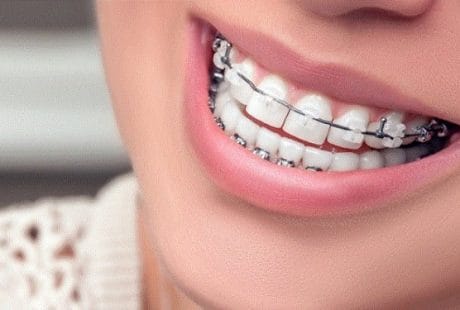
What Is a Removable Orthodontic Appliance for Children?
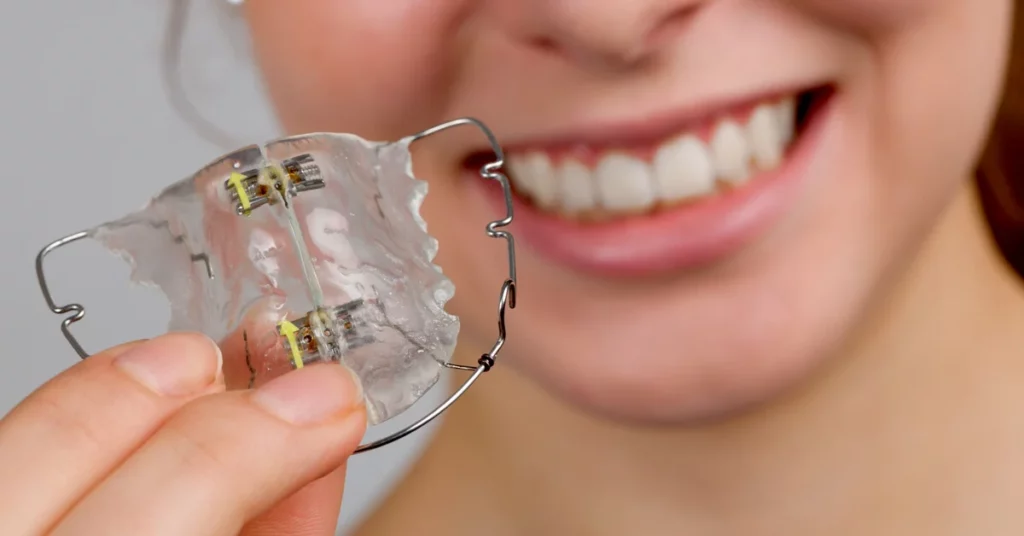
A removable orthodontic appliance for children is a type of braces that the child can easily take in and out on their own. It is often used in the early stages of treatment to correct tooth position, widen the jaw, or guide the proper development of permanent teeth.
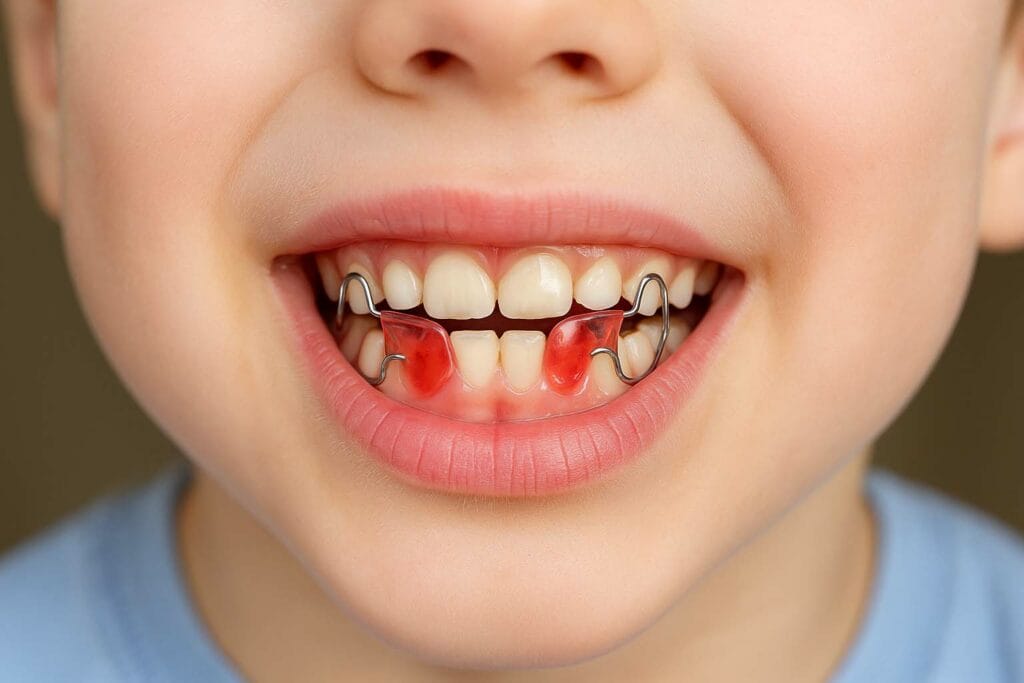
This appliance is custom‑made to fit the child’s teeth and jaw. It is usually fabricated from a colored or clear acrylic base, with gentle metal wires that apply light pressure to gradually move the teeth into better alignment.
Removable appliances are commonly used to treat spacing between teeth, protruding upper front teeth, and some minor bite problems. They are often suitable for younger children, particularly when not all the permanent teeth have erupted yet.
By helping to guide jaw growth and tooth eruption, this type of appliance can reduce the need for more complex fixed braces later on—provided the child wears it for the recommended number of hours each day, as instructed by the orthodontist.
When Does a Child Need a Removable Orthodontic Appliance?
A child may need a removable orthodontic appliance when early problems appear in jaw growth or in the alignment of primary (baby) or permanent teeth. This includes conditions such as protruding upper front teeth, dental crowding, excessive spacing, or harmful oral habits like persistent thumb sucking or tongue thrusting against the teeth.
Pediatric dentists and orthodontists often recommend removable appliances for children between the ages of 7 and 12. During this growth phase, these devices can help guide proper jaw development and correct tooth position early on, before the jawbones become fully mature.
Removable orthodontic appliances in children can also improve speech and chewing efficiency, and help prevent more serious problems later that might require more complex and expensive fixed orthodontic treatment (braces).
If parents notice crooked or misaligned teeth, difficulty in achieving proper bite (bringing upper and lower teeth together), or if the child complains of jaw pain or difficulty chewing, an early visit to an orthodontist is essential. The specialist can then assess whether a removable appliance is needed and design an individualized treatment plan.
The Appropriate Age for Removable Braces in Children
The ideal time to start removable orthodontic treatment for children depends more on the stage of jaw and tooth development than on the child’s exact age. However, most removable braces are typically fitted between the ages of 6 and 12, coinciding with the eruption and near-complete appearance of the permanent teeth.
At this stage, the jawbone is still growing, which makes removable appliances more effective for expanding the dental arch, correcting protruding teeth, and guiding jaw growth into a healthier position.
Dentists usually recommend a first orthodontic evaluation at around age 7 to detect early problems such as dental crowding, deep bite, or maxillary protrusion, and to determine whether the child needs early removable braces or if treatment can be safely postponed.
The child must also be mature enough to follow the orthodontist’s instructions regarding wearing the appliance and keeping it clean, since the success of removable orthodontic treatment largely depends on the child’s cooperation and the number of hours the device is worn each day.
Each case is assessed individually by an orthodontist to determine the most appropriate age to start, the type of removable appliance to be used, and the safest and most effective treatment plan for the child’s dental and jaw development.
Types of Removable Orthodontic Appliances for Children
Hawley Appliance
The Hawley appliance is one of the most common types of removable orthodontic retainers used for children. It is typically fitted after completing treatment with fixed braces to maintain the results and prevent the teeth from shifting back to their original positions.
This appliance consists of an acrylic base that conforms to the shape of the palate or gums, with a metal wire running along the front surfaces of the teeth to keep them properly aligned.
The Hawley appliance is durable, easily adjustable in the dental office, and can be removed during meals or toothbrushing, which makes it a comfortable and practical option for children.
This type of removable orthodontic appliance helps stabilize the teeth after correcting malalignment and supports long‑term treatment success.
Activator
The activator is a type of removable functional orthodontic appliance used in children to influence and guide jaw growth at an early stage, particularly in cases of maxillary protrusion (forward upper jaw) or mandibular retrusion (backward lower jaw).
It works by harnessing the forces of the facial and jaw muscles when the child bites down, stimulating bone growth in a more favorable direction.
The activator is considered one of the key functional appliances in pediatric removable orthodontics, as it not only moves teeth but also helps correct the relationship between the upper and lower jaws and improves the bite.
It is usually used during the growth phase, and the child needs to wear it for a sufficient number of hours each day, according to the orthodontist’s instructions, to achieve optimal results.
Plate Appliance
A plate appliance is one of the simplest forms of removable orthodontic devices for children. It is usually made of a lightweight acrylic base with small wires that direct the movement of one or several teeth.
This type of removable appliance is used to correct minor problems such as adjusting the position of a tilted tooth, closing small gaps, or maintaining the outcome of previous orthodontic treatment.
Plate appliances are easy to wear, remove, and clean, which makes them suitable for children who require minimal orthodontic intervention without resorting to more complex fixed appliances.
Choosing a plate appliance as a type of removable orthodontic treatment for a child depends on the orthodontist’s assessment of the case and the simplicity of the malocclusion being treated.
Removable Palatal (Jaw) Expansion Appliances
Removable expansion appliances are used in children to widen a narrow upper or lower jaw, which can cause crowding of the teeth or an improper bite.
This type of removable orthodontic device consists of a base attached to the teeth, with a central expansion screw that is activated gradually according to the orthodontist’s plan. This allows the jaw to be widened slowly and safely.
Jaw expansion helps create enough space for the permanent teeth to erupt into a better position and improves the appearance of the smile, as well as chewing function and, in many cases, breathing.
Removable expansion appliances are an effective option at an early age because they take advantage of the child’s natural bone growth and remodeling capacity, often reducing the need for more complex procedures in the future.
Advantages and Benefits of Removable Orthodontic Appliances for Children (Search-Optimized)
Easy to clean
One of the main advantages of removable orthodontic appliances for children is that they are much easier to keep clean than fixed braces.
The appliance can be taken out while brushing and flossing, which helps reduce the buildup of food debris and bacteria around the teeth and on the appliance itself.
This allows the child to maintain better oral and gingival health and lowers the risk of dental caries and gingivitis during the course of removable orthodontic treatment.
The appliance can also be cleaned separately using a soft toothbrush and special cleaning solutions recommended by the dentist, which helps keep it hygienic and effective for a longer period.
Greater comfort for the child
Removable orthodontic appliances generally provide a higher level of comfort for children compared with fixed braces, as they can be taken out at specific times—such as during meals or on special occasions—according to the orthodontist’s instructions.
This reduces the child’s feeling of constant discomfort or pain and makes them more cooperative and accepting of the treatment plan.
In addition, the edges of removable appliances are usually smoother, which lessens friction with the inner surfaces of the cheeks and lips, and therefore decreases the small cuts and irritations that can occur with conventional fixed braces.
Fewer complications
Removable orthodontic appliances for children can help reduce many of the complications associated with orthodontic treatment.
Because the appliance can be removed, there is less risk of plaque and calculus accumulating around brackets and archwires, which in turn reduces the likelihood of tooth decay and gingival inflammation during treatment.
The orthodontist can also adjust or replace the removable appliance more easily if it breaks or becomes distorted, protecting the child’s teeth from improper forces or undesired movement.
All of this contributes to making removable orthodontic treatment for children a safer and more stable option in the long term.
Potentially lower cost
In some cases, removable orthodontic appliances for children may be less expensive than fixed braces or advanced clear aligner systems, especially when they are used at an early stage to correct mild to moderate problems.
They can be a cost‑effective option when used as an early interceptive treatment that helps prevent more complex orthodontic issues from developing later on.
However, the overall cost varies depending on the child’s condition, the type of appliance, and the clinician’s experience. It is therefore important to consult an orthodontic specialist to obtain an accurate cost estimate and compare it with other orthodontic treatment options.
Pros and Cons of Removable Braces for Children
Removable orthodontic appliances for children offer several important advantages. They are generally more comfortable than fixed braces because they can be taken out during meals and toothbrushing, which makes it easier for the child to maintain good oral hygiene and reduces the risk of plaque buildup and dental caries.
These appliances can also help correct certain mild to moderate dental problems at an early age, such as protrusive jaws or dental crowding, and the treatment plan can be adjusted more easily by the orthodontist as the child grows.
In addition, removable braces provide a degree of psychological and behavioral flexibility for the child, as they can be removed for special occasions or certain sports activities. This often improves the child’s acceptance of treatment and encourages better compliance over time.
On the downside, one of the main drawbacks of removable braces for children is that their effectiveness depends heavily on the child wearing them for the recommended number of hours each day. Neglecting to wear the appliance or frequently forgetting it can prolong treatment or reduce its success.
Because these appliances are small and can be taken out, they are also more likely to be lost or damaged, which can create extra costs for parents.
Moreover, removable braces are not suitable for all cases—particularly complex malocclusions that require very precise tooth movement. In such situations, the orthodontist may recommend fixed appliances, or a combination of fixed and removable braces, to achieve the best possible functional and health outcomes for the child’s teeth.
Cases Where Removable Braces Are Suitable – and Where They Are Not (for Pediatric Orthodontics)
Removable orthodontic appliances for children are generally suitable for mild to moderate cases, such as:
- Correcting minor dental crowding
- Managing slight protrusion of the front teeth
- Guiding jaw growth in early stages, while the jawbones are still developing
They are also useful for children who need a removable appliance to help modify oral habits such as thumb sucking or tongue thrusting, or as a preliminary phase before fixed braces—provided the child consistently wears the appliance for the number of hours prescribed by the orthodontist.
On the other hand, removable braces are not appropriate for complex cases, including:
- Severe dental crowding
- Significant skeletal jaw discrepancies
- Deep anterior crossbites or other malocclusions that require continuous, highly controlled forces only achievable with fixed orthodontic appliances or advanced surgical interventions
Removable appliances may also be a poor choice for children who are unlikely to comply with wearing them regularly, or who frequently lose their devices, since the success of this type of pediatric orthodontic treatment depends heavily on consistent use and regular follow‑up with an orthodontic specialist.
Suitable for
Removable orthodontic appliances are appropriate for children with mild to moderate misalignment of the front teeth, or with small gaps (diastemas) between teeth.
In such cases, removable braces can guide jaw growth and gradually correct tooth position without the need for a complex fixed appliance.
They are particularly suitable for younger children who have not yet fully developed all their permanent teeth, as they help direct the eruption of permanent teeth into a better position and may reduce the need for comprehensive fixed orthodontic treatment later on.
Removable appliances also work well for children who can reliably wear the device for the prescribed number of hours each day, keep it from getting lost or broken, and follow instructions for proper cleaning and maintenance.
In some cases, a removable appliance is used as an initial treatment phase to address minor jaw discrepancies or to move one or two teeth only, before starting a more complex fixed orthodontic treatment.
Not suitable for
Removable orthodontic appliances are not suitable for complex cases of dental crowding, significant tooth rotation, or severe malocclusion such as marked protrusion of the upper or lower jaw.
In these situations, children usually require fixed braces or a more advanced treatment plan that may include additional functional or orthopedic appliances to modify jaw growth.
Removable appliances are also not recommended for children who are unlikely to comply with the required daily wear time, as the success of removable orthodontic treatment depends directly on how consistently the appliance is worn.
They are generally unsuitable for children with persistent oral habits such as thumb sucking or strong tongue thrusting against the teeth, unless these habits are addressed first, since they can compromise the outcome of removable orthodontic treatment.
In cases that require very precise, three‑dimensional control of the movement of each individual tooth, fixed appliances are usually more effective than removable ones. For this reason, the orthodontist will determine the most appropriate type of appliance after a thorough clinical examination and radiographic assessment.
Steps for Fitting a Removable Orthodontic Appliance in Children
The process of fitting a removable orthodontic appliance for children begins with a visit to an orthodontist for a comprehensive examination and an accurate diagnosis of the child’s condition, in order to determine whether a removable appliance is indeed the most appropriate treatment option.
Next, dental impressions are taken or a digital scan of the jaws is performed to create a three-dimensional model. This model is used to design a custom-made removable appliance that precisely matches the child’s mouth and the position of each tooth.
Once the appliance has been fabricated, the dentist tries it in the child’s mouth, checks its stability and comfort, then explains to the child and their guardian how to insert and remove the appliance, as well as the recommended daily wearing time to achieve optimal results.
The fitting process for a removable orthodontic appliance in children also includes clear instructions on how to care for and clean the device, along with scheduling regular follow‑up visits to adjust the appliance and monitor the improvement in tooth alignment and jaw position as the child grows.
In this way, a well‑planned removable orthodontic treatment for children can gradually and effectively correct mild to moderate malocclusions, while maintaining the child’s comfort and supporting good compliance with the treatment plan.
How long should children wear removable braces?
The length of time a child needs to wear removable braces varies from one case to another, but it typically ranges from about 6 months up to 2 years, depending on how severe the dental crowding or misalignment is and how the jaw bones are developing.
The orthodontist determines the treatment duration after a clinical examination and reviewing dental X‑rays, then follows up regularly to monitor how the teeth respond to the appliance and to make any necessary adjustments.
In most cases, children are advised to wear their removable appliance for a set number of hours each day, which can reach 20–22 hours, removing it only during meals and toothbrushing. Sticking to the prescribed wearing time is the key factor for successful treatment with removable braces in children and for shortening the overall treatment period as much as possible.
In some situations, the child may be instructed to continue wearing the appliance only at night after completing the main treatment phase, in order to maintain the achieved results and prevent the teeth from shifting back to their previous positions.
Care of Removable Braces and Oral Hygiene
For removable orthodontic appliances in children to be effective and achieve the best possible results, it’s essential to follow a careful daily routine for both the appliance and the mouth.
Dentists usually recommend taking the removable brace out before eating, then thoroughly rinsing the mouth and brushing the teeth with a fluoride toothpaste before putting it back in. This helps reduce food debris and bacterial buildup that can lead to tooth decay and gingivitis.
The removable appliance itself should be gently cleaned using a soft toothbrush and lukewarm water. Hot water must be avoided, as it can distort the appliance or damage the acrylic material.
It is also advisable to use a child-appropriate mouthwash and dental floss, especially in tight spaces that may be harder to reach because of the appliance.
When not in use, the removable brace should be stored in a clean, dry container. It’s important not to wrap it in tissue, as this increases the risk of losing or accidentally breaking it.
Regular follow‑up visits with the orthodontist are crucial to monitor oral hygiene, adjust the appliance when needed, and ensure that the child is wearing it for the recommended number of hours each day so that treatment progresses safely and efficiently.
Why Choose Dr. Ameer Ghayyath Al‑Zahrawi’s Clinic for Children’s Orthodontics?
Dr. Ameer Ghayyath Al‑Zahrawi’s clinic is one of the leading options for removable orthodontic treatment in children, thanks to its specialized expertise in pediatric orthodontics and the careful, evidence-based management of growing jaws.
Dr. Ameer develops an individualized treatment plan for each child, using modern removable orthodontic appliances that help guide jaw growth and correct dental protrusion and malocclusion at the right time, before the problem progresses.
The clinic offers a child-friendly, relaxing environment that helps reduce dental anxiety and encourages children to wear their removable appliances for the recommended number of hours each day.
Treatment steps are clearly explained to both parents and child in simple, understandable language, with regular follow‑up visits to monitor progress and adjust the appliance when needed to achieve the best possible outcome.
This combination of specialized care, emphasis on early prevention, and timely correction of malocclusion in its initial stages makes Dr. Ameer Ghayyath Al‑Zahrawi’s clinic an ideal destination for safe and effective removable orthodontic treatment for children.