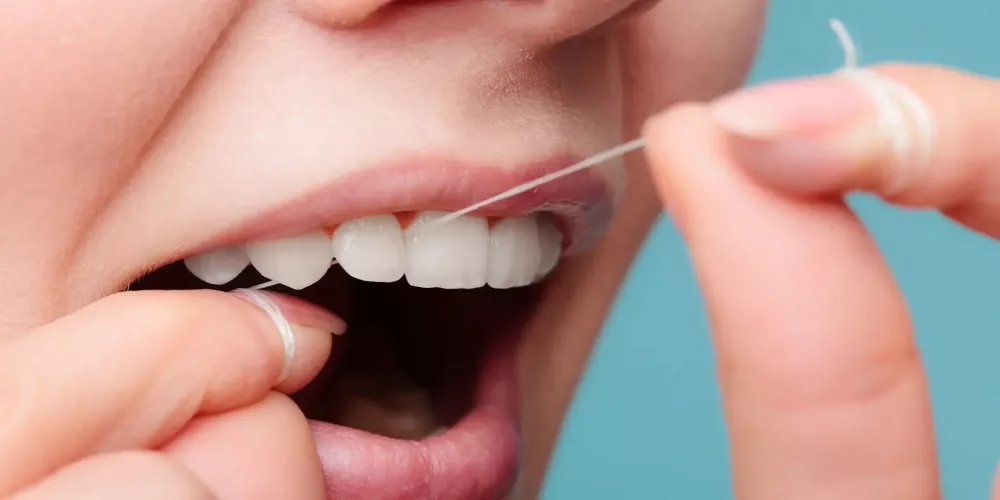
What Is Dental Floss and Why Is It Essential for Oral Hygiene?
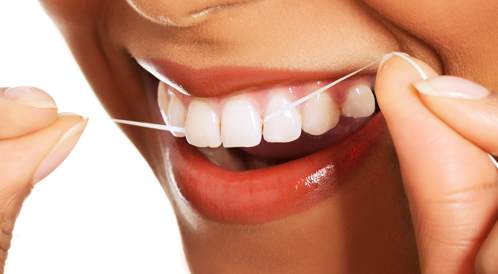
Dental floss is a thin strand, typically made of nylon fibers or specialized medical-grade materials, used to clean the tight spaces between teeth and just below the gumline—areas a toothbrush cannot effectively reach.
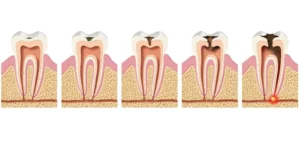
Flossing is a fundamental step in any oral care routine because it removes food debris and dental plaque (bacterial biofilm) that accumulate between teeth. This buildup is a primary cause of tooth decay (dental caries) and gingivitis.
If these areas are not cleaned regularly with dental floss, bacteria accumulate and produce acids that erode tooth enamel and irritate the gums, increasing the risk of periodontal disease and persistent bad breath (halitosis).
Regular flossing also helps improve gum health, reduces bleeding during brushing over time, and enhances the effectiveness of toothpaste and fluoride by allowing them to reach all tooth surfaces more efficiently.
For these reasons, dentists recommend using dental floss at least once a day as an essential complement to toothbrushing and mouthwash, to maintain optimal oral hygiene and long-term dental health.
How does dental floss work?
Dental floss reaches into the tight spaces between the teeth and just below the gumline where a toothbrush can’t access, removing food debris and dental plaque that can lead to tooth decay and gingivitis.
When you gently glide the floss along the sides of each tooth with light vertical and horizontal motions, it lifts away the soft plaque layer before it hardens into tartar (calculus), which can only be removed by a dentist or dental hygienist.
Using dental floss every day, together with brushing your teeth with a fluoride toothpaste, helps reduce the risk of root caries, gum bleeding, and bad breath, because it cleans deep areas that regular brushing alone cannot reach.
In this way, dental floss serves as a primary line of defense in your oral care routine, helping to keep your gums and teeth strong and clean over the long term.
Here’s a professional, non-literal translation that preserves context and uses accurate dental terminology:
Key Benefits of Dental Floss for Oral and Dental Health
Removing Plaque and Food Debris Between Teeth
Dental floss is one of the most important tools for removing dental plaque and food debris from the tight spaces between teeth that a toothbrush cannot reach.
Using dental floss daily helps prevent the build‑up of sticky plaque between the teeth and along the gumline, protecting the teeth from harmful microorganisms and supporting overall oral health.
When food particles are removed regularly, gum irritation decreases and oral hygiene improves, which directly benefits dental health in both the short and long term.
Reducing the Risk of Interproximal Caries
One of the key benefits of dental floss for oral health is its major role in reducing the risk of interproximal caries—decay that develops on the contact surfaces between adjacent teeth.
These areas are narrow and difficult to clean with a toothbrush alone, allowing bacteria to thrive on retained food debris and produce acids that attack the tooth enamel.
With consistent flossing, these spaces are thoroughly cleaned and plaque is removed before it progresses to dental caries, helping maintain strong, healthy tooth structure for as long as possible.
Preventing Gingivitis and Periodontal Disease
Dental floss plays an effective role in preventing gum diseases such as gingivitis and periodontitis.
Plaque accumulation between teeth and along the gum margin leads to irritation and inflammation of the gingival tissues, which over time may cause gum bleeding and gingival recession.
By gently guiding the floss between each pair of teeth and cleaning just beneath the gumline, the bacterial load responsible for inflammation is reduced, helping to maintain firm, healthy, pink gums around the teeth.
This simple daily step is a cornerstone of any comprehensive oral‑hygiene routine.
Improving Breath and Overall Oral Cleanliness
A major benefit of dental floss for oral and dental health is its contribution to improving bad breath caused by trapped food particles and bacterial build‑up between the teeth.
When food remnants remain lodged in tight spaces, they break down under bacterial action and release foul‑smelling compounds.
Regular flossing removes these trapped particles and reduces bacterial accumulation, resulting in fresher breath and a lasting feeling of cleanliness.
Combining dental floss with proper toothbrushing and an appropriate mouthwash provides the best possible outcome for overall oral hygiene.
Preventing Long‑Term Calculus (Tartar) Build‑Up
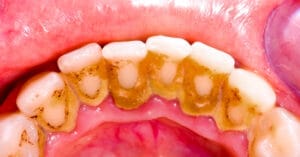
If plaque is not removed daily with brushing and flossing, it gradually mineralizes and hardens into calculus (tartar) that adheres to tooth surfaces and around the gums.
This tartar cannot be removed with a regular toothbrush and requires professional scaling by a dentist or dental hygienist.
Dental floss helps prevent this stage altogether by removing plaque from narrow, hard‑to‑reach areas before it calcifies and turns into tartar.
Therefore, daily flossing is an important preventive measure to keep teeth clean and reduce the need for frequent deep‑cleaning sessions at the dental clinic.
Lowering Future Dental Treatment Costs
Maintaining daily flossing as part of an oral‑care routine directly reduces the need for costly dental procedures in the future.
Preventing interproximal caries, protecting against gum disease, and limiting tartar accumulation all translate into fewer fillings, fewer root canal treatments, and fewer advanced periodontal therapies.
Investing a few minutes a day in flossing can save substantial amounts of money over time, while preserving natural teeth in good condition for as long as possible without complex interventions.
This makes dental floss an essential tool not only for oral health, but also for reducing the financial burden associated with dental care.
Types of Dental Floss and the Characteristics of Each
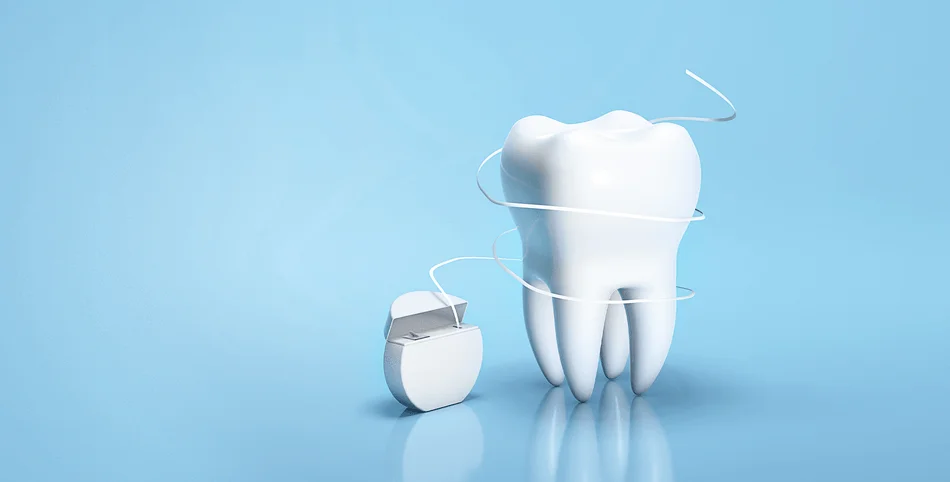
Waxed vs. Unwaxed Dental Floss
Waxed floss is coated with a thin layer of wax that helps it glide more smoothly between the teeth, especially when the contact points are very tight or there is dental crowding.
The wax coating reduces the chance that the floss will tear or shred, or get caught on restorations and crowns, making it a good option for beginners and for people with sensitive gums or mild gingival bleeding.
Unwaxed floss is usually slightly thinner and offers more friction against the tooth surface, which can make it more effective at removing food debris and dental plaque. However, it may feel less comfortable to use in mouths with very tight contacts between the teeth.
Choosing between waxed and unwaxed floss depends on personal preference and the individual’s dental anatomy. Both types achieve the primary goal of flossing: cleaning the interdental spaces and helping prevent dental caries and gingivitis.
Dental Tape and Thick Floss
Dental tape is a broader, flatter type of floss that looks like a thin ribbon. It is well suited for people with relatively wide spaces between their teeth or spacing between the front teeth.
Because of its wider surface area, dental tape covers more of the tooth surface with each pass. This helps remove plaque and food debris gently while reducing the sharp “cutting” sensation some people feel on their gums.
Thick floss, which may include spongy or expanded sections, is ideal for people with crowns and bridges or larger gaps between posterior teeth. It fills the space more effectively and can improve cleaning efficiency in those areas.
However, both dental tape and thicker floss can be difficult to use in cases of severe crowding. It is important to choose a type of floss that matches the spacing and alignment of the teeth to gain the full preventive benefits against tooth decay and periodontal disease.
Special Floss for Orthodontics and Implants
People wearing fixed orthodontic appliances or those with dental implants often need specially designed floss to reach areas that standard floss cannot access.
One of the best-known types is the “floss threader” or orthodontic floss, which has a stiff, narrow end that can be guided under the archwire or around fixed restorations, followed by a spongy or regular floss segment to clean between the teeth and around brackets.
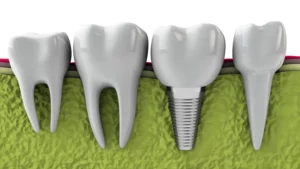
For dental implants, there are dedicated floss products that are gentler on peri-implant tissues and around the abutment. They help remove plaque from the surfaces surrounding the implant without damaging the soft tissues or the implant surface.
Using special floss for orthodontic appliances or implants is an essential part of daily oral hygiene. It significantly reduces plaque buildup, gingival inflammation, and halitosis that often accompany fixed appliances when they are not cleaned properly.
Water Flosser
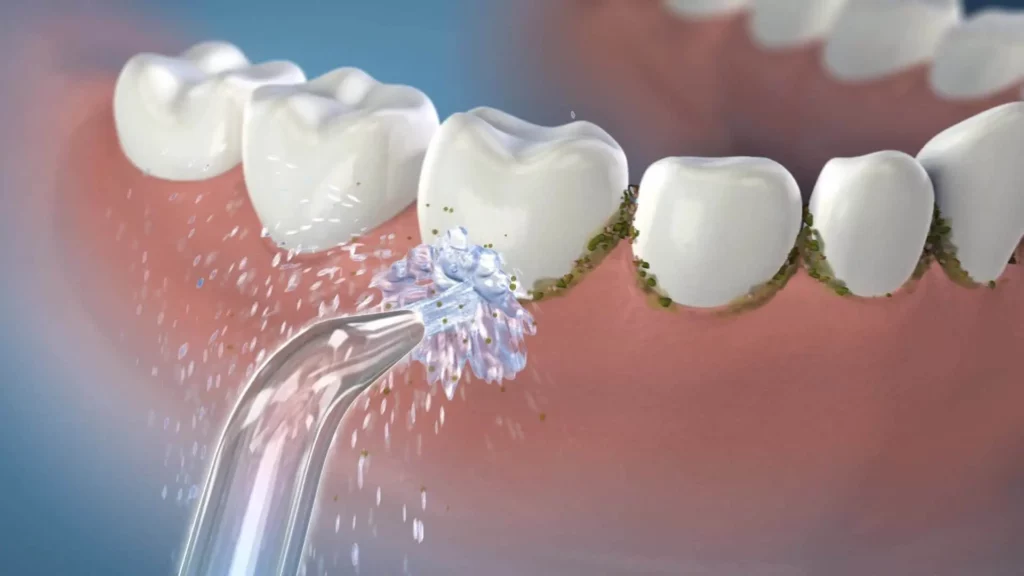
A water flosser is a device that uses a pressurized stream of water to clean between the teeth and along the gumline instead of traditional string floss. It is an effective adjunct to daily oral hygiene routines.
It is a convenient option for people who struggle with manual flossing, such as those with fixed orthodontic appliances, bridges, dental implants, or limited finger dexterity.
The water pressure helps dislodge food particles and plaque from interdental spaces and below the gingival margin. It can also massage the gums and improve local blood circulation, which supports long-term periodontal health.
Although water flossers offer important benefits, they do not completely replace traditional dental floss in all situations. They are usually recommended as a complementary method to interdental brushes and conventional flossing to achieve optimal protection against caries and periodontal disease.*
How to Choose the Right Dental Floss for You
The correct technique for using dental floss
To get the full benefit of dental floss in removing food debris and dental plaque from between the teeth and protecting the gums from inflammation, it’s important to follow the proper flossing technique step by step.
Cut about 30–40 cm of dental floss, then wind most of it around the middle finger of your right hand and the remainder around the middle finger of your left hand, leaving a short, taut section of floss between your thumbs and index fingers for better control.
Gently guide the floss between your teeth using a slight back‑and‑forth motion, without snapping or forcing it onto the gums to avoid causing injury.
Once you reach the gum line, curve the floss into a “C” shape around the tooth, then slide it carefully up and down along the tooth surface and just beneath the gum line to remove accumulated plaque.
Repeat the same steps between every pair of teeth, making sure to use a clean section of floss for each space.
Dentists recommend flossing at least once a day, preferably at night after brushing with a fluoride toothpaste, to ensure thorough cleaning in areas a toothbrush alone cannot reach.
By following this correct method of using dental floss, you can reduce your risk of dental caries and periodontal disease, and improve your breath—exactly what most people are looking for when they search for how to use dental floss properly.
Common Flossing Mistakes and How to Avoid Them to Support Your Oral Health Goals
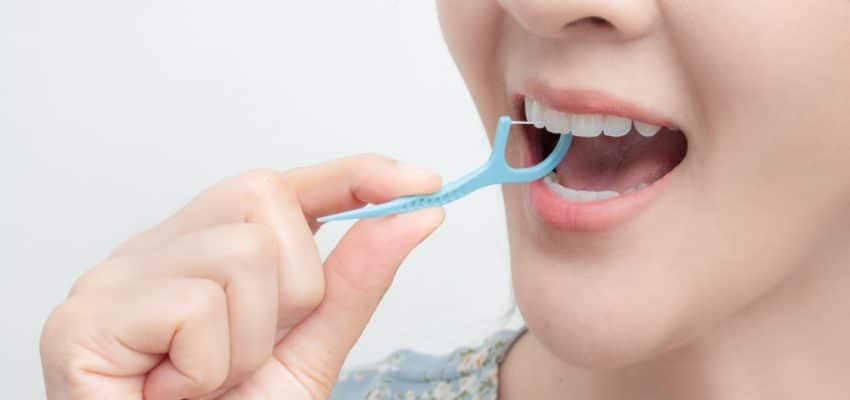
Many people think they’re flossing correctly, but there are several frequent mistakes that either reduce its benefits or unintentionally irritate the gums.
One of the most common errors is snapping the floss forcefully down onto the gums, which can cause tiny cuts and bleeding. The proper technique is to gently curve the floss around each tooth in a “C” shape, then slide it up and down along the side of the tooth with light pressure.
Another mistake is only flossing the front teeth and neglecting the spaces between the back teeth, where food debris and dental plaque tend to accumulate more. To achieve optimal oral hygiene, floss should be passed between all teeth daily, including molars.
Using a piece of floss that’s too short also reduces control and increases the risk of transferring bacteria from one interdental space to another. It’s better to use about 30–45 cm (12–18 inches) of dental floss and wind it in a way that allows you to use a clean segment for each space.
Many people stop flossing as soon as they notice slight gum bleeding, even though this often indicates mild gingivitis that requires continued gentle cleaning and better flossing technique. However, if bleeding persists, it’s important to see a dentist for evaluation.
To avoid these mistakes and gain the full benefits of flossing, make sure you:
- Use the correct technique
- Choose a type of floss that suits you (such as waxed floss or a floss pick/floss holder)
- Make flossing part of your daily routine, along with brushing your teeth using a fluoride toothpaste
This combined approach helps maintain healthy gums and teeth over the long term.