Do you need veneers on every tooth to improve your smile? Not necessarily. In suitable cases, veneers can be placed on selected front teeth—or even a single tooth. The decision depends on the concern being treated, which teeth show when you smile and speak, and how the veneers will blend with the surrounding teeth.
Choosing the right number starts with assessing your teeth, gums and bite, then identifying the changes you want to make. The aim is to create a balanced smile while preserving as much healthy tooth structure as possible.
Table of Contents
Can You Get Veneers on Front Teeth Only?
Yes, veneers can be placed on selected front teeth without treating the rest, provided this is appropriate for your dental health and cosmetic goals. They may help address discoloration that does not respond to suitable conservative treatment, irregular tooth shapes, minor chips and certain small gaps.
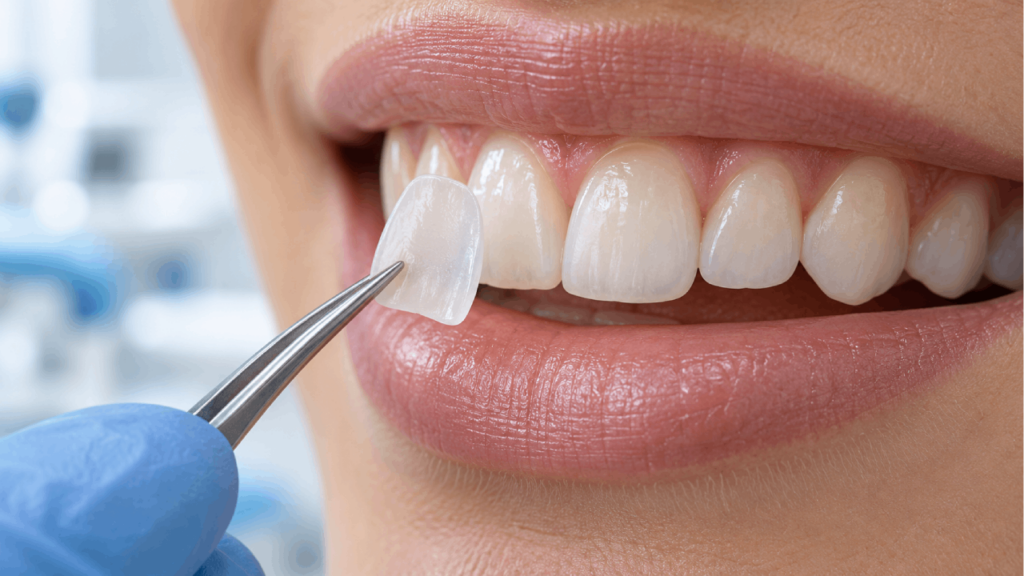
A veneer is a thin layer bonded to the front surface of a tooth. Depending on its design, it may also cover the biting edge. A crown, by comparison, covers most of the visible tooth and is generally considered when more extensive coverage is needed.
The choice between a veneer and a crown depends on the amount of healthy tooth structure remaining and the extent of the repair required, as well as appearance.

How Many Teeth Need Veneers?
There is no standard number of veneers that works for every smile. One person may benefit from treating a single tooth, while another may need several veneers to achieve a consistent appearance.
The main factors include:
- Smile visibility: Your dentist assesses which teeth show during natural smiling and speaking.
- The extent of the concern: Discoloration or shape differences may affect one tooth or several.
- How veneers blend with natural teeth: Colour, proportions and tooth edges should work together.
- Tooth position and bite: The relationship between your teeth affects whether veneers are suitable and how they should be designed.
Photographs, digital planning or a trial mock-up may help you discuss the proposed changes before treatment begins. These tools support planning, but they do not guarantee an exact match between the preview and the final result.
More veneers do not automatically mean a better outcome. Each tooth included in the plan should have a clear reason for treatment.
Can You Get a Veneer on One Tooth?
A single veneer may be suitable for a localised colour or shape concern, or a minor chip, as long as the tooth structure and bite are appropriate.
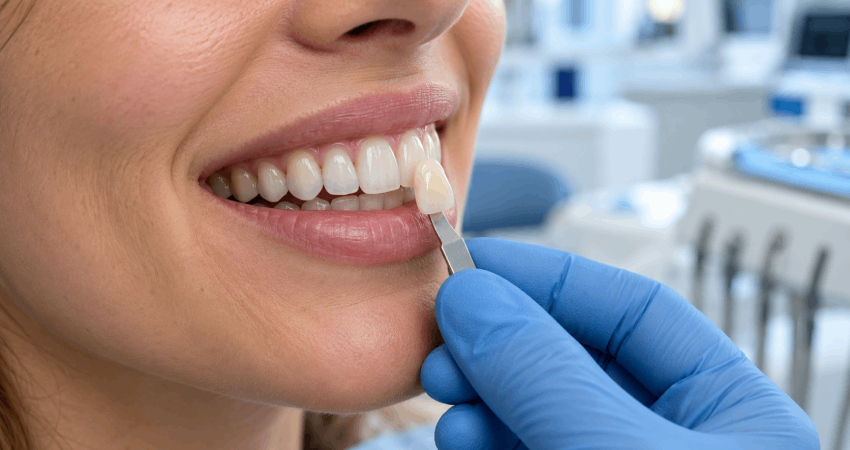
The main challenge is matching the veneer to the neighbouring teeth. Natural teeth have subtle variations in colour, translucency and surface texture, so restoring just one tooth can require particularly careful shade matching.
Alternatives should also be considered. Composite bonding may be enough for a small chip or a minor shape adjustment, while whitening may help with certain types of discoloration. A significantly damaged tooth may need a different restoration.
If you are considering whitening your natural teeth, discuss this before choosing the veneer shade. Whitening does not change the colour of veneers in the same way it changes natural teeth.
Veneers for Upper and Lower Front Teeth
Upper Front Teeth Veneers
Planning veneers for the upper front teeth involves assessing tooth visibility, the smile line, the length of the tooth edges and how they relate to the lips and neighbouring teeth.
The goal goes beyond making teeth whiter. Their shape and proportions should also suit the overall smile. Treating a few teeth may be sufficient, while more widespread differences in colour or shape may justify a broader treatment plan.
Lower Front Teeth Veneers
Veneers for the lower front teeth require an assessment of how much these teeth show, the space available for the restorations and how they contact the upper teeth during biting and movement.
Having upper veneers does not mean you also need lower veneers. The lower teeth may already look balanced, or a more conservative treatment may be enough to address the concern.
When Are Veneers Not the Right Choice?
Veneers are not suitable for every front tooth problem. Tooth decay and gum disease need to be treated first, as the success of the restoration depends on healthy teeth and supporting tissues.
Orthodontic treatment may be more appropriate for crowding, protruding teeth or problems with tooth position. Using veneers to disguise these concerns could require greater removal of healthy tooth structure without correcting the underlying issue.
Teeth grinding and bite problems also need careful assessment because they can place additional stress on veneers and increase the risk of damage. Some cases require a protective plan and closer follow-up.
If a tooth is badly damaged or weakened, a crown or another type of restoration may be more suitable.
How Are Front Teeth Veneers Placed?
Treatment begins with an examination of your teeth, gums and bite, followed by a discussion of your goals and available alternatives. The material, shade and shape are then selected, and a trial mock-up may be used to review the proposed design.
For laboratory-made porcelain veneers, the process generally includes:
- Tooth preparation: The amount of preparation varies. Any enamel removed cannot be replaced, so this step is irreversible.
- Impressions or a digital scan: These record the details needed to make the veneers.
- Trying in the veneers: Their fit, colour and shape are checked before final bonding.
- Bonding and bite assessment: The veneers are secured, and tooth contacts are checked.
- Follow-up: Your dentist reviews comfort, gum health and the bite after placement.
Not every case requires the same amount of preparation, and no-preparation veneers are not suitable for everyone. Direct composite veneers follow a different process from laboratory-made porcelain veneers, so the number of appointments depends on the chosen material and treatment plan.
Front Teeth Veneer Results and Aftercare
Veneers can improve tooth colour, shape and overall smile balance. However, the outcome depends on the starting condition of your teeth and what the treatment can realistically achieve.
A successful result should combine a suitable appearance with comfortable tooth contacts and healthy surrounding gums.
Sensitivity may occur after preparation or placement. Veneers can also chip, fracture or come loose and may need repair or replacement in the future. Persistent sensitivity, pain or a change in your bite should be assessed by your dentist.
Daily care includes brushing with fluoride toothpaste, cleaning between the teeth and attending regular dental reviews. Avoid biting hard objects or using your teeth to open packaging. If your dentist recommends a night guard, wearing it can help protect the restorations from grinding-related forces.
How Much Do Front Teeth Veneers Cost?
The cost of front teeth veneers depends on the number of teeth treated, the material used, the manufacturing process and the complexity of the case.
Matching a single veneer to neighbouring teeth can require detailed cosmetic work. Any treatment needed beforehand, such as managing decay or gum disease, may also affect the overall cost.
When reviewing a quote, ask what it includes. This may cover the examination, smile planning, temporary veneers where needed, final bonding and follow-up visits. Preliminary dental treatment may be charged separately.
An individual assessment allows you to compare suitable options using a clear treatment plan, rather than the price per veneer alone.
Plan Your Smile with Dr. Abeer Zandaqi
If you are considering front teeth veneers, book a consultation with Dr. Abeer Zandaqi to assess your teeth and discuss the appropriate number of veneers, shade, shape, alternatives and expected cost. A personalised plan starts with understanding your dental needs and choosing an approach that supports both oral health and a balanced smile.