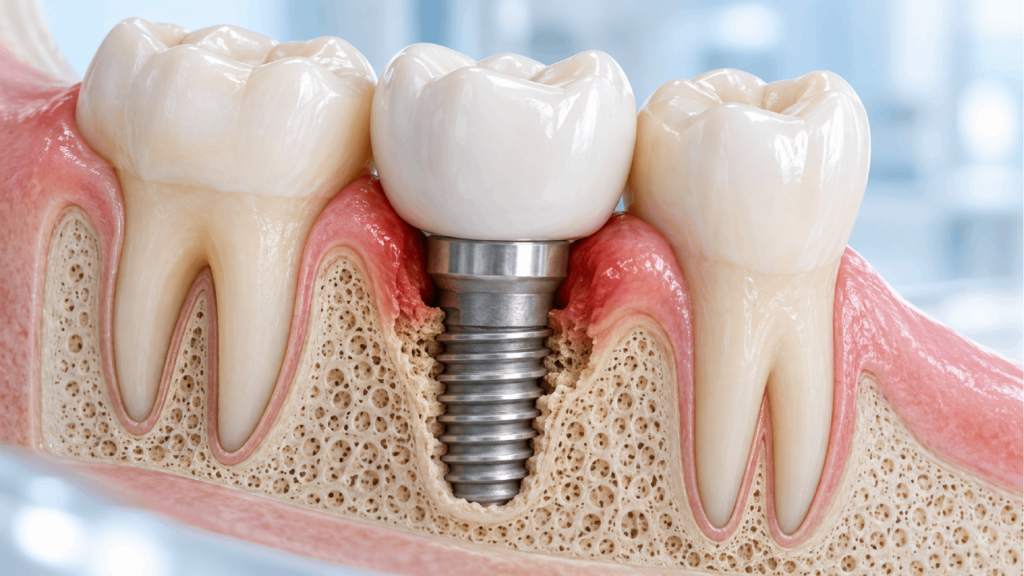
Pain around a dental implant or a feeling that the replacement tooth is loose can be worrying. However, these symptoms do not always mean the implant has failed. The problem may involve the surrounding tissues, the crown, or a connecting screw, while the implant itself remains firmly anchored in the jawbone.
A dental examination is needed to identify the cause, especially when pain persists or worsens, or when bleeding, discharge, or movement develops. Early assessment helps guide treatment before the problem becomes more complex.
Table of Contents
What Is Dental Implant Failure?
Dental implant failure occurs when an implant does not integrate with the jawbone after placement, or when it later loses stability and supporting bone. This may happen during healing or after years of use.
It is important to distinguish between failure of the implant within the bone and a problem with the restoration attached to it. A loose crown, abutment, or retaining screw can cause discomfort and movement without the implant itself failing. In these cases, repairing or adjusting the affected component may resolve the problem.
Pain or a sensation of looseness alone cannot determine whether an implant has failed or needs to be removed.

Signs and Symptoms of Dental Implant Failure
Several symptoms warrant an examination of the implant and the surrounding tissues:
- Persistent or worsening pain, particularly when biting or chewing.
- Swelling that does not settle or keeps returning.
- Recurrent bleeding or discharge around the implant.
- Movement in the replacement tooth or one of its components.
- A change in your bite, such as the implant crown contacting the opposing teeth first.
- Gum recession or newly exposed implant components.
These signs do not confirm implant failure on their own, but they should be assessed. Some conditions affecting the tissues around implants can also progress without obvious pain, so a comfortable implant is not necessarily a healthy one.
Arrange a prompt dental appointment if you notice movement, discharge, or increasing pain. Spreading swelling, fever, or difficulty swallowing requires urgent assessment. Difficulty breathing requires emergency care.
Is Pain After Dental Implant Treatment Normal?
The meaning of pain depends partly on whether it starts after implant surgery or after the crown has been fitted.
Some discomfort and swelling can occur after surgery and should gradually improve as you follow your dentist’s aftercare instructions. Pain that becomes more intense, returns after initially improving, or occurs with discharge or movement needs to be checked.
After the crown is fitted, pain when biting may result from a crown that contacts too heavily or an uneven bite. It may also involve the surrounding tissues or a component of the restoration.
The pattern of symptoms and any accompanying changes matter more than pain alone. There is no single recovery timeline that applies to everyone, as the procedure and the condition of the tissues vary between patients.
What Causes Dental Implant Failure?
The causes depend on the stage of treatment, the health of the bone and gums, relevant medical factors, and the forces placed on the restoration.
Early Dental Implant Failure
Early failure usually involves the implant not achieving the intended integration with the bone. Infection, impaired healing, inadequate initial stability, or excessive movement and loading during healing may contribute.
Smoking and poorly controlled diabetes can increase the risk of complications. However, having diabetes does not automatically mean an implant will fail. Assessment depends on how well the condition is controlled and the patient’s overall health.
Similarly, attaching a temporary tooth soon after implant placement does not inevitably cause failure. Immediate loading may be suitable when specific clinical conditions are met.
Dental Implant Failure After Years of Use
An implant may lose supporting bone because of inflammation around it, particularly when plaque accumulates and cleaning or follow-up care is insufficient.
A history of gum disease is also relevant, especially if the disease is not well controlled. Smoking and other health factors may further affect the stability of the surrounding tissues.
Teeth grinding and uneven biting forces can contribute to problems with the restoration’s components. These require a separate assessment: a loose screw or fractured crown does not automatically indicate inflammation or failure of the implant itself.
Inflammation and Movement Around a Dental Implant
Not all inflammation around an implant represents the same condition.
Peri-implant mucositis affects the soft tissues without inflammation-related loss of supporting bone. It may cause redness, swelling, and bleeding during cleaning. Appropriate treatment and improved daily care can help bring it under control.
Peri-implantitis involves inflammation accompanied by loss of supporting bone. Treatment depends on how far the condition has progressed and the clinical findings.
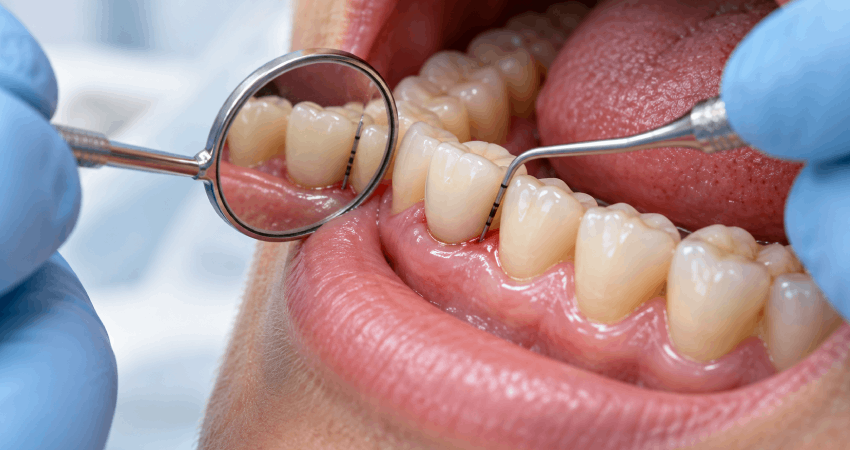
Movement also needs to be assessed carefully. A loose crown or abutment differs from movement of the implant within the bone. Your dentist will use an examination and X-rays, comparing them with earlier records when available, to identify the problem.
If something feels loose, avoid chewing on that area until it has been checked. Do not try to tighten, glue, or repeatedly test the movement yourself.
Treatment for Dental Implant Failure
Treatment starts with identifying the source of the problem, checking implant stability, and assessing inflammation and bone loss. Depending on the findings, the options may include the following.
Treating inflammation and improving cleaning: Professional cleaning removes deposits around the implant, alongside guidance on suitable home-care techniques. The restoration may also need adjustment if its shape makes the area difficult to clean.
Repairing the restoration: If the implant is stable but the crown, abutment, or retaining screw is affected, the damaged component may be repaired or replaced. The bite should also be assessed to help reduce the risk of recurrence.
Surgical treatment: Some cases of peri-implantitis require surgery. Procedures intended to rebuild supporting bone may be considered in selected cases, depending on the pattern of bone loss and whether the implant can reasonably be preserved.
Implant removal: Removal may be necessary when the implant has lost stability or the damage is too extensive for a suitable treatment outcome.
Antibiotics are not an automatic treatment for every painful or inflamed implant. They do not replace cleaning and correction of the underlying cause; your dentist will determine whether they are appropriate.
Can a Failed Dental Implant Be Replaced?
A replacement implant may be possible once the cause of failure has been addressed and the site has been reassessed. This includes evaluating bone quantity and quality, gum health, any remaining infection, and whether bone grafting is needed.
Planning should also address factors that could affect the next implant, such as smoking, diabetes control, daily cleaning, and biting forces.
In selected circumstances, a new implant may be placed immediately. Other cases require time for infection to resolve, tissues to heal, or bone grafting to mature. There is no single timetable suitable for every patient, and the outcome of a replacement implant cannot be guaranteed.
If another implant is unsuitable, alternative ways to replace the missing tooth can be discussed based on the neighbouring teeth and the patient’s needs.
Dental Implant Success Rates and Long-Term Care
Dental implant success cannot be expressed as one percentage that applies to every patient. Outcomes vary with the clinical circumstances, implant location, maintenance, and length of follow-up.
An implant remaining in the mouth is also not the same as an implant being free from inflammation, bone loss, or restoration problems. The aim is a stable, functional implant with healthy surrounding tissues wherever possible.
To help maintain your implant:
- Clean your teeth and the area around the implant every day.
- Use the interdental cleaning tools recommended by your dentist.
- Attend follow-up visits and professional cleaning appointments according to your needs.
- Stop smoking and maintain good diabetes control.
- Have gum disease treated and discuss any teeth grinding.
- Seek assessment for recurring bleeding, pain, or movement, even if the implant was placed years ago.
Have Your Dental Implant Assessed by Dr. Abeer Zindaki
If you notice persistent pain, repeated bleeding, or movement in an implant-supported tooth, book an appointment with Dr. Abeer Zindaki. An assessment can help identify whether the problem involves the implant, its restoration, or the surrounding tissues, and guide a suitable treatment plan. Referral or coordination with a periodontist or implant surgeon can be arranged when needed.