A missing molar may not show when you smile, but you may notice the gap when chewing or find yourself favouring one side of your mouth. Replacing it involves more than filling a space: the aim is to restore comfortable function while supporting the health of your teeth, gums, and bite.
Treatment options include dental implants, bridges, and removable partial dentures. The right choice depends on your oral health, treatment preferences, available time, and budget. A dental assessment helps establish the benefits and limitations of each option.
Table of Contents
Does a Missing Molar Always Need to Be Replaced?
The decision depends on the molar’s position and function, the number of remaining teeth, and how well you can chew. Replacement may help restore function, while some gaps can be monitored if the bite remains stable and your dentist considers this appropriate.
Wisdom teeth usually do not need replacing after extraction. For other molars, however, the absence of pain does not necessarily mean the gap can be left without assessment.

What Can Happen If a Missing Molar Is Not Replaced?
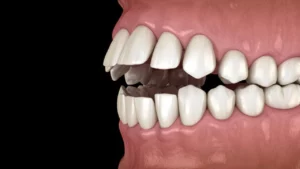
Adjacent teeth may tilt towards the gap, while the opposing tooth may move further into the empty space. These changes can affect the bite and make cleaning more difficult. Chewing certain foods may also become harder, particularly when several molars are missing.
Bone volume at the extraction site can decrease over time, which may affect future implant planning. These changes vary between patients and are not inevitable consequences of every missing molar.
Missing Molar Replacement Options
A Dental Implant
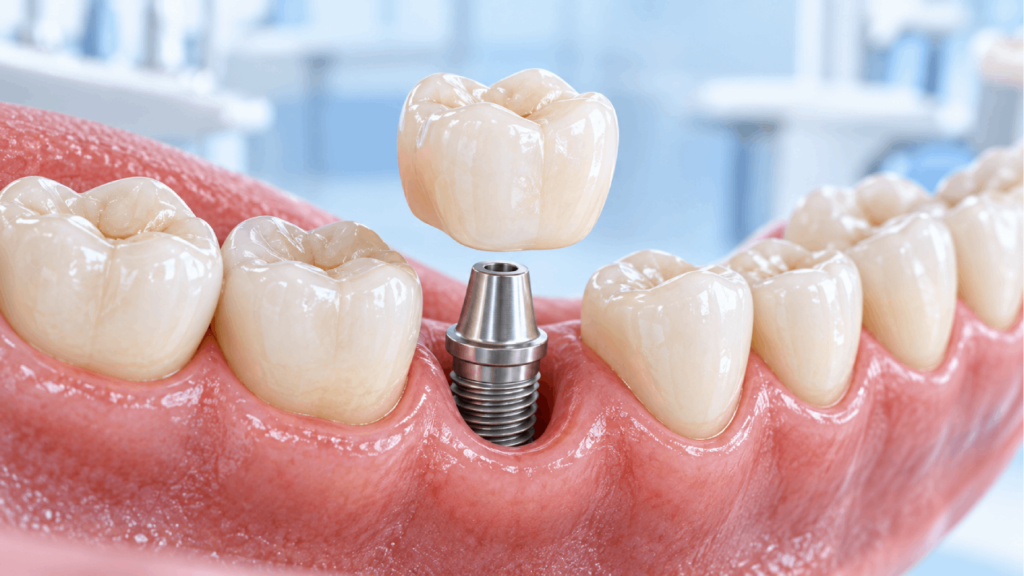
A dental implant is placed in the jawbone to support a crown that replaces the missing molar. It usually avoids the need to reshape neighbouring teeth.
Treatment requires an assessment of bone volume, gum health, and general health, followed by implant surgery and a healing period. Some patients may need bone grafting or gum treatment before the replacement can be completed.
A Dental Bridge
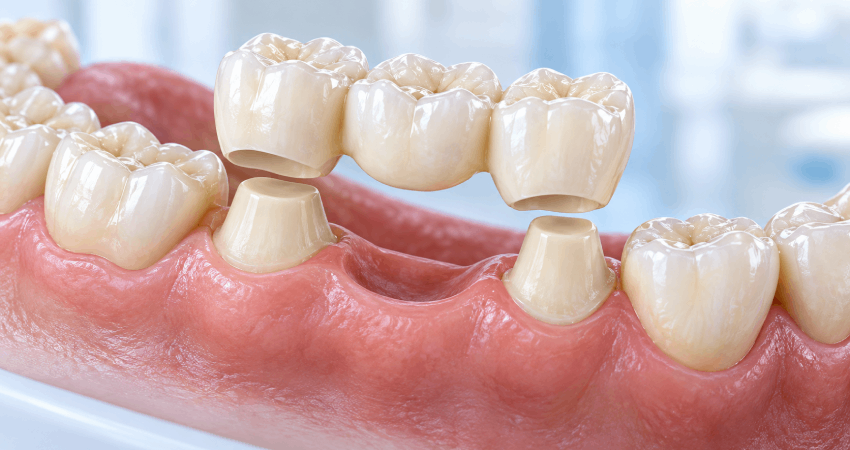
A traditional bridge fills the gap with an artificial tooth attached to crowns fitted over the neighbouring teeth. These supporting teeth usually need to be reshaped, so their health and ability to withstand chewing forces must be assessed.
A bridge may be particularly suitable when the supporting teeth already need crowns. It requires careful cleaning around those teeth and beneath the replacement tooth.
Replacing a Molar Without an Implant
Alongside a fixed bridge, a removable partial denture may be considered in selected cases, either temporarily or as a longer-term option.
Its comfort and stability differ from those of a fixed replacement. It may take time to adjust to wearing it, and adjustments may be needed to improve the fit. It must also be removed and cleaned as instructed by your dentist.
Dental Implant or Bridge?
The table below compares a dental implant with a traditional tooth-supported bridge:
| Comparison | Dental Implant | Traditional Bridge |
| Support | Implant in the jawbone | Neighbouring teeth |
| Surgery | Required for placement | Usually not required |
| Reshaping adjacent teeth | Usually unnecessary | Usually required |
| Main requirements | Suitable bone and healthy gums | Suitable supporting teeth and healthy gums |
| Daily care | Clean around the implant and crown | Clean around supports and under the bridge |
Treatment time and cost depend on your oral health and any additional procedures needed. Both options require follow-up care and may need repairs or replacement of individual components over time.
Choosing the Best Replacement for a Missing Molar
When neighbouring teeth are healthy, preserving them may favour considering an implant. If they already need crowns, a bridge may be a suitable option. Gum health, bone volume, bite alignment, and teeth grinding also influence treatment planning.
The location of the gap matters too. If the last molar is missing and there is no tooth behind it, a traditional bridge may lack support on both sides. Your dentist will discuss alternatives while considering your preferences regarding surgery, treatment time, and cost.
When Can a Molar Be Replaced After Extraction?
Planning early—ideally before extraction when possible—helps identify the most appropriate approach. Timing depends on healing, infection, bone and gum condition, and the type of replacement.
In selected cases, an implant can be placed immediately after extraction. This does not necessarily mean the final crown can be fitted at the same appointment. Implant placement and crown fitting are separate decisions made according to the clinical situation.
Missing Molar Replacement Cost
The cost depends on the replacement type and materials, required examinations, and whether bone grafting, gum treatment, or treatment of supporting teeth is needed.
For a bridge, the number of units also affects the price. Implant treatment involves the implant, crown, and any associated procedures.
Ask for a clear treatment plan explaining each stage and what the quoted price includes. Follow-up care and future maintenance should also be considered when comparing the overall cost.
Restore Comfortable Chewing with Dr. Abeer Zindaqi
Book a consultation with Dr. Abeer Zindaqi to assess the missing molar site, neighbouring teeth, gums, and bite. Discuss suitable replacement options, expected treatment time, and costs, with coordination with an implant specialist when needed.