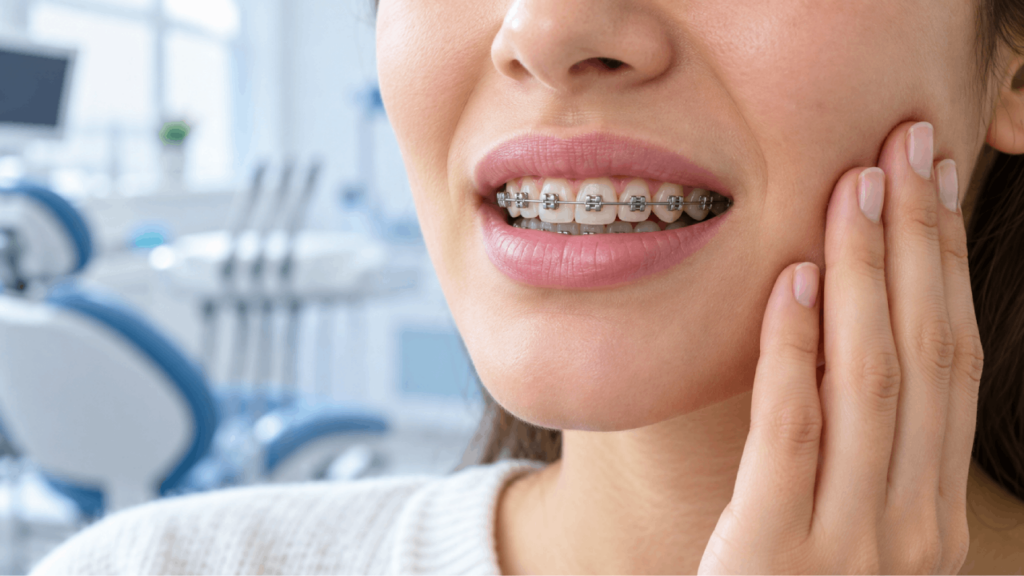
Your teeth may feel tender after a braces adjustment, making foods you normally enjoy uncomfortable to chew. This soreness is usually temporary and eases within a few days. However, pain that persists or gets worse should be checked, especially if you notice swelling or a problem with your braces.
Understanding what causes the discomfort can help you manage it and recognise when to contact your orthodontist.
Table of Contents
Why Teeth Hurt After a Braces Adjustment
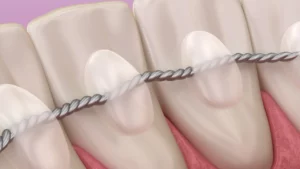
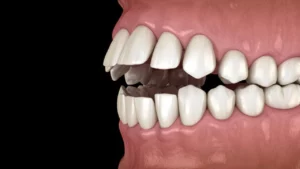
Braces apply controlled forces to move your teeth gradually. During an adjustment, your orthodontist may change the archwire or adjust other parts of the appliance as your treatment progresses. The tissues around your tooth roots respond to these forces, which can leave your teeth feeling sensitive when you bite or chew.
This is different from irritation caused by a bracket or wire rubbing against your cheek or lip. Tooth movement tends to cause pressure or tenderness in the teeth, while friction can create a sore spot in the soft tissues of your mouth.
Being able to describe where the pain is and what it feels like helps your orthodontist give you appropriate advice.
How Long Does Pain Last After Braces Tightening?
Soreness after a braces adjustment generally settles within a few days. The intensity and duration vary between patients, and your experience may also change from one appointment to the next.
There is no exact day when everyone’s discomfort disappears. Instead, pay attention to whether it is improving: is chewing becoming easier, and are your teeth less tender than they were yesterday?
If the pain is not improving after a few days, contact your orthodontist rather than waiting for your next scheduled appointment.
Pain After Different Adjustment Appointments
Some adjustments may leave your teeth feeling sore, while others cause little or no noticeable discomfort. This depends on the changes made during the appointment and how you respond to them.
A lack of pain does not mean your braces are not working, and stronger pain does not mean treatment is more effective. Your orthodontist assesses progress during follow-up appointments; discomfort alone is not a reliable measure of tooth movement.
How to Relieve Pain After a Braces Adjustment
Managing Discomfort at Home
A few simple measures can make eating and daily care more comfortable while the soreness settles:
- Choose soft foods temporarily. Yoghurt, eggs, mashed potatoes and lukewarm soup require less chewing. Avoid hard or sticky foods that may worsen discomfort or damage your braces.
- Try a cold compress against your cheek. Wrap it in a cloth and apply it for a short period. Do not place ice directly against your skin.
- Use orthodontic wax for rubbing brackets or wires. A small amount over the irritating area can protect your cheek or lip. Wax helps with friction, but it does not relieve the pressure from tooth movement or repair a broken wire.
- Keep brushing gently. Use a soft toothbrush and follow your orthodontist’s instructions for cleaning around the appliance.
- Consider a warm saltwater rinse for irritated tissues. This may help soothe sore areas if you can rinse and spit safely. It is unsuitable for children who may swallow the solution.
These steps can help relieve braces pain at home, but they cannot replace an assessment of unusual pain or a repair when the appliance is damaged.
Using Pain Relief Safely
A suitable pain reliever may help manage temporary soreness. Ask your orthodontist or pharmacist which option is appropriate for your age, medical history and any other medicines you take. Follow the instructions on the packaging and do not exceed the recommended dose.
If you use paracetamol, also called acetaminophen, check whether any cold remedies or combination pain medicines you take contain the same ingredient. Taking more than one product containing it can lead to an accidental overdose. Children should not be given adult doses.
If the pain persists or you repeatedly need medication to manage it, arrange an assessment. Pain relief does not fix a damaged appliance or treat every possible cause of toothache.
When Braces Pain Needs Attention
Contact your orthodontist if the pain continues for more than a few days without improving, or if a wire is poking your mouth or a bracket has become loose or broken. Do not cut a wire or adjust the appliance yourself unless your orthodontist specifically guides you.
You should also have your teeth checked if the pain is severe, remains concentrated in one tooth, or occurs alongside noticeably red gums, a bad taste, fever, or swelling in your cheek or jaw. Pain that begins after an adjustment should not automatically be attributed to the braces.
Pain that disrupts sleep or daily activities and is not relieved by pain medication calls for an urgent dental appointment. Swelling that makes it difficult to breathe, swallow or speak requires immediate emergency care.
Continue Your Orthodontic Care with Dr. Amir Zahrawi
If tooth pain after a braces adjustment persists or feels different from your usual soreness, contact Dr. Amir Zahrawi’s clinic for an assessment of your teeth and appliance. A follow-up visit can help identify the cause and determine the advice or treatment appropriate for your situation.
Book a follow-up appointment with Dr. Amir Zahrawi, and let the clinic know when the pain started, where you feel it, and whether it is improving or getting worse.