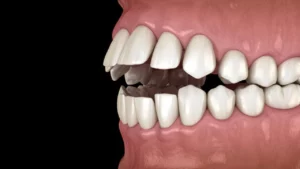
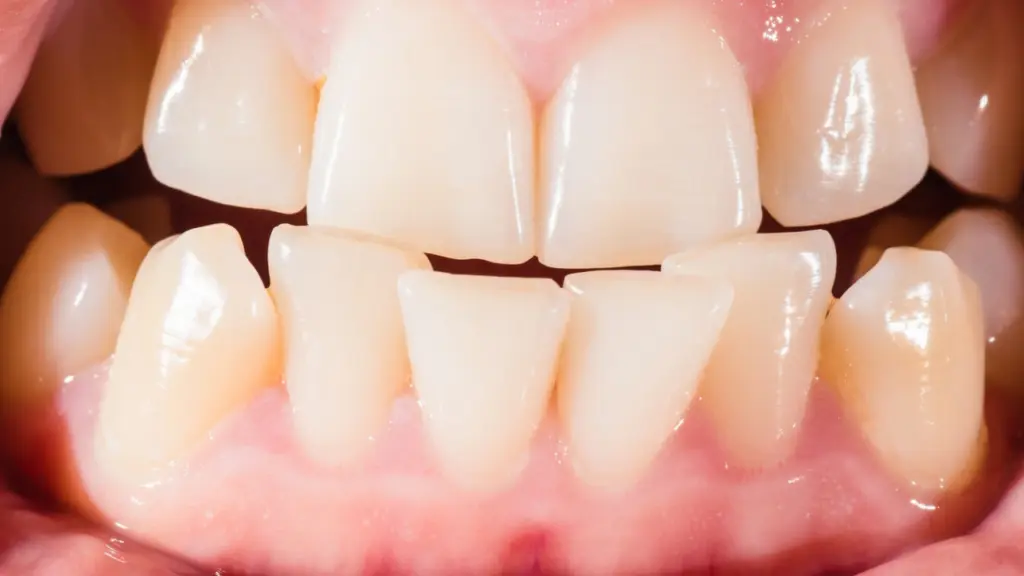
Crowded teeth occur when there is not enough space within the jaw for all permanent teeth to align properly. As a result, some teeth may overlap, rotate, or tilt inward or outward.
Crowding can be mild and barely noticeable or severe enough to affect the smile, bite, and ability to clean between teeth. Treatment depends on the severity of crowding, available space, tooth position, and jaw relationship.
Table of Contents
In many mild to moderate cases, clear aligners can treat crowded teeth effectively. More complex cases, however, may require fixed braces or additional methods to create enough space for proper alignment.
What Are Crowded Teeth and How Do They Develop?
Dental crowding develops when the space available in the dental arch is smaller than the amount of space the teeth need.
It is commonly noticeable around the front teeth, especially the lower incisors, but crowding can occur anywhere in the mouth.
Three main factors influence whether teeth have enough room to align:
- Tooth size.
- Jaw size and shape.
- The position and pattern of tooth eruption.
When teeth are relatively large compared with the jaw, the dental arch is narrow, or teeth erupt in unfavorable positions, they may rotate or move outside their ideal alignment.
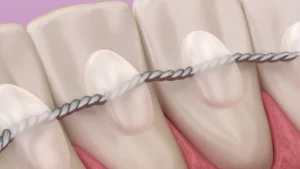
Crowding is not only a cosmetic concern. Overlapping teeth can make brushing and flossing more difficult, increasing the risk of plaque accumulation, tooth decay, and gum problems.
What Causes Crowded Teeth?
Several factors can contribute to dental crowding, and more than one may be present in the same patient.
Mismatch Between Tooth and Jaw Size
One of the most common causes is having relatively large teeth compared with the available jaw space.
If the dental arch is too small or narrow, the teeth cannot all occupy their ideal positions and may begin to overlap or rotate.
Genetics can influence both tooth and jaw size, which is why crowding may occur in several members of the same family.
Read More : Small Teeth: Causes and Best Treatment Options to Improve Tooth Size and Shape
Early Loss of Baby Teeth
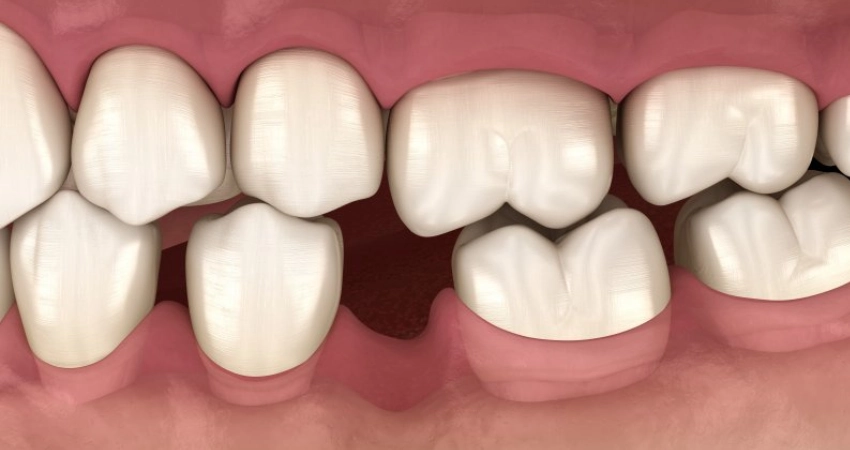
Baby teeth help maintain the spaces required for permanent teeth.
When a baby tooth is lost too early because of decay, injury, or another problem, neighboring teeth may move into the empty space. This can leave insufficient room for the permanent tooth when it begins to erupt.
Teeth Erupting in Abnormal Positions
Some permanent teeth may follow an unfavorable eruption path.
Upper canines, for example, may appear higher than the other teeth or outside the dental arch. Incisors may also erupt rotated or tilted.
These positional changes can contribute to crowding and may also affect the bite.
Jaw Growth and Available Space
Jaw development during childhood and adolescence influences how much space becomes available for permanent teeth.
A narrow dental arch or limited jaw growth can increase the likelihood of crowding. This is one reason early orthodontic assessment can be useful for children with developing alignment problems.
What Are the Different Degrees of Dental Crowding?
Orthodontists generally assess crowding according to the amount of missing space and the position of the teeth.
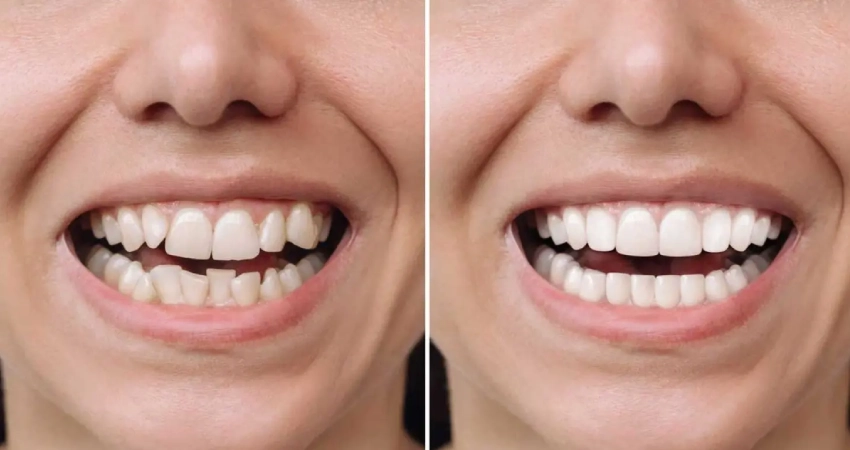
Mild Crowding
In mild cases, only a small amount of space is missing. One or two teeth may be slightly rotated, or there may be minor overlapping of the front teeth.
Clear aligners or fixed braces can often correct these cases without major additional procedures.
Moderate Crowding
Moderate crowding involves more noticeable overlapping or rotation of several teeth.
Treatment may require creating additional room by gently expanding the dental arch or using interproximal reduction (IPR) between selected teeth.
Clear aligners may still be suitable for many moderate cases, depending on the tooth movements and bite correction required.
Severe Crowding
In severe cases, the available space is considerably less than what the teeth require. Some teeth may be positioned partly or completely outside the normal dental arch.
Treatment planning is usually more complex and may involve arch expansion, extraction of selected teeth, fixed braces, or a combination of orthodontic techniques.
How Does an Orthodontist Assess Crowded Teeth?
The appearance of the front teeth alone is not enough to determine the severity of crowding or the appropriate treatment.
An orthodontic assessment may include:
- Examination of tooth alignment and overlapping.
- Evaluation of the bite and jaw relationship.
- Panoramic or cephalometric X-rays.
- Checking for impacted or unerupted teeth.
- Facial and dental photographs.
- Dental impressions or digital scans.
Digital models can help measure the space available within the dental arch and compare it with the amount of space required to align all the teeth.
Using this information, the orthodontist can determine whether the crowding is mild, moderate, or severe and whether clear aligners, fixed braces, or additional procedures are appropriate.
Can Crowded Teeth Be Treated With Clear Aligners?
Yes. Clear aligners can treat crowded teeth in many cases, particularly when the crowding is mild or moderate.
Clear aligners use a sequence of custom-made trays to move the teeth gradually according to a planned treatment sequence.
They may be suitable when treatment requires:
- Correcting mild or moderate overlapping.
- Rotating selected teeth.
- Redistributing available space.
- Improving tooth alignment without major jaw changes.
- Correcting manageable bite discrepancies.
However, clear aligners may not be the best option on their own when crowding is severe, significant jaw discrepancies are present, or highly complex tooth and root movements are required.
In these situations, fixed metal or ceramic braces, or a combination of orthodontic techniques, may offer better control.
The decision should therefore be based on a complete orthodontic assessment rather than appearance or patient preference alone.
Read About: How Long Do Clear Aligners Take and When Do Results Start to Show?
How Is Space Created to Straighten Crowded Teeth?
Correcting crowding usually requires creating or redistributing enough space for the teeth to move safely.
Several methods may be considered.
Expanding the Dental Arch
In selected mild to moderate cases, the dental arch can be widened gradually to create additional space.
Fixed braces or clear aligners may be used to reposition teeth within safe anatomical limits. Specific expansion appliances may also be considered for some growing children and teenagers.
Interproximal Reduction (IPR)
IPR involves removing a very small and carefully controlled amount of enamel between selected teeth.
The small spaces created can provide enough room to correct mild or moderate crowding and are commonly used with clear aligner treatment.
Because only a limited amount of enamel can be safely removed, IPR is not suitable for every patient or every degree of crowding.
Tooth Extraction
When severe crowding creates a substantial shortage of space, expansion or IPR may not be sufficient.
In selected cases, the orthodontist may recommend removing one or more teeth to create the space required for alignment.
The decision is based on the degree of crowding, bite, jaw shape, facial profile, and condition of individual teeth. Extraction is therefore not automatically required simply because significant crowding is present.
Read More; Who Is a Good Candidate for Clear Aligners?
Clear Aligners or Braces: Which Is Better for Crowded Teeth?
Both clear aligners and fixed braces can treat dental crowding when used in appropriate cases.
Clear aligners are removable and less noticeable, making eating and oral hygiene easier for many patients. However, successful treatment depends heavily on wearing them according to the prescribed schedule.
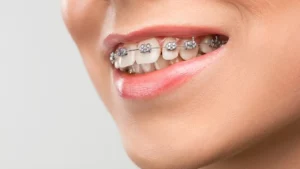
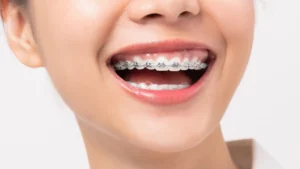
Fixed braces remain attached to the teeth throughout treatment and can provide continuous control over tooth movement. They may be preferable when crowding or bite problems require more complex movements.
The best option is the one that can safely perform the movements required for the individual case rather than simply the appliance that looks more discreet.
How Long Does Treatment for Crowded Teeth Take?
Treatment time varies according to the severity of crowding and complexity of the orthodontic plan.
According to the original treatment guidance, many cases may require approximately 6 months to 2 years of orthodontic treatment.
Mild crowding usually requires fewer movements, while moderate or severe cases may take longer, particularly when space must first be created.
Treatment duration is also affected by age, biological response, additional bite problems, and patient compliance.
With clear aligners, following the prescribed wear schedule is particularly important for keeping treatment on track.
Treat Crowded Teeth With Dr. Ameer Ghayath Al-Zahrawi
Choosing the appropriate treatment for crowded teeth begins with determining how much space is missing and which tooth movements are required.
At Dr. Ameer Ghayath Al-Zahrawi’s clinic, the teeth, bite, and jaw relationship are assessed using clinical examination and orthodontic records to determine whether clear aligners are appropriate or whether fixed braces or additional space-creating techniques would provide a better treatment approach.
If you have crowded teeth and are considering clear aligners, you can schedule an orthodontic consultation to assess the severity of crowding and determine the treatment options suitable for your case.