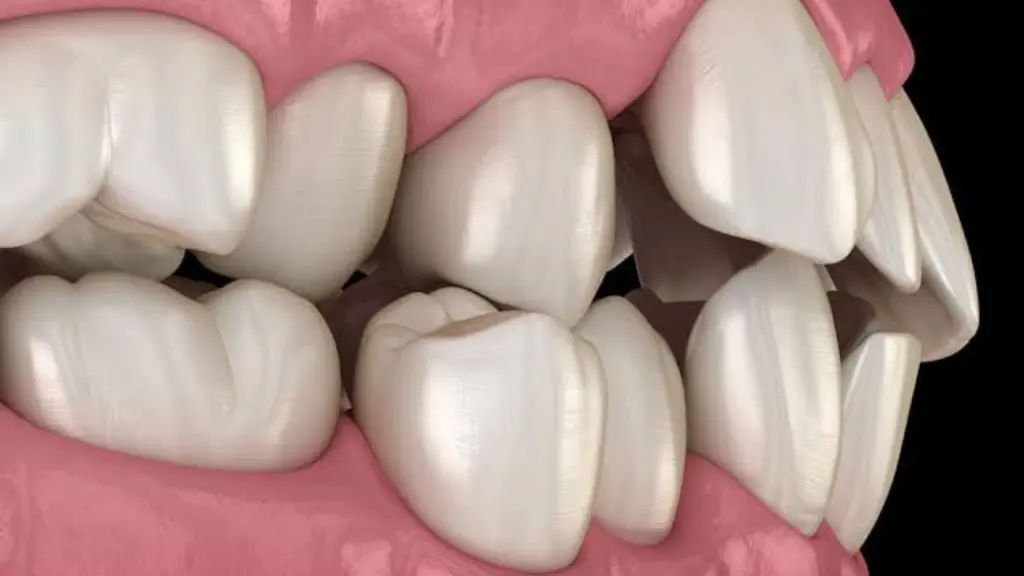
Small teeth can affect the proportions of your smile, create noticeable gaps, or make the gums appear more prominent. In some people, teeth are naturally small, while in others they may look smaller because of tooth wear or excessive gum coverage.
Table of Contents
Treatment does not simply focus on making teeth larger. The goal is to identify the cause and create a natural balance between the teeth, gums, lips, and facial features.
When Are Teeth Considered Small?
There is no single universal measurement that defines normal tooth size. Dentists evaluate each tooth in relation to the neighboring teeth, jaw, gums, and overall smile.
Teeth may be considered small when:
- Their length or width is noticeably smaller than neighboring teeth.
- Only a small portion of the teeth is visible when smiling.
- Tooth size appears disproportionate to the lips or jaw.
- Gaps are present because the teeth are relatively narrow.
Sometimes the teeth themselves are normal in size but appear short because the gums cover a larger portion of the crowns. A dental evaluation can help determine whether the issue comes from tooth size, gum position, or both.
What Causes Small Teeth?
Understanding the cause of small teeth is important because it directly influences the most appropriate treatment.
Congenitally Small Teeth
Some people naturally develop smaller-than-average teeth, a condition known as microdontia. It may be related to genetic factors or differences in tooth and jaw development.
Microdontia can affect a single tooth, commonly an upper lateral incisor, or several teeth.
Tooth Wear
Teeth that were originally normal in size may gradually become shorter due to wear. Common causes include teeth grinding or clenching, repeated exposure to acids, and habits that place excessive pressure on the teeth.
Understanding the causes of tooth wear is important because controlling the underlying factor can help prevent further loss of tooth structure before restorative or cosmetic treatment is performed.
When tooth wear is responsible, treatment should address the underlying cause as well as restore the lost tooth structure.
Gum Shape
Not every tooth that looks small is actually undersized. Excess gum tissue can cover part of the tooth crown, making otherwise normal teeth appear shorter and contributing to a gummy smile.
In these cases, treatment may focus primarily on the gums rather than adding material to the teeth.
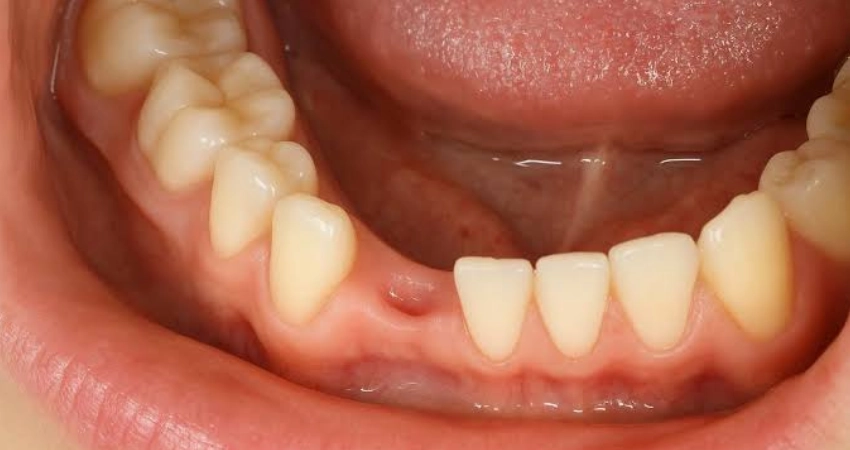
Are Small Teeth a Health Problem or a Cosmetic Issue?
For many people, small teeth are primarily a cosmetic concern because they affect the proportions and appearance of the smile.
However, treatment may also be necessary when small teeth are associated with:
- Large gaps between teeth.
- Food and plaque accumulation.
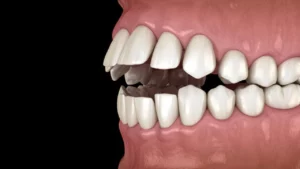
- Bite problems.
- Reduced chewing efficiency.
- Significant tooth wear or structural weakness.
A dental examination helps determine whether the concern is purely aesthetic or whether functional treatment should also be included.
In some cases, gaps between teeth develop because the teeth are relatively small compared with the available space in the jaw, although spacing can have several other causes that should be evaluated before treatment.
What Are the Best Treatment Options for Small Teeth?
The most appropriate small teeth treatment depends on the cause, severity, condition of the teeth and gums, and the patient’s bite.
Cosmetic Dental Bonding
Dental bonding uses tooth-colored composite resin to increase the length or width of a tooth and improve its shape.
It is commonly used for mildly or moderately small teeth, small gaps, or when only one or a few teeth need correction. Because bonding usually requires little or no enamel removal, it is considered one of the more conservative cosmetic options.
However, composite material may stain or wear over time and generally does not last as long as porcelain restorations.
Dental Veneers
Veneers are thin ceramic shells placed over the front surfaces of teeth to change their size, shape, proportions, and color.
They may be considered when several front teeth are small or when size differences occur together with concerns about tooth shape or color.
Veneers can provide a durable and natural-looking result, but they are not suitable for everyone. The dentist must evaluate the enamel, gums, and bite before recommending treatment.
When both options are possible, understanding the difference between dental bonding and veneers can help clarify how they differ in tooth preparation, durability, maintenance, and suitability for different cosmetic concerns.
Gum Reshaping
When excessive gum coverage makes the teeth appear short, gum reshaping may expose more of the natural tooth crown and improve the proportions of the smile.
Depending on the case, the procedure may be performed alone or combined with dental bonding or veneers.
Careful assessment of the gums, roots, and supporting bone is important before treatment to determine how much tissue can safely be reshaped.
Dental Crowns
Crowns may be considered when small teeth are also severely worn, fractured, weakened, or already contain large restorations.
Unlike bonding or veneers, crowns cover most or all of the visible tooth and therefore require more tooth preparation. For this reason, they are generally reserved for situations where additional structural protection is needed rather than simply to enlarge a healthy tooth.
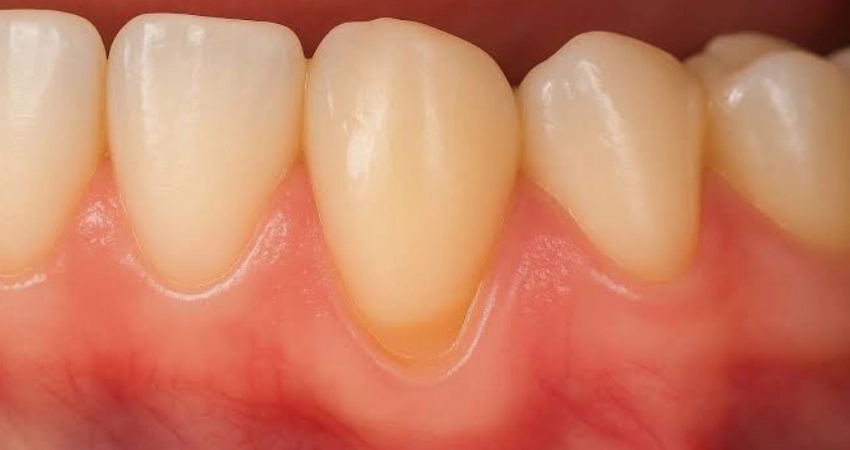
Do Small Teeth Need Braces Before Cosmetic Treatment?
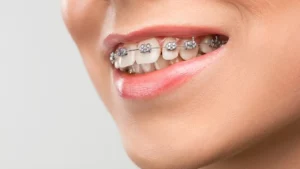
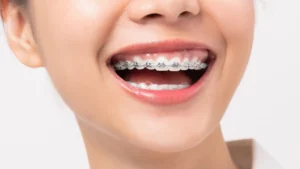
Not every patient with small teeth needs braces or clear aligners before cosmetic treatment.
Bonding or veneers may sometimes be performed directly when the teeth are reasonably well aligned and there are no significant bite problems.
Orthodontic treatment may be recommended first when there is:
- Significant crowding or tooth rotation.
- Large or uneven spaces.
- Tooth protrusion or retrusion.
- A small tooth positioned incorrectly relative to neighboring teeth.
- A bite problem that could place excessive pressure on future restorations.
Moving the teeth into better positions before cosmetic treatment can improve proportions and help distribute bite forces more evenly.
How Is the Right Tooth Size Chosen for Your Smile?
Treating small teeth is not simply about making them as large as possible. The new dimensions should complement the entire smile and face.
When planning treatment, a cosmetic dentist may consider:
- The length-to-width ratio of the teeth.
- The size and shape of neighboring teeth.
- The amount of gum visible when smiling.
- The relationship between the teeth and lips.
- Facial and jaw proportions.
- Tooth shape and color.
Digital Smile Design or a temporary mock-up may also be used in some cases to preview the proposed tooth size and shape before permanent treatment.
This planning process helps avoid teeth that appear too large or unnatural and allows the final result to remain proportional to the patient’s facial features.
Can Just One Small Tooth Be Treated?
Yes. A single small tooth can often be treated without changing the rest of the smile.
Dental bonding or a veneer may be used for an individual tooth, particularly a small upper lateral incisor or a tooth that has lost some of its size because of wear or a minor fracture.
Before treatment, the dentist evaluates the neighboring teeth, gumline, tooth color, and bite. The goal is to match the treated tooth with the surrounding teeth so that it does not appear noticeably larger or different.
In some situations, minor adjustments to neighboring teeth may be suggested to improve overall symmetry, but this is not required in every case.
Improve Your Smile Proportions With Dr. Abeer Zandaqi
Choosing the right treatment for small teeth starts with understanding why the teeth appear small. The cause may be congenital tooth size, wear, gum coverage, or a combination of factors.
At Dr. Abeer Zandaqi’s clinic, the teeth, gums, bite, and overall smile are evaluated to determine the most appropriate approach. Depending on the individual case, treatment may include cosmetic bonding, veneers, gum reshaping, or restorative solutions such as crowns when clinically necessary.
If small teeth are affecting the balance of your smile, you can schedule a consultation to evaluate your options and determine a treatment plan designed to create natural-looking proportions while preserving healthy tooth structure whenever possible.