Teeth Whitening or Veneers: What’s the Difference?
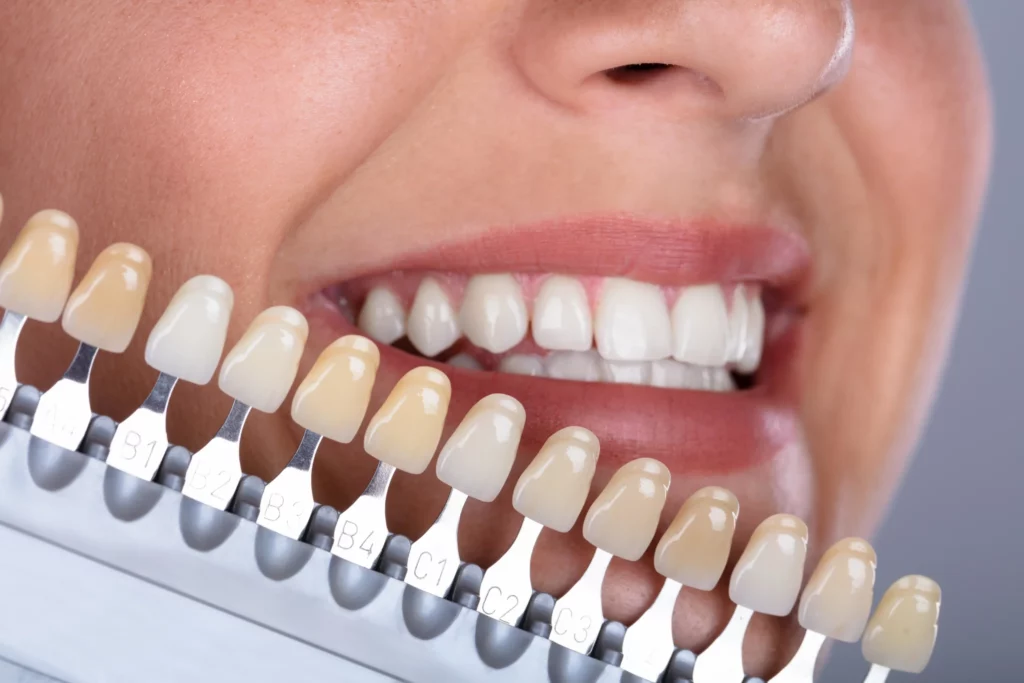
Teeth whitening is a conservative cosmetic procedure that lightens the shade of natural teeth using safe bleaching agents applied by the dentist in the clinic or prescribed for home use. It’s suitable for people with yellowing or superficial stains and otherwise healthy, well-aligned teeth.
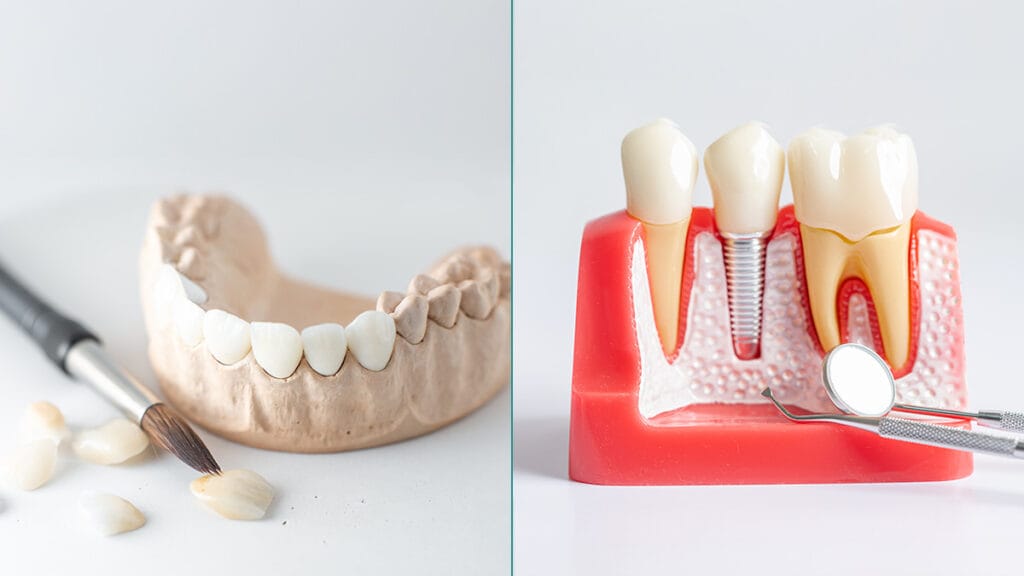
Veneers, on the other hand, are thin porcelain or composite shells bonded to the front surface of the tooth to change its color and shape and correct imperfections such as chips, gaps, and uneven length. They offer a more comprehensive cosmetic solution than whitening alone.
In simple terms, teeth whitening adjusts the color of your existing teeth, while veneers can completely redesign your smile when both color and shape need enhancement.
Choosing between whitening and veneers depends on the condition of your teeth, the severity and type of discoloration, and the presence of structural or aesthetic issues. That’s why a dental consultation is essential to determine the most appropriate option for achieving a bright smile in a safe way that suits your specific case.
When Is Teeth Whitening the Right Option?
Teeth whitening is generally the best choice when your teeth are structurally healthy, but their color has darkened or turned yellow due to surface stains from coffee, tea, smoking, or natural aging, and you don’t have major fractures or prominent fillings on your front teeth.
In such cases, whitening is a less invasive cosmetic option compared to veneers, as it preserves the natural tooth enamel and does not require removing a layer of it, which is sometimes necessary with dental veneers.
Teeth whitening is suitable for people who want to brighten their smile while keeping a natural look, and who do not need to change the shape of their teeth or correct spaces and obvious structural defects that might be better treated with veneers.
It can also be a smart step before deciding on veneers, since many patients find that after professional whitening sessions at the dentist, they are satisfied with the color result and no longer feel the need for more costly and permanent cosmetic procedures.
However, the case must be assessed by a qualified dentist to ensure there is no tooth decay, severe enamel erosion, or pronounced sensitivity, as these conditions may require different treatment or make veneers or other restorative options more appropriate than teeth whitening.
When Are Veneers the Best Option?
Veneers are often the most suitable choice when conventional or in-office teeth whitening fails to deliver the desired results—particularly in cases of deep or permanent discoloration, such as fluorosis stains or tetracycline-induced discoloration. They are also recommended when teeth show cracks, minor fractures, gaps, or irregularities in shape and size.
In such cases, the goal goes beyond simply lightening the tooth shade, as with whitening treatments. Veneers also enhance the overall appearance of the smile, correct superficial enamel defects, and give the teeth a more harmonious, naturally glossy look that tends to last longer.
Veneers are especially preferred when a patient has undergone multiple whitening sessions without being satisfied with the outcome, or when they are seeking a comprehensive, fast cosmetic solution to achieve a “Hollywood smile” with minimal tooth reduction—provided that both the teeth and gums are in good health prior to the procedure.
A Comparative Look at Teeth Whitening and Veneers in Terms of Outcomes
When comparing teeth whitening and veneers in terms of results, the main differences lie in the extent of change, how long it lasts, and the type of aesthetic concern being addressed.
Teeth whitening offers a conservative, non‑invasive solution to lighten the natural shade of the teeth by several tones while preserving the original enamel. It is suitable for cases of yellowing and superficial stains caused by coffee, smoking, and dietary factors. However, the outcome depends heavily on the patient’s lifestyle and may require periodic touch‑up sessions to maintain the desired level of whiteness.
By contrast, veneers (porcelain veneers or cosmetic dental laminates) provide more comprehensive and stable results. They do not only improve tooth color, but also correct shape‑related issues such as minor fractures, gaps between teeth (diastemas), discrepancies in tooth length, and uneven coloration. Veneers maintain their shade for a relatively long time due to their high resistance to staining.
Accordingly, patients who opt for teeth whitening are usually seeking a quick, minimally invasive way to enhance tooth color. Veneers, on the other hand, are better suited for individuals aiming for a more dramatic, full‑smile makeover in both shape and color with longer‑lasting results. Understanding these differences between teeth whitening and veneers is therefore essential before making a final cosmetic treatment decision.
What factors help determine the right treatment?
Causes of Tooth Discoloration
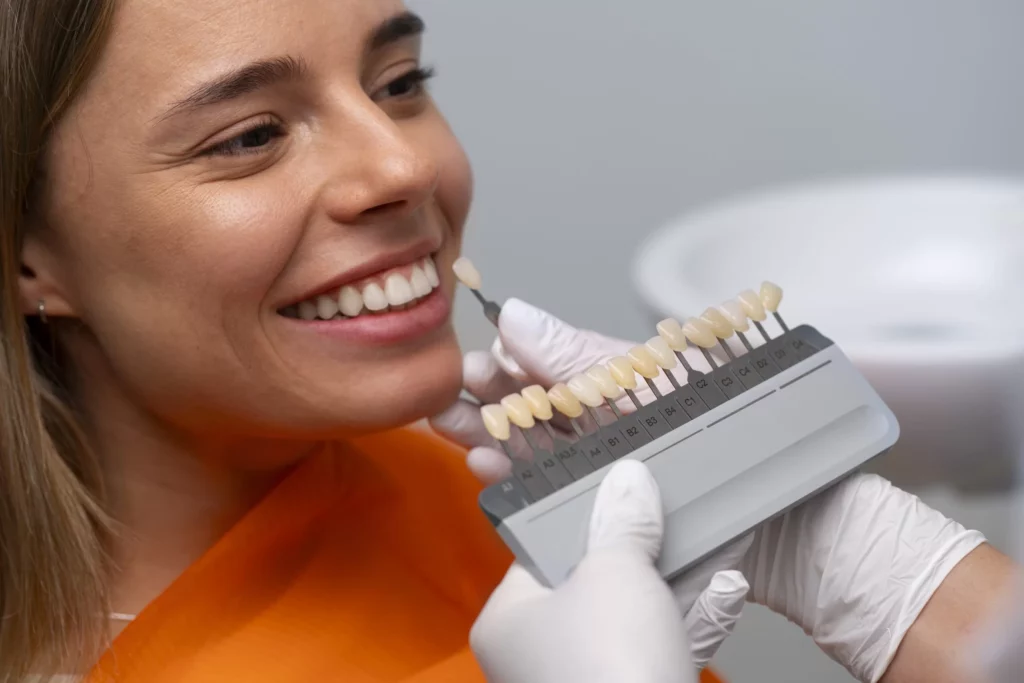
Identifying the cause of tooth discoloration is a key step before choosing between teeth whitening and veneers.
Surface stains caused by coffee, tea, smoking, or poor oral hygiene typically respond well to professional teeth whitening sessions.
In contrast, deeper intrinsic discoloration resulting from certain medications taken during childhood (such as tetracyclines), trauma, root canal treatment, or excessive fluoridation often does not respond adequately to whitening alone. In these cases, veneers may be a more effective option to achieve a uniformly bright smile.
For this reason, the dentist carefully assesses the type and depth of the discoloration to determine whether the patient will benefit from whitening only, veneers, or a combination of both in order to achieve the best possible outcome.
Dental Condition: Health and Aesthetic Aspects
The health status of the teeth and gums is a decisive factor when choosing the appropriate treatment between teeth whitening and veneers.
If the teeth are structurally sound, with no active caries or severe enamel erosion, and the gums are healthy, teeth whitening is usually the first-line option because it is minimally invasive and preserves the natural tooth structure.
On the other hand, in the presence of fractures, worn edges, gaps (diastemas), cracks, old visible fillings, or irregularities in tooth shape and size, veneers may offer both a cosmetic and functional solution, as they address both color and form at the same time.
Before making a decision, any gingival inflammation or dental decay must be treated first, followed by an evaluation of whether the goal is purely cosmetic or both therapeutic and cosmetic. This determines whether the treatment plan will lean more toward teeth whitening, veneers, or a combined approach.
Patient Expectations for the Final Result
The patient’s expectations regarding tooth shade and smile design play an important role in choosing the most suitable treatment.
Patients seeking to whiten their teeth by a few shades while maintaining their natural tooth morphology, and who can accept minor variations between individual teeth, are often fully satisfied with the results of teeth whitening.
However, patients who desire a “Hollywood smile” with uniform color and shape, and who wish to correct issues such as gaps, uneven tooth length, or tooth misalignment, are usually better candidates for veneers, as they allow greater control over smile design.
Therefore, the dentist discusses the desired outcome with the patient and explains what can realistically be achieved with whitening alone and what would require veneers, ensuring that the final decision aligns with the patient’s aesthetic goals and expectations.
Budget and Longevity of Treatment
The available budget and the expected longevity of the treatment are fundamental considerations when comparing teeth whitening and veneers.
Teeth whitening is generally less expensive upfront, but the procedure needs to be repeated periodically to maintain the result, especially if staining habits such as coffee consumption or smoking continue.
Veneers involve a higher initial cost, but they provide a relatively long-term solution; with proper care, they can last for many years while maintaining a more stable color and shape than whitening.
The dentist explains to the patient the cost of each option, the expected maintenance intervals, and the durability of the results, enabling the patient to choose a treatment that balances aesthetic desires, financial considerations, and the expected lifespan of the restoration.
Pros and Cons of Teeth Whitening and Veneers
Understanding the advantages and disadvantages of teeth whitening and veneers is an essential step before choosing the most suitable option for your smile. Teeth whitening is a conservative cosmetic procedure that relies on bleaching agents to lighten the shade of natural teeth to varying degrees. It is generally less expensive than veneers and preserves the tooth structure with minimal or no reduction, making it a good option for people with superficial stains or generalized yellowing of the teeth.
However, teeth whitening has some drawbacks: its results are relatively temporary and need to be repeated periodically, it does not correct shape-related issues such as fractures or gaps, and it may cause temporary tooth sensitivity in some individuals.
Veneers, on the other hand (often called dental veneers or laminates), offer a more comprehensive cosmetic solution. They cover the front surface of the tooth with porcelain or composite resin shells to enhance both color and shape. Veneers can address severe discoloration, minor misalignment, and spacing issues, providing a long‑lasting, consistently white smile with high resistance to staining.
On the downside, veneers are generally an irreversible procedure because they often require removal of a portion of the tooth enamel. They are also more expensive than teeth whitening and may need to be replaced after several years if chipping or wear occurs. For this reason, it is advisable to consult a cosmetic dentist to assess the condition of your teeth and determine whether whitening or veneers are more appropriate based on your oral health and the aesthetic outcome you wish to achieve.
Pros and Cons of Teeth Whitening
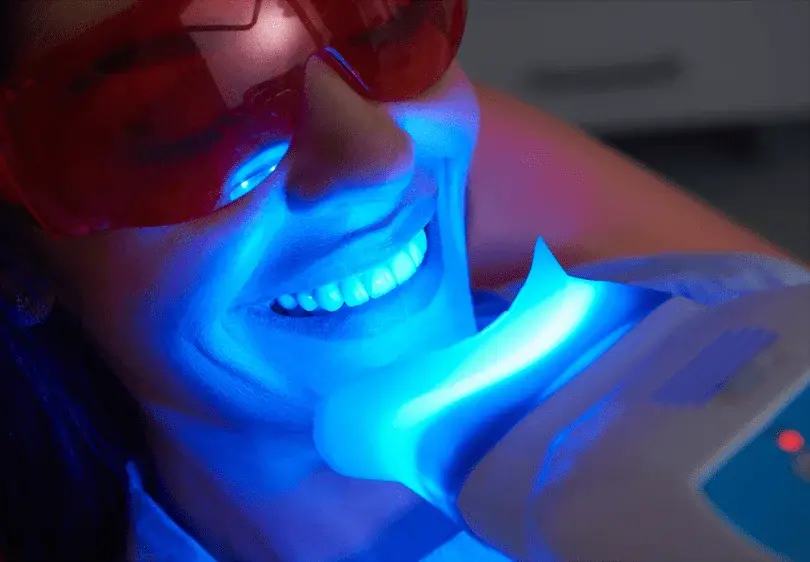
Teeth whitening is a popular option for people who want to improve the shade of their teeth without resorting to more invasive cosmetic procedures.
One of its key advantages is that it is a conservative treatment: it does not require drilling away tooth enamel or changing the tooth’s shape, which helps preserve the natural tooth structure.
It is also faster and less expensive than veneers, and can be performed either in the dental clinic (in-office whitening) or at home under the dentist’s supervision (take‑home whitening kits), with the option of repeating the sessions when needed to achieve a lighter shade.
In addition, teeth whitening can enhance the patient’s self-confidence and the appearance of their smile while maintaining a natural look to tooth color.
On the other hand, a main drawback of teeth whitening is that its results are not permanent. Discoloration may gradually return over time, especially in smokers and in people who frequently consume coffee, tea, or other staining beverages.
Whitening may also cause temporary tooth sensitivity or mild gum irritation, particularly when high concentrations of bleaching agents are used or when unsupervised over‑the‑counter products are misused.
Moreover, whitening is not suitable for all cases—such as teeth with very deep intrinsic stains, severely worn teeth, or teeth with existing fillings, crowns, or veneers—since restorative materials do not change color with bleaching. This can lead to noticeable color mismatch between natural teeth and restorations.
Therefore, a thorough assessment by a dentist is essential before deciding on teeth whitening or considering veneers as an alternative.
Pros and Cons of Veneers
Dental veneers (often called “porcelain laminates” or “laminate veneers”) are among the most effective smile‑makeover solutions for individuals seeking a comprehensive change in both the color and shape of their teeth, not just simple whitening.
A major advantage of veneers is that they provide rapid and long‑lasting aesthetic results, with the ability to mask visible defects such as deep intrinsic discolorations, small gaps (diastemas), minor fractures, and irregularities in tooth shape or length.
Veneers also allow precise control over the shade, enabling the creation of a bright, uniform smile that resists staining from external factors like coffee or smoking far better than natural enamel.
With proper oral hygiene and regular dental check‑ups, veneers typically last about 7–15 years or even longer, making them a more durable solution for enhancing the smile compared to repeated whitening sessions.
Conversely, veneers have several disadvantages. The procedure is usually irreversible because it often requires removing a thin layer of enamel to create space for the veneer and ensure proper bonding.
Veneers are considerably more expensive than teeth whitening, especially when applied to multiple teeth to create a fully harmonized smile.
They can also chip or fracture in some situations and may require repair or replacement if subjected to trauma or habits such as biting hard objects or using the teeth as tools.
In addition, veneers demand meticulous oral hygiene and regular dental visits to prevent issues such as decay at the margins, marginal leakage, or gum inflammation around the restorations.
For these reasons, the pros and cons of veneers should be weighed carefully against those of teeth whitening, and the most appropriate option should be chosen based on the patient’s dental condition, budget, and expectations for their final smile.
Book a consultation with Dr. Abeer Zandagi to determine whether teeth whitening or veneers are the best option for you.
Schedule a consultation with Dr. Abeer Zandagi for a precise smile assessment and to find out, based on clear clinical criteria, whether professional teeth whitening or dental veneers are more suitable for your case.
During the consultation, the doctor will examine your tooth shade, enamel integrity, and the presence of deep discoloration, cracks, or gaps between the teeth. She will then explain when whitening alone is sufficient to enhance the color, and when cosmetic veneers are a more accurate solution to achieve a harmonious, long‑lasting smile.
You will also learn about the advantages and limitations of each procedure, how long the results typically last, the estimated cost of both teeth whitening and veneers, and you will receive a personalized treatment plan tailored to your facial features, skin tone, and lifestyle.
This way, your decision won’t be based on general information alone, but on a professional diagnosis by Dr. Abeer Zandagi, helping you choose the safest and most effective procedure to achieve a bright, naturally beautiful smile that truly suits you.