What Is Preventive Orthodontics?

Preventive orthodontics is a subspecialty of orthodontics that focuses on early intervention during childhood to prevent the development or worsening of dental malocclusions and jaw irregularities before they become complex and require lengthy, costly treatment.
This approach centers on monitoring the growth and development of the jaws and teeth in children, correcting harmful oral habits such as thumb sucking or tongue thrusting, and using simple appliances that help guide the eruption of permanent teeth into their proper positions.
Dentists usually recommend a first visit to a preventive orthodontist around the age of 6–7 years to assess the condition of the teeth and jaws and to design an early treatment plan when necessary.
Preventive orthodontics helps reduce the need for tooth extractions or complex fixed orthodontic appliances later on. It also improves facial harmony, chewing (mastication) and speech function, and supports a healthy, long‑term smile for the child.
In this way, preventive orthodontics is an early investment in the health of the teeth and jaws, based on regular monitoring and timely, minimally invasive interventions instead of delayed, more complicated treatments.
Why might a child need preventive orthodontic treatment?
A child may need preventive orthodontic care when early signs of jaw growth or tooth alignment problems appear, such as dental crowding, protruding upper jaw, difficulty chewing or speaking, or harmful oral habits like prolonged thumb-sucking.
Preventive orthodontics helps guide the growth of the jaws and teeth at the right time, which reduces the likelihood of developing more complex orthodontic problems later that would require longer and more expensive treatment.
It also improves the way the upper and lower teeth fit together (occlusion), and helps prevent tooth decay and gum disease that can result from the difficulty of cleaning crowded teeth. In addition, it supports the child’s self-confidence by enhancing the appearance of their smile at an early stage.
For these reasons, it is recommended that children visit an orthodontist at a young age to assess the need for preventive orthodontic treatment and to select the most appropriate plan for each case.
What are the signs that a child may need preventive orthodontic treatment?
A child’s need for preventive orthodontics often becomes apparent through a set of early signs noticed by parents or the dentist. These include clearly crowded or overlapping teeth, wide gaps between teeth, or a visibly protruding upper or lower jaw when the child bites down.
Difficulty chewing or biting food, frequently biting the inside of the cheeks or lips, habitual mouth breathing instead of nasal breathing, as well as lisping or difficulty pronouncing certain sounds can also indicate the need for an orthodontic evaluation.
It’s also important to watch for delayed shedding of baby (primary) teeth, late eruption of permanent teeth, or the persistence of harmful oral habits such as thumb sucking or tongue thrusting beyond the age of 4–5 years. All of these are warning signs that warrant consulting a pediatric orthodontist to assess the need for early preventive orthodontic intervention, helping to avoid more complex problems later on.
What is the ideal age for a first orthodontic visit?
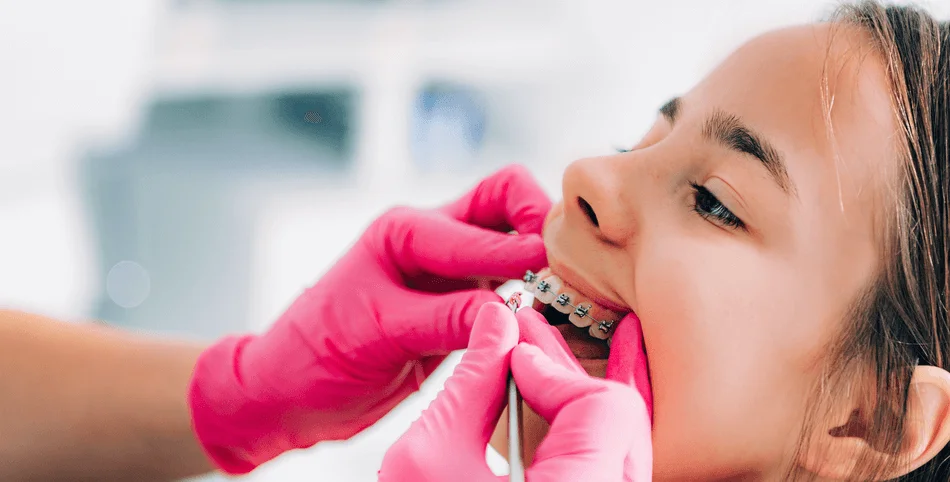
The American Association of Orthodontists recommends that children have their first orthodontic evaluation at around age 7, even if there are no obvious problems with the teeth or jaws.
At this stage, most primary (baby) teeth are still present while permanent teeth have started to erupt. This allows the orthodontist to detect early issues such as jaw growth discrepancies, dental crowding, or harmful oral habits, and to address them with interceptive or preventive orthodontic measures before they become more complex.
This does not necessarily mean that a child will need braces or an appliance at that age. In many cases, the orthodontist will simply monitor growth and development and guide jaw growth when needed, which can significantly reduce the duration and complexity of future orthodontic treatment.
An early orthodontic consultation also gives parents the opportunity to learn how to properly care for their child’s teeth, and to determine the most appropriate timing for any preventive or corrective orthodontic treatment based on the child’s individual needs.
How Preventive Orthodontics Helps Avoid Problems – in Line with the Research Intent
Preventive orthodontics guides the growth of the teeth and jaws at an early stage, helping to avoid many future malocclusion problems such as dental crowding, mandibular or maxillary protrusion, and open bite or crossbite.
Through regular check‑ups with a pediatric orthodontist, any abnormalities in jaw development or in the transition from primary (deciduous) to permanent teeth can be detected early, allowing for simple, short treatment plans instead of complex interventions later in life.
Preventive orthodontic treatment also helps avoid unnecessary extractions of permanent teeth and reduces the need for long‑term fixed orthodontic appliances. In addition, it contributes to better masticatory function, clearer speech, and a more harmonious smile in a healthy, natural way.
Choosing preventive orthodontics at the right time not only protects against future orthodontic problems, but also saves time and cost in the long run, while ensuring balanced jaw growth and improved dental alignment.
How is a child’s need for interceptive orthodontics assessed?
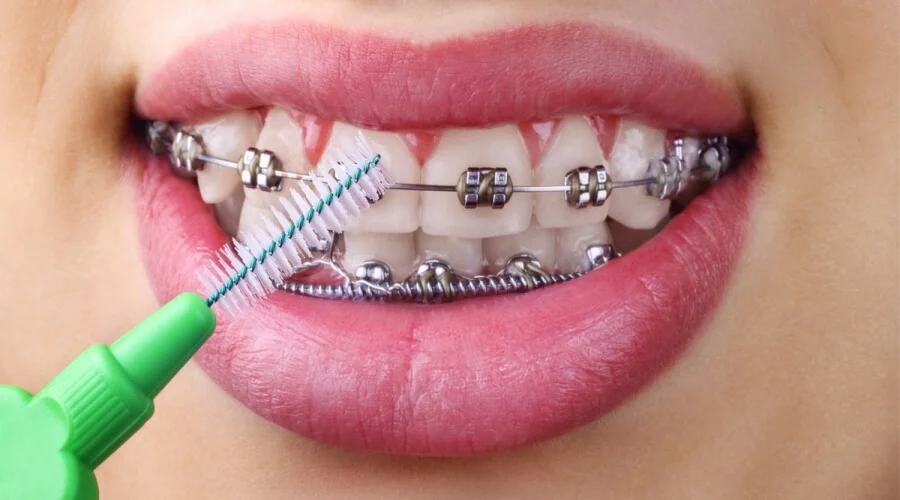
Assessment of a child’s need for interceptive (preventive) orthodontic treatment starts with a comprehensive clinical examination by a pediatric dentist or orthodontist. During this visit, the clinician evaluates facial and jaw proportions, the alignment of the teeth, and how the upper and lower teeth come together during chewing and smiling.
Panoramic and cephalometric radiographs (lateral skull and jaw X‑rays) are then requested to analyze skeletal growth, identify unerupted or impacted teeth, and estimate the space available for the proper eruption of permanent teeth in the future.
The child’s oral habits are also reviewed, such as thumb sucking, prolonged pacifier use, or mouth breathing, as these are among the main reasons for needing interceptive orthodontic care.
The decision to initiate interceptive orthodontic treatment depends on the child’s age, stage of mixed dentition, the severity of malocclusion or crowding, and the presence of functional problems affecting speech, chewing, or swallowing.
All these factors are integrated into an early treatment plan designed to guide jaw growth in the right direction and reduce the likelihood of needing more complex orthodontic treatment later on.
Book a preventive orthodontic consultation for your child with Dr. Amir Al-Zahrawi
Schedule a preventive orthodontic consultation for your child with Dr. Amir Al‑Zahrawi to assess early growth and development of the jawbones and teeth, and to correct any misalignment issues before they progress and require more complex treatments.
Through a thorough clinical examination supported by radiographic imaging and modern pediatric orthodontic techniques, Dr. Amir determines the ideal timing for interceptive (preventive) orthodontics and designs a follow‑up plan tailored to your child’s stage of growth.
A preventive orthodontic consultation helps guide jaw growth, create sufficient space for permanent teeth, and reduce the likelihood of tooth extractions or the need for long‑term fixed braces in the future.
If you are looking for the best way to protect your child’s smile early on and prevent malocclusion problems and harmful oral habits such as thumb sucking or tongue thrusting, booking a consultation with Dr. Amir Al‑Zahrawi is the first and most important step toward optimal oral health and long‑term confidence for your child.