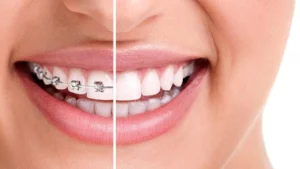

What is meant by dental crowding?
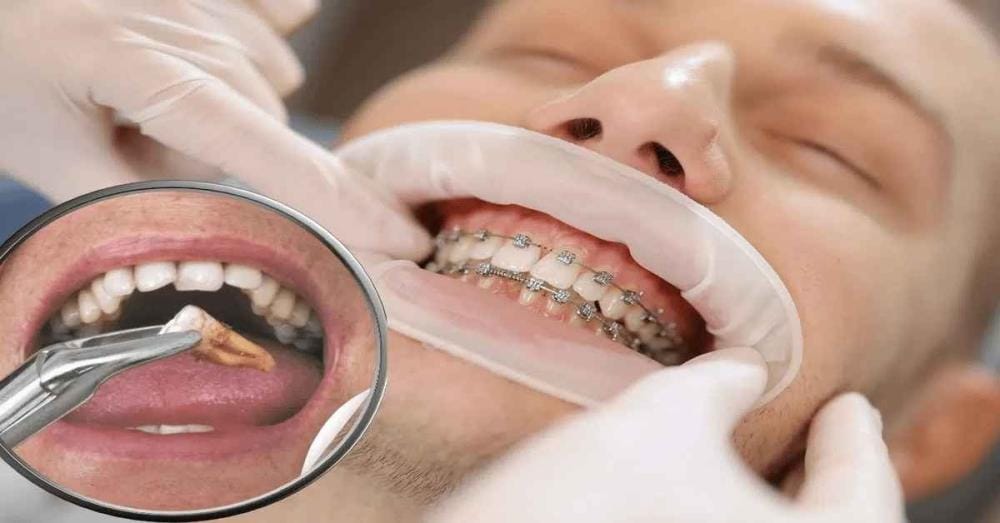
Dental crowding is a condition in which the size of the teeth is disproportionate to the available space in the jaw, causing teeth to overlap, rotate, or tilt out of their ideal position within the dental arch.
It most commonly appears in the front teeth of the upper or lower jaw, making oral hygiene more difficult and increasing the risk of dental caries, gum disease, and malocclusion (improper bite).
When deciding between orthodontic treatment alone or combining it with tooth extraction, assessing the severity of dental crowding is crucial. The more severe the crowding and the greater the lack of space in the jaw, the higher the likelihood that the patient will need one or more teeth extracted before braces are fitted, in order to create enough room to align the teeth in a healthy and aesthetically pleasing way.
Diagnosing dental crowding by a dentist or orthodontist—using clinical examination and radiographic imaging—helps determine the most appropriate treatment plan for each individual case.
Can Crowding Be Treated With Braces Alone?
In many cases, dental crowding can be corrected using orthodontic treatment alone, without the need for tooth extraction—especially when the crowding is mild to moderate and the dental arch can be expanded, allowing the teeth to be gradually moved into proper alignment.
The orthodontist’s decision to use braces alone or combine them with extractions depends on several factors, including the severity of crowding, the ratio of tooth size to jaw size, the way the upper and lower jaws fit together (occlusion), as well as overall facial profile and smile aesthetics.
In mild crowding, clear aligners or conventional metal braces may be sufficient, sometimes combined with slight arch expansion or minimal enamel reshaping between teeth (interproximal reduction / enamel stripping) to create the space needed—without removing any teeth.
In more severe crowding, or when the jaw is significantly smaller relative to the size of the teeth, braces alone may not be enough. In such cases, extracting certain teeth may provide the best solution to achieve proper alignment and long‑term stability of the results.
Therefore, it is not possible to state that treating crowding with braces alone is suitable for everyone. Each case must be evaluated clinically and radiographically so that the orthodontist can design the most appropriate treatment plan, ensuring an optimal balance between smile aesthetics and the long‑term health and function of the teeth.
When Do Tooth Extractions Become Necessary in an Orthodontic Treatment Plan?
In certain cases, tooth extraction is an essential component of orthodontic treatment rather than an optional cosmetic step. An orthodontist may recommend removing one or more teeth when there is severe dental crowding and insufficient space to move the teeth into their proper positions within the jaw.
Extraction can also be necessary when the front teeth are significantly protruded, or when there is a clear mismatch between jaw size and the number of teeth. Removing selected teeth helps redistribute space, close unwanted gaps, and improve the way the upper and lower teeth fit together (occlusion).
Orthodontists may opt for an “extraction-based orthodontic plan” after attempts to create space using jaw expansion or auxiliary appliances have failed, or when there is a severely compromised tooth or an impacted tooth that interferes with the movement of neighboring teeth.
The decision to extract teeth in the context of orthodontics is made only after a comprehensive examination, radiographic imaging, and detailed analysis of the bite and facial profile, to ensure that extraction is truly necessary to achieve a stable result in terms of tooth alignment, facial aesthetics, and proper chewing and breathing functions.
How does an orthodontist decide between braces only or extracting teeth?
An orthodontist makes the decision between treating with braces alone or combining braces with tooth extractions after a comprehensive assessment that includes panoramic X‑rays, dental and skeletal measurements, and a detailed analysis of the smile and facial profile.
They evaluate the degree of crowding, the relationship between tooth size and jaw size, the way the upper and lower teeth come together (occlusion), as well as the presence of protruding front teeth or any issues involving the temporomandibular joint (TMJ).
When crowding is mild to moderate and jaw size is generally compatible with tooth size, treatment with braces without extractions is usually preferred in order to preserve as many natural teeth as possible.
In contrast, in cases of severe crowding, marked protrusion of the upper or lower front teeth, or a clear mismatch between jaw size and tooth size, the orthodontist may recommend extracting certain teeth as a necessary step to create enough space for a healthy and stable alignment.
The ultimate goal when choosing between braces alone or with extractions is to achieve a correct bite, a harmonious smile, and long‑term stability, while maintaining optimal dental and periodontal health and efficient chewing function.
What alternatives are available to avoid tooth extraction?
In many orthodontic cases, tooth extraction can be avoided by using modern techniques and conservative treatment plans that focus on maximizing the existing jaw space instead of removing permanent teeth.
Gradual expansion of the upper or lower jaw using specialized orthodontic appliances can create additional room for crowded teeth without the need for extractions, particularly in children and adolescents.
Orthodontists can also use appliances that move teeth backward or forward (such as mini-screws / temporary anchorage devices and functional appliances) to redistribute space and improve the bite in a controlled and safe way.
In some cases, treatment is planned in phases, starting with mild conventional braces or clear aligners to align the teeth and reduce crowding before making any final decision about extractions.
The choice between orthodontic treatment alone or combining it with tooth extraction depends on an accurate diagnosis, including clinical examination, radiographic imaging, and an analysis of facial and jaw structure. For this reason, it is essential to discuss all available options with an orthodontic specialist before agreeing to the removal of any permanent tooth.
Extraction vs. Non‑Extraction Orthodontics: Comparing Outcomes in Line with the Research Objective
When comparing extraction to non‑extraction orthodontic treatment, it is essential to understand that the primary goal is to achieve a harmonious smile along with long‑term functional health of the teeth and jaws.
In cases of severe dental crowding or marked protrusion, the orthodontist may recommend extracting certain permanent teeth to create sufficient space for proper alignment, improve occlusion, and reduce the risk of relapse after completing treatment.
Non‑extraction orthodontics is preferred when arch space allows for tooth movement and correction of malalignment using arch expanders or other contemporary techniques that preserve all natural teeth. This approach is generally more suitable for mild to moderate crowding.
From an aesthetic standpoint, extraction therapy may help achieve more balanced facial profiles in patients with significant anterior protrusion, whereas non‑extraction treatment often maintains lip fullness and the natural soft‑tissue support of the face.
Treatment duration and long‑term stability depend more on the overall treatment plan and the condition of the bone and periodontal support than on the extraction decision alone. There is no single ideal solution for every patient; instead, the appropriate orthodontic approach is selected after comprehensive clinical examination, radiographic assessment, and detailed analysis of arch dimensions and facial morphology to ensure the best possible functional and aesthetic outcome with the least invasive intervention.
Misconceptions About Tooth Extraction During Orthodontic Treatment
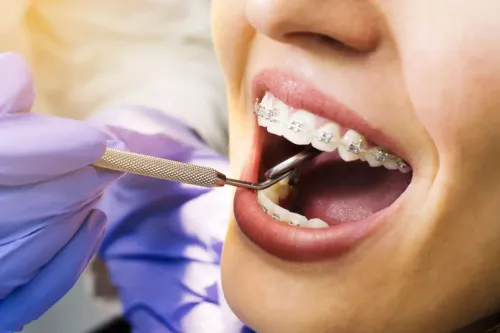
Many people believe that extracting teeth during orthodontic treatment will ruin their smile, or that braces alone are always enough with no need for any extractions. These are common misconceptions that need to be corrected.
In some cases, tooth extraction is actually an essential part of a carefully planned treatment, recommended by the orthodontist when there is severe crowding, significant protrusion of the jaws or front teeth, or a mismatch between jaw size and the number of teeth. In such situations, extraction helps create adequate space to move the teeth into healthier positions and achieve an ideal bite (occlusion).
Extractions in orthodontics are never done randomly; they are only decided upon after a thorough clinical examination, dental X‑rays, and a detailed study of the jaws and teeth to ensure the best functional and aesthetic outcome.
When performed as part of a scientific, well‑designed treatment plan, tooth extraction does not weaken the remaining teeth and does not cause facial sagging. On the contrary, it can provide a more harmonious smile and a more stable bite in the long term.
Therefore, when you are unsure whether you need braces alone or braces with extractions, you should rely on the opinion of a trusted orthodontic specialist, rather than popular beliefs or other people’s personal experiences.
Book a consultation with Dr. Amir Al-Zahrawi to determine whether crowding in your teeth is best treated with orthodontic braces alone or requires tooth extraction as part of the treatment plan
Schedule a consultation with Dr. Amir Al-Zahrawi for an accurate assessment of the severity of your dental crowding and to identify whether the most suitable option for your case is orthodontic treatment only, or whether it is medically advisable to extract certain teeth before braces to achieve stable, healthy, long‑term results.
The treatment decision is based on a comprehensive clinical examination, dental X‑rays, and an analysis of jaw space and tooth size—not on visible crowding alone. In some cases, the jaw can be expanded, or the teeth can be realigned with braces without any extractions. In other cases, tooth extraction is necessary to create sufficient space and to prevent relapse of the results or unwanted lip protrusion.
During the consultation, Dr. Amir will walk you through the crowding treatment plan step by step, explain the expected treatment duration, and clarify the differences between braces alone versus extractions combined with braces in terms of final appearance, treatment time, and cost. This allows you to make a confident, informed decision based on precise scientific evaluation tailored to your jaw and facial features, rather than relying solely on other people’s experiences.