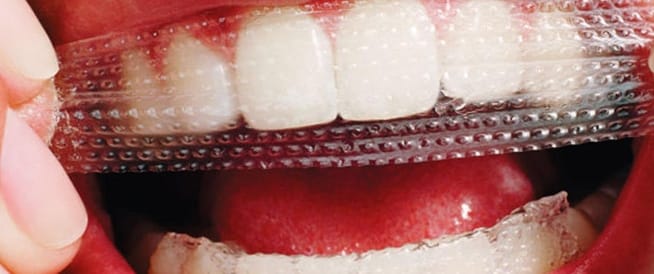
What are teeth whitening strips?
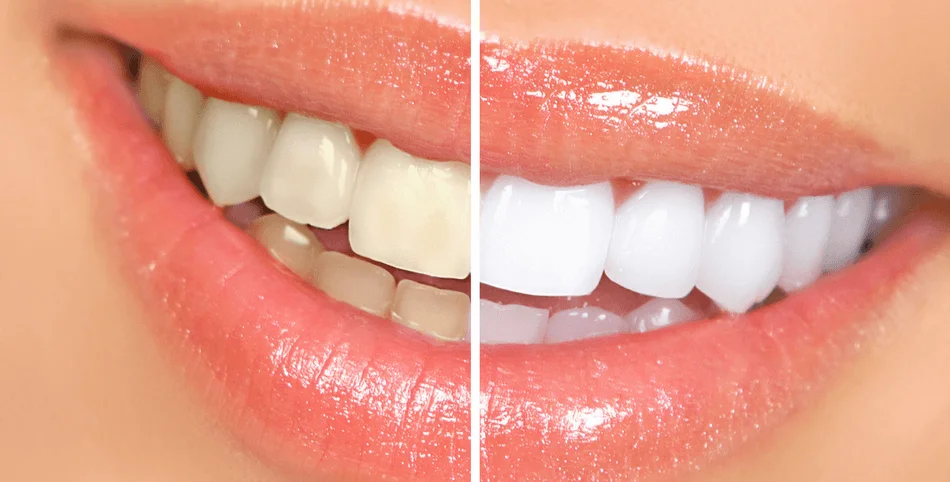
Teeth whitening strips are thin, flexible films designed to adhere to the front surfaces of the teeth. They usually contain bleaching agents, most commonly hydrogen peroxide or carbamide peroxide, in clinically safe concentrations.
These agents help break down mild to moderate intrinsic and extrinsic stains caused by coffee, tea, smoking, and certain foods, which can result in the teeth appearing several shades lighter over the course of regular use.
Whitening strips are among the most popular at‑home whitening options because they are simple to apply and do not require any complicated equipment. They are typically worn for a specific period each day, according to the manufacturer’s instructions or your dentist’s recommendations.
They are available in different formulations and strengths to suit various levels of tooth discoloration and gum sensitivity. For many people, whitening strips offer a more affordable alternative to in‑office whitening procedures. However, it is important to follow directions carefully and avoid overuse to protect the enamel and maintain gum health.
Benefits of Using Teeth-Whitening Strips
Teeth-whitening strips offer several important advantages for people seeking a brighter smile without resorting to complex in-clinic dental procedures.
They help gradually remove surface stains caused by coffee, tea, and smoking, thanks to their active ingredients—most commonly hydrogen peroxide or carbamide peroxide—used in carefully calibrated, safe concentrations when applied as directed.
Whitening strips are a convenient, at‑home option that can be easily applied and incorporated into your daily routine without requiring much time or any special equipment. Visible results usually begin to appear within a few days, making them a relatively fast solution compared with some other whitening products.
In addition, whitening strips are available at a wide range of price points to suit most budgets, and many brands offer formulations specifically designed for sensitive teeth to help minimize the risk of sensitivity or discomfort.
All these benefits make teeth-whitening strips a popular and effective choice for those who want noticeable, safe at‑home teeth whitening.
Available Types of Whitening Strips
Popular Commercial Whitening Strips (Crest, Lumineux, IVISMILE, Zimba)
Commercial products such as Crest, Lumineux, IVISMILE, and Zimba are among the most widely used teeth-whitening strips currently on the market.
These products offer different formulations tailored to varying needs. For example, some Crest strips contain relatively high concentrations of hydrogen peroxide or carbamide peroxide to deliver faster whitening and visibly brighter teeth within a short period.
On the other hand, brands like Lumineux, Zimba, and IVISMILE tend to focus on gentler options for teeth and gums, either by using lower concentrations of bleaching agents or by incorporating more natural ingredients in certain products.
When comparing available whitening strips, users typically look for a balance between speed of results, the degree of whitening, and minimizing tooth sensitivity.
Choosing a reputable, well-established brand helps ensure safer and more predictable outcomes, provided that the user follows the on‑pack instructions carefully and adheres to the recommended duration and frequency of use.
These over‑the‑counter products are generally suitable for most healthy individuals, but they are not a substitute for professional advice—especially for those with tooth decay, multiple restorations, or significant sensitivity.
Peroxide‑Free Strips and Natural Whitening Products
Among the different types of whitening strips, a distinct category has emerged: peroxide‑free teeth‑whitening strips that rely on natural or alternative ingredients such as fruit enzymes, coconut oil, activated charcoal, or mild plant‑derived compounds.
These products are aimed at people who are concerned about gum irritation or tooth sensitivity associated with hydrogen peroxide, or who prefer a more gradual, gentle whitening effect.
Natural whitening strips mainly target superficial stains caused by coffee, tea, smoking, and certain pigmented foods. However, they generally do not provide the same depth of whitening as strips that contain peroxide.
Despite that, they can be a good option for daily use or as a maintenance tool after in‑office professional whitening, helping to prolong the brightness of the teeth for as long as possible.
When searching for the best natural teeth‑whitening strips, it is important to look for products approved or endorsed by reputable health authorities and to review the ingredient list to ensure the product is free from harsh or unsafe substances.
Strips for Sensitive Teeth or Fast Results
Within the range of whitening strips available, there are products specifically formulated for two main groups: individuals with sensitive teeth, and those who want noticeable results in a short timeframe.
Whitening strips designed for sensitive teeth usually contain lower concentrations of bleaching agents and often include soothing or desensitizing ingredients such as potassium nitrate or fluoride. These help reduce tooth sensitivity and support enamel protection.
These strips are typically used over a longer overall period but with fewer side effects, making them more suitable for people who experience pain or discomfort with stronger whitening products.
Conversely, there are “fast‑acting” whitening strips that contain higher levels of peroxide or are applied for shorter daily sessions to achieve visible shade improvement within just a few days.
This type of product requires strict adherence to the instructions, including not exceeding the recommended wear time or frequency of use, to avoid gum irritation or increased tooth sensitivity.
Choosing the right type depends on the condition of the teeth, the severity of discoloration, and the patient’s goals; therefore, consulting a dentist is advisable before using high‑strength strips or if there is a history of dental sensitivity.
How to Choose the Best Teeth-Whitening Strips for Your Needs (Aligned with Search Intent)
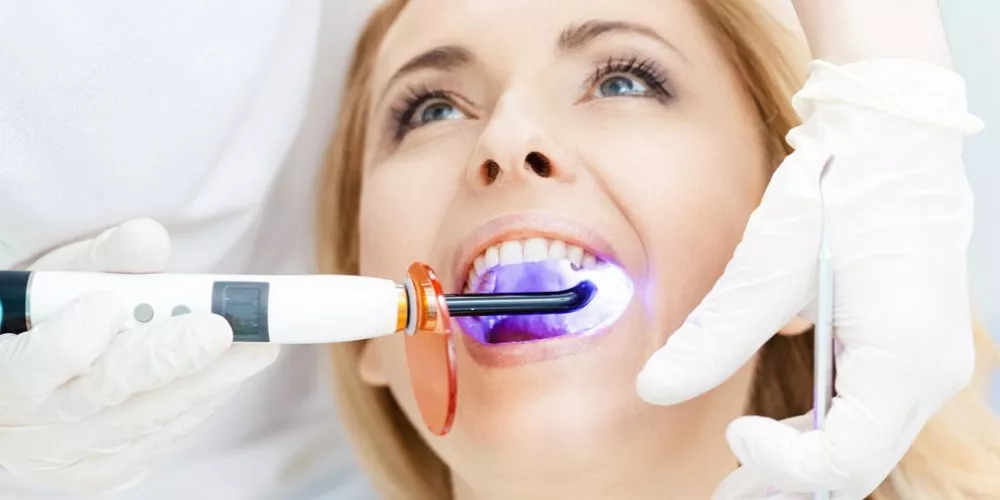
To choose the best teeth-whitening strips for you, start by checking the concentration of the active bleaching agent, such as hydrogen peroxide or carbamide peroxide. Higher concentrations generally provide stronger whitening results, but they can also increase the risk of tooth and gum sensitivity. It’s better to opt for a moderate, safe concentration that is approved by reputable health authorities.
Make sure the whitening strips are suitable for the condition of your teeth. If you have cavities, gum disease, or existing restorations such as fillings, veneers, or crowns on your front teeth, you should consult your dentist before using whitening strips. This helps you avoid complications and prevents uneven whitening.
If you already experience sensitivity, especially when consuming hot or cold drinks, choose whitening strips specifically designed for sensitive teeth. Look for products that contain soothing or desensitizing ingredients like fluoride or potassium nitrate.
Pay close attention to the recommended duration of use and the number of daily applications indicated on the packaging. Overusing whitening strips will not speed up results; instead, it may irritate your gums and contribute to enamel erosion.
Whenever possible, choose trusted brands with positive reviews and clinical trial data supporting their claims. Reading user feedback can help you gauge real-world whitening results and how long the whitening effect is likely to last.
To maintain your whitening results, limit your intake of coffee, tea, tobacco, and other staining beverages, and maintain good oral hygiene by brushing regularly with a fluoride toothpaste and flossing daily.
By following these steps, you’ll be able to select safe and effective teeth-whitening strips that genuinely meet the search intent for “best teeth-whitening strips” in a scientifically sound and practical way.
Step-by-step guide to using teeth whitening strips (optimized for search intent)
To get the best results from teeth whitening strips, start by brushing your teeth thoroughly without using a fluoride-containing toothpaste immediately before application. Then dry the tooth surfaces as much as possible with clean tissues, or keep your mouth slightly open for a few seconds to reduce saliva.
Next, carefully open the teeth whitening strip packet and identify which strip is designed for the upper teeth and which one is for the lower teeth, following the manufacturer’s instructions.
Apply the strip to the front surfaces of your teeth only, making sure it adheres well to each tooth without touching the gums, to minimize the risk of sensitivity or irritation.
Gently press the strip with your fingers from the center outward to the edges to eliminate any air bubbles and ensure the whitening agent is evenly distributed over the teeth.
Leave the whitening strips on for the amount of time specified in the package insert (usually between 10–30 minutes) without exceeding it, and avoid eating or drinking during this period so as not to reduce the whitening efficacy.
When the time is up, slowly peel off the strips from the edges and discard them, then rinse your mouth with water to remove any remaining gel, without vigorous scrubbing.
Repeat the use of teeth whitening strips according to the recommended treatment schedule (typically once daily for several consecutive days), while monitoring for any signs of tooth sensitivity or pain. If discomfort persists, it is advisable to stop using the product and consult a dentist to ensure safe and effective whitening.
When do results appear, and how long do they last?
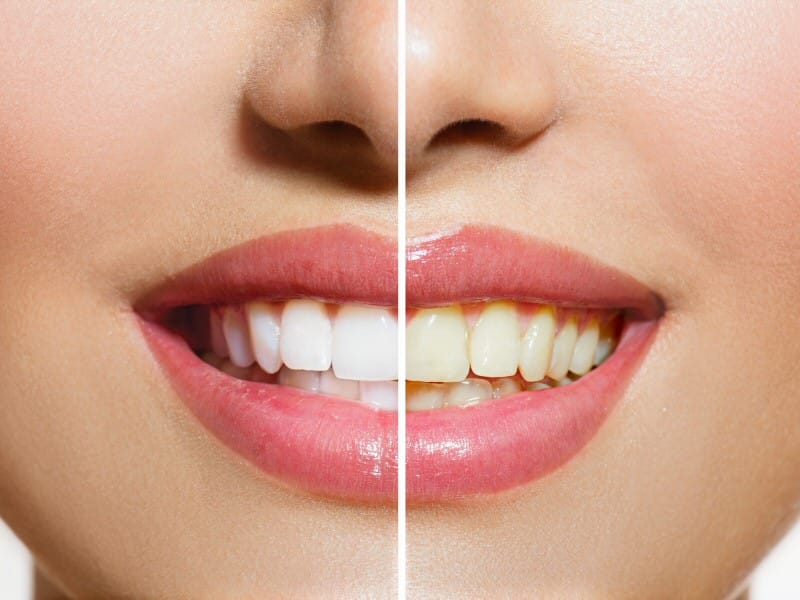
You’ll usually start to see results from teeth-whitening strips within 3–7 days of consistent use. Most people notice a clear improvement in shade after the first week, especially in superficial stains caused by coffee, smoking, and colored beverages.
How quickly you see results depends on factors such as:
- The concentration of the active ingredient (hydrogen peroxide or carbamide peroxide) in the whitening strips
- How long you wear the strips each day
- The severity of the pre‑existing discoloration
In most cases, you’ll reach the maximum level of whitening after about two weeks of use, which is consistent with what most manufacturers state and what clinical studies on whitening strips have shown.
As for how long the results last, they’re not permanent. The whitening effect typically persists for several months up to about a year, provided you maintain good oral hygiene—brushing with a suitable toothpaste and limiting foods and drinks that cause staining.
Frequent smoking and regular consumption of coffee, dark tea, and carbonated soft drinks can accelerate the return of yellowing. That’s why adopting a healthy lifestyle and scheduling regular dental checkups are recommended to help you maintain the results of whitening strips for as long as possible.
Tips to Reduce Sensitivity and Side Effects
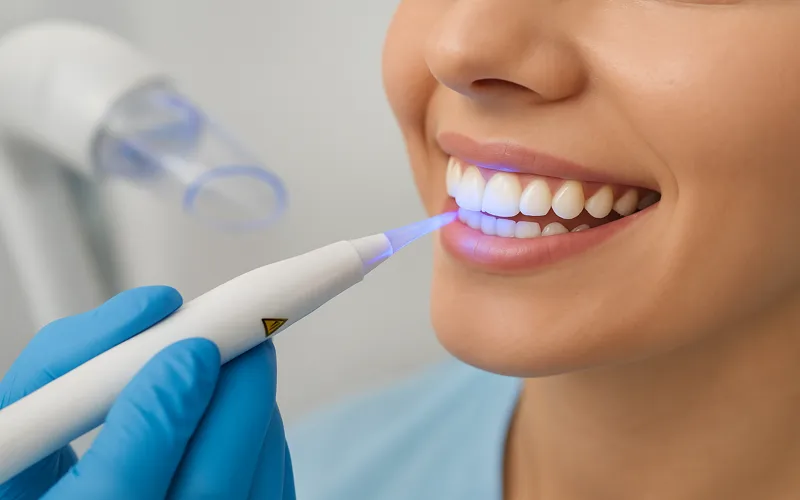
To minimize sensitivity and side effects from using teeth-whitening strips, it’s advisable to choose strips that contain a lower concentration of hydrogen peroxide or carbamide peroxide, and to follow the instructions carefully regarding how long to keep the strips on and how many times per week you use them.
Avoid applying whitening strips over the gums, or on cracked, decayed, or cavity-affected teeth, as this increases the risk of irritation and pain.
If you already suffer from tooth sensitivity, consult your dentist beforehand, and use a toothpaste formulated for sensitive teeth before and during the whitening course to help reduce discomfort.
Try not to exceed the recommended duration of treatment so you don’t weaken the tooth enamel or trigger gum inflammation. Stop using the strips immediately if you experience severe pain or pronounced sensitivity.
It’s also best to avoid acidic foods and drinks—such as citrus fruits, soft drinks, and coffee—right before or after using whitening strips, as the acids can heighten enamel sensitivity.
Finally, having regular dental check-ups to assess the health of your enamel and gums is essential before relying on any at-home whitening product, including teeth-whitening strips.