What Are Dental Veneers (“Contact Lenses” for Teeth)?
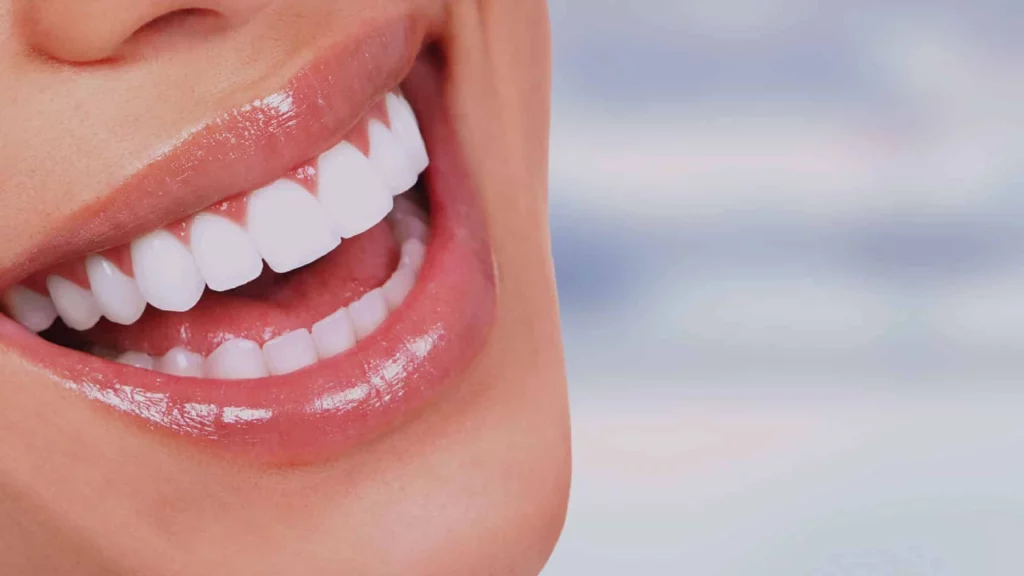
Dental veneers—sometimes referred to as “cosmetic dental lenses” or simply “veneers”—are ultra-thin shells made of porcelain or other ceramic materials that are custom-designed to bond to the front surface of the teeth, with the aim of improving their shape, color, and harmony within the smile.
These cosmetic veneers are almost as thin as a contact lens for the eye, which makes them a conservative treatment option that preserves as much natural tooth structure as possible, requiring minimal enamel reduction and, in some cases, no tooth preparation at all.
Dental veneers are commonly used to manage severe tooth discoloration, mask minor gaps between teeth (diastemas), and correct certain shape-related issues such as chipped edges or slight irregularities, resulting in a whiter, more even smile and a more youthful appearance.
The quality and longevity of dental veneers depend on meticulous planning by the cosmetic dentist, the type of material used, and the patient’s commitment to good oral hygiene. For these reasons, veneers are considered one of the most popular modern cosmetic dentistry techniques for achieving a natural-looking Hollywood smile.
The Difference Between No-Prep Veneers (Dental Lumineers) and Conventional Veneers
The main difference between no-prep veneers (often called Lumineers or ultra-thin veneers) and conventional veneers lies in the thickness of the material, how much tooth structure needs to be removed, and the extent of smile correction required.
No-prep veneers are considered a more conservative cosmetic option. They are extremely thin—similar in concept to a contact lens for the eye—and are usually bonded directly onto the outer surface of the tooth with minimal, and sometimes no, enamel reduction. This helps preserve the natural tooth structure and typically reduces the risk of post‑treatment tooth sensitivity.
Conventional veneers, on the other hand, usually require removing a greater amount of enamel to create enough space for the thicker porcelain shells. This allows for more substantial correction of severe discoloration, larger gaps, and noticeable deformities in tooth shape. However, it is a more invasive and irreversible procedure.
In practice, no-prep veneers are best suited for mild to moderate cases that mainly need a natural-looking enhancement in tooth color and shape in a relatively quick manner. Conventional veneers are more appropriate for complex cases requiring a more dramatic redesign of the smile. The final decision should always be based on a cosmetic dentist’s assessment of enamel thickness, occlusion (bite), and the overall smile line before selecting the most suitable option.
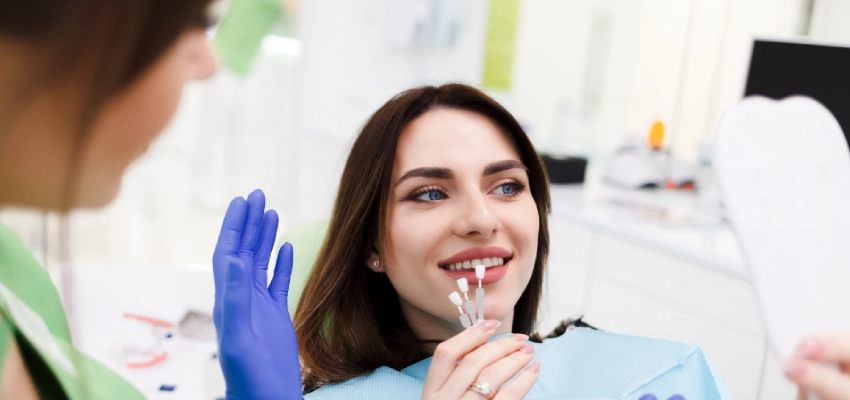
Advantages of Dental Contact Lenses
Dental contact lenses are an advanced cosmetic solution that provide a bright, harmonious smile with minimal tooth preparation compared to traditional veneers, helping preserve as much natural tooth structure as possible.
They are particularly effective in masking yellow discoloration and deep stains, closing minor gaps (diastemas) between teeth, and correcting slight shape imperfections such as small fractures and uneven incisal edges, giving the patient a naturally looking Hollywood smile.
These ultra-thin shells are made from high‑quality materials such as porcelain or reinforced ceramics, which makes them durable and highly resistant to staining for long periods, provided that oral hygiene is well maintained.
Fitting dental contact lenses is usually a quick and relatively painless procedure that requires fewer clinical visits, making them an excellent option for individuals seeking a safe, fast, and effective cosmetic dental treatment. They are also widely known under search-friendly terms such as “dental contact lenses” and “cosmetic dental veneers.”
Drawbacks and Limitations to Consider Before Getting Dental Veneers
Although dental veneers are considered a quick cosmetic option to enhance your smile, they do come with drawbacks and limitations that should be clearly understood before deciding to proceed.
In some cases, veneers require slight or even permanent preparation (shaving) of the tooth surface, which means removing a portion of the enamel that cannot be restored later.
Veneers are also not suitable for everyone, especially in the presence of untreated dental caries, gum disease (gingivitis or periodontitis), or significant malocclusion, as these conditions can compromise veneer retention and increase the risk of fracture.
Another important limitation is that the color of veneers cannot be changed once they are bonded. If the natural teeth change color over time, or if staining develops around the veneer margins, a full replacement may be necessary to restore a uniform appearance.
In addition, dental veneers require meticulous oral hygiene and regular follow‑up visits with the dentist. Their cost is generally higher than composite bonding and other cosmetic treatments. Poor clinical technique or the use of low‑quality materials can also lead to tooth sensitivity, gingival inflammation, or an artificial, unaesthetic smile.
For these reasons, it is essential to discuss all these drawbacks and limitations with a qualified dentist before getting veneers, to ensure that this option is the safest and most appropriate for your long‑term oral health and aesthetic goals.
Who Is a Good Candidate for This Type of Dental Veneer?
No-prep (or minimal-prep) dental veneers are an excellent option for people with intrinsic tooth discoloration that does not respond well to conventional whitening, as well as those with small gaps between the front teeth, fine cracks, or chipped edges that affect the overall appearance of their smile.
They are also suitable for individuals who want to improve the shape of slightly misaligned or short teeth and achieve a whiter, more harmonious smile without extensive reduction of the natural tooth structure.
However, for these veneers to be successful, the gums must be healthy, the supporting bone structure should be sound, and there should be no active dental caries or infections. The patient must also be committed to maintaining good oral hygiene and attending regular follow‑up visits.
For these reasons, consulting a cosmetic dentist is essential to assess whether no-prep veneers are appropriate for each individual case and to determine if they represent the most suitable treatment option from both a medical and aesthetic standpoint.
Cost of Dental Veneers in Jeddah
The cost of dental veneers in Jeddah varies depending on several key factors, most notably the type of veneer used (porcelain veneers vs. composite veneers), the dentist’s level of expertise, the reputation of the cosmetic dental clinic, as well as the number of teeth being treated and the overall treatment plan for each case.
Veneer prices in Jeddah are usually calculated on a per-tooth basis. The quoted fee may also include additional services such as the initial consultation, dental imaging, digital smile design, and follow‑up visits after veneer placement.
Material quality and the use of advanced techniques—such as ultra-thin veneers—also have a significant impact on the total cost. For this reason, many patients prefer to seek treatment at specialized cosmetic dentistry centers to ensure natural-looking results that remain stable for many years.
To obtain an accurate estimate of veneer costs in Jeddah, it is advisable to schedule a consultation with a cosmetic dentist, who can assess your dental condition and develop a treatment plan tailored to your needs and budget.
Dr. Abeer’s Dental Veneers Services
Dr. Abeer provides comprehensive care in the field of dental veneers, starting with a thorough examination of the mouth and gums, along with detailed dental imaging, to ensure that each veneer is precisely tailored to the individual clinical condition of every patient.
She utilizes advanced technologies for designing ultra‑thin, cosmetic dental veneers in shades harmonized with the patient’s skin tone and smile. This contributes to enhancing tooth shape and correcting issues such as yellowing, discoloration, minor gaps, and discrepancies in tooth length.
Dr. Abeer is keen to preserve as much natural tooth structure as possible when preparing teeth for veneer placement, strictly adhering to evidence‑based clinical protocols to protect the enamel and minimize post‑treatment sensitivity.
She also offers a smile preview session before final cementation of the veneers, and provides detailed post‑procedure instructions on veneer care to maintain color stability, surface gloss, and the longevity of the aesthetic results for as long as possible.
Frequently Asked Questions About Dental Veneers
What are dental veneers?
Dental veneers are ultra-thin shells made from porcelain or ceramic materials that are bonded to the front surface of teeth to improve their color, shape, and overall appearance. They are commonly used in cosmetic dentistry to create a brighter, more balanced smile.
What is the difference between no-prep veneers and traditional veneers?
No-prep veneers are extremely thin and may require little to no removal of tooth enamel before placement. Traditional veneers usually require removing a small amount of enamel to create space for thicker porcelain shells that allow more significant smile corrections.
How long do dental veneers last?
Porcelain dental veneers typically last between 10 and 15 years, and sometimes longer with proper care, regular dental check-ups, and good oral hygiene.
Are dental veneers painful?
The veneer procedure is usually painless. Dentists often use local anesthesia when enamel preparation is required, ensuring patient comfort throughout the treatment.
Who is a good candidate for dental veneers?
Dental veneers are ideal for people with tooth discoloration, minor gaps between teeth, chipped edges, or slightly irregular tooth shapes who want to improve their smile aesthetically.
How much do dental veneers cost in Jeddah?
The cost of dental veneers in Jeddah varies depending on the type of veneers used, the number of teeth treated, the dentist’s expertise, and additional procedures such as digital smile design or imaging.
Can dental veneers stain over time?
High-quality porcelain veneers are highly resistant to staining compared to natural teeth. However, maintaining good oral hygiene and limiting smoking or staining foods helps preserve their appearance.
Are dental veneers permanent?
Dental veneers are considered a long-term cosmetic treatment. In cases where enamel is removed before placement, the procedure is usually irreversible, and veneers may need replacement after many years.