Are you thinking about cosmetic dental treatment to enhance your smile? Both veneers and Lumineers can dramatically improve the appearance of your teeth. However, with so many options available, it can be hard to know which one is right for you. In this article, we’ll explain the difference between veneers and Lumineers and help you make an informed decision about the most suitable option for your needs.
Table of Contents
What Are Veneers?
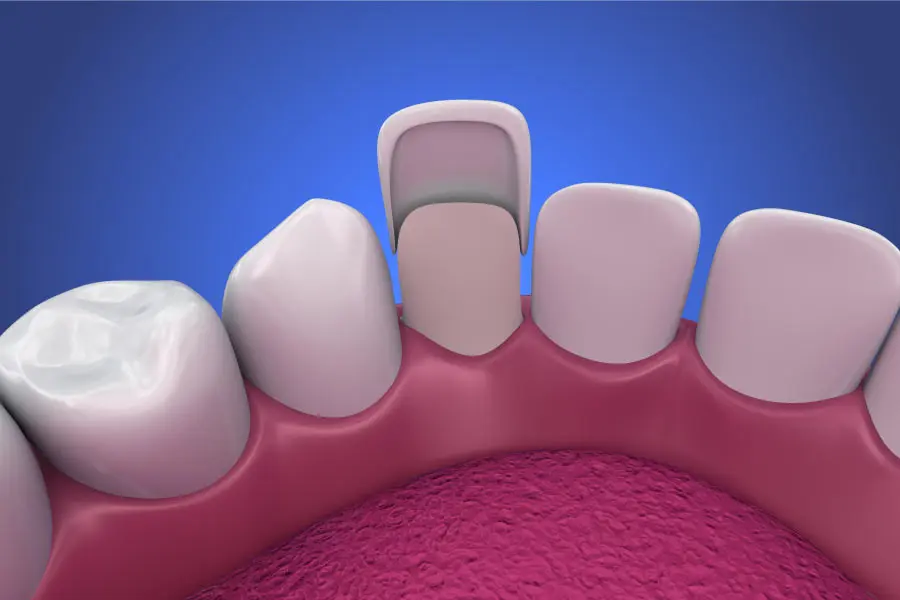
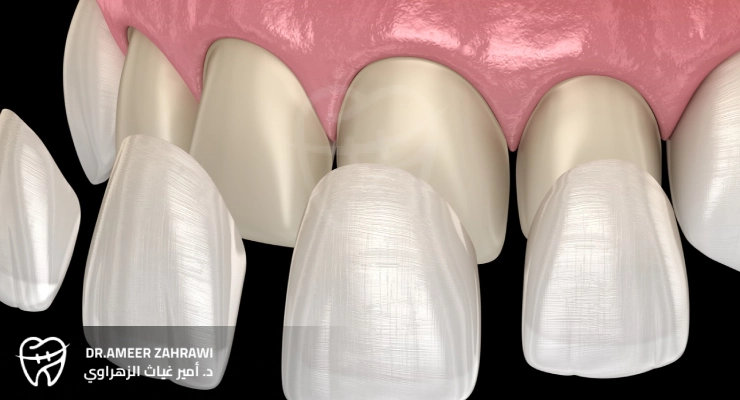
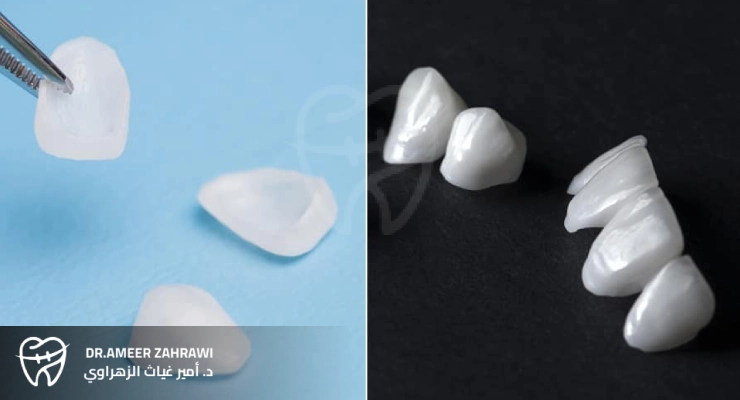
Veneers are thin, custom-made shells crafted from porcelain or composite resin that are bonded to the front surface of your teeth. They cover and correct a wide range of dental issues, such as:– Tooth discoloration and staining – Chipped or broken teeth – Slight gaps between teeth – Mildly crooked or misshapen teeth – Teeth that are worn downThe two main types of veneers are traditional porcelain veneers and composite veneers. Porcelain veneers are highly resistant to staining and very durable. Composite veneers are easier to adjust or repair and are generally more affordable.You may also be interested in: Types of Dental Veneers
What Are Lumineers?
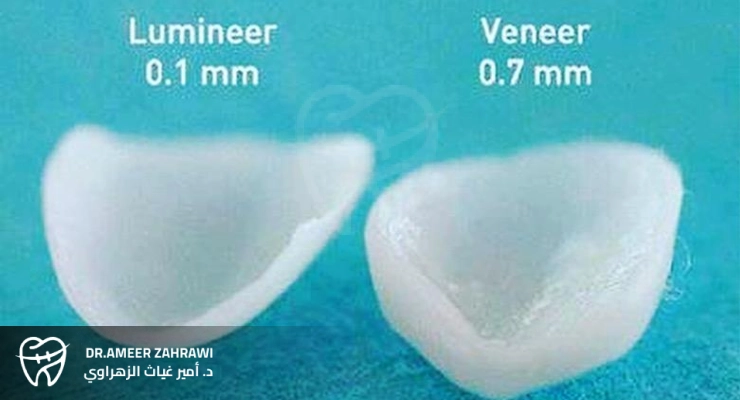
Lumineers are an ultra-thin type of dental veneer made from a patented ceramic material called Cerinate. The key differences between traditional veneers and Lumineers lie in how they are applied and how much tooth preparation is required.Lumineers are designed to be:– Extremely thin and lightweight – Strong and long‑lasting despite their minimal thickness – Often placed with little to no removal of the natural tooth enamelLearn more about Lumineers and their advantages
What Is the Difference Between Veneers and Lumineers?
Both veneers and Lumineers are cosmetic dental procedures, but there are important distinctions between them in terms of bonding technique, durability, and overall appearance. Here’s what you need to know about the difference between veneers and Lumineers:
Veneers
Veneers are a popular choice for dental laminates and usually require reshaping or trimming the teeth so the shells fit properly and look natural. Key points about porcelain veneers compared with Lumineers include:– Typically require removal of a thin layer of enamel – Provide strong, long‑lasting results with a highly natural appearance – Offer excellent color matching and stain resistance – Are usually irreversible once the enamel has been removed
Lumineers
Lumineers, a specific brand of veneers made from Cerinate porcelain, offer a different experience from traditional veneers:– Often require little to no tooth reduction – Can sometimes be reversed because minimal enamel is removed – Are very thin, which may be ideal for minor cosmetic corrections – May not be suitable for every case, especially where major shape or alignment changes are needed
What Are the Advantages of Veneers and Lumineers?
Both veneers and Lumineers are cosmetic dental treatments that can significantly enhance your smile. Some of the main advantages of each include:
Advantages of Veneers
– Highly natural, lifelike appearance – Excellent durability and fracture resistance – Superior stain resistance (especially porcelain veneers) – Can correct more complex cosmetic issues, such as noticeable shape and alignment problems
Advantages of Lumineers
– Minimal or no enamel removal in many cases – More conservative and potentially reversible treatment – Generally quicker and more comfortable preparation process – A good option for patients with mild discoloration or minor cosmetic flaws
Side Effects of Veneers and Lumineers
Some of the most common side effects associated with both veneers and Lumineers include:
Side Effects of Veneers
– Tooth sensitivity, especially to hot and cold, after enamel reduction – Irreversible alteration of the natural teeth – Risk of veneer chipping or debonding over time – Possible gum irritation if the veneers do not fit optimally
Side Effects of Lumineers
– Slightly bulkier feel if no enamel is removed, which may affect bite or comfort in some cases – Potential for an over-contoured look if not properly planned – As with veneers, possible chipping or detachment if subjected to excessive force – Gum irritation or inflammation if margins are not well adapted
When Are Veneers and Lumineers Used?
There are specific situations where veneers or Lumineers may be preferred, depending on your dental condition and aesthetic goals:
When Are Veneers Used?
– When teeth are significantly discolored or stained and do not respond well to whitening – When there are noticeable chips, fractures, or worn-down teeth – When you need to change the shape, size, or alignment of teeth more extensively – When long-term durability and a comprehensive smile makeover are the main goals
When Are Lumineers Used?
– When the teeth are generally healthy and well-aligned but need mild cosmetic enhancement – When the patient prefers a conservative option with minimal tooth preparation – When closing small gaps or masking mild discoloration without major reshaping – When the patient is concerned about permanently altering the natural enamel
Dr. Abeer Zandaghi’s Veneer and Lumineer Cosmetic Dentistry Services
Dr. Abeer offers advanced cosmetic solutions using both veneers and Lumineers to help you achieve a natural, attractive smile. With precise expertise in diagnosis and treatment planning, she carefully determines the most appropriate option for each case and designs a customized smile that takes into account tooth shape, color, and overall harmony.Whether you need subtle refinements with Lumineers or a full smile transformation with veneers, you can rely on Dr. Abeer to deliver professional, long‑lasting results. She uses high‑quality materials and modern techniques to ensure your comfort and satisfaction from the very first visit.