As dental implant technology continues to advance, it has become increasingly important for both dentists and patients to have a clear understanding of the different components involved in the procedure. One of the most critical of these components is the dental implant screw, which plays a key role in providing stability and long‑term success for the implant.In this comprehensive article, we will explore every aspect of the dental implant screw—from its structure and design to placement techniques and maintenance requirements.
Table of Contents
What Are Dental Implants?
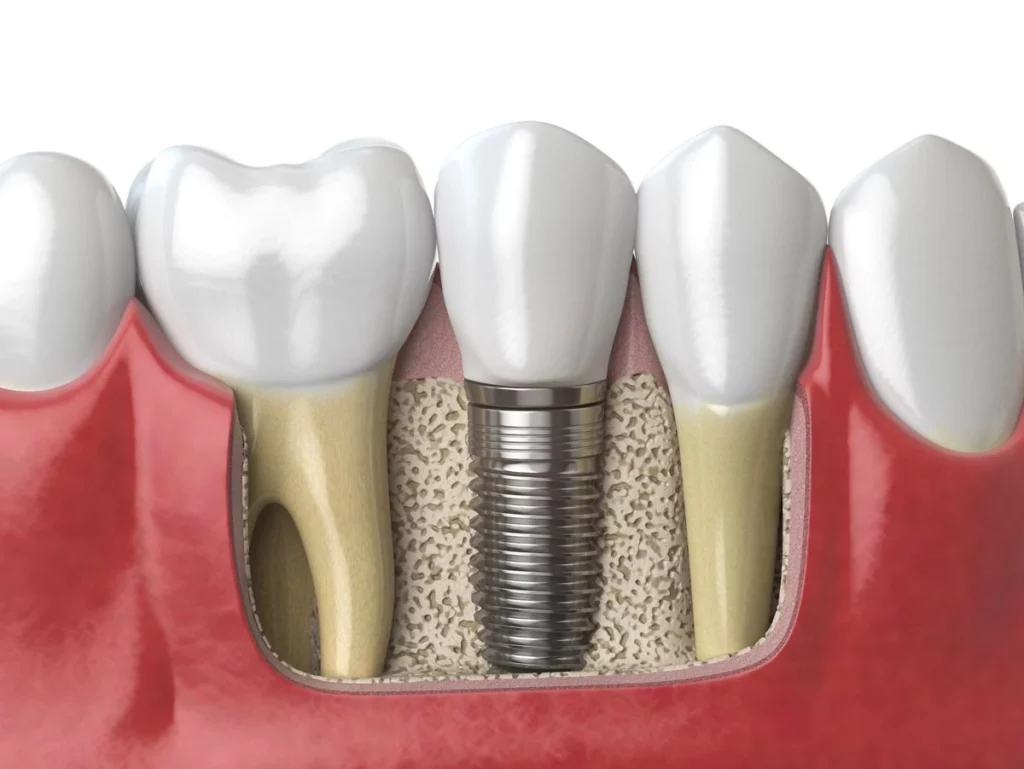
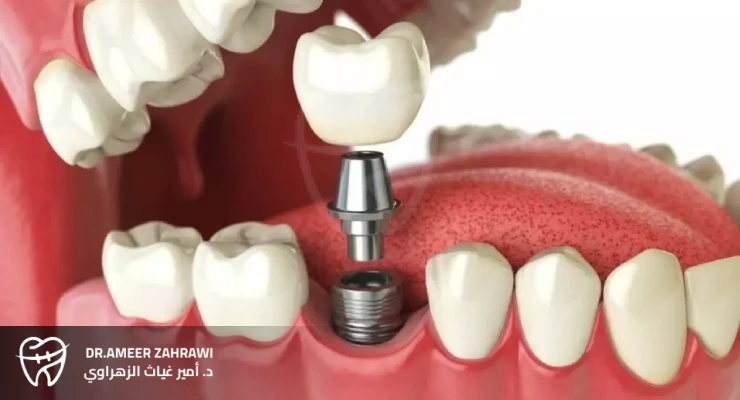
The term “dental implants” generally refers to artificial teeth used to replace missing natural teeth. Dental implants are usually made of titanium or titanium alloys. The implant itself can be coated with various surface treatments that enhance its stability and encourage better osseointegration with the jawbone.There are several types of implants, but the most common are screw‑shaped fixtures—dental implant screws—that replace individual tooth roots. Crowns or prosthetic teeth can then be attached to these implants. These restorations may be fixed (permanent) or removable.A dental implant is essentially a screw or post made of medical‑grade zirconia or a titanium alloy that is surgically placed into the jawbone to replace the entire tooth structure, including the root. The procedure is typically quick, minimally invasive, and generally well tolerated by patients.
Reasons for Getting Dental Implants
There are multiple reasons why a person might choose dental implants, including the following:
Types of Dental Implant Screws
Dental implant screws come in a variety of shapes, sizes, and materials to meet each patient’s specific clinical needs. Below are some of the most common types:
1. Tapered Implant Screws
2. Cylindrical Implant Screws
3. Hexagonal Implant Screws
4. Titanium Alloy Screws
5. Zirconia Screws
Each type of dental implant screw has its own advantages and specific considerations in terms of compatibility with particular implant systems and individual patient needs and preferences.It is essential for dentists to carefully evaluate all these factors before selecting the most appropriate implant screw to achieve a successful outcome in each case.
Side Effects of Each Type of Dental Implant Screw
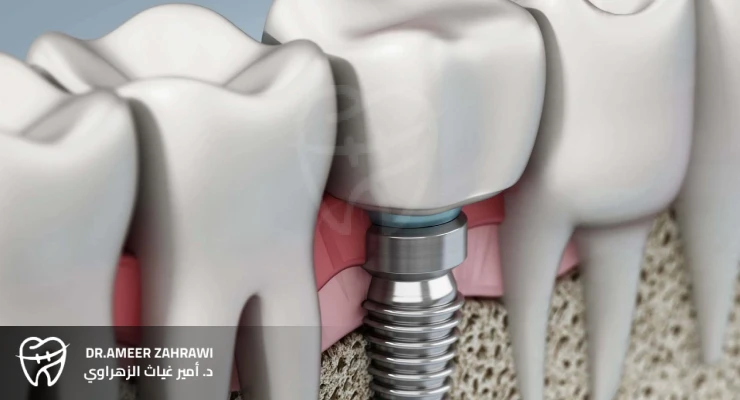
Dental implant screws are core components of the implant system, responsible for anchoring the replacement teeth into the jawbone. Different materials and designs can lead to different potential side effects. Below is a closer look at the side effects associated with commonly used dental implant screws:
1. Side Effects of Titanium Screws
2. Side Effects of Zirconia Screws
Side effects may include:
Advantages of Different Types of Implant Screws
Each type of dental implant screw offers its own set of benefits designed to address different patient needs and preferences:
1. Titanium Screws
2. Zirconia Screws
Dental Implant Screw Placement in Jeddah

Dr. Abeer specializes in placing dental implant screws in Jeddah, offering a reliable solution for missing teeth. She carefully evaluates each patient’s needs and designs a personalized treatment plan to achieve the best possible outcome.With a strong focus on comfort and safety, Dr. Abeer uses advanced techniques to place dental implants that look, feel, and function like natural teeth. Her goal is to help patients regain their confidence and improve their quality of life. If you are considering dental implants, Dr. Abeer will guide you through every step of the process and provide exceptional care.Related articles:Types of Dental Implant Materials