What Is Tooth Sensitivity and Why Does It Happen?
Table of Contents
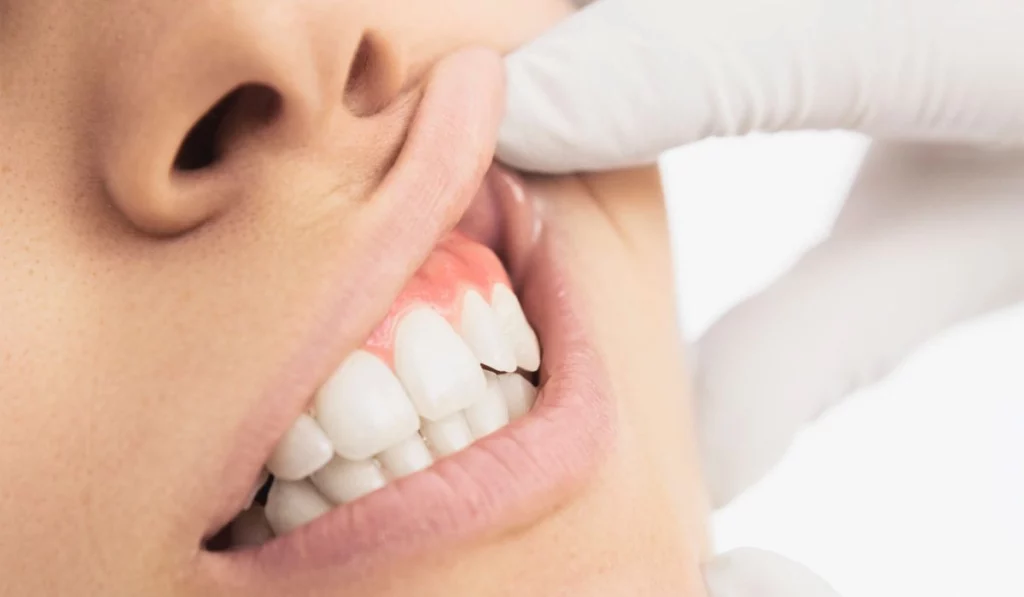
Tooth sensitivity is a sharp, sudden pain in the teeth that usually appears when you consume cold, hot, sour, or sweet foods and drinks, or when you breathe in cold air. It often indicates a problem involving the sensitive dentin layer inside the tooth. Tooth sensitivity occurs when the enamel wears down or the gums recede, exposing the dentin, which contains tiny tubules that connect to the tooth nerve.This wear can result from brushing too hard, using an abrasive toothpaste, dental caries (tooth decay), enamel erosion caused by acids in foods and soft drinks, teeth grinding (bruxism), or gum inflammation and chronic periodontal disease. Once dentin is exposed, the nerve endings become more vulnerable to external stimuli, causing quick, sharp pain known as tooth sensitivity. This usually requires a dental evaluation to identify the exact cause and develop an appropriate treatment plan.
The Most Common Causes of Tooth Sensitivity
Tooth sensitivity develops when the sensitive dentin layer beneath the enamel becomes exposed, leading to sharp pain when consuming cold, hot, or acidic foods and drinks.One of the most common causes is enamel erosion due to frequent intake of acidic foods and carbonated beverages, or from aggressive brushing with a hard-bristled toothbrush, which can contribute to gum recession and expose the sensitive tooth roots. Untreated cavities, cracked teeth, and old or failing dental fillings are also major factors that increase tooth sensitivity.Sensitivity may sometimes appear after teeth whitening procedures or certain temporary dental treatments. Nighttime teeth grinding (bruxism) gradually wears down enamel and raises the risk of sensitivity. Understanding these common causes helps guide proper treatment and prevents worsening pain while protecting long-term oral health.
Signs and Symptoms That Indicate Tooth Sensitivity
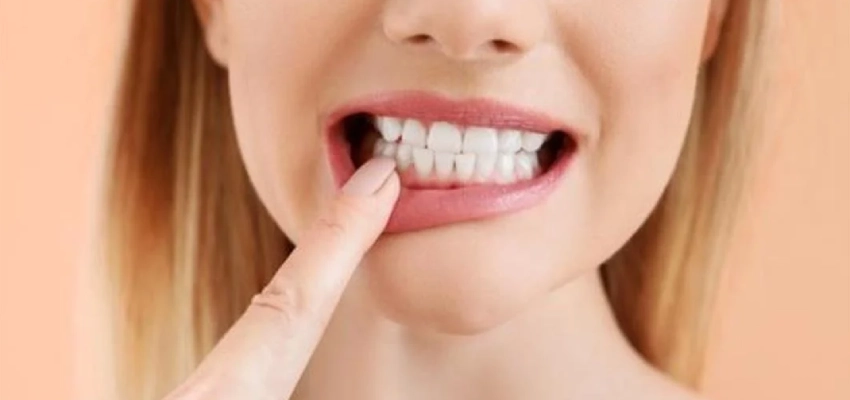
Tooth sensitivity typically appears as sharp, sudden pain when eating or drinking something cold, hot, very sweet, or highly acidic. This pain usually lasts for a few seconds and subsides once the trigger is removed.A person may feel discomfort when breathing in cold air through the mouth or when brushing or flossing, especially near the gumline (the neck of the tooth). Some describe sensitivity as “stabbing” or “mild electric shocks,” ranging from mild to moderate in intensity and varying from one person to another.Tooth sensitivity is sometimes accompanied by gum recession or visible enamel wear, which further exposes the sensitive dentin underneath. If these symptoms persist or worsen over time, especially when the teeth react to even slight stimuli, you most likely have tooth sensitivity and should see a dentist to identify the cause and create a suitable treatment plan.
Home Remedies to Relieve Tooth Sensitivity
Some home measures can help reduce tooth sensitivity and daily discomfort, but they do not replace a dental visit if symptoms persist. One of the most effective strategies is using a toothpaste specifically formulated for sensitive teeth that contains desensitizing agents such as potassium nitrate or stannous fluoride, used twice a day on a regular basis.It’s also recommended to brush with a soft-bristled toothbrush using gentle strokes from the gum toward the tip of the tooth to avoid enamel abrasion and gum recession, both of which can worsen sensitivity.A fluoride mouthwash can be used to strengthen enamel and decrease pain triggered by hot or cold drinks. Avoiding acidic foods and beverages such as sodas and citrus juices, and cutting down on sugar, helps protect sensitive teeth from erosion and acid wear. It’s also advisable to avoid grinding or clenching your teeth, especially at night, and to use a night guard if your dentist recommends it, since constant friction weakens enamel and increases sensitivity.These home measures can noticeably reduce tooth sensitivity and improve quality of life, but they should be combined with regular dental checkups to diagnose the underlying cause and treat it safely and effectively.
Professional Treatments for Severe Tooth Sensitivity
In severe cases of tooth sensitivity that don’t respond to home care and over-the-counter desensitizing toothpaste, dentists may use a range of advanced treatments to relieve pain and protect exposed dentin.These include professionally applied desensitizing agents placed directly on the teeth, which often contain high concentrations of fluoride or compounds that seal the microscopic dentinal tubules, significantly reducing the transmission of stimuli to the tooth nerve.The dentist may also recommend covering areas of gum recession or exposed roots with special tooth-colored fillings (bonding) or thin porcelain veneers to shield the tooth surface from temperature changes and acids. In cases involving extensive enamel loss, deep cracks, or nerve inflammation, root canal treatment or placing a full crown may be the best option to eliminate chronic sensitivity.Accurately identifying the cause—whether gum recession, bruxism, or hidden decay—allows for tailored treatment in each case, ensuring long-term relief and better quality of life while preserving the health of teeth and gums.
Dietary Tips to Prevent Worsening Sensitivity
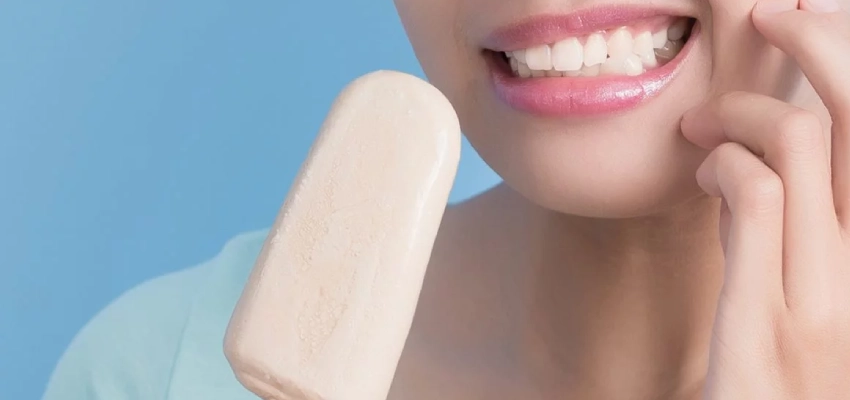
To prevent tooth sensitivity from getting worse, it’s important to follow a balanced diet that limits acidic foods and drinks such as sodas, citrus juices, lemon, and pickles, as they weaken enamel and increase erosion, which can intensify sensitivity.Try to reduce your intake of sugars and sticky sweets that cling to the teeth, promote bacterial growth, and lead to acid production. It’s helpful to drink water afterward to help cleanse the mouth. Choose calcium-rich foods such as low-fat milk and dairy products, yogurt, and cheese, as they support enamel remineralization and reduce the likelihood of triggering sensitivity. Foods rich in vitamin D, such as fatty fish and eggs, along with phosphorus sources like nuts and legumes, help strengthen teeth from within.Make a habit of chewing fibrous foods like leafy vegetables and whole fruits instead of drinking fruit juices; this stimulates saliva flow, which neutralizes acids and protects against enamel erosion.Avoid chewing on ice cubes or frequently consuming very hot or very cold foods and beverages, as they can irritate sensitive tooth nerves. Try to eat at regular mealtimes instead of snacking continuously throughout the day, since repeated acid exposure increases the risk of enamel erosion and can trigger or worsen tooth sensitivity.
When Should You See a Dentist if the Problem Persists?
If tooth sensitivity lasts for more than two weeks despite using toothpaste for sensitive teeth and avoiding triggers like very hot or cold foods, you should see a dentist promptly for a thorough evaluation. Persistent sensitivity or sharp pain when drinking acidic beverages or brushing may indicate deep decay, significant enamel erosion, gum recession, or pulp inflammation.You should seek urgent dental care if tooth sensitivity is accompanied by gum swelling, pain when biting, bleeding, or persistent bad breath, as these symptoms may point to gingivitis, periodontitis, or a dental abscess that requires prompt treatment.Early dental examination helps pinpoint the cause of sensitivity and guide an effective treatment plan, which may include fillings, root canal treatment, in-office topical fluoride applications, or protecting exposed roots. This not only prevents the problem from worsening but also preserves long-term oral health.
Treating Tooth Sensitivity with Dr. Ameer Ghayath Al-Zahrawi’s Expertise and Effective Preventive Plans
Dr. Ameer Ghayath Al-Zahrawi offers a comprehensive approach to treating tooth sensitivity, starting with an accurate diagnosis to determine the source of pain—whether it’s enamel erosion, gum recession, tooth decay, or old restorations that need to be replaced.He relies on advanced treatments such as specialized desensitizing pastes and cements to seal exposed dentinal tubules, along with high-concentration fluoride applications to strengthen enamel. When needed, he may use aesthetic fillings or crowns/veneers for teeth with severe sensitivity.He also designs effective preventive plans to minimize the recurrence of tooth sensitivity. These include choosing a toothpaste specifically for sensitive teeth, adjusting brushing technique to be gentle and non-abrasive, reducing consumption of acidic and sugary foods and drinks, and maintaining regular visits for professional checkups and cleanings.With this integrated therapeutic and preventive strategy, Dr. Ameer Ghayath Al-Zahrawi helps patients get rid of sensitivity-related pain and enjoy a stable, healthy smile over the long term.
Frequently Asked Questions About Tooth Sensitivity
Is tooth sensitivity a sign of a serious problem?
In most cases, tooth sensitivity is caused by enamel erosion or gum recession. However, it can sometimes indicate deep decay or inflammation of the tooth pulp. If the pain persists or becomes more intense, you should see a dentist to determine the exact cause.
How long does tooth sensitivity usually last?
Sensitivity may be temporary for a few days after whitening or professional cleaning. However, if it lasts more than two weeks despite using toothpaste for sensitive teeth, a clinical examination is essential to identify the underlying issue.
Can tooth sensitivity be completely cured?
That depends on the cause. In cases of mild enamel wear, sensitivity can often be controlled with special toothpastes and fluoride treatments. If the cause is decay or pulp inflammation, a filling or root canal treatment may be required to resolve it.
Does teeth whitening cause sensitivity?
Yes, teeth whitening can cause temporary sensitivity because bleaching agents affect the dentin. This sensitivity usually fades within a few days. It can be reduced by using products designed for sensitive teeth before and after whitening.
What is the best daily routine to prevent tooth sensitivity?
Use a soft-bristled toothbrush, a toothpaste formulated for sensitive teeth, avoid highly acidic foods and carbonated drinks, don’t brush too aggressively, and visit your dentist regularly for checkups and professional cleanings.