Understanding Tooth Extraction Complications
Table of Contents
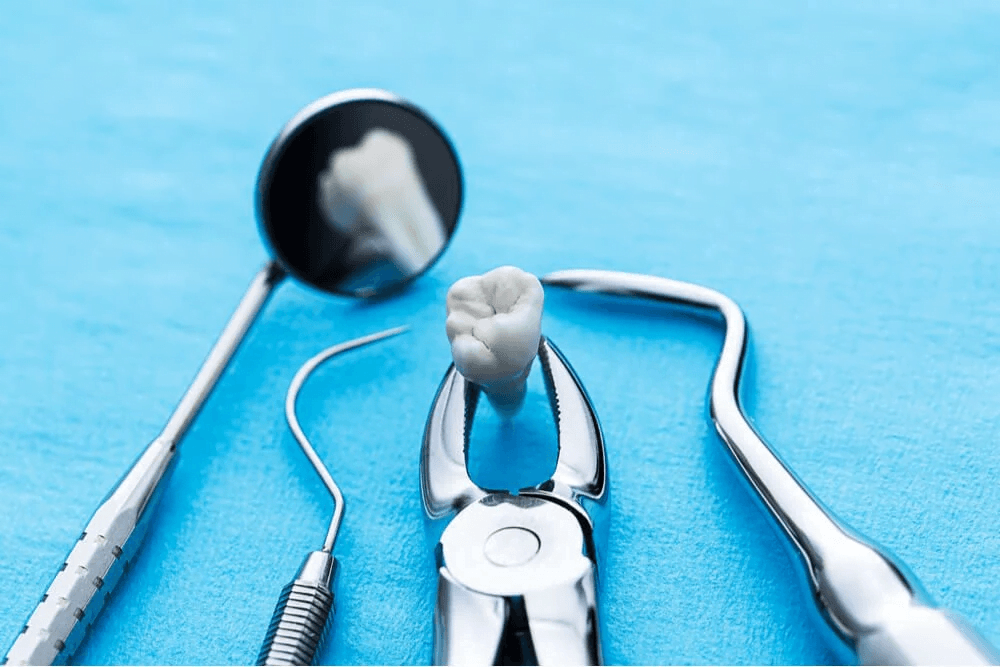
Like any other medical procedure, tooth extraction can involve certain complications, such as infection, dry socket, and persistent swelling. However, when these risks are managed properly, the likelihood of further complications can be significantly reduced.Tooth extraction is a common procedure that involves removing a tooth or its root from the socket in the alveolar bone by widening the space between the tooth and the bone and severing the periodontal ligament. Complications may arise for different medical and anatomical reasons. This article provides an overview of the potential complications of tooth extraction and how they are managed.
Complications of Tooth Extraction

Although tooth extraction is a routine dental procedure that is generally considered low-risk, it can still lead to certain complications, just like any medical intervention. These may include infection, dry socket (alveolar osteitis), excessive bleeding, nerve injury, or delayed healing.
How Is a Tooth Extracted?
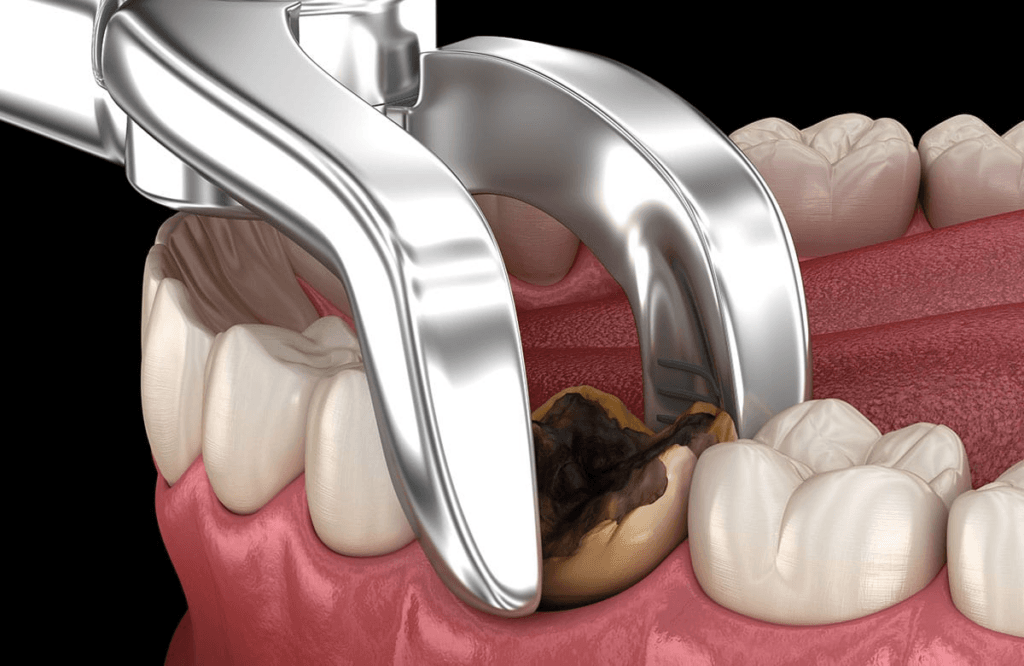
After discussing the possible complications of tooth extraction, it is important to understand how the procedure is actually performed. Tooth extraction is done to remove teeth that are badly damaged, decayed, or cannot be restored. There are two main types of extraction: simple extraction and surgical extraction.During the procedure, you will feel pressure, but you should not feel pain. If you experience any discomfort beyond normal pressure, you should let your dentist know immediately.
Steps of a Simple Tooth Extraction
(1) The dentist numbs the area around the tooth with a local anesthetic. (2) Specialized instruments are used to gently loosen the tooth from the surrounding bone and periodontal ligament. (3) Once the tooth is sufficiently loosened, it is removed from the socket with forceps. (4) The socket is cleaned, and in some cases, a gauze pad is placed to control bleeding and help a blood clot form.
Steps of a Surgical Tooth Extraction
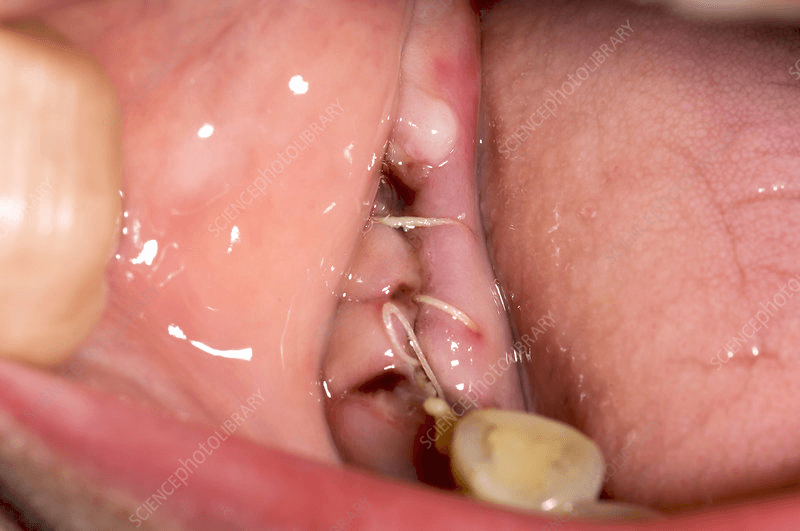
For a surgical extraction, you will receive local anesthesia, and in some cases additional sedation may be used, depending on the complexity of the case and your medical needs.(1) The dentist or oral surgeon makes an incision in the gum to access the tooth and underlying bone. (2) A small amount of bone may be removed, or the tooth may be sectioned (cut into smaller pieces) to facilitate removal. (3) The tooth fragments are removed carefully from the socket. (4) The area is cleaned, and stitches may be placed to help the gum tissue heal properly. (5) Gauze is applied to control bleeding and support clot formation.
Reasons for Tooth Extraction
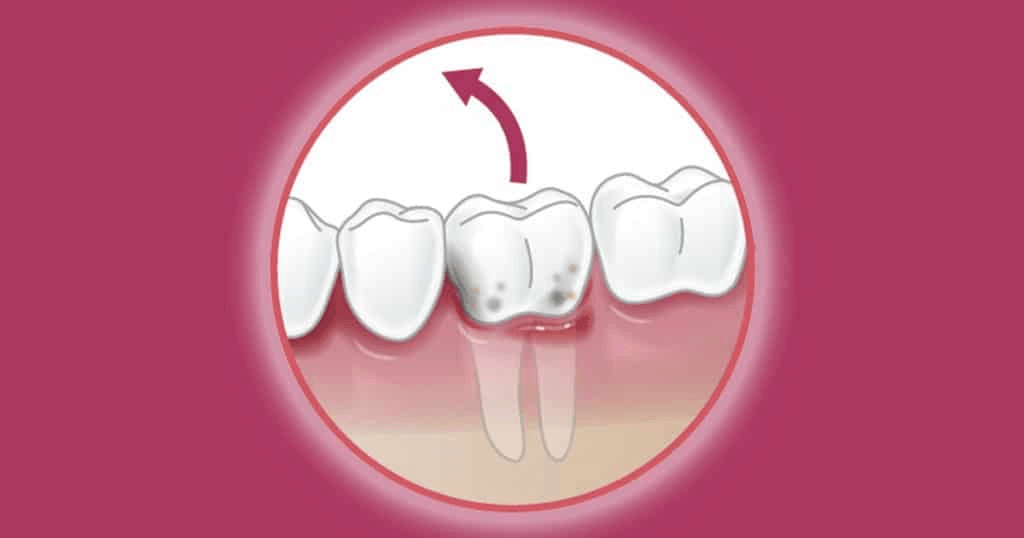
After reviewing the complications of tooth extraction, we can look at the main reasons a tooth might need to be removed. Several conditions may require extracting a tooth, such as:– Severe tooth decay or extensive damage that cannot be restored with fillings, crowns, or other treatments – Advanced periodontal (gum) disease that has destroyed supporting bone and tissue – Impacted teeth, such as some wisdom teeth, that fail to erupt properly or cause crowding and pain – Dental infections or abscesses that do not respond adequately to other treatments – Orthodontic reasons, to create space and properly align the teeth – Fractured teeth or roots that cannot be repaired
What Happens After a Tooth Extraction?
It is crucial to follow your dentist’s post-operative instructions carefully to reduce the risk of complications such as infection and inflammation. Post-extraction care instructions typically include:– Keeping the gauze pad in place for the recommended time to control bleeding – Avoiding rinsing or spitting vigorously for the first 24 hours to protect the blood clot – Taking prescribed pain relievers or anti-inflammatory medications as directed – Applying cold compresses to reduce swelling during the first 24 hours – Eating soft foods and avoiding very hot, hard, or spicy foods initially – Not smoking or using tobacco products, as they increase the risk of dry socket and delayed healing – Maintaining gentle oral hygiene and carefully cleaning the surrounding teeth while avoiding direct trauma to the extraction site
Side Effects of Tooth Extraction
There are some side effects of tooth extraction that you should be aware of, such as infection, bleeding, pain, and temporary or, in rare cases, prolonged numbness.Factors that may put you at higher risk for tooth extraction complications include:– Smoking or vaping – Uncontrolled diabetes or other systemic diseases – Blood clotting disorders or use of blood-thinning medications – Poor oral hygiene – A history of previous complications such as dry socket – Complex extractions, including impacted or severely damaged teeth
Benefits of Tooth Extraction
Among the key benefits of removing a severely damaged or problematic tooth—beyond preventing complications associated with the tooth itself—are:– Eliminating the source of persistent pain and infection – Preventing the spread of infection to adjacent teeth, bone, or other areas of the body – Reducing the risk of cysts, abscesses, and more serious jaw complications – Helping to correct crowding and improve bite alignment when part of an orthodontic plan – Facilitating better overall oral health and allowing for future restorative options such as dental implants or bridges
How to Protect Your Teeth and Avoid Extraction
Some of the most important ways to maintain your teeth and reduce the likelihood of needing an extraction, and thereby avoid tooth extraction complications, include:– Brushing at least twice a day with fluoride toothpaste and flossing daily – Visiting your dentist regularly for checkups and professional cleanings – Treating cavities, gum disease, and minor problems early before they worsen – Wearing a mouthguard during sports and a night guard if you grind your teeth – Reducing sugary foods and drinks and avoiding tobacco products – Following your dentist’s recommendations for preventive treatments, such as fluoride or dental sealants when appropriate
Treatment of Tooth Extraction Complications in Jeddah

Dr. Abeer provides treatment for tooth extraction complications in Jeddah, helping patients manage issues such as pain, swelling, or infection after the procedure. She offers practical, evidence-based solutions to address these problems and support proper healing and comfort.With a strong focus on clear communication and patient-centered care, Dr. Abeer makes the treatment process as smooth and stress-free as possible. If you are experiencing complications after a tooth extraction, her expertise and reliable approach make her a trusted choice for care in Jeddah.