Causes of Tooth Decay
Table of Contents
Tooth decay is a common chronic disease that affects both children and adults. It refers to damage or breakdown of the tooth enamel, which is the hard, protective outer layer of the tooth. This happens when bacteria in the mouth produce acids that gradually erode the enamel.If tooth decay is left untreated, it can lead to more serious dental problems, such as gum disease and infections. However, there are several preventive measures that can be taken to avoid tooth decay, as well as treatment options available for those who are affected.
What Is Tooth Decay?
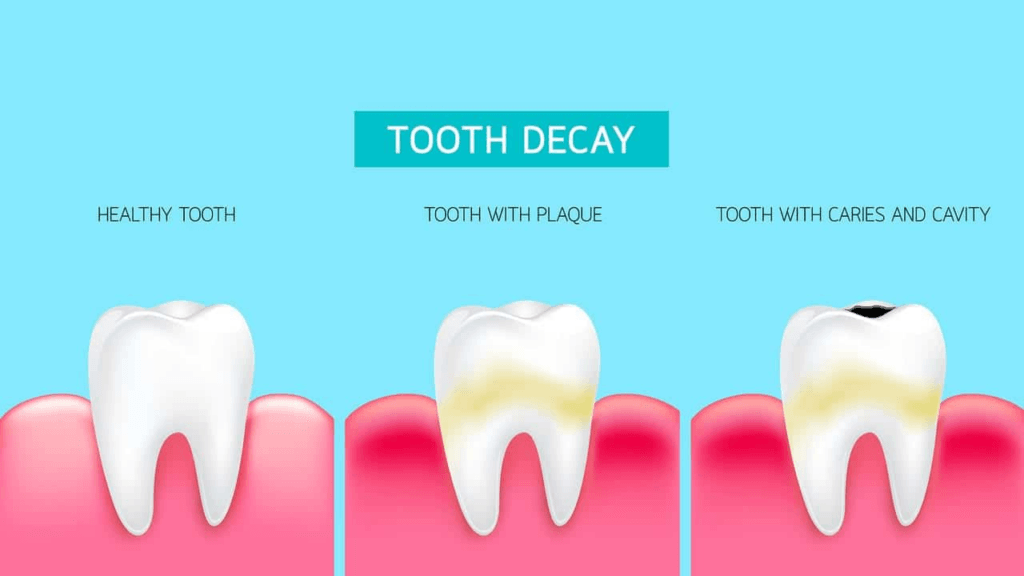
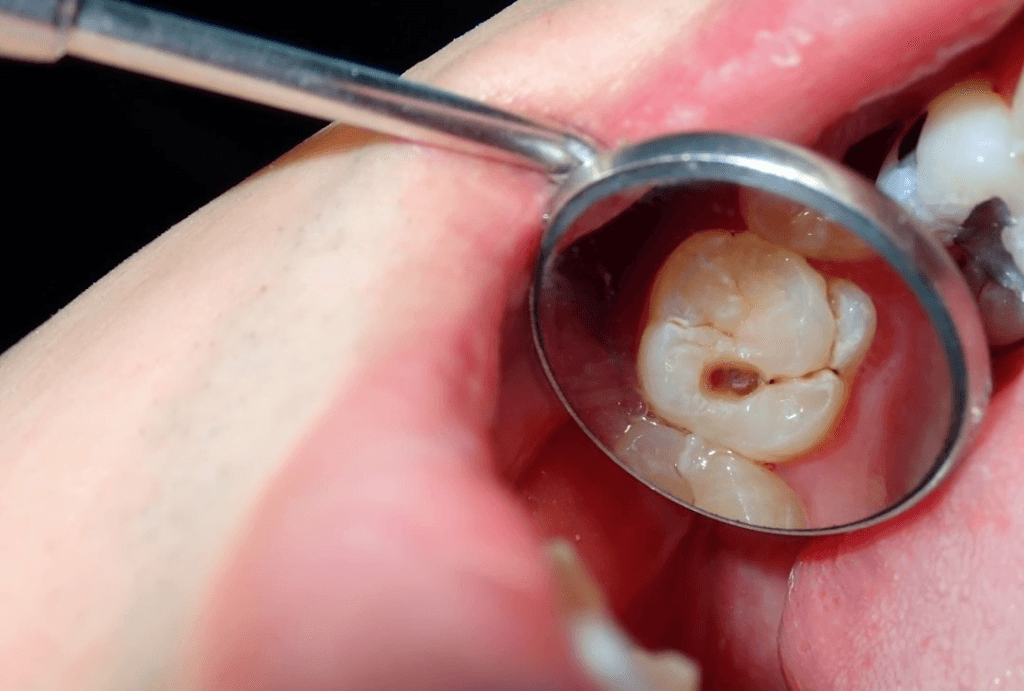
Tooth decay, often referred to as dental caries or cavities, is irreversible damage to the hard, protective outer surface of the teeth (enamel). This breakdown occurs when certain types of bacteria attack the tooth structure.The main bacteria responsible for tooth decay are known as *Streptococcus mutans*. These bacteria live in dental plaque, a sticky film that gradually builds up on the teeth. They feed on sugars and carbohydrates in the mouth and produce acids as a byproduct.These acids slowly dissolve and demineralize the enamel, leading to the formation of small holes or cavities. If the condition is left untreated, it can progress and cause more serious dental issues such as gum disease, infections, and even tooth loss.
Complications of Tooth Decay

Although tooth decay is largely preventable, it can lead to a range of complications if not treated. Some of the possible complications include:Given how serious these complications can be, it is essential to address tooth decay promptly and to adopt preventive strategies to maintain good oral health.
Ways to Prevent Tooth Decay
Maintaining good oral hygiene is critical for preventing tooth decay. The buildup of plaque and tartar creates an ideal environment for bacterial growth. Controlling this environment is the key to reducing the risk of cavities.
Home Remedies for Tooth Decay
Below are some home remedies that may help manage or reduce the risk of tooth decay. These do not replace professional dental treatment but can support overall oral health:1. Oil 2. Baking soda 3. Garlic 4. Green tea 5. Clove oil
Treatment Options for Tooth Decay
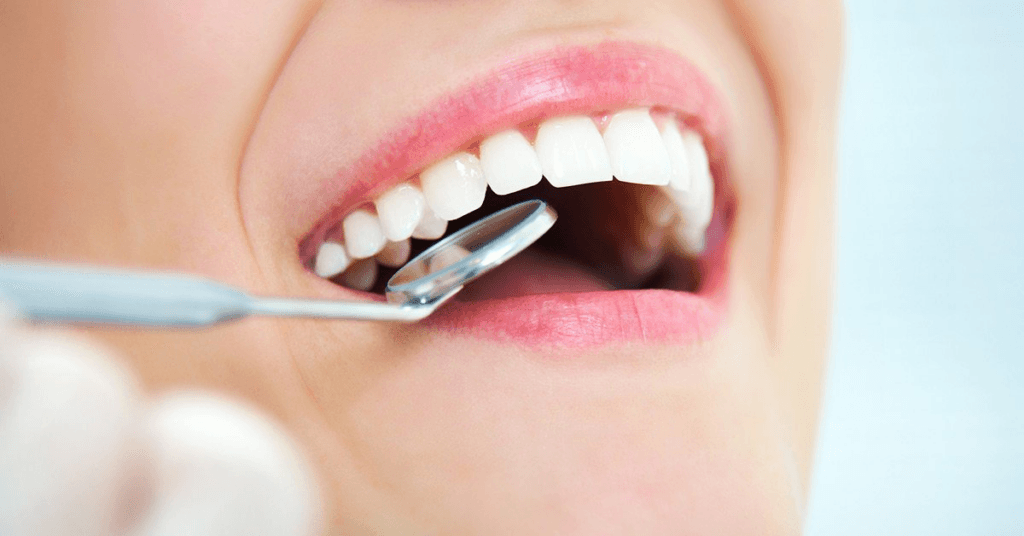
When tooth decay is detected in its early stages, dentists may recommend fluoride treatment. This can help remineralize and strengthen the enamel and, in some cases, may even reverse early damage.Regardless of the stage of tooth decay, it is crucial to seek prompt care from a dentist. Following your dentist’s instructions and keeping all recommended follow-up appointments can help prevent the condition from worsening and reduce the chances of new cavities forming.