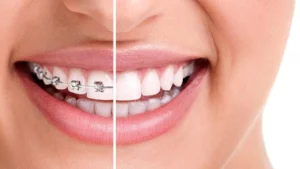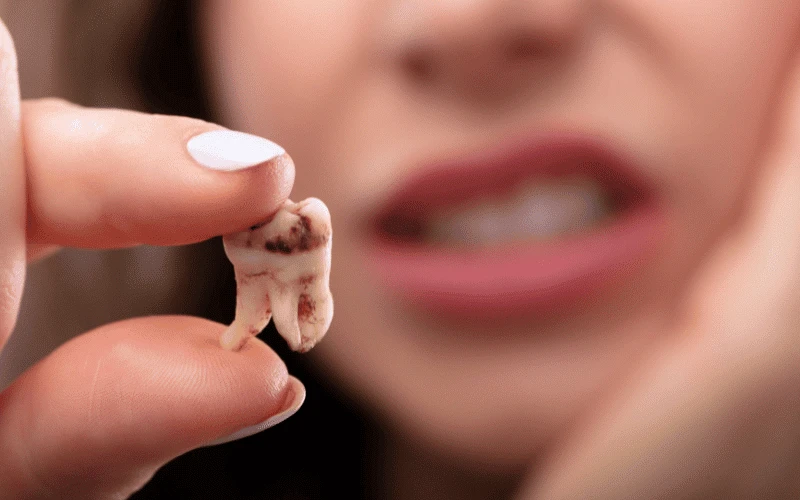
Tooth death, also known as dental necrosis, can occur due to various factors such as untreated tooth decay, gum disease, trauma, or poor oral hygiene. When the inner tissues of a tooth become infected or are damaged beyond repair, this can lead to the death of the tooth.
Table of Contents
Preventing tooth death primarily involves maintaining good oral hygiene habits—such as regular brushing and flossing—along with routine dental checkups and timely treatment of dental problems to avoid complications that can eventually result in tooth loss. By understanding the causes of tooth death and taking preventive measures, individuals can protect their oral health and preserve their natural teeth for life.
What Is Tooth Death?
Tooth death, also referred to as dental necrosis or pulpal necrosis, occurs when the pulp tissue inside a tooth dies. The dental pulp is the soft tissue in the center of the tooth that contains nerves, blood vessels, and connective tissue. When the pulp becomes damaged or infected—most often due to untreated cavities, trauma, or advanced periodontal (gum) disease—it can lead to tooth necrosis. If left untreated, this condition can cause severe pain, inflammation, and ultimately the complete death of the tooth.
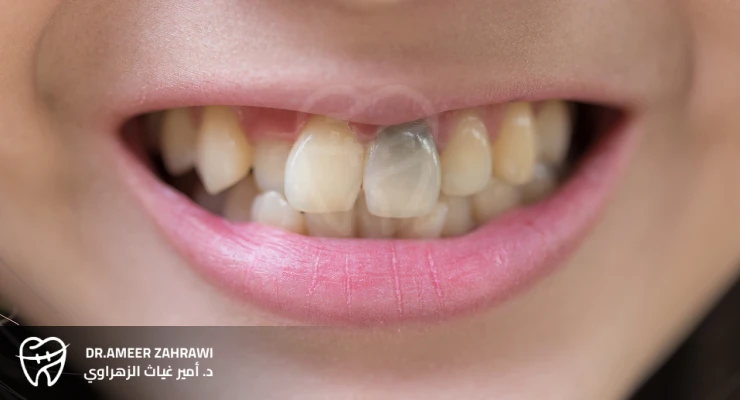
Complications and Symptoms of Tooth Death
The complications of tooth death can have far‑reaching effects on oral health and overall well‑being. Some of the potential complications include:
Causes That Lead to Tooth Death
Tooth death, or dental necrosis, can result from a variety of factors that affect the health of the tooth’s internal tissues, known as the dental pulp. Some of the most common causes include:
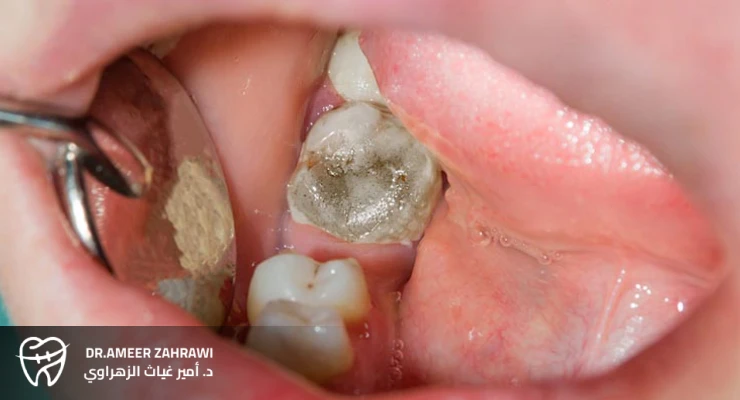
The Top 6 Habits to Prevent Tooth Death
Preventing tooth death involves following proper oral hygiene practices and seeking timely dental care to address any underlying issues. The following are some key preventive strategies:
5 Treatment Options for Tooth Death

Treatment of tooth death—also known as dental necrosis or pulpal necrosis—typically focuses on addressing the underlying cause, removing the necrotic (dead) tissue, and restoring the health and function of the tooth. The available treatment options may vary depending on the extent of the damage and the overall condition of the tooth. Below are several methods used to treat tooth death: