What Is a Tooth Abscess?
Table of Contents
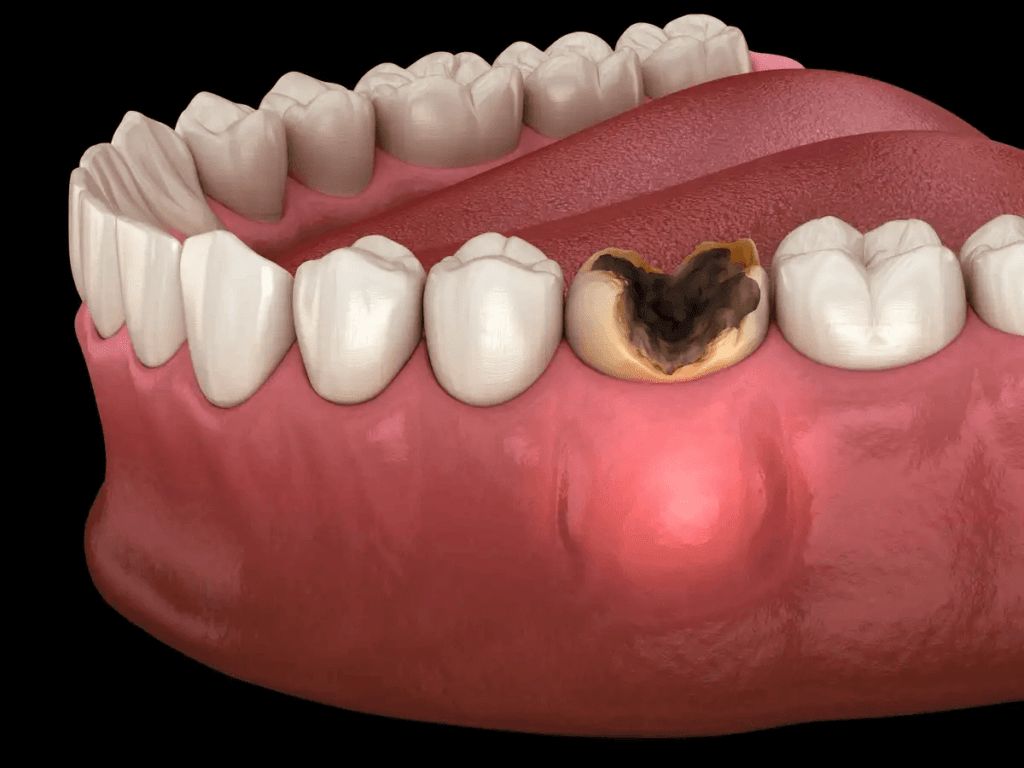
A tooth abscess develops when a bacterial infection forms beneath the gumline, either alongside the tooth or at the tip of its root. This leads to a pocket of pus that builds up over time, causing gum inflammation and often severe pain. In most cases, an abscess is the result of untreated tooth decay, but it can also follow dental trauma or previous dental work. The most common treatment involves draining the pus to remove the infection, usually followed by a prescription for antibiotics to prevent it from spreading further.
What Is Tooth Pus?
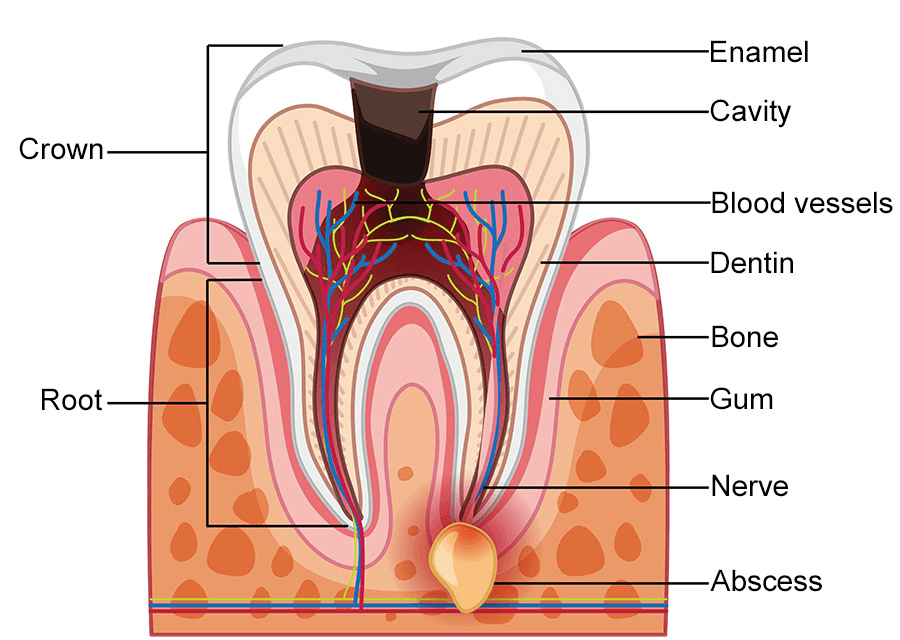
Pockets of pus can build up inside a tooth as a result of a bacterial infection, putting you at risk of what is known as a tooth abscess.This usually occurs when a person has a broken, cracked, or decayed tooth. Once the tooth is damaged, bacteria can penetrate tiny openings or cracks in the enamel and reach the inner part of the tooth, called the pulp, which contains nerves and blood vessels.The infection may then spread from the pulp to the surrounding bone that supports the tooth, to the face, and even to the eye area. Certain health conditions can also increase the risk of developing a tooth abscess, such as cancer, HIV/AIDS, or conditions that weaken tooth enamel like amelogenesis imperfecta. Regular consumption of sugary foods further raises the risk of tooth abscesses.
What Does Tooth Pus Look Like?
Types of tooth pus (tooth abscesses) are classified according to where they form in the mouth, and include:
What Is Tooth Pus Made Of?
Tooth pus, also known as a tooth abscess, is an accumulation of dead white blood cells, tissue debris, and bacteria that forms inside a tooth or the gums as a result of a bacterial infection.This infection can arise from untreated tooth decay, a cracked tooth, or gum disease. The pus is usually thick and yellowish in color, and it can cause pain, swelling, and sometimes a foul taste in the mouth.
Can Tooth Pus Harm the Stomach?
Intentionally swallowing tooth pus is not recommended because it contains harmful bacteria that may cause additional infections if they enter the digestive tract. However, accidentally swallowing small amounts usually does not cause serious problems in an otherwise healthy person, as the acidic environment of the stomach can help neutralize some of the bacteria.Still, it is essential to seek prompt dental care to treat the underlying infection that is causing the abscess to form.
Causes of Tooth Pus
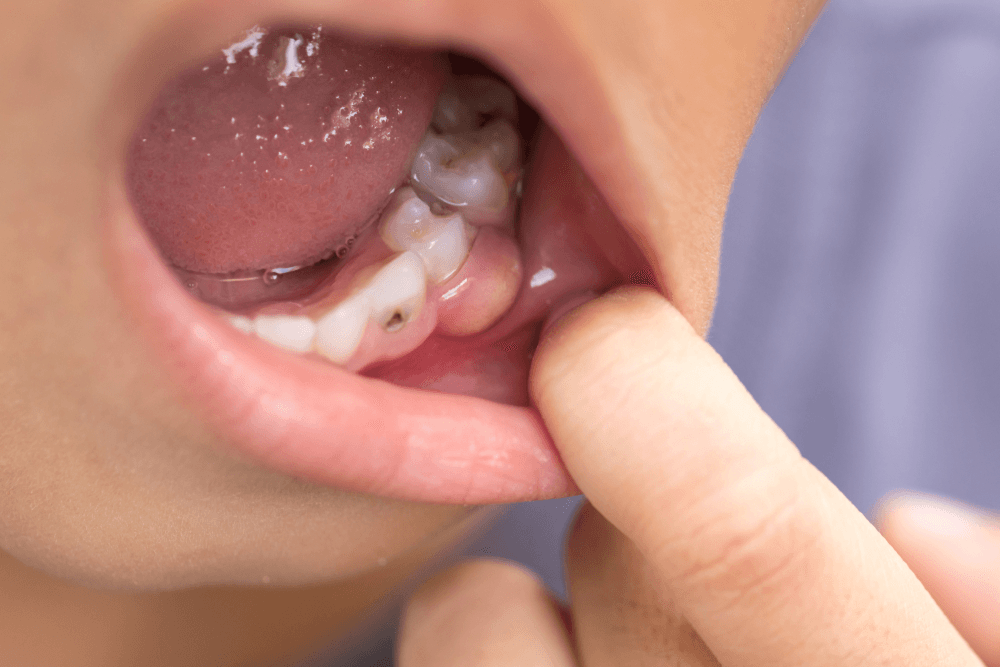
Common causes of tooth pus include:
Causes of Gum Pus
Common causes of pus in the gums include:
Where Does Tooth Pus Form?
Tooth pus generally forms at the root of the tooth, either inside the pulp chamber or at the tip of the root in an area known as the periapical region. This collection of pus is often confined within the tooth or the surrounding bone, leading to pain and swelling.
What Is the Difference Between Tooth Pus and Gum Pus?
There are several differences between pus associated with a tooth abscess and pus that forms in the gums:
Side Effects of Tooth Pus
When a tooth abscess forms, it can lead to a number of complications and side effects, such as:
Can an Infected Tooth Be Extracted?
Yes, an infected tooth can be extracted as a treatment option for a tooth abscess. Extraction is usually considered when the tooth is severely damaged by infection or trauma and cannot be saved with other dental procedures such as root canal treatment.Factors that influence the decision to extract an infected tooth include:
Treatment for Tooth Pus
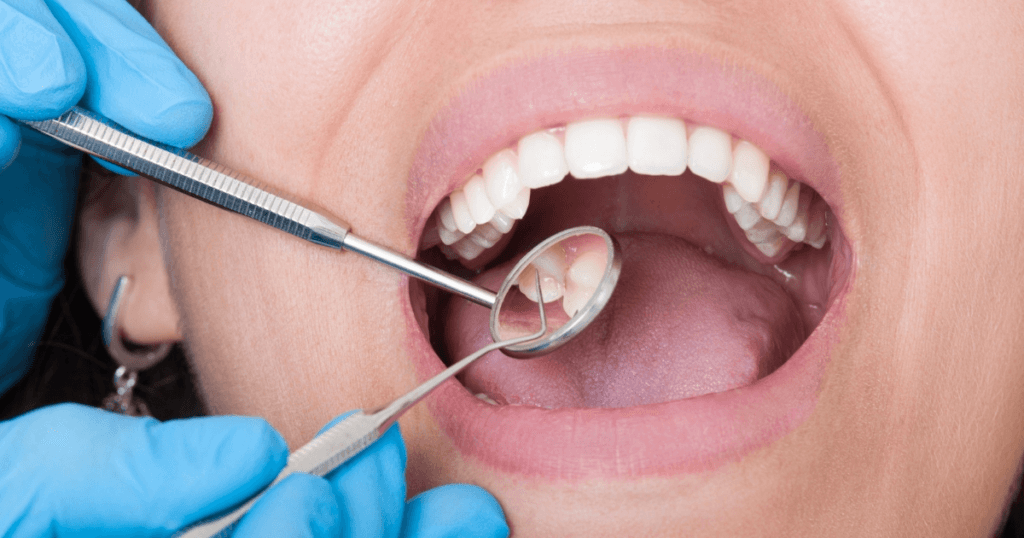
Key treatment options for tooth pus include:
Can a Tooth Be Extracted If There Is Pus Present?
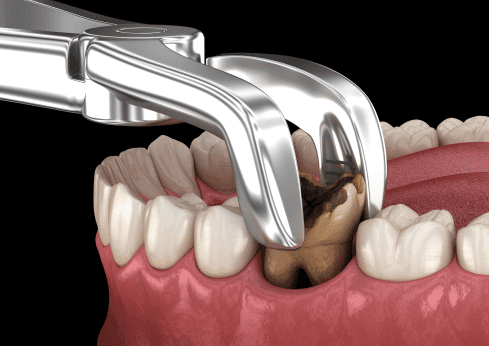
Yes, a tooth can still be extracted even if there is pus present. In cases of severe infection with significant pus buildup, extraction may be necessary to prevent the infection from spreading and to relieve symptoms.Reasons for extracting a tooth that contains pus include:
Treatment of Tooth Pus in Jeddah

Dr. Abeer provides effective, professional treatment for tooth abscesses in Jeddah, helping patients quickly relieve pain and control infection. With a strong focus on patient comfort, she offers comprehensive care aimed at addressing the root cause of the abscess and preventing further complications. By using modern techniques, Dr. Abeer ensures clean, safe procedures, whether this involves draining the abscess or prescribing the appropriate medication.