Temporomandibular joint disorder (TMJ disorder or TMD) refers to a group of conditions that affect the jaw joint and the surrounding muscles. Common manifestations of TMJ disorders include jaw pain or tenderness, difficulty chewing, facial muscle pain, clicking or popping sounds when opening or closing the mouth, and in more severe cases, jaw locking.These symptoms can vary in intensity and may be accompanied by headaches, ear pain, or neck pain. Understanding the signs of TMJ disorders is essential for timely diagnosis and effective management of this often painful and disruptive condition.
Table of Contents
What Is the Temporomandibular Joint (TMJ)?
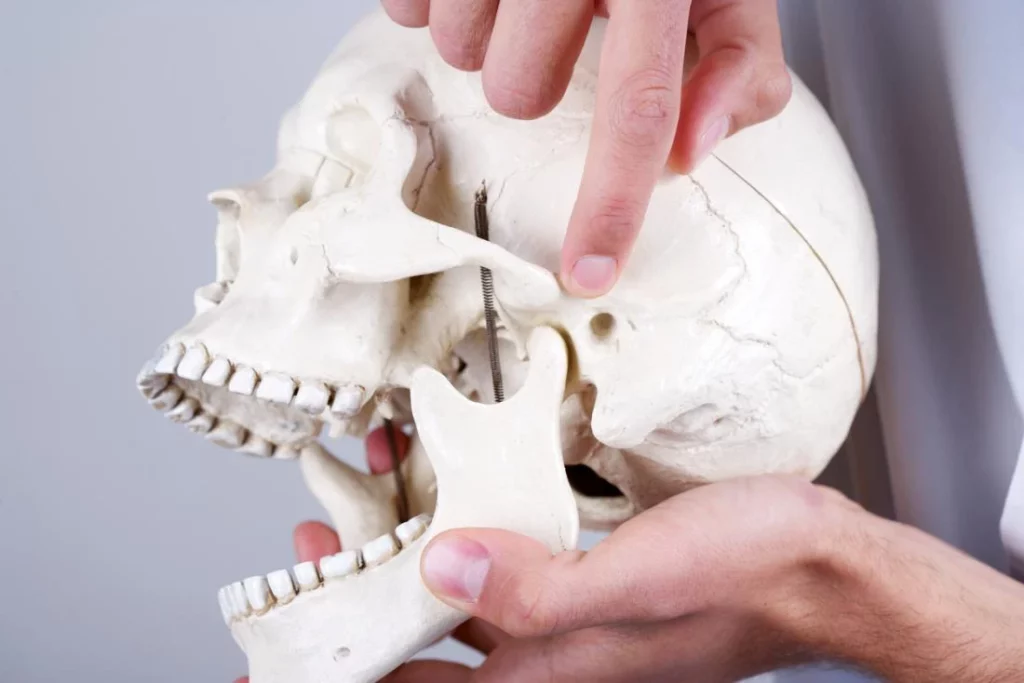
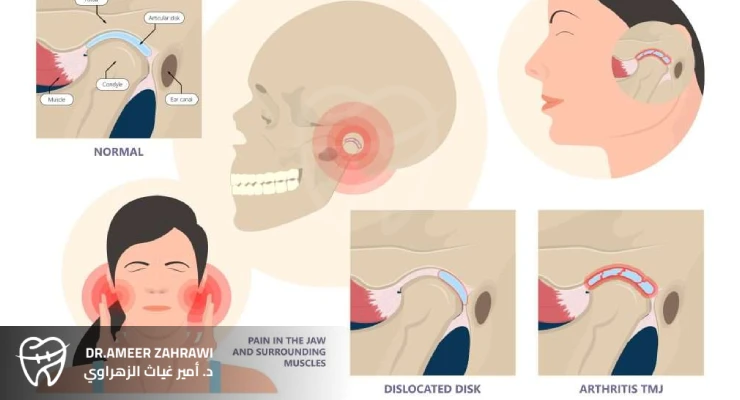
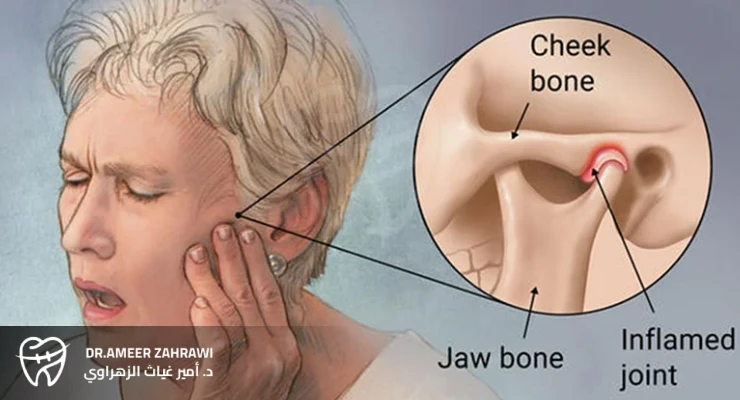
The temporomandibular joint (TMJ) is a complex joint that functions as a sliding hinge, connecting the lower jaw (mandible) to the skull. It is located just in front of each ear and allows you to move your jaw up and down and side to side, enabling essential functions such as chewing, speaking, and yawning.The TMJ is made up of the lower jawbone and the temporal bone of the skull, with a small shock-absorbing disc of cartilage between them. The joint is surrounded and supported by muscles and ligaments that help control its movement and maintain its stability.
Causes of Temporomandibular Joint Problems
Understanding the potential causes of TMJ problems can help individuals identify risk factors, seek appropriate treatment, and make lifestyle changes to manage or prevent TMJ disorders.
Complications of TMJ Problems
TMJ problems can lead to a range of complications that may significantly affect a person’s quality of life. Some of the possible complications include:
Symptoms of TMJ Problems
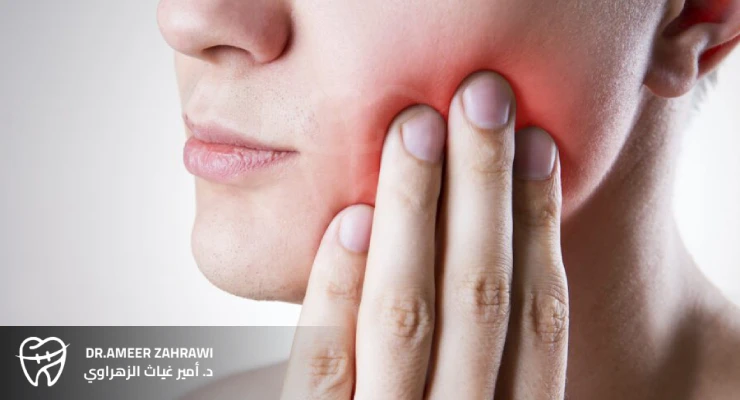
Recognizing these symptoms is crucial for the early detection and prompt treatment of TMJ disorders, which can help prevent complications and improve overall health and well-being.
Preventing TMJ Problems
Although TMJ disorders can develop from various causes, there are several strategies individuals can follow to help prevent the onset or progression of TMJ problems. Putting these preventive measures into practice can promote jaw health and reduce the risk of issues related to the temporomandibular joint:
TMJ Treatment in Jeddah

Dr. Abeer Zandaqi provides TMJ treatment in Jeddah, with a focus on relieving pain and improving jaw function. Dr. Abeer evaluates each patient individually to offer effective solutions, which may include physical therapy and medications.Her goal is to help patients regain comfort in their daily activities. Whether you are dealing with jaw pain, headaches, or other related symptoms, Dr. Abeer is dedicated to helping you find relief and enhance your quality of life.