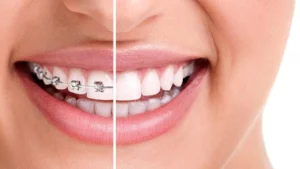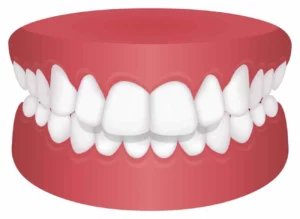
What Is a Routine Dental Checkup?
Table of Contents
A routine dental checkup is a regular visit to the dentist aimed at thoroughly assessing the health of your teeth, gums, and mouth, and detecting any problems early before they develop into more serious conditions. During a standard dental exam, the dentist checks for cavities, monitors gum health, identifies inflammation or tartar buildup, and evaluates how well your teeth and jaws fit together (your bite).A routine checkup may also include dental X‑rays when needed, to ensure there are no hidden cavities or issues in the tooth roots or supporting bone. Sticking to regular checkups every six months helps prevent gum disease, maintain a healthy smile, and reduce the need for complex and costly treatments in the future.This exam is a core part of proper oral care and is recommended for all age groups, including children and older adults.
How Often Should You Have a Routine Dental Checkup?
Most dentists recommend having a routine dental checkup every six months to detect tooth decay and gum disease early, remove tartar, and prevent problems from getting worse. However, some people may need to see the dentist every 3–4 months, especially patients with diabetes, smokers, those with recurrent gum inflammation, or people with a complex dental history.Regular checkups help monitor overall oral health, assess fillings and crowns, and detect any infections or sores at an early stage, which can help avoid complicated and expensive treatments later on. Talk to your dentist to determine the ideal checkup frequency for your specific situation; visit schedules can vary from person to person depending on daily oral hygiene, diet, and genetic factors.Keeping up with your routine dental appointments is one of the most important preventive steps you can take. It protects your smile, keeps your breath fresher, and improves your overall quality of life.
The Importance of Routine Checkups in Detecting Cavities Early
Routine dental checkups are crucial for identifying tooth decay in its early stages, before it turns into severe pain or requires major procedures such as root canal treatment or tooth extraction. During your regular visit, the dentist carefully examines your teeth and gums using clinical instruments and dental X‑rays, which helps reveal hidden decay between teeth or underneath existing fillings that can’t be seen with the naked eye.Early detection allows the dentist to remove the decayed portion and restore the tooth with a simple filling, preserving as much natural tooth structure as possible and reducing the chance of decay spreading to neighboring teeth. Regular checkups also help evaluate your oral hygiene and identify risk factors for cavities, such as plaque and tartar buildup or poor dietary habits, then provide personalized prevention advice.Seeing your dentist regularly—about every six months or as recommended—is a real investment in your oral health and an effective way to prevent tooth decay and its long‑term complications.
The Role of Routine Checkups in Preventing Gum Disease
Routine dental checkups are a key step in preventing gum disease before it progresses and leads to complications such as gum recession or tooth loss. During your regular visit, the dentist carefully examines your gums to detect early signs of gingivitis, such as redness, swelling, bleeding when brushing, and tartar or plaque buildup around the teeth.This helps diagnose gum problems in their initial stages, when they are easier to treat with professional deep cleaning (scaling and root planing), polishing the tooth roots, and giving tailored instructions for daily oral care. Routine checkups also allow the dentist to assess individual risk factors such as smoking, diabetes, and poor oral hygiene, and to design a customized prevention plan for each patient.Visiting your dentist every six months significantly reduces the risk of early gingivitis progressing to chronic periodontitis or loss of supporting bone, and helps maintain long‑term oral health. In this way, routine dental checkups become an effective tool not only for detecting gum disease, but also for preventing it and slowing its progression.
How Do Routine Checkups Help Maintain Crowns and Veneers?
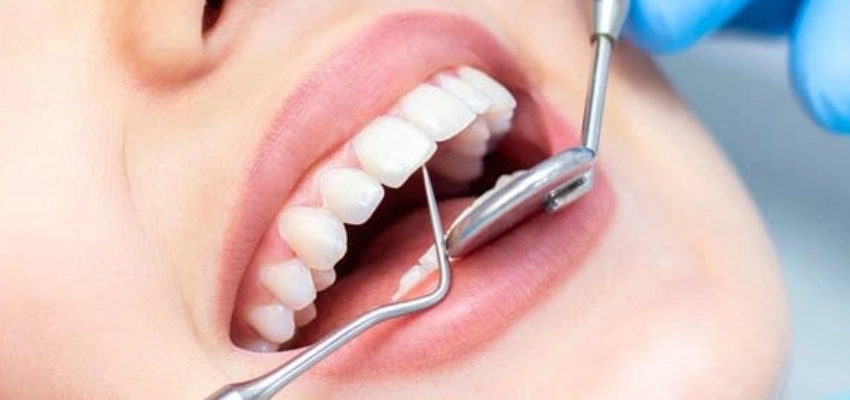
Routine dental checkups play a direct role in keeping fixed restorations and veneers in good condition for as long as possible. During these visits, the dentist can check the stability of crowns and porcelain veneers and make sure there are no hidden cavities along the margins of the veneers or underneath the restorations. Regular exams also help identify fine cracks or wear in the ceramic layer before they worsen and cause veneer fracture or loss of the restoration.In addition, professional cleaning during these visits removes plaque and tartar deposits around restorations, which protects the gums from inflammation and helps maintain the stability of veneers and the overall esthetic appearance of your smile. Staying consistent with routine dental checkups, along with proper at‑home care, is one of the most important factors in preserving gum health, protecting fixed restorations, and keeping veneers bright, strong, and natural‑looking for many years.
Routine Checkups for Children: The Foundation of a Healthy Smile
Routine dental checkups for children are the first step in building a healthy smile that lasts a lifetime. Early detection of tooth decay and problems related to jaw and tooth development makes it possible to treat them at an early stage, before they progress into more complex and costly issues.Dentists recommend starting regular dental visits as soon as the first baby tooth erupts, then continuing with checkups every six months to monitor gum health, remove tartar, and apply preventive fluoride treatments when needed. Routine checkups for children also help teach them the correct brushing technique, how to choose an age‑appropriate toothbrush and toothpaste, and encourage healthy eating habits that lower the risk of cavities, such as reducing sugary foods and soft drinks.Regular follow‑up also allows the dentist to spot early crowding or misalignment, which improves the chances of successful orthodontic treatment later and can shorten the treatment time. Committing to routine dental checkups during childhood not only protects the child’s teeth in the present, but also builds a long‑term culture of good oral hygiene and gives the child greater confidence in their smile.
What to Expect During a Routine Dental Checkup
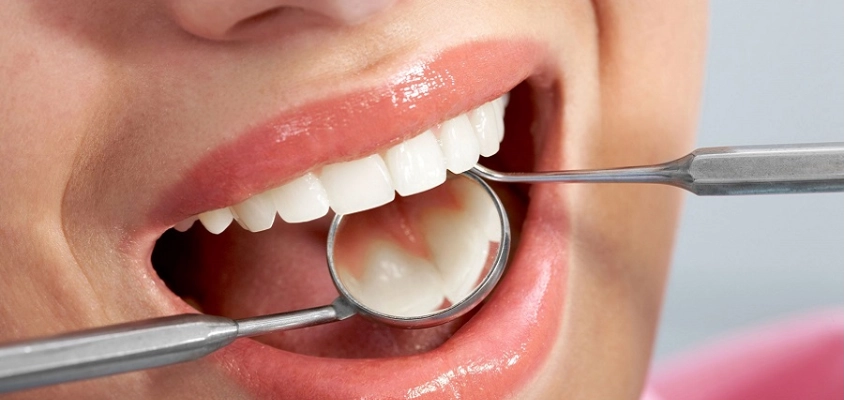
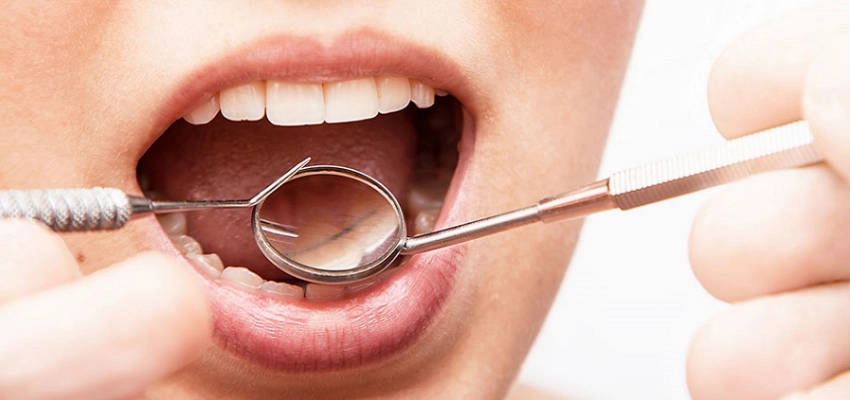
During a routine dental checkup, your dentist will usually begin by reviewing your medical history and updating any information about medications or chronic conditions to ensure that your treatment plan is safe and appropriate. Next, a comprehensive clinical examination of the mouth is performed, including the teeth, gums, tongue, inside of the cheeks, and the roof of the mouth, to detect early signs of cavities, gum disease, or potential signs of oral cancer.The dentist typically uses a small mirror and special dental probes to check the condition of the enamel, as well as the status of any fillings, crowns, or bridges you may have. Digital X‑rays may be ordered if needed, especially during the yearly comprehensive exam, to detect hidden decay between teeth or under fillings and to assess the health of the supporting bone.The checkup also includes evaluating plaque and tartar buildup and assessing your bite (how your upper and lower teeth come together) to identify any temporomandibular joint (TMJ) issues or signs of tooth wear.At the end of the visit, the dentist will give you personalized instructions for daily care of your teeth and gums and schedule any necessary professional cleanings or preventive treatments, such as fluoride applications or sealants for pits and fissures. This makes the routine dental checkup a fundamental step in maintaining long‑term oral health.
Dr. Ameer Ghayath’s Services for Routine Checkups and Oral Health Maintenance
Dr. Ameer Ghayath offers a comprehensive range of routine dental checkup services designed to prevent tooth decay and gum disease early and maintain a healthy, attractive smile. These services include a detailed clinical examination of the teeth, gums, and surrounding tissues, supported by dental X‑rays when needed to detect hidden problems before they worsen.Dr. Ghayath also provides professional teeth cleaning to remove plaque and tartar deposits that a regular toothbrush cannot eliminate, followed by polishing to reduce surface staining and enhance the appearance of your teeth. He then develops an individualized preventive treatment plan for each patient, including daily oral care instructions, dietary advice, and scheduling appropriate follow‑up visits.These services are designed to promote long‑term oral and dental health, reduce the need for complex and costly treatments, and adhere to the highest standards of infection control and quality in modern dentistry.
Frequently Asked Questions About Routine Dental Checkups
Are routine dental checkups necessary even if I don’t feel any pain?
Yes. Many dental problems—such as early tooth decay or gingivitis—may not cause pain at first. Routine checkups help detect these issues early, before they progress and require more complex treatment.
Does a routine checkup include tartar (calculus) removal?
In most cases, a routine checkup includes assessing plaque and tartar buildup. Your dentist may recommend a professional cleaning during the same visit or shortly after to help keep your teeth and gums healthy.
Do children need routine dental checkups?
Absolutely. It’s recommended to start checkups when the first baby tooth appears and to continue every six months to monitor tooth development, prevent cavities, and detect any problems early.
Can a routine checkup reveal problems that are not visible?
Yes. Through a clinical exam and X‑rays, the dentist can detect hidden cavities, gum infections, problems in the tooth roots or jawbone, and even early signs of certain oral diseases.
What happens if I skip routine checkups for a long time?

Unnoticed issues like cavities or gum disease can build up and progress into more serious conditions, increasing the likelihood that you’ll need expensive and invasive treatments such as root canals, extractions, or dental restorations.