Root Canal Treatment
Table of Contents
Root canal treatment is one of the dental procedures many patients worry about the most. However, it’s important to know that when it’s done properly, it’s usually no more difficult or painful than other routine dental treatments.Many patients ask: What is a root canal? Why do I need a root canal? How do I know if I need one? What exactly happens during the procedure? To answer these questions and more, here is a clear, step‑by‑step guide to root canal treatment.
What Is Root Canal Treatment?
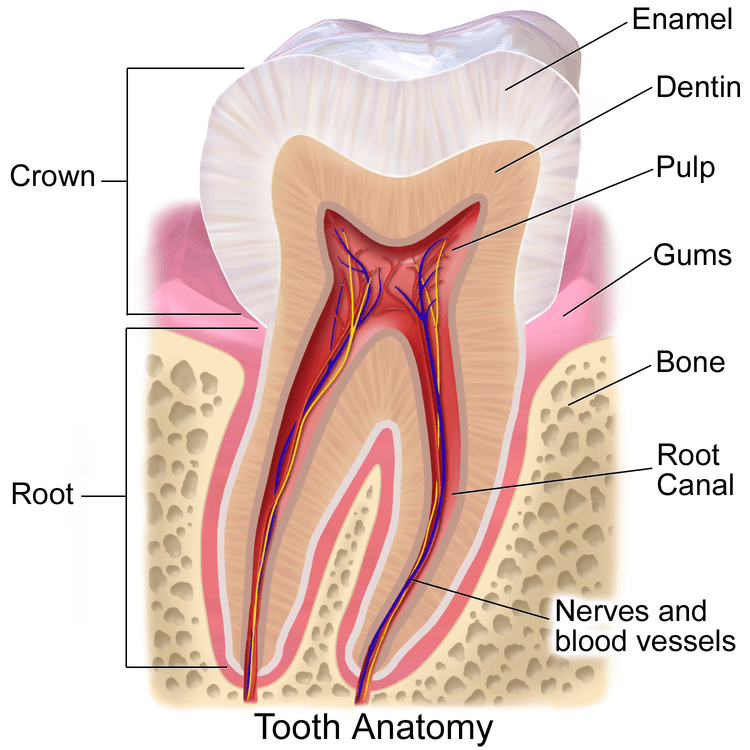
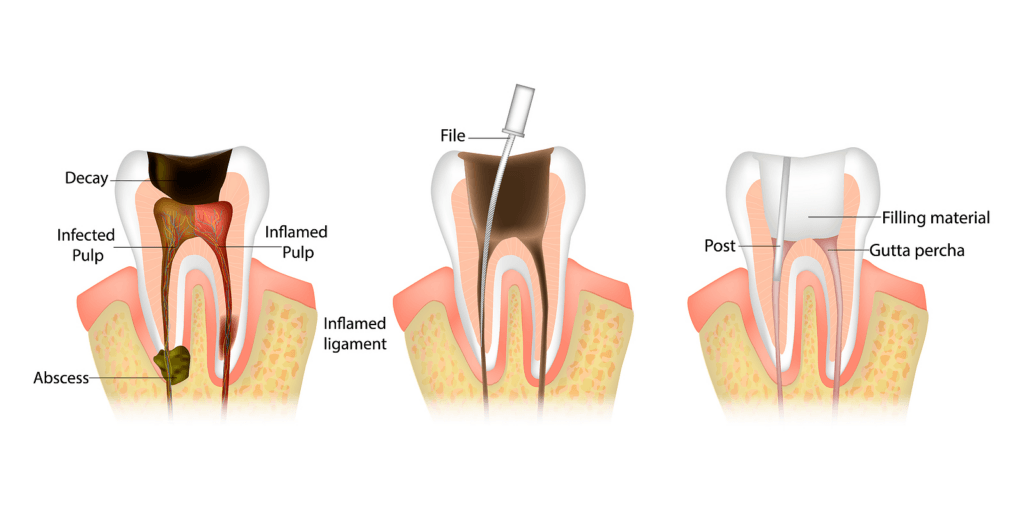
Root canal treatment (endodontic therapy) is a dental procedure that’s needed when a tooth is badly decayed and the dental pulp and root canals become infected. The procedure involves cleaning out the infected pulp tissue and root canals, disinfecting them with medications, and then sealing them with a root canal filling material.Without treatment, the blood vessels and nerves inside the tooth can become severely infected, leading to pus formation and a dental abscess. After a root canal, your dentist will often recommend placing a dental crown on the tooth to give it maximum strength and long‑term protection.
How Is a Root Canal Done?
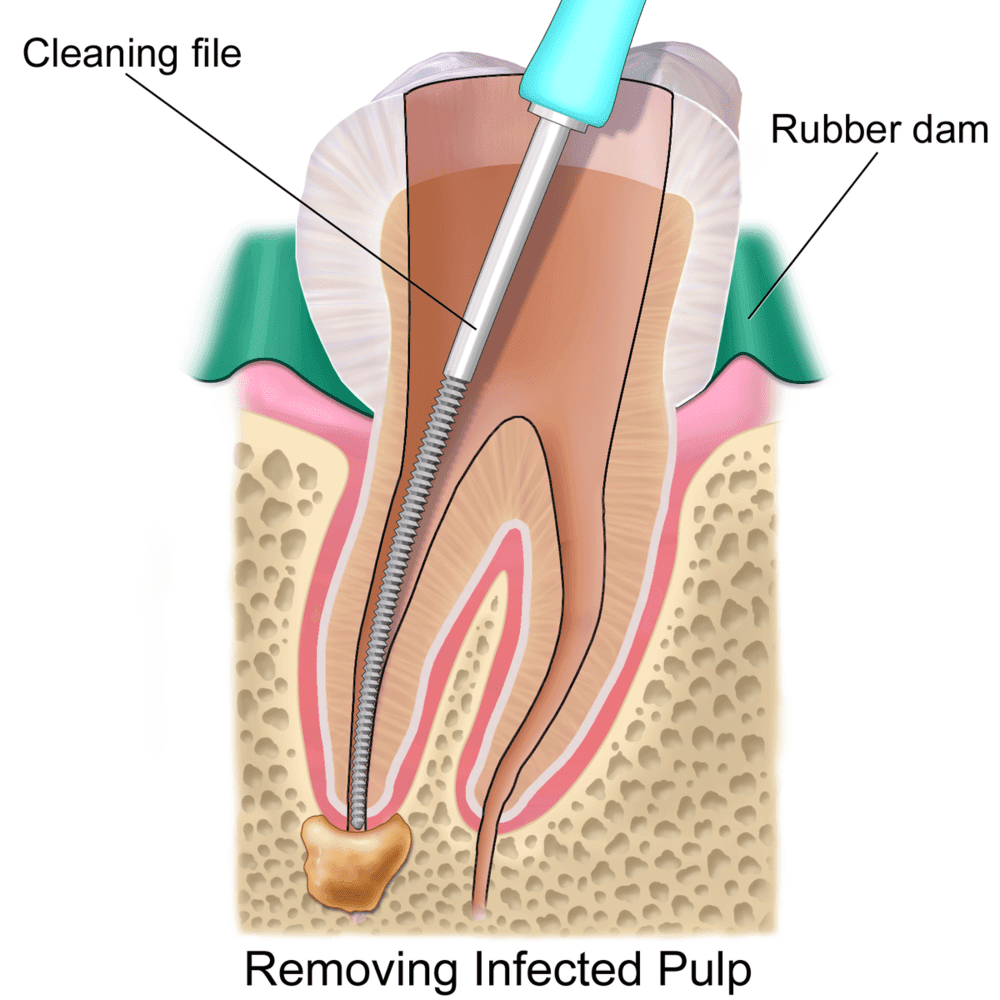
Root canal treatment may require one or more visits to the dentist. A general dentist or an endodontist (a root canal specialist) will perform the necessary steps to save your tooth, which typically include:– Numbing the tooth and surrounding area with local anesthesia – Placing a rubber dam to keep the tooth dry and free of saliva – Opening the top of the tooth to access the pulp chamber and root canals – Removing the infected or dead pulp from inside the canals – Cleaning, shaping, and disinfecting the canals with special instruments and solutions – Filling the canals with a biocompatible material (usually gutta‑percha) – Sealing the tooth with a temporary or permanent filling, followed by a crown when needed
Why Is Root Canal Treatment Done?
You may need a root canal if the dental pulp is damaged or infected in one or more roots of your tooth, or if an abscess has formed. This damage or infection can be caused by untreated tooth decay, decay under an existing filling, a cracked or broken tooth, teeth grinding (bruxism), or advanced gum disease.
How Long Does a Root Canal Take?
The length of a root canal procedure can vary depending on several factors, including how complex the case is, which tooth is being treated, how many canals the tooth has, and the dentist’s experience. On average, root canal treatment usually takes one to two appointments to complete.Each visit typically lasts about 60 to 90 minutes. It’s important to follow your dentist’s post‑treatment instructions carefully to ensure proper healing and the long‑term success of the root canal.
Benefits of Root Canal Treatment
Although root canal treatment is often associated with discomfort, it actually provides several important benefits. Some of the key advantages include:– Relieving pain caused by pulp infection or abscess – Saving the natural tooth and avoiding extraction – Restoring normal chewing and biting function – Preventing the spread of infection to surrounding teeth and tissues – Helping maintain jawbone health by keeping the natural tooth in place
Side Effects of Root Canal Treatment
There are no true long‑term side effects other than the tooth feeling slightly different because the nerve has been removed. A common myth is that you should avoid root canals because they “trap” harmful infection inside your mouth. This is not true. There is no scientific evidence showing harmful systemic side effects from properly performed root canal therapy.It’s important to understand that after a root canal, the nerve inside that tooth is no longer present, so the tooth will no longer respond to hot and cold sensitivity in the way a vital tooth does.
Preventing Root Canal Problems


Preventing root problems is essential for maintaining good oral health and avoiding conditions such as root decay, infections, and gum disease. Here are some tips to help prevent issues that may lead to the need for a root canal:– Brush twice daily with fluoride toothpaste and floss every day – Visit your dentist regularly for checkups and professional cleanings – Treat cavities early before they reach the pulp – Replace worn or leaking fillings promptly – Wear a mouthguard if you grind your teeth or play contact sports – Avoid excessive sugar and acidic foods or drinks that promote decay – Maintain good gum health to protect the roots and supporting bone