What Causes the Loss of Front Teeth?
Table of Contents
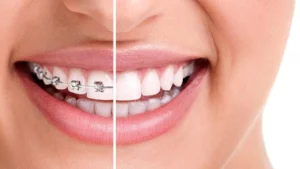
The reasons behind losing front teeth range from medical conditions to harmful daily habits that weaken teeth and their supporting structures. Deep tooth decay and pulp infections are among the most common causes. When advanced decay is left untreated, it destroys the internal structure of the tooth, often making extraction necessary. Chronic gum diseases such as gingivitis and periodontitis can also lead to loss of front teeth by causing bone loss around the tooth roots, which results in loosening and eventual tooth loss over time.Trauma and direct injuries to the mouth or face—especially during sports or traffic accidents—are also major causes of sudden fracture or avulsion of front teeth. In addition, smoking, poor nutrition, and deficiencies in calcium and vitamin D can weaken the jawbone and gums, increasing the risk of tooth loss.Harmful habits such as using your teeth to open packages or exposing them to excessive pressure from nighttime teeth grinding (bruxism) can lead to cracks or fractures in the front teeth.Understanding these causes helps with early prevention and maintaining a natural smile, and also guides patients in choosing the best treatment options to replace missing front teeth and restore both appearance and function effectively.
The Impact of Losing Front Teeth on Confidence and Appearance
Losing front teeth is one of the dental issues that most directly affects self-confidence and how a person feels about their appearance. Front teeth are the most visible part of the smile, and any gap or fracture in this area can make a person hesitant to talk, laugh, or even take photos.Many patients describe feeling socially embarrassed and avoiding social gatherings because of the way their front teeth look, which can negatively affect relationships and even job opportunities. From an aesthetic standpoint, losing front teeth can change facial features and lip support, and the mouth may appear sunken or asymmetrical—especially if the missing tooth is not replaced for a long time. Speech can also be affected, particularly the pronunciation of certain sounds, which adds to discomfort when speaking.For these reasons, restoring the smile after losing front teeth is not just a cosmetic step; it is essential for rebuilding self-confidence, improving appearance, and supporting social interaction. Modern treatment options such as dental implants, fixed bridges, and cosmetic restorations can successfully bring back a natural-looking smile.
Available Treatment Options
There are several options to restore your smile after losing front teeth, including dental implants, fixed bridges, and cosmetic dental restorations. The choice depends on bone quality and quantity, gum health, and the condition and position of the neighboring teeth.Front tooth implants are considered one of the most advanced solutions. A titanium implant is placed into the jawbone to act as an artificial root that supports a fixed crown designed to look and function like a natural tooth. This helps restore chewing ability, speech, and confidence, while preserving the adjacent teeth.Fixed bridges replace the missing tooth with an artificial tooth (pontic) that is attached to crowns placed on the neighboring teeth after they are reshaped. This option is usually faster and less expensive than implants, but it does require preparation of healthy adjacent teeth.Cosmetic options such as veneers and composite restorations are ideal when part of the front tooth is broken or worn but not completely lost. These treatments restore the tooth’s shape, color, and harmony within the smile.Your dentist will help you choose the best treatment for your case after a thorough clinical examination and radiographic evaluation, to ensure a safe, effective, and long-lasting restoration of your front teeth.Read more: Everything You Need to Know About Front Tooth Restorations: Types, Benefits, and Costs
Dental Veneers (Veneers) as a Solution to Enhance the Smile
Dental veneers are among the most popular and effective options for improving the smile after replacing or implanting missing front teeth. They are used to correct discoloration, shape irregularities, and spacing between front teeth, giving them a natural, well-aligned appearance.Veneers are usually made from high-quality porcelain or composite resin materials and are bonded to the front surface of the implant crown or the natural neighboring teeth. This helps restore tooth form, alignment, and overall smile harmony with the facial features.Veneers can correct severe tooth discoloration, worn edges, minor fractures, and improve the appearance of short or uneven teeth—often without excessive removal of tooth enamel in many cases.When planning to restore the smile after front tooth loss, the dentist coordinates between implant or bridge treatment and the design of the veneers to ensure that the color and shape match between the artificial restorations and the natural teeth, resulting in a balanced, natural-looking smile. With proper care and good oral hygiene, veneers can last for many years, making them a reliable cosmetic option to restore self-confidence and enhance the appearance of front teeth after tooth loss.
Treatment Steps: From Diagnosis to Final Restoration
The journey to restoring your smile after losing front teeth begins with a visit to the dentist for a thorough clinical examination and radiographic imaging to evaluate gum and bone health and determine the most appropriate treatment options, such as dental implants, fixed bridges, or other fixed restorations.After diagnosis and development of an individualized treatment plan, the area is prepared by removing any remaining root fragments and treating any gum infections, ensuring a healthy foundation before placing restorations. In the case of front tooth implants, the implant fixture is placed into the jawbone to replace the tooth root and left for a healing period to allow for complete osseointegration, which provides strong support for the final crown.Accurate impressions of the teeth and jaws are then taken using conventional or digital techniques, to fabricate a cosmetic restoration that matches your natural front teeth in color, size, and alignment. At the final visit, the restoration is tried in and carefully adjusted for optimal comfort and aesthetics, then permanently cemented or attached. The patient is then given detailed instructions on daily care to maintain the stability of the implant, bridge, or fixed restoration and to ensure a bright, long-lasting smile.
Treatment Time and Recovery After Replacing Front Teeth
The duration of treatment and recovery after replacing front teeth varies depending on the type of restoration used—such as front tooth implants, bridges, or veneers—but it generally follows well-planned stages to ensure a stable and natural-looking result.For front tooth implants, the treatment period may range from 3 to 6 months, including the time needed for the bone to heal and integrate around the implant (osseointegration) before placing the final crown. In contrast, recovery after simpler procedures such as composite fillings or veneers is much shorter and may not exceed a few days, provided the patient follows the dentist’s instructions.During the recovery period after front tooth restoration, patients are usually advised to follow a soft diet for the first few days and avoid biting into hard foods directly with the restored teeth. Good oral hygiene is essential, including regular brushing, flossing, and use of mouthwash as recommended by the dentist.Keeping regular follow-up appointments helps maintain both the functional and aesthetic results, reduces the risk of complications, and preserves the health of the gums and supporting bone around the restored front teeth in the long term.
Tips to Keep Your New Teeth Lasting as Long as Possible
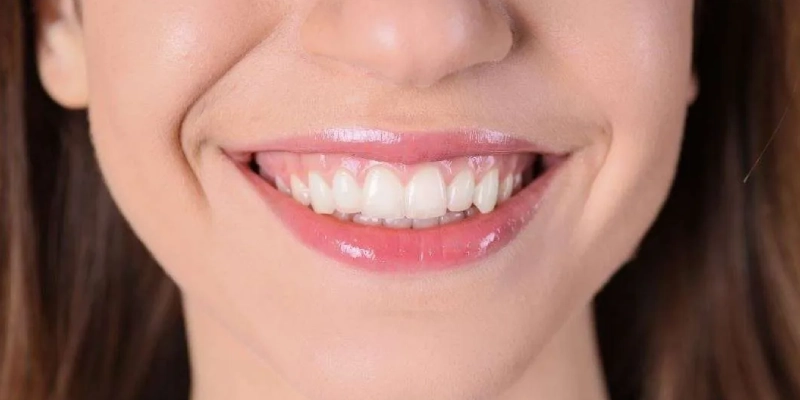
To keep your new teeth in good condition for as long as possible after restoring your front smile, it is crucial to follow a strict oral care routine. This includes brushing twice daily with a fluoride toothpaste and using dental floss or interdental brushes to remove food debris and plaque in hard-to-reach areas, especially around crowns, bridges, and implants.Avoid biting on very hard foods such as ice and hard nuts, and never use your front teeth to open packages, as this can cause cracks or fractures in cosmetic restorations or crowns.Limiting sugary foods, carbonated drinks, and highly acidic foods helps protect natural teeth and the structures supporting your new teeth from decay and erosion. Drinking adequate water helps maintain oral moisture and reduces bacterial buildup.It is also advisable to quit smoking, as it reduces blood flow to the gums, increases the risk of gum disease and implant failure, and can cause discoloration of the new front teeth. Regular dental checkups every six months are essential to evaluate the stability of the restorations, perform professional cleanings, and correct any bite problems or excessive tooth wear before they worsen.If you have front tooth implants or fixed restorations, follow your dentist’s specific instructions for the type of restoration you have, and use a night guard if you suffer from bruxism (teeth grinding) to protect your new teeth and maintain a stable, bright smile for many years.
Learn About Dr. Abeer’s Services for Restoring Your Smile After Losing Front Teeth
Dr. Abeer offers a comprehensive range of cosmetic and restorative treatments for front teeth, aimed at restoring a natural smile and closing gaps from missing teeth with high precision and excellent aesthetics.Through front tooth implants using safe, biocompatible titanium fixtures and high-quality ceramic crowns and bridges that closely resemble natural teeth in color and shape, she rebuilds missing teeth in a stable and functional way.She also provides cosmetic solutions such as dental veneers and treatments to correct the color and shape of the remaining front teeth, to ensure a harmonious smile and an overall improvement in the appearance of the mouth.Dr. Abeer relies on accurate diagnosis using 3D imaging technologies and tailors an individualized treatment plan for each case, taking into account the general health of the gums and jawbone. This comprehensive approach helps restore self-confidence and improve speech and chewing function in addition to aesthetics.With this integrated treatment system, restoring your smile after losing front teeth becomes a safe medical experience with long-lasting results.
Frequently Asked Questions About Front Tooth Loss and Its Treatment
Can missing front teeth be replaced so they look completely natural?
Yes. Thanks to modern techniques such as dental implants and all-ceramic crowns, it is possible to restore the shape, color, and function of a front tooth so that it looks and feels very similar to a natural tooth in both appearance and stability.
What is the best option to replace missing front teeth: implants or a bridge?
It depends on the condition of your jawbone and adjacent teeth. Implants are generally the best option when there is sufficient bone, because they do not affect neighboring teeth and tend to last longer. A fixed bridge can be a faster and more affordable solution in some cases.
Does losing front teeth affect speech and chewing?
Yes. Missing front teeth can make it difficult to pronounce certain sounds clearly and can reduce your ability to bite into foods properly. Early treatment is recommended to maintain normal oral function.
How long does treatment for missing front teeth take?
The time frame varies by treatment. Dental implants may take 3 to 6 months until the final crown is placed, while bridges and cosmetic restorations can often be completed within a few weeks.
How can I take care of my front teeth after they are restored?

Maintain daily brushing, use dental floss, avoid biting hard foods, quit smoking, and keep regular dental checkups. These measures help preserve the stability and appearance of your restored front teeth for as long as possible.