What Are Mouth Ulcers and What Do They Look Like?
Table of Contents
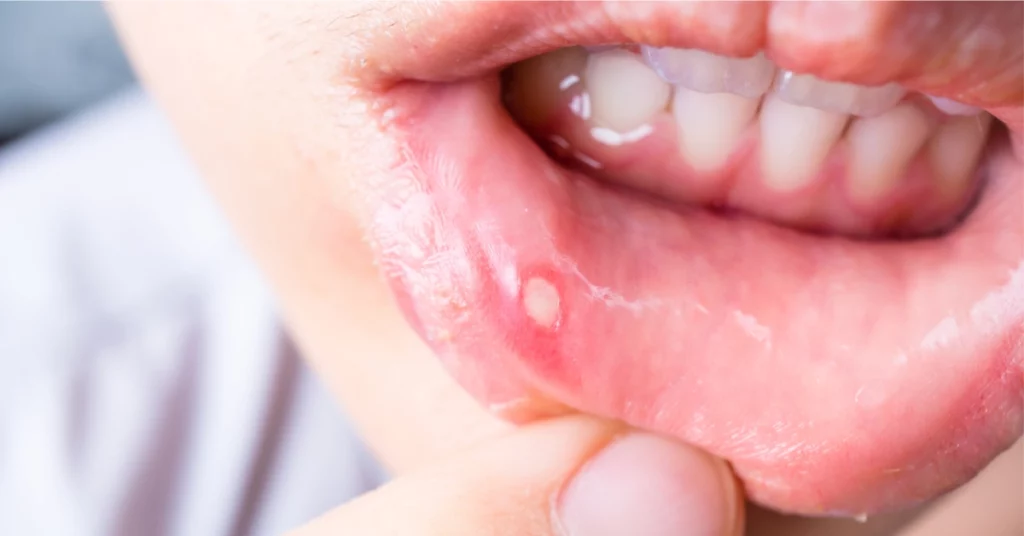
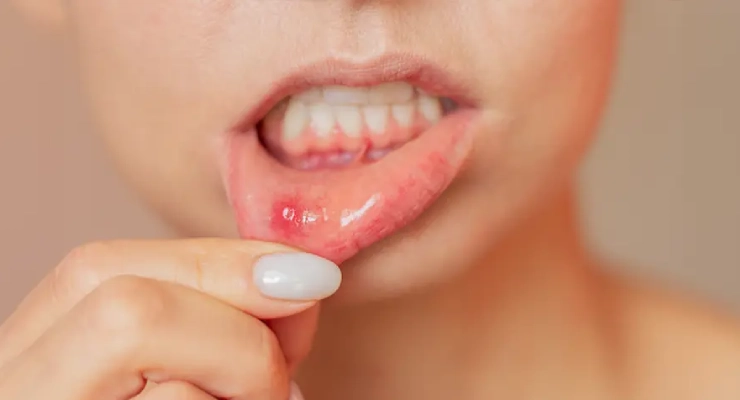
Mouth ulcers are small, shallow sores that form inside the mouth, most commonly on the tongue, gums, inner cheeks, or the roof of the mouth. They cause noticeable pain, especially when eating, drinking, or talking. Typically, mouth ulcers appear whitish or yellowish in the center with a red, inflamed border. They may occur as a single sore or multiple lesions and can range in size from tiny spots to relatively larger ulcers.These ulcers can be superficial, often called minor oral ulcers, or deeper and slower to heal. They are commonly known as “canker sores” or “aphthous ulcers.”Non-infectious mouth ulcers are not contagious and do not spread from person to person. However, they can recur frequently, especially in individuals with weakened immunity, high stress levels, or certain vitamin deficiencies. Recognizing how mouth ulcers look and where they commonly appear helps distinguish them from other, more serious oral conditions. This makes it easier to choose the right treatment and know when it’s time to see a specialist.
Common Causes of Recurrent Mouth Ulcers
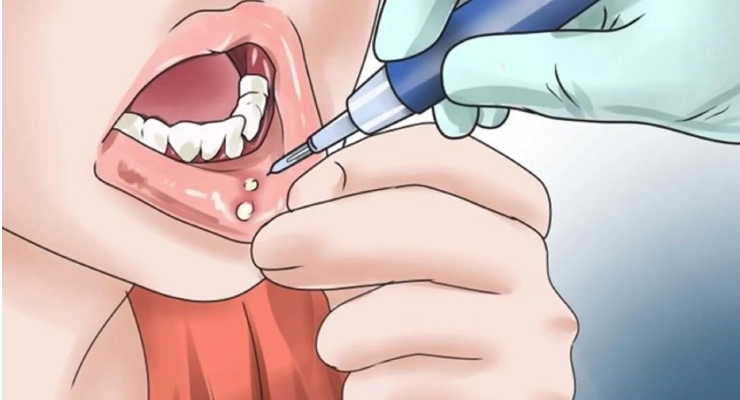
Recurrent mouth ulcers usually result from a combination of factors. A weakened immune system or ongoing psychological stress can reduce the body’s ability to fight inflammation in the mouth. Genetics also play a significant role, as people with a family history of recurrent mouth ulcers are more likely to develop them. Hormonal changes, particularly in women, can trigger repeated episodes, for example around menstruation or during pregnancy.Deficiencies in certain vitamins and nutrients—such as vitamin B12, folic acid, and iron—can make the oral mucosa more fragile and prone to ulceration. Minor trauma inside the mouth is another common cause, including accidentally biting the cheek or tongue, friction from sharp or broken teeth, or poorly fitting dental appliances.Certain foods may trigger or worsen recurrent ulcers, including very acidic or spicy foods. Smoking, as well as suddenly quitting smoking, can also be contributing factors.In some cases, chronic mouth ulcers are linked to systemic diseases, such as autoimmune gastrointestinal disorders or inflammatory bowel diseases. These situations require medical evaluation to reach an accurate diagnosis and treat the underlying cause of the ulcers rather than just the symptoms.
Risk Factors That Increase the Likelihood of Mouth Ulcers
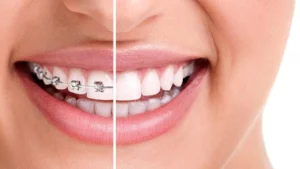
The likelihood of developing mouth ulcers increases in people with a weakened immune system or deficiencies in key nutrients such as vitamin B12, folic acid, and iron. These deficiencies weaken the oral lining, making it more easily irritated. Genetics are also important, as individuals with a family history of recurrent mouth ulcers tend to be more prone to them.Hormonal changes—especially in women during their menstrual cycle or pregnancy—can increase the frequency of ulcers by affecting the sensitivity of the oral mucosa. Psychological stress and emotional tension are among the most important triggers, as stress disrupts immune function and raises inflammatory markers in the body.In addition, consuming irritant foods such as acidic, spicy, or heavily seasoned dishes can provoke ulcer formation. Repeated minor injuries to the mouth—like accidental cheek biting, using a hard-bristled toothbrush, or wearing uncomfortable braces or other orthodontic appliances—can also increase the risk of ulcers and gum inflammation.Some medications, including certain pain relievers, nonsteroidal anti-inflammatory drugs (NSAIDs), and medications used to treat autoimmune diseases, may increase the risk of developing mouth ulcers as a side effect.Recognizing and minimizing these risk factors as much as possible can significantly reduce how often mouth ulcers occur and how severe they become, which in turn improves overall oral health.You may also be interested in: The Impact of Diet on Dental Health: A Comprehensive Guide
Associated Symptoms of Mouth Ulcers
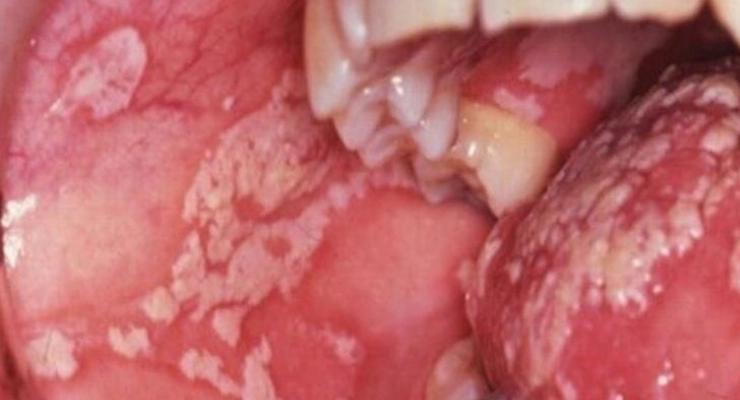
In addition to the annoying pain inside the mouth, mouth ulcers may be accompanied by several other symptoms that help differentiate them from other oral problems. They usually appear as small white or yellow spots surrounded by a red halo on the inside of the cheeks or lips, or on the tongue or gums.Many patients feel a burning or tingling sensation a day or two before the sore actually appears. This then turns into more obvious pain that worsens with eating, drinking, or talking. In severe cases, a person may have difficulty chewing and swallowing, along with temporary bad breath and a dry feeling in the mouth.Sometimes mouth ulcers are associated with general symptoms such as fatigue, a low-grade fever, mild swelling of the lymph nodes under the jaw, or a slight headache—especially when the ulcers are large or multiple.If symptoms persist for a long time or if ulcers recur frequently, it is important to consult a physician or dentist to determine the cause and rule out chronic conditions, vitamin deficiencies, or immune-related disorders.Read more: The Best Daily Habits for Strong, Healthy Teeth
Home and Medical Treatment Options for Mouth Ulcers
Treatment options for mouth ulcers range from simple home remedies to targeted medical therapies, depending on the severity of the condition and the underlying cause.For mild cases, you can relieve pain at home by rinsing with a diluted saltwater solution or warm water mixed with baking soda, and by using an alcohol-free antiseptic mouthwash. Avoid spicy, acidic, and crunchy foods that may further irritate the oral lining.It is also advisable to maintain good oral hygiene by using a soft-bristled toothbrush and a gentle toothpaste that does not contain sodium lauryl sulfate (SLS), which can aggravate mouth ulcers in some people.For moderate to severe or frequently recurring ulcers, a doctor may prescribe medical treatments such as topical gels or ointments that contain a mild corticosteroid to reduce inflammation, or mouth rinses with a local anesthetic to ease pain and promote faster healing.In some situations, recurrent mouth ulcers warrant further testing to check for deficiencies in vitamin B12, iron, or folic acid, or to look for autoimmune or gastrointestinal disorders that may be contributing to the problem.You should see a dentist or internal medicine specialist if an ulcer lasts longer than two weeks, is very painful, or is accompanied by general symptoms such as fever or severe fatigue. Proper evaluation helps ensure an accurate diagnosis and the choice of the most appropriate home or medical treatment strategy for mouth ulcers.
Tips to Prevent Recurrent Mouth Ulcers
Preventing recurrent mouth ulcers largely depends on a set of simple daily habits that reduce irritation of the oral mucosa and support a strong immune system. Gently brush your teeth and gums with a soft toothbrush and use a toothpaste free of sodium lauryl sulfate (SLS), as this ingredient can irritate the mouth in some individuals.Avoid very spicy, acidic, or salty foods, as well as hard nuts and tough foods that can cause tiny scratches in the lining of the mouth and increase the likelihood of ulcer formation. Try to manage psychological stress through adequate sleep, light exercise, and relaxation techniques, since stress is a major trigger for recurrent ulcers.Follow a well-balanced diet rich in vitamins—especially vitamin B12, folic acid, iron, and zinc. If you experience frequent ulcers, ask your doctor about blood tests to check for nutritional deficiencies. Avoid smoking and alcohol, as they weaken the health of the mouth and gums and increase the sensitivity of the oral tissues.If you notice that specific foods or medications seem to be associated with the onset of ulcers, keep a record and discuss it with your doctor or dentist so they can help adjust your diet or medications if appropriate.If ulcers persist or recur frequently, or are accompanied by other symptoms such as fever or unexplained weight loss, you should see a specialist to rule out any underlying medical conditions and treat them early.
Effective Treatment and Close Follow-Up for Your Oral Health with Dr. Amir Ghayyath Al‑Zahrawi

Dr. Amir Ghayyath Al‑Zahrawi offers a comprehensive, evidence-based medical approach to treating mouth ulcers, starting with an accurate diagnosis to determine the underlying cause—whether related to immune weakness, vitamin deficiencies, stress, food sensitivities, or systemic diseases.He tailors a treatment plan for each patient, which may include antiseptic oral gels or mouthwashes, topical anti-inflammatory ointments, and clear instructions to relieve pain and speed up healing of the ulcers.Dr. Al‑Zahrawi also emphasizes regular follow-up of the health of the mouth, gums, and tongue, while monitoring how often ulcers recur to ensure they are not linked to more serious systemic conditions. When necessary, he requests appropriate laboratory tests and medical evaluations.In addition, he provides personalized advice on diet and daily oral care, such as choosing the right toothpaste, avoiding foods that trigger ulcer flare-ups, and maintaining good oral hygiene to reduce the chance of recurrence.Through this evidence-based, patient-centered approach, Dr. Amir Ghayyath Al‑Zahrawi offers effective treatment for mouth ulcers, improves overall oral health, and helps reduce pain and discomfort—ultimately enhancing quality of life and confidence in your smile.