Table of Contents
What Is Preventive Orthodontics and Why Does It Start at an Early Age?
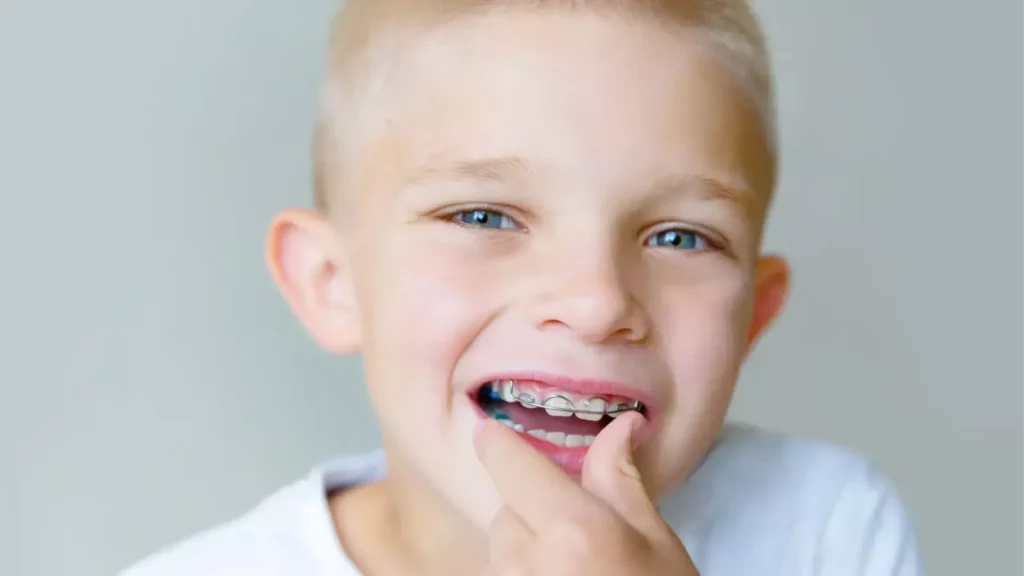
Preventive orthodontics is a branch of orthodontics that focuses on early intervention in children to limit the development of dental and jaw problems before they become complicated and require more extensive corrective treatment later on.This type of orthodontic care relies on regular monitoring of jaw growth and the transition from baby teeth to permanent teeth, along with using simple appliances such as palatal expanders, space maintainers, or devices and techniques to correct harmful oral habits like thumb sucking or tongue thrusting.Preventive orthodontic treatment usually begins at an early age, often between 6 and 9 years old, while the jawbones are still growing. This makes it easier to guide jaw development and the eruption of permanent teeth into a more ideal position, and reduces the likelihood of crowding or severe protrusion.Early intervention helps avoid many future problems such as difficulties with chewing and speech, temporomandibular joint (TMJ) issues, and the need for extracting permanent teeth or using complex braces during the teenage years.For this reason, preventive orthodontics is considered a key part of pediatric dentistry and an effective way to protect oral health and support a balanced smile with the least amount of treatment needed later on.
What Is Corrective Orthodontics and When Is It Needed?
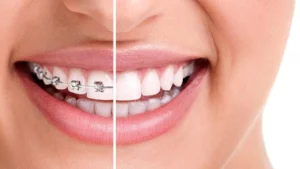
Corrective orthodontics is the branch of orthodontics that focuses on treating existing problems with the bite and jaw alignment, rather than just preventing them as in preventive orthodontics. It involves using fixed or removable orthodontic appliances to move teeth into their proper positions and improve chewing function and smile aesthetics.Dentists recommend corrective orthodontics when a patient has issues such as dental crowding, wide spaces between teeth, protruding front teeth, jaw deviation, or difficulty chewing or speaking due to malocclusion.It is also indicated when there is abnormal tooth wear, TMJ pain, or when the appearance of the teeth and jaws affects facial aesthetics and the patient’s self-confidence. Corrective orthodontics is a main treatment option during adolescence and adulthood, especially if no preventive orthodontic care was done in childhood or if bite problems developed with jaw growth or as a result of harmful oral habits like thumb sucking or tongue thrusting.
Differences Between Preventive and Corrective Orthodontics in Goals and Outcomes
Preventive orthodontics and corrective orthodontics differ clearly in both goals and expected outcomes. Preventive orthodontics aims at early intervention in childhood to stop minor bite or jaw growth issues from turning into more serious problems later, such as severe crowding or excessive upper or lower jaw protrusion. By doing so, it helps reduce the need for complex or even surgical treatments in the future.Corrective orthodontics, on the other hand, is used when malocclusion or dental misalignment is already present. Its goal is to realign the teeth and jaws to improve chewing, speech, and dental and facial appearance.In terms of results, preventive orthodontics helps guide the growth of the jaws and teeth in a healthy direction and often shortens and simplifies any future treatment. Corrective orthodontics provides direct corrective results, such as straightening teeth and improving the bite and smile after the problem has already developed.Understanding this distinction helps both the patient and the orthodontist select the most appropriate treatment plan based on age, the severity of malocclusion, and both short- and long‑term functional and cosmetic goals.
Which Cases Are Suitable for Preventive Orthodontics in Children?
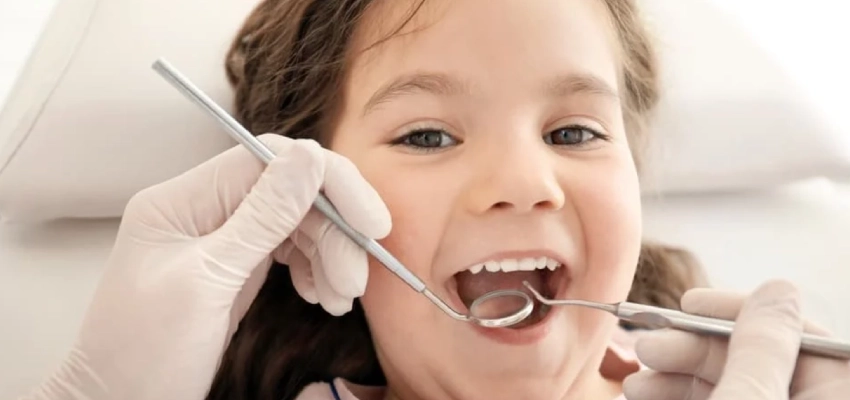
Preventive orthodontics is particularly suitable for children in the early developmental stages when the first signs of jaw growth or tooth alignment problems start to appear but before they become more severe. It is often recommended in cases of premature loss of baby teeth, wide gaps between teeth, or mild crowding that suggests there may not be enough space for the permanent teeth later on.Preventive orthodontics is also beneficial for children who have harmful oral habits such as thumb sucking or tongue thrusting, which can cause protruding front teeth or improper alignment between the upper and lower jaws. It is also appropriate in cases of jaw growth discrepancies or delayed eruption of some permanent teeth, as it helps guide jaw and tooth development in the right direction and reduces the need for complex corrective treatment later.Choosing the right preventive orthodontic approach at the right time can improve the bite, enhance the appearance of the smile, and lower the risk of future problems, making it an important component of early dental care and the prevention of jaw deformities in children.
Cases That Require Corrective Orthodontics in Teens and Adults
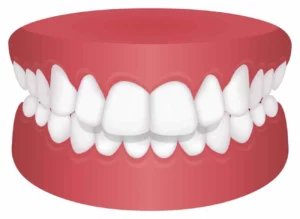
Teens and adults often need corrective orthodontics in situations where preventive measures are no longer sufficient. This includes severe dental crowding that makes oral hygiene difficult and increases the risk of tooth decay and gum disease. Corrective orthodontics is also recommended when there is significant protrusion of the front teeth, or when there are abnormal relationships between the upper and lower jaws (malocclusion), such as open bite, deep bite, or crossbite, which can lead to tooth wear or TMJ pain.Adults may also require corrective orthodontics for wide gaps between teeth, jaw deviation, or gum recession associated with malpositioned teeth, as well as to prepare the mouth for dental implants or prosthetic and cosmetic restorations that require properly aligned teeth.In all these cases, corrective orthodontics plays a key role not only in improving appearance and the smile, but also in enhancing chewing efficiency, speech, and the long‑term health of the teeth and gums. It is therefore a necessary therapeutic option, not just a cosmetic one.
Treatment Time and Cost: Which Is Faster and More Cost‑Effective?
There are clear differences between preventive and corrective orthodontics in terms of treatment duration and cost. Preventive orthodontics is generally faster and more cost‑effective because it addresses problems early, before crowding, severe malocclusion, or jaw deformities fully develop. This early intervention reduces the need for more complex procedures later on.Corrective orthodontics, by contrast, often requires a longer treatment period, especially when there are significant jaw discrepancies or severe dental misalignment. This typically means more visits to the orthodontist and a higher overall treatment cost.The earlier preventive orthodontics is started, the simpler the treatment plan and the quicker and less expensive the results are compared with delayed corrective orthodontics, which may require advanced appliances or additional procedures, including orthognathic (jaw) surgery in some cases.Read more about: the best orthodontist in Jeddah.
The Importance of Consulting a Specialist to Determine the Right Type of Orthodontic Treatment
Consulting an orthodontic specialist is the most critical step before choosing between preventive or corrective orthodontics, as it ensures an accurate diagnosis of the jaw and dental condition and the development of an appropriate treatment plan.The orthodontist performs a comprehensive clinical examination, takes radiographs, and may obtain digital scans or impressions of the teeth to determine whether the patient needs simple preventive treatment to address early changes, or more advanced corrective treatment to manage complex misalignment or bite problems.This professional assessment helps in choosing the most suitable type of orthodontic appliance—whether fixed braces, clear aligners, or early preventive appliances for children—to achieve stable, long‑term results. The consultation also clarifies the expected treatment duration, approximate costs, and daily care instructions for orthodontic appliances, which helps reduce potential complications and increases the likelihood of achieving a healthy, harmonious smile.
How Dr. Amir Zahrawi Designs Accurate Treatment Plans to Select the Right Type of Braces
Dr. Amir Zahrawi is committed to creating precise treatment plans that help patients choose the most appropriate type of orthodontic care, whether it is preventive treatment for young children or corrective treatment to address existing problems such as dental crowding or jaw protrusion.Through a thorough clinical examination, radiographic imaging, and detailed analysis of jaw position and occlusion, Dr. Zahrawi determines whether the patient needs early preventive orthodontics to guide jaw growth, or corrective treatment using fixed braces or clear aligners to straighten teeth and improve the bite.He also takes into account the patient’s age, the severity of malocclusion, overall facial aesthetics, and the expected treatment duration. This comprehensive approach supports the selection of an integrated treatment plan that provides the best functional and cosmetic outcome over the long term.With this evidence‑based and individualized method, Dr. Amir Zahrawi offers effective orthodontic care that minimizes the need for more complex treatments in the future and helps patients achieve a healthy, well‑balanced smile that complements their facial features.
Frequently Asked Questions About Preventive and Corrective Orthodontics
What Is the Best Age to Start Preventive Orthodontics for Children?
It is generally recommended to have an initial orthodontic evaluation between the ages of 6 and 9, when jaw growth is still ongoing and can be guided more easily to prevent more serious problems later on.
Does Preventive Orthodontics Eliminate the Need for Corrective Braces Later?
In many cases, preventive orthodontics reduces the need for complex treatment later, but it does not always completely eliminate the need for corrective orthodontics during the teenage years if additional issues develop as the teeth and jaws continue to grow.
Can Adults Benefit from Corrective Orthodontics?
Yes. Dental misalignment and malocclusion can be treated at almost any age using conventional braces or clear aligners, with effective functional and cosmetic results.
How Long Does Orthodontic Treatment Usually Take?
The duration varies by case. Preventive orthodontic treatment may last several months up to about a year, while corrective orthodontics often takes from one to two years or more, depending on the severity of the problem.
How Can I Tell If My Child Needs Preventive Orthodontics?
If you notice crowded or protruding teeth, early loss of baby teeth, or habits like thumb sucking or tongue thrusting, it is best to consult an orthodontist early to have your child evaluated and determine whether preventive treatment is needed.