Table of Contents
What Is the Average Duration of Orthodontic Treatment?
Orthodontic treatment typically lasts between 18 and 24 months. In some cases, it may be as short as 12 months or extend up to 3 years, depending on the severity of the malocclusion, the type of appliance used, and how the teeth respond to treatment.
After a clinical examination and radiographic assessment, the orthodontist designs an individualized treatment plan that includes an estimated treatment duration. This estimate takes into account the patient’s age, the condition of the jawbone and gums, and how consistently the patient wears their orthodontic appliances and attends follow‑up appointments.
It’s important to understand that treatment time is not the same for everyone. Children and adolescents may require a different duration than adults, and clear aligners or lingual braces can sometimes take as long as, or in some cases longer than, conventional metal braces, depending on the specific case.
Following the orthodontist’s instructions, maintaining excellent oral hygiene, and avoiding damage to wires or brackets are all key factors that help shorten the overall treatment time and achieve well-aligned, stable results in the shortest feasible period.
Severity of the Case and Its Role in Determining Treatment Duration
The severity of the orthodontic problem is a key factor in determining how long treatment will take and how many stages it will involve.
Mild cases, such as minor dental crowding or small gaps between teeth, usually respond more quickly and may require about 6–12 months of treatment. In contrast, more complex conditions—like jaw protrusion, open bite, deep bite, or significant malalignment of the teeth—often need a longer period that can extend to 18–24 months or even more.
To assess how severe the case is, the orthodontist relies on a thorough clinical examination, radiographic imaging, and detailed analysis of dental models. Based on this evaluation, a tentative treatment timeline is planned, taking into account the patient’s age, the health of the gums and supporting bone, and the type of orthodontic appliance being used.
The simpler the problem and the better the patient’s compliance with the orthodontist’s instructions—particularly regarding oral hygiene and attending follow‑up appointments—the greater the chance of shortening the overall treatment time and achieving stable, long‑term results in a shorter period.
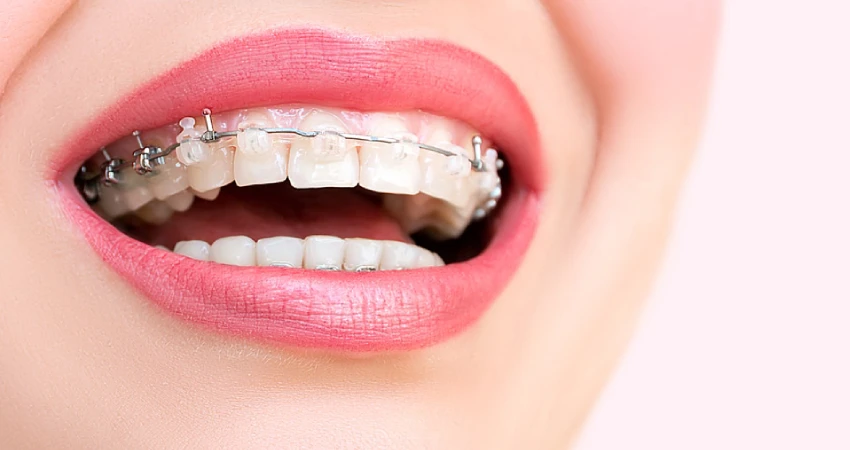
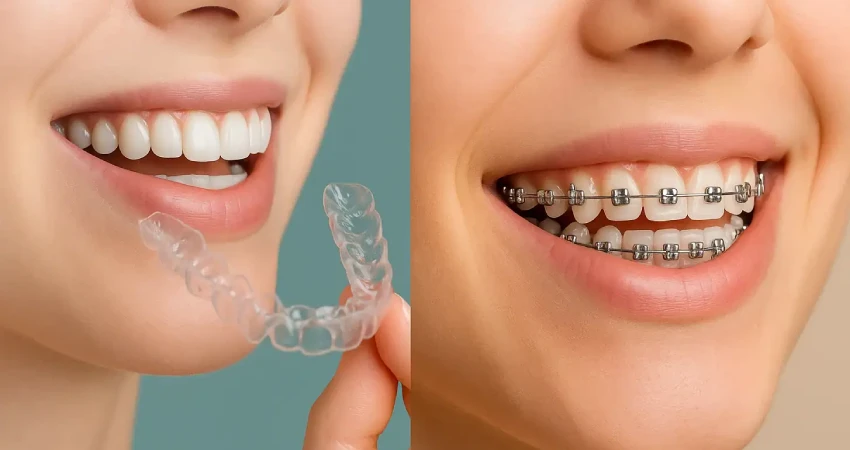
Effect of Braces Type on Treatment Speed (Metal, Clear, Lingual)
The type of orthodontic appliance plays an important role in how long treatment takes and how quickly results become visible, but the main difference is usually related to how it’s used and how well the patient follows instructions, rather than a fundamental difference in its corrective power.
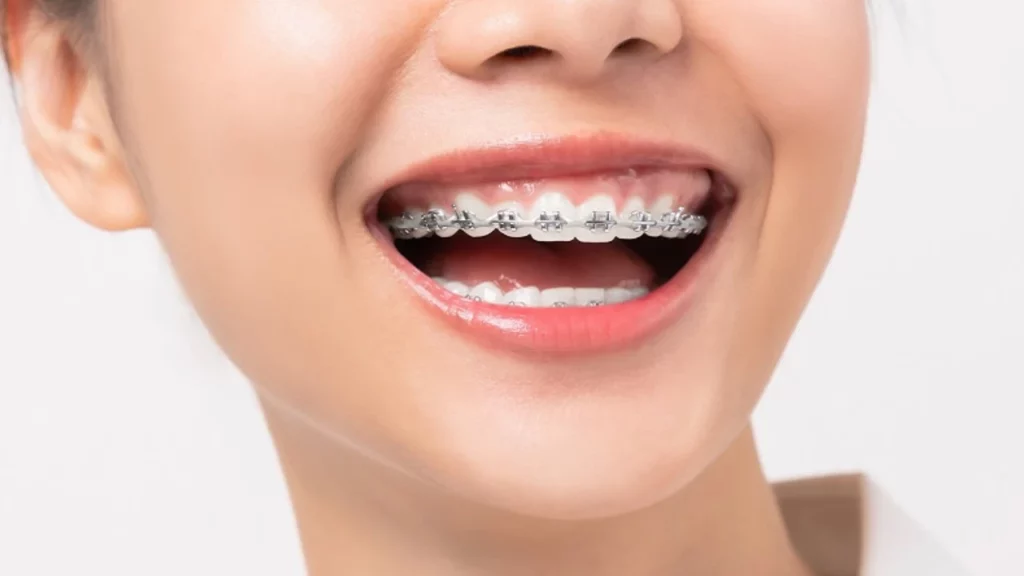
Conventional metal braces are generally considered the fastest in producing results, as they offer the greatest stability and control over tooth movement. For this reason, many orthodontists prefer them in complex cases or when a relatively shorter treatment time is desired.
Clear aligners (such as Invisalign) can deliver excellent results within a timeframe comparable to metal braces. However, how fast the teeth move depends heavily on the patient’s commitment to wearing the aligners for the recommended number of hours per day. Any inconsistency or neglect can significantly prolong the overall treatment duration.
Lingual braces, which are fixed to the inner (lingual) surfaces of the teeth, are highly aesthetic and practically invisible. Still, they typically require a longer adaptation period, and in some cases the treatment plan may take slightly more time because adjustments are more technically demanding and require highly precise visits.
Ultimately, choosing between metal braces, clear aligners, or lingual braces should not be based on speed alone. The decision depends on the nature of the malocclusion, the severity of crowding or misalignment, the patient’s age, budget, and concern about appearance during treatment. Above all, adherence to the orthodontist’s instructions remains the most critical factor in shortening treatment time, regardless of the type of appliance used.
The Role of Patient Age in the Speed and Success of Orthodontic Treatment
A patient’s age plays a key role in how long orthodontic treatment takes and how successful it is. During childhood and adolescence, the bones are more malleable and the jaws are still growing, which allows teeth to move more quickly and respond better to orthodontic forces.
For this reason, orthodontic treatment in children often requires a shorter duration, and the results tend to be more stable in the long term when intervention is started at an appropriate age.
In adults, the bone is denser and jaw growth has stopped, which can make tooth movement slower and require more meticulous treatment planning. This may include longer use of fixed appliances (braces) or clear aligners, and sometimes a combination of different techniques.
Despite these differences, excellent outcomes can be achieved at any age, provided the patient follows the orthodontist’s instructions and attends regular follow‑up visits. Age mainly affects how fast the treatment progresses, but it is not a barrier to achieving successful orthodontic results.
Patient Compliance with Orthodontic Instructions and Its Impact on Treatment Duration
A patient’s adherence to their orthodontist’s instructions plays a decisive role in shortening the duration of orthodontic treatment and achieving optimal results in the shortest possible time.
When the patient consistently wears clear aligners or elastic bands (interarch elastics) for the prescribed number of hours each day, attends scheduled follow‑up appointments without postponement, maintains proper oral and appliance hygiene, and follows a suitable diet that avoids hard and sticky foods, this allows the teeth to move according to the planned treatment protocol without unnecessary delays.
Conversely, neglecting instructions, frequently breaking brackets and archwires, or forgetting to wear removable appliances slows tooth movement, increases the risk of relapse, and can prolong orthodontic treatment by several additional months or even longer.
Thus, patient compliance with orthodontic instructions affects not only how long the treatment takes, but also has a direct impact on the quality of the final outcome and its long-term stability.
How Do Regular Check-Ups Help Shorten Orthodontic Treatment Time?
Regular follow-up visits with your orthodontist are a key factor in shortening the duration of braces or clear aligner treatment and achieving faster, more precise results.
Through these scheduled appointments, your orthodontist can closely monitor tooth movement and adjust the force applied by archwires, brackets, or clear aligners at the right time. This keeps your teeth progressing according to the treatment plan and prevents any slowdown in their response.
Routine check-ups also allow early detection of issues such as loose brackets, broken attachments, tartar buildup, or gum inflammation. If left untreated, these problems can significantly prolong the overall treatment time.
Sticking to the review schedule set by your orthodontist helps maintain the correct therapeutic forces on the teeth and reduces the risk of relapse or the need to extend the treatment plan.
In summary, committing to regular orthodontic check-ups is an essential part of shortening treatment time and achieving a straight, healthy smile as quickly as possible.
When Can Orthodontic Treatment Take Longer Than Expected?
Orthodontic treatment can sometimes take longer than initially planned due to several factors related to the dental condition itself and the patient’s behavior during treatment.
Severe dental crowding, complex malocclusions, or the presence of large spaces between teeth often require more time than average to achieve stable and safe results. Age is also an important factor: orthodontic treatment in adults usually takes longer than in children and adolescents because tooth movement is slower and the bone is denser.
Treatment duration may also increase when patients do not follow their orthodontist’s instructions, such as failing to wear elastics (rubber bands) consistently, neglecting to use removable appliances, or not wearing retainers as directed after the braces are removed.
Broken or detached brackets caused by eating hard or sticky foods, as well as poor oral hygiene, can delay adjustment appointments and prolong the overall treatment plan.
In some cases, the orthodontist may intentionally extend the treatment slightly to ensure that the final result is stable and to minimize the risk of teeth relapsing to their previous positions, which ultimately supports a more stable bite and better long‑term oral health.
A precise treatment plan with Dr. Amir Zahrawi’s expertise to shorten orthodontic duration
Safely and effectively reducing orthodontic treatment time depends on a meticulously designed treatment plan developed by Dr. Amir Zahrawi, following a comprehensive assessment of the bite, tooth alignment, and jaw position. This is done using 3D radiographic imaging and advanced digital planning software.
Drawing on this expertise, the most suitable orthodontic system is selected for each case—whether clear aligners, conventional metal braces, or accelerated orthodontic options—while precisely controlling the magnitude and direction of tooth movement. This allows the overall treatment time to be shortened without compromising tooth roots or periodontal (gum) health.
Careful pre-planning of the movement of each individual tooth, along with regular follow-up visits and timely adjustments of archwires or clear aligner trays, helps enhance the biological response to treatment and achieve optimal results in a shorter-than-average timeframe in many cases.
With this evidence-based approach grounded in modern orthodontic protocols, patients receive a clear treatment timeline and an estimated duration of therapy, while the risk of relapse after treatment is reduced and long-term stability of the results is better maintained.