Types of Braces
Table of Contents
Have you ever thought about how important braces and other orthodontic treatments are for your oral health? Orthodontics, a branch of dentistry focused on correcting misaligned teeth and jaws, offers benefits that go far beyond improving appearance. Straight teeth don’t just boost self-confidence; they also play a key role in improving overall oral health and preventing potential dental problems.Proper orthodontic care is essential for achieving and maintaining optimal dental health. Braces can help prevent tooth decay, gum disease, and jaw-related complications. In this article, we’ll discuss the role of orthodontics in overall oral health and why it’s important to consider it as part of your regular dental care routine.
What Is Orthodontics?
Orthodontics is a dental specialty focused on diagnosing, preventing, and treating irregularities in the teeth and facial structure, such as misaligned jaws and crooked or crowded teeth. Using orthodontic appliances such as braces and retainers, these irregularities are corrected by gently guiding the teeth into their proper positions over time.Beyond cosmetic benefits, orthodontic treatment leads to significant improvements in patients’ overall oral health. Straight teeth are easier to clean and maintain, which lowers the risk of cavities and periodontal (gum) disease. In addition, correcting bite problems can help relieve jaw discomfort and pain.The duration of orthodontic treatment varies widely, ranging from a few months to several years, depending on the severity of the case and the type of appliance used. Choosing a skilled orthodontist is crucial to ensure optimal care and achieve the best possible results.
Types of Braces
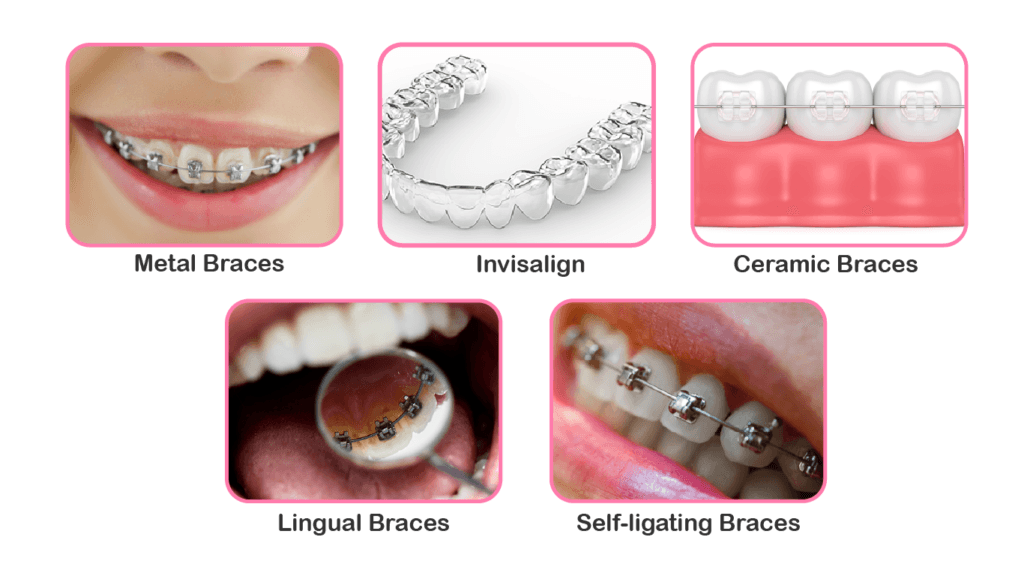
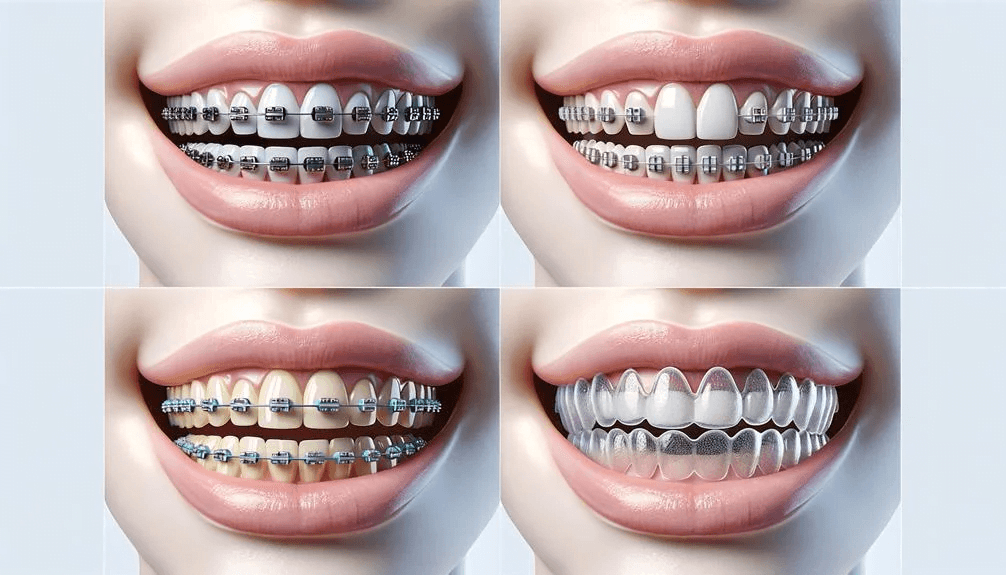
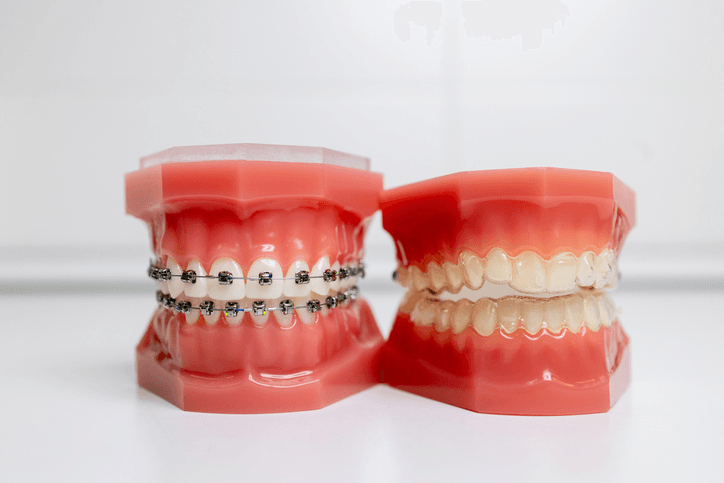
Modern orthodontics offers a wide range of treatment options to help you achieve a straighter smile. Braces come in different forms, each designed to suit individual preferences regarding appearance, lifestyle, and treatment duration.Consulting an orthodontist is essential to select the option that best matches your needs and expectations and ensures you are satisfied with both the process and the outcome. The main types of braces include:
1. Metal Braces
Traditional metal braces are a well-established and highly effective orthodontic solution, known for their reliability and relative affordability. These braces align the teeth efficiently and, with today’s designs, more comfortably than in the past. They are often a popular choice for younger patients.Regular adjustment appointments every four to eight weeks are required, along with certain dietary restrictions and careful oral hygiene practices.
2. Ceramic Braces
Ceramic braces are often chosen by teens and adults because they are less noticeable than metal braces. Made from clear or tooth-colored ceramic materials, they offer a discreet, non-removable alternative similar in function to traditional metal braces. While more aesthetically pleasing, ceramic braces are usually more expensive and work in much the same way as metal braces.
3. Clear Aligners
Clear aligner therapy has become very popular thanks to its nearly invisible design, making it an appealing option for people with mild to moderate orthodontic issues. These transparent, removable trays make it easier to brush, floss, and maintain oral hygiene.However, their effectiveness depends heavily on the patient’s commitment to wearing them as directed by the orthodontist—usually for the required number of hours per day.
4. Lingual Braces
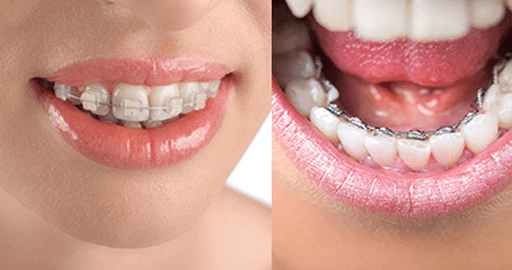
Lingual braces are attached to the inner (tongue-side) surfaces of the teeth, providing a completely hidden way to straighten teeth with no visible brackets. While they offer a significant cosmetic advantage, they are more complex to place, adjust, and maintain compared with other types of braces, and may not be suitable for every case.
The Importance of Orthodontic Treatment
Orthodontic treatment not only improves the appearance of your smile but also enhances the function of the teeth and jaws, offering multiple benefits, including:– Better chewing efficiency and bite function – Easier cleaning of teeth, reducing the risk of decay and gum disease – Reduced abnormal wear on tooth surfaces – Relief from some jaw pain and discomfort associated with malocclusion – Improved speech in certain cases – Long-term protection of teeth and supporting structures
How Long Does Orthodontic Treatment Take?
On average, orthodontic treatment typically lasts about 24 months or longer. However, the exact duration can vary depending on several factors, including:– The specific dental problems being treated – The type of orthodontic appliance used – Dietary habits – Oral hygiene practices – How well the patient follows maintenance and appointment schedules
What Happens After Braces?
Once the braces are removed and the desired result has been achieved, the retention phase begins. This final step is critical and should never be overlooked. During this phase, a retainer—a custom-made orthodontic device—is used to keep the teeth from shifting back to their original positions and to maintain their new alignment.There are two main types of retainers commonly used:– Removable retainers – Fixed (bonded) retainersIn many adult cases, retainers may need to be worn indefinitely to preserve the treatment results. Over time, most patients adapt well to wearing their retainers and usually do not experience pain or significant discomfort.
Orthodontic Treatment Options in Jeddah
Dr. Amir Al-Zahrawi offers a wide range of orthodontic treatments in Jeddah to help patients achieve straight teeth and a healthier bite. Dr. Amir provides traditional braces, clear aligners, and other customized options tailored to each person’s individual needs.He takes the time to explain every treatment, ensuring patients fully understand the process and the expected outcomes. His goal is to create confident smiles for both children and adults. If you are looking for effective orthodontic solutions, Dr. Amir is ready to guide you through every step of your treatment journey.