Causes of Oral Cancer and How to Prevent It
Table of Contents
Oral cancer can develop in the lips, cheeks, tongue, and the oropharynx, which includes the soft palate, tonsils, and the back of the throat. It is not always easy to detect in its early stages.The good news is that even in more advanced stages, many of these cancers are still treatable. With current advances in therapy, survival rates for oral cancers have improved significantly, and some types of oral cancer now show 3‑year survival rates of 80% to 90%.
What Is Oral Cancer?
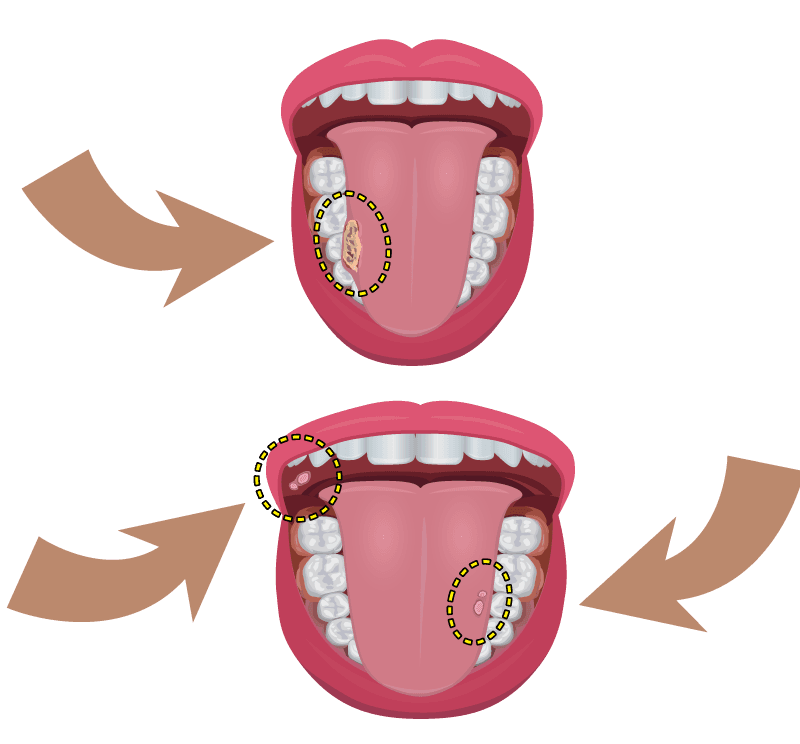
Oral cancer is any malignant (cancerous) growth that arises in the oral cavity or on the lips. These cancers most often begin on the tongue, the inner lining of the cheeks, or the floor of the mouth, and they are among the most common types of head and neck cancers.It is also referred to as oral cavity cancer, and this form of cancer is highly treatable when detected early. Cancer can also develop near the salivary glands or in the throat (oropharyngeal cancers), which may require a different treatment approach.When normal cells begin to grow and divide uncontrollably, they form a tumor (a mass of cells) that can be either benign or malignant. If the cancer starts in the buccal mucosa (the lining of the cheeks) or anywhere within the oral cavity, it is called oral cancer.
Causes of Oral Cancer
Like other cancers, oral cancer typically progresses from benign changes to malignant disease, and various risk factors can play a major role in driving genetic mutations.Men are about twice as likely as women to develop these cancers. Other common risk factors include:
Symptoms of Oral Cancer

Common symptoms of oral cancer can include fatigue, nausea, and pain. Some patients, however, may have no noticeable symptoms. Dentists often detect oral cancer during routine checkups. The most frequent warning signs include:
Stages of Oral Cancer
Cancer staging describes how advanced the disease is, which in turn guides treatment options. Oral cancer is staged from 0 through IV (4), including:
Types of Oral Cancer
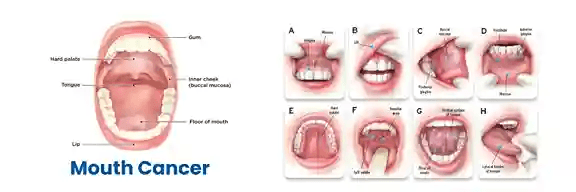
Oral cancers are classified partly by where they first develop. The most common primary sites of oral cancer include:From a histological standpoint, oral cancers are also categorized based on the type of tissue they arise from. These include:
Treatment of Oral Cancer
The main treatment options for oral cancer include surgery, radiation therapy, systemic drug therapy (such as chemotherapy and targeted therapy), along with comprehensive dental care.
First: Surgery
Second: Radiation Therapy
Third: Chemotherapy
How to Prevent Oral Cancer
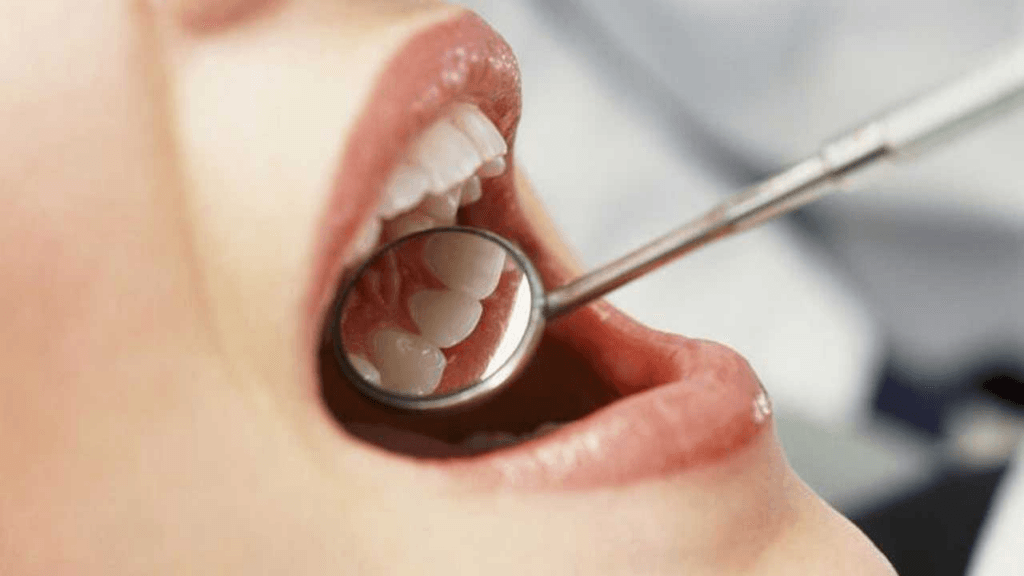
Although not all cases of oral cancer can be prevented, you can significantly lower your risk by following key preventive measures: